
in bloom
now
through Oct
Bloom calendar
Lantana trifolia
Species; woody shrub
At‑a‑glance
- Group/Class: Species; woody shrub
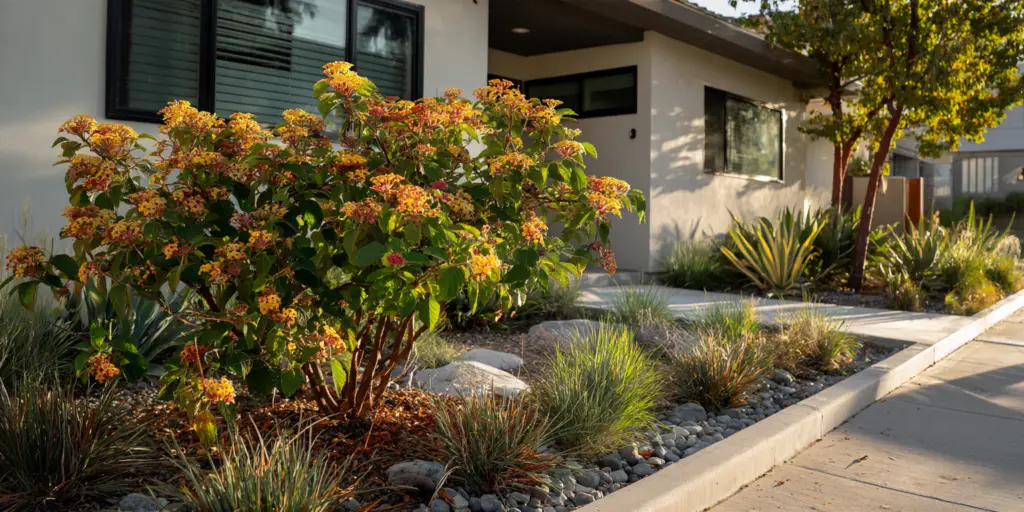
- Height × spread: 2 to 5 ft (0.6 to 1.5 m) × 1 to 3 ft (0.3 to 0.9 m)
- Bloom window: spring to fall in warm climates
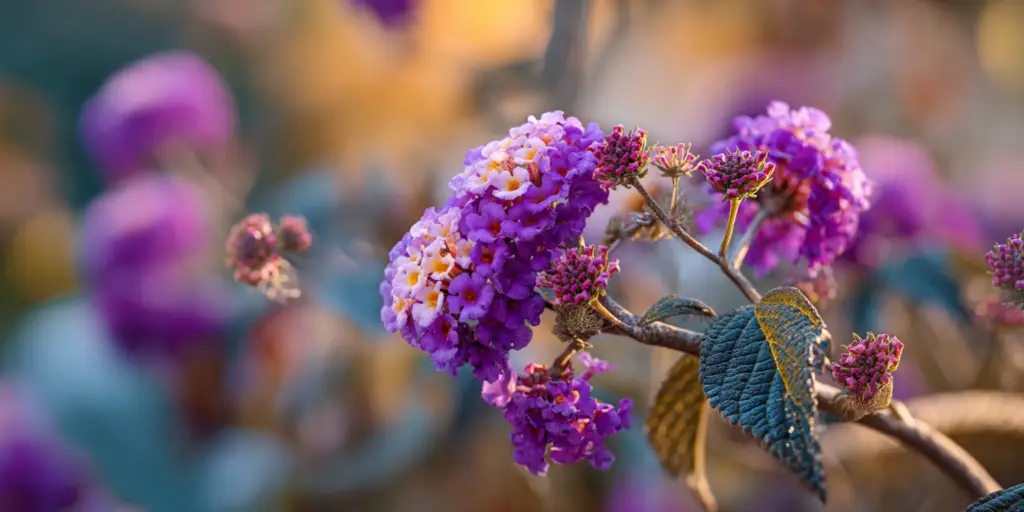
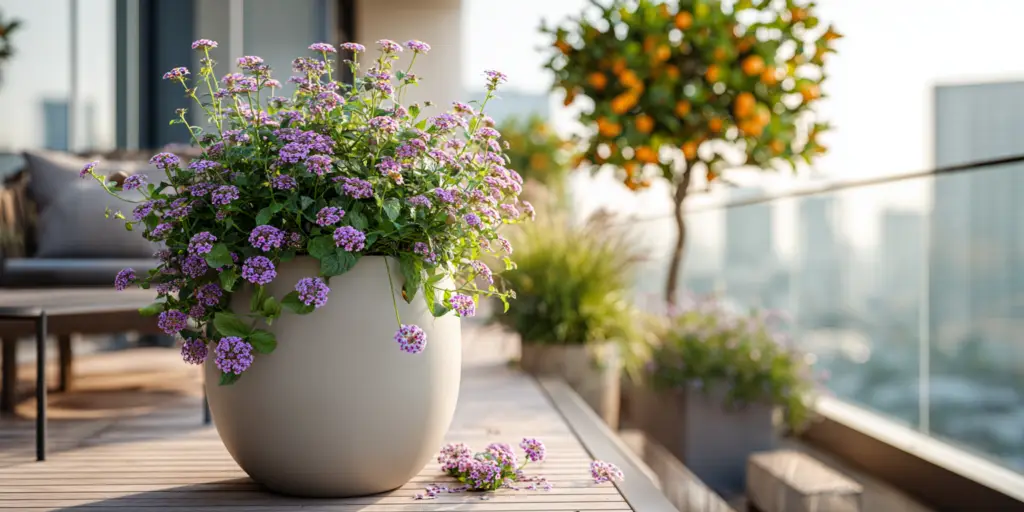
- Color & flower form: flattened clusters of small lavender to white tubular flowers; elongated purple fruit spikes after bloom
- Fragrance: 0 none
- USDA hardiness: evergreen in zones 9 to 11; root-hardy near 8b; grown as annual elsewhere
- Breeder / Year / Origin: unknown; native from Mexico to tropical America
- Pet safety: avoid
How it differs
- Leaves are typically in whorls of three rather than opposite pairs.
- Showy purple fruit is a key ornamental feature.
- Upright and narrow compared to spreading lantanas.
- Less commonly offered than Lantana camara in garden centers.
Strengths
- Heat tolerant with long bloom when grown in sun.
- Compact enough for containers and small spaces.
- Provides nectar and fruit interest for wildlife gardens.
Care in one minute
Provide full sun and well-drained soil of average fertility.
Water to establish, then allow the surface to dry between waterings.
Use light spring feeding; excessive nitrogen reduces flowering.
Pinch young stems to encourage branching and more flower heads.
Before frost, move containers indoors to a bright, cool room or take cuttings.
Watch‑outs
- Foliage, fruit, and sap are poisonous if eaten.
- Frost and hard freezes will kill top growth; protect or overwinter containers.
- Needs full sun; shade reduces flowering.
Best uses (tags)
Provenance note
Native from Mexico through the West Indies and much of tropical America, this species is grown ornamentally for both flowers and fruit. It is sometimes sold under the common name Lavender Popcorn lantana.
References
- North Carolina Extension Gardener Plant Toolbox – Lantana trifolia
- Missouri Botanical Garden Plant Finder – Lantana trifolia
- USDA PLANTS – Lantana trifolia
- Clemson University HGIC – Lantana (includes notes on L. trifolia)
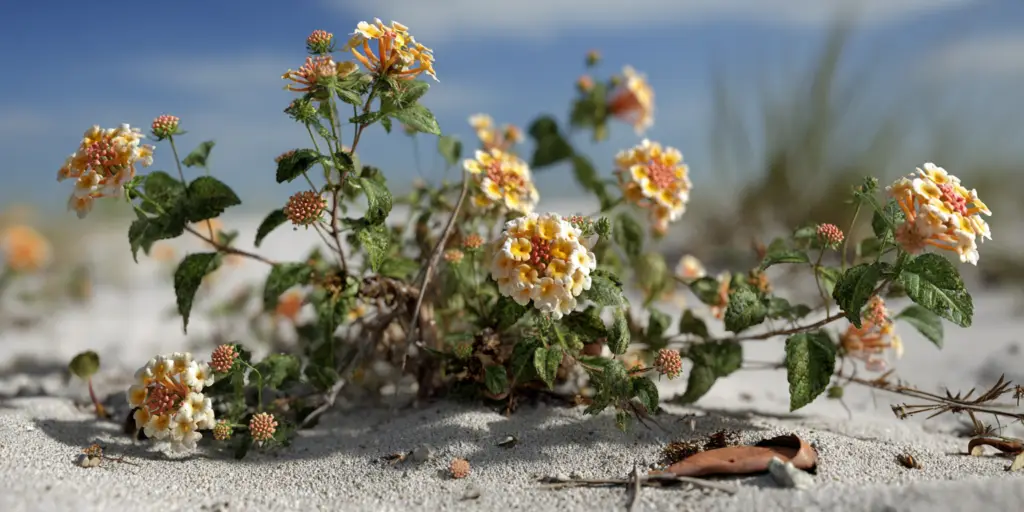
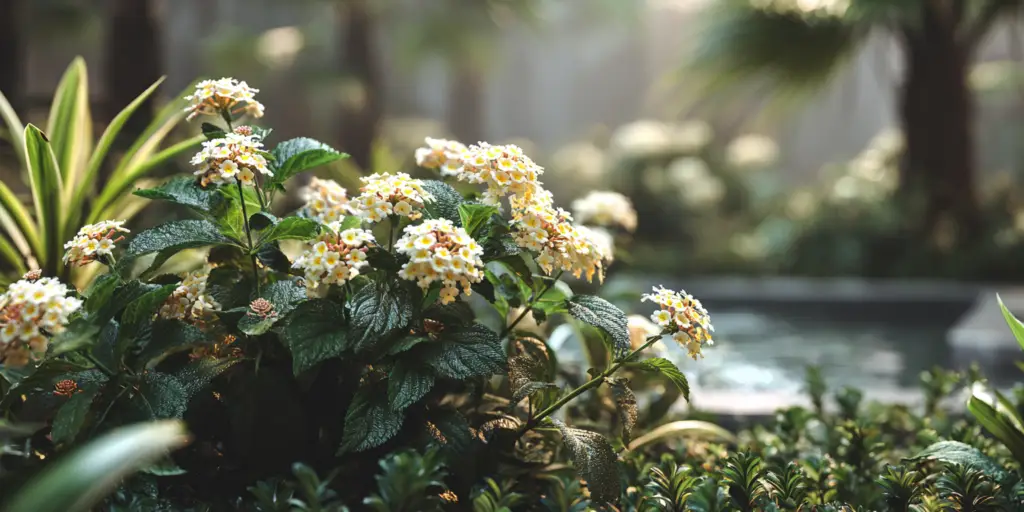
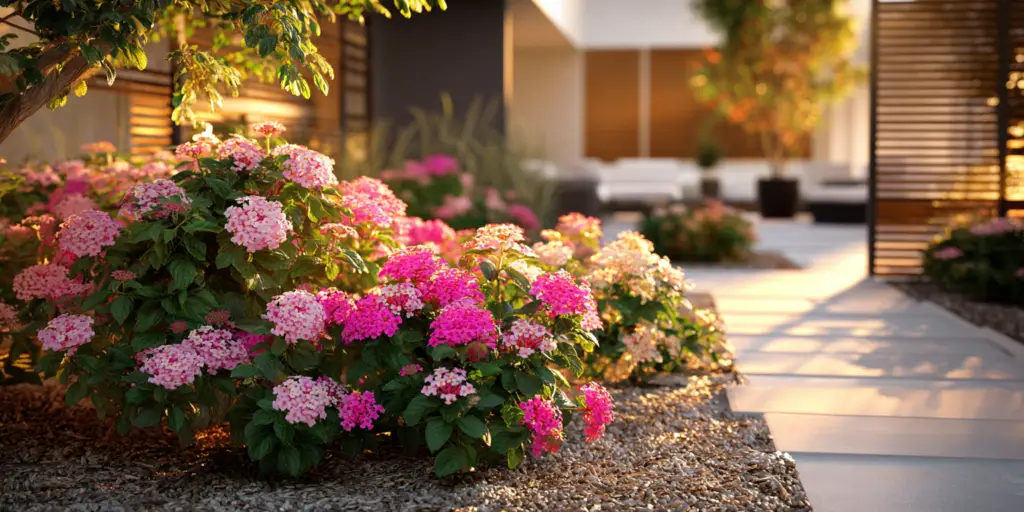
Similar Flowers
Enjoying our flower guides? Add YourFlowersGuide as a preferred source on Google. It helps more readers find us.
Add to Preferred Sources