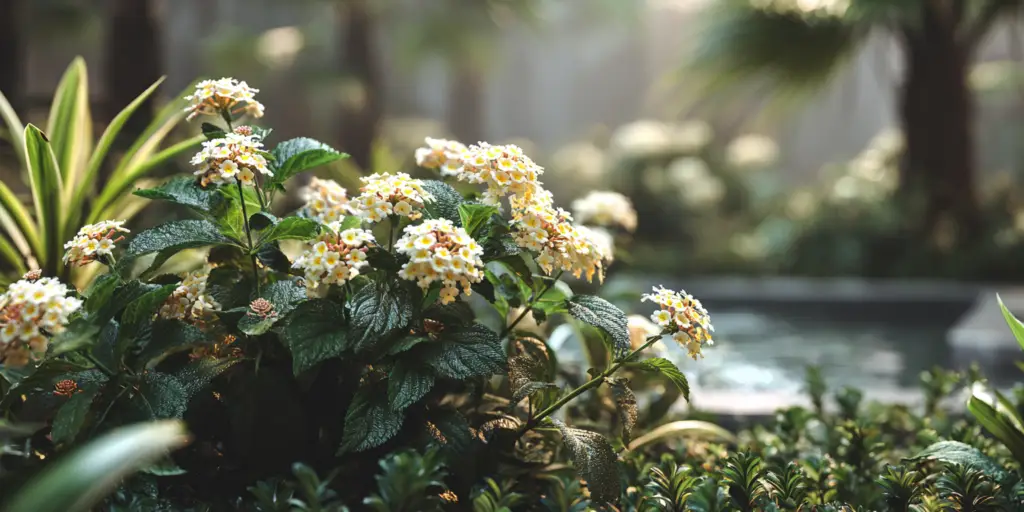
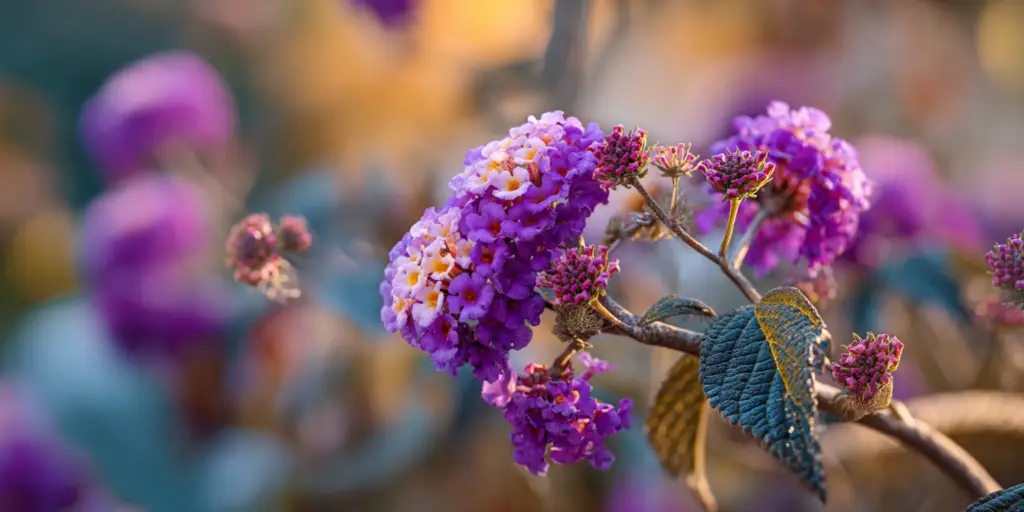
Trailing lantana is a low, spreading species valued for cascading habit and season-long color. It stands out for lavender to purple flower heads and for white selections grown in warm gardens. It performs best in full sun with heat and very good drainage. It makes a durable groundcover on banks in mild climates. It can bloom from spring to frost in temperate areas and longer where winters are frost free.
At‑a‑glance
Group/Class: Species; trailing woody shrub
Height × spread: 1 to 1.5 ft (0.3 to 0.45 m) × 3 to 5 ft (0.9 to 1.5 m)
Bloom window: spring to fall; extended in frost-free zones
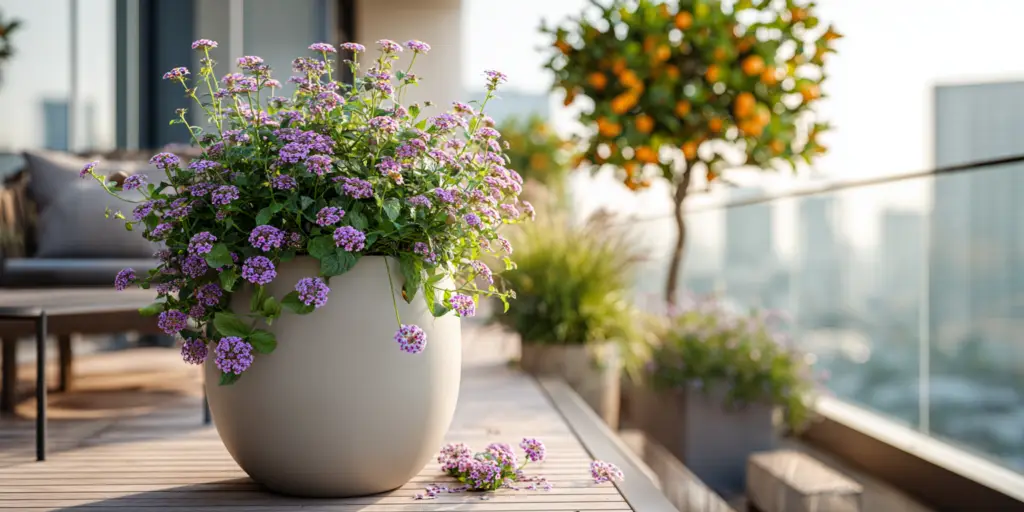
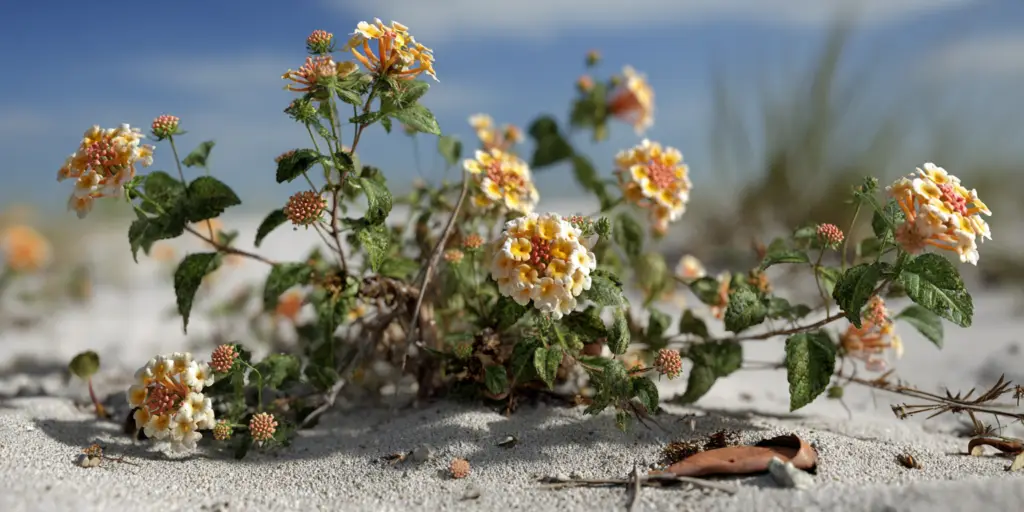
Color & flower form: rounded clusters of small tubular flowers in lavender to purple or white
Fragrance: 0 none
USDA hardiness: perennial in zones 8 to 10; grown as annual where colder
Breeder / Year / Origin: unknown; native to South America
Pet safety: avoid
How it differs
Prostrate to cascading habit instead of upright mounds.
Narrower color range focused on lavender or white.
Often root-hardy farther north than many upright types.
Useful on slopes and walls where stems can trail.
Strengths
Tolerates coastal conditions and heat once established.
Handles drought after establishment in well-drained soil.
Attracts butterflies and small pollinators.
Low maintenance with occasional trimming.
Care in one minute
Choose full sun and fast-draining soil; raised beds help in wet climates.
Irrigate to establish; then water when the top inch of soil is dry.
Avoid heavy fertilization; trim lightly to keep edges neat.
In zone 8, mulch crowns in winter to help roots overwinter.
Remove spent clusters if seed set is a concern near natural areas.
Watch‑outs
Predicted invasive in Florida and not recommended there without special management.
A South American species naturalized in many warm regions, it is widely grown as trailing lantana. White selections are common in mild coastal landscapes.
Written by: Your Flowers Guide editorial team We are a small independent group of flower lovers who research and review each guide using trusted horticultural and educational sources. Learn more about us