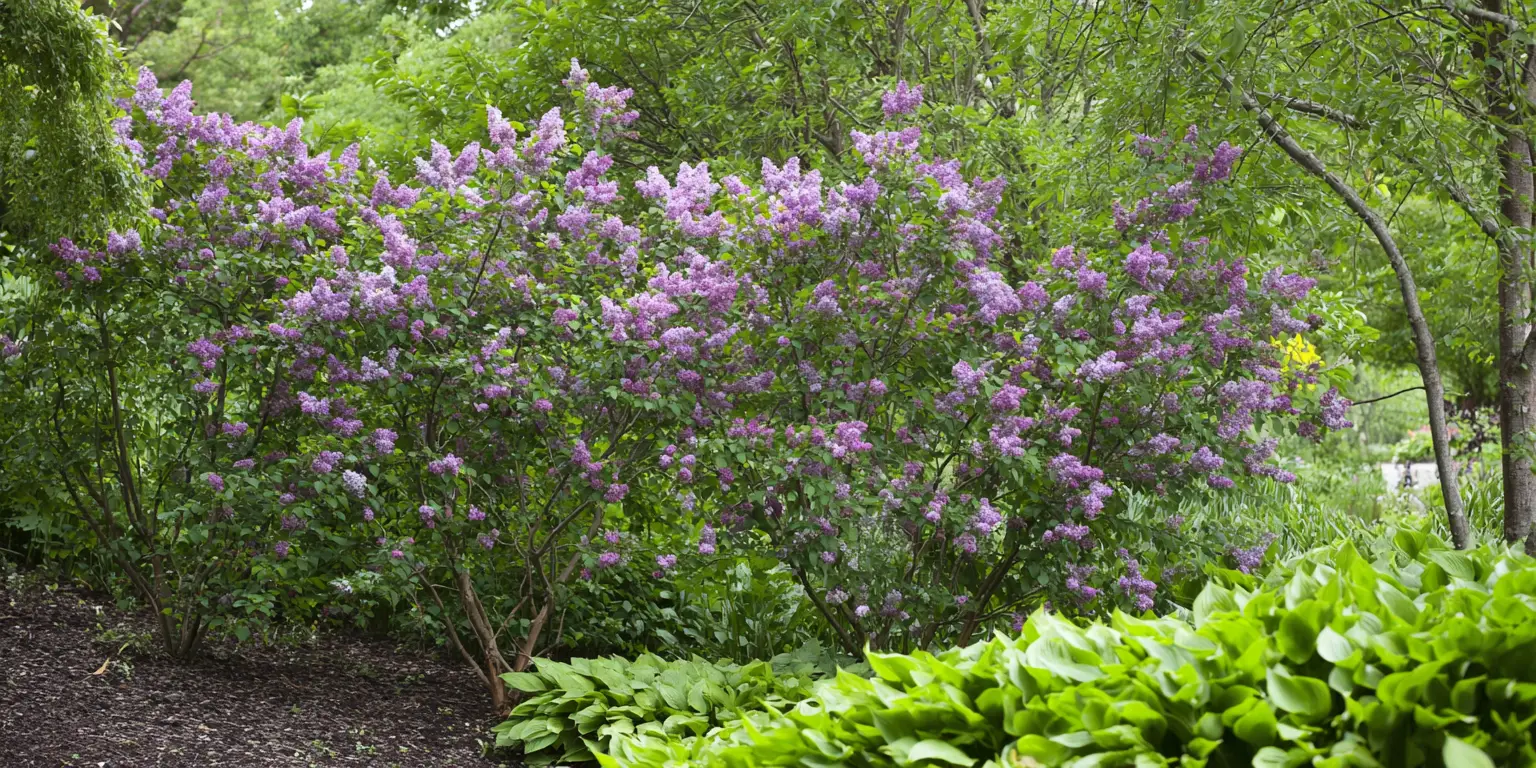
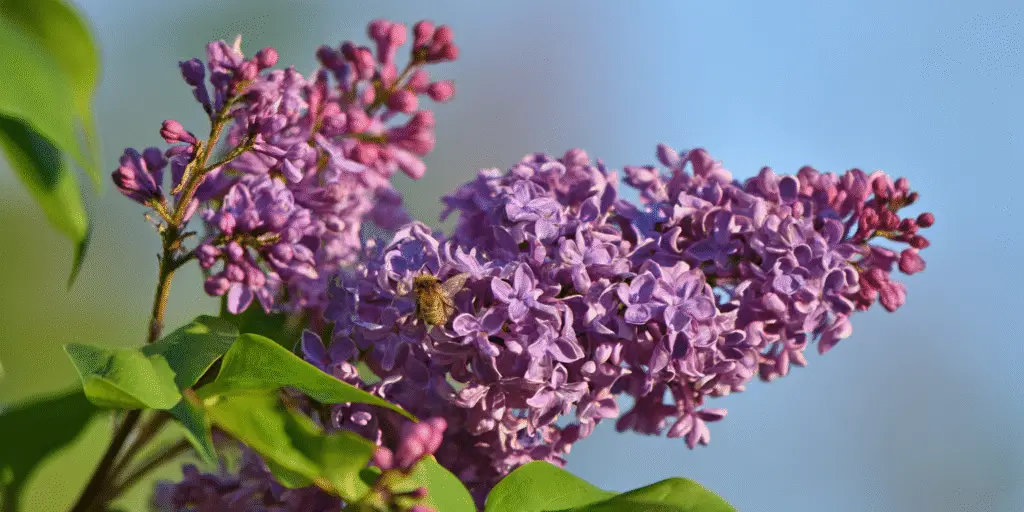
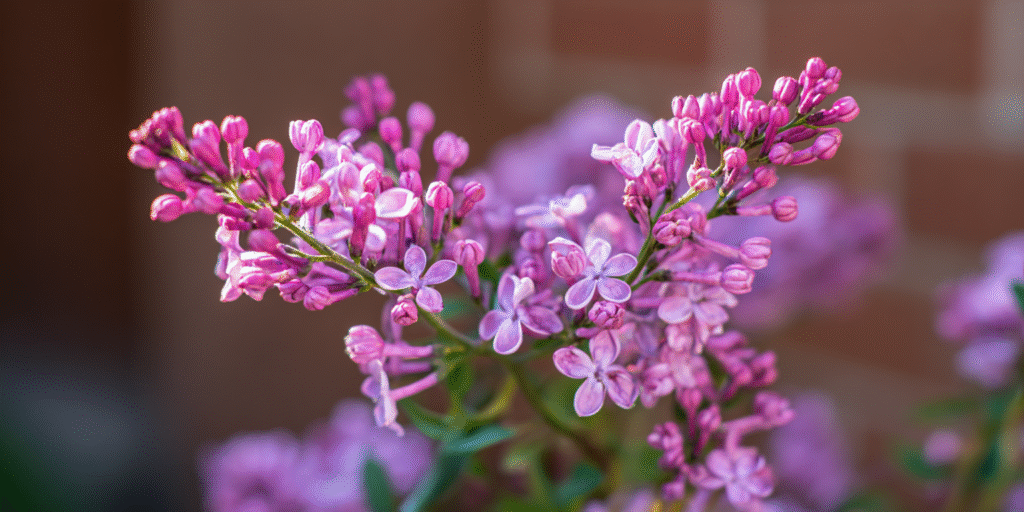
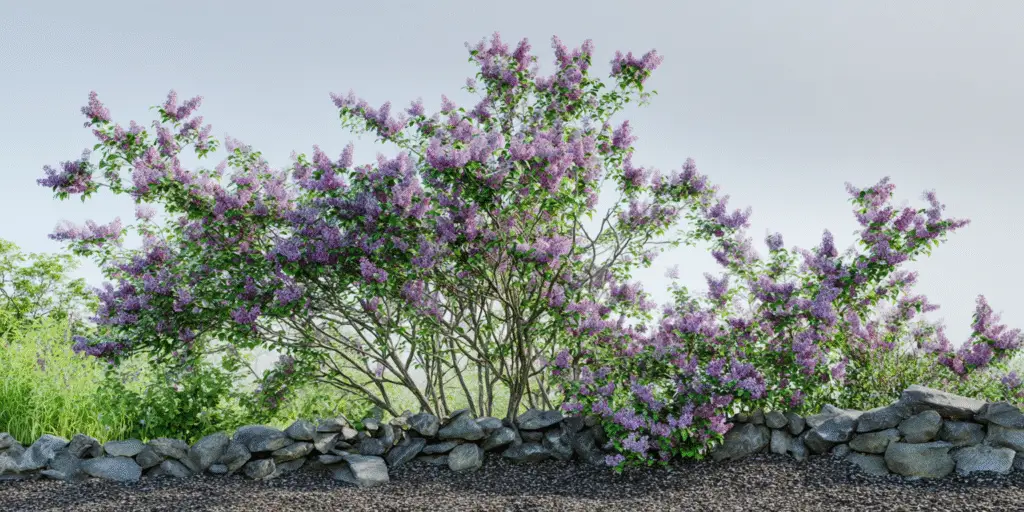
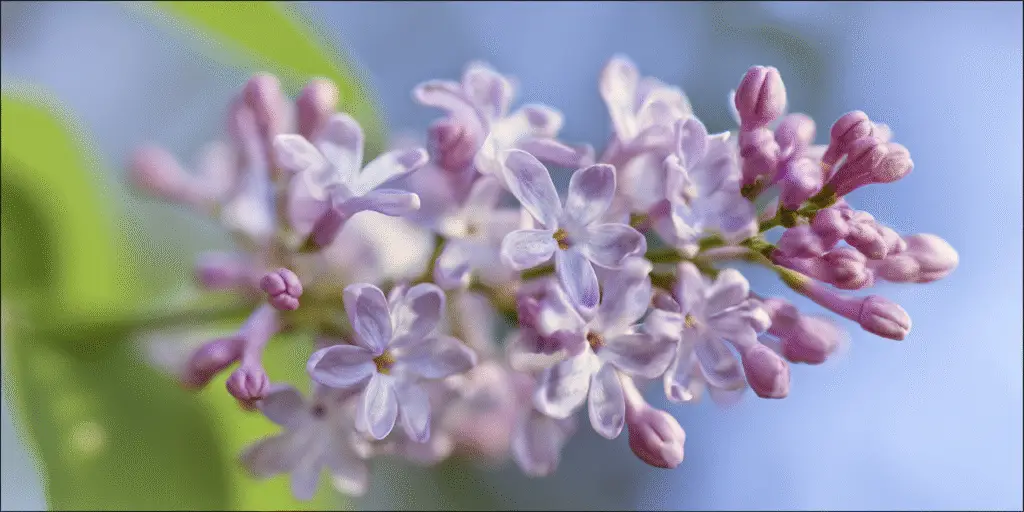
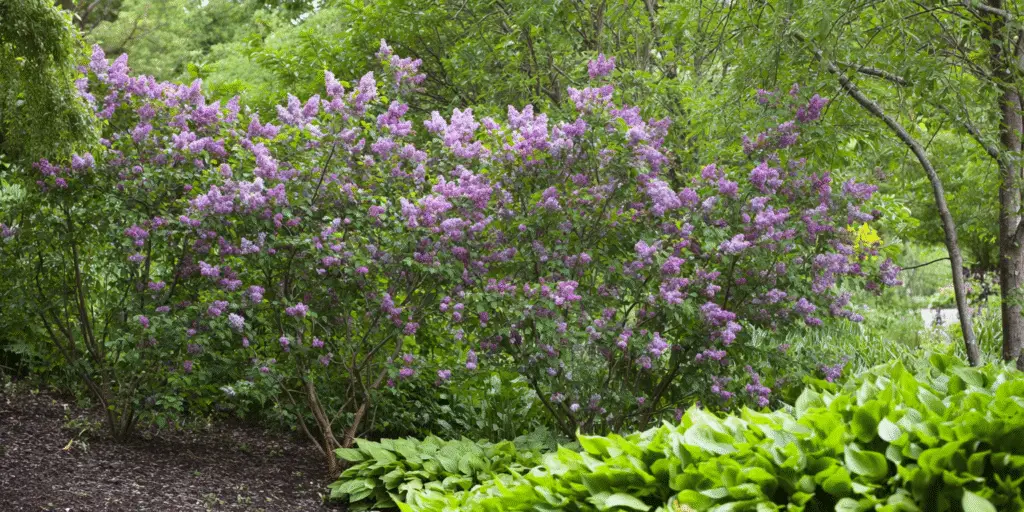
Hungarian lilac is a later‑blooming lilac with arching canes and slightly fragrant clusters. Flowers open lilac‑violet from late spring into early summer. Plants tolerate evenly moist soils better than many lilacs. Foliage is thicker in texture and the species is less susceptible to bacterial blight than common lilac. It suits hedges and mixed screens where a softer form and later bloom are desired.
At‑a‑glance
Group/Class: Hungarian lilac (species)
Height × spread: 5–10 ft × 8–12 ft (2.0–3.0 m × 2.4–3.7 m)
Bloom window: late spring to early summer
Color & flower form: lilac‑violet; loose panicles 4–7 in (10–18 cm)
Fragrance: 1 trace
USDA hardiness: zones 5–7
Origin: Central Europe (Hungary, Romania, Ukraine)
Pet safety: generally considered non‑toxic to dogs and cats
How it differs
Blooms later than common lilac.
Tolerates evenly moist sites better than many lilacs.
Leaves are thicker and more leathery than common lilac.
Less susceptible to bacterial blight than common lilac.
Strengths
Useful for informal hedges and screens.
Later bloom extends lilac season.
Handles damp, well‑drained soils.
Care in one minute
Grow in full sun; light shade reduces bloom.
Plant in evenly moist, well‑drained soil; avoid water‑logging.
Irrigate during establishment; mulch to conserve moisture.
Prune and deadhead right after flowering.
Renew oldest stems at the base on a 3‑ to 4‑year rotation.
Watch‑outs
Hardy mainly in zones 5 to 7; not for the coldest northern sites.
Powdery mildew and witches’ broom can occur.
Best bloom in full sun; avoid deep shade.
Best uses (tags)
screens, hedges, late season, pollinators
Provenance note
Native to Central Europe along rivers and wet valleys. Named in honor of Baroness Rosalia von Josika, who promoted it as a distinct species.