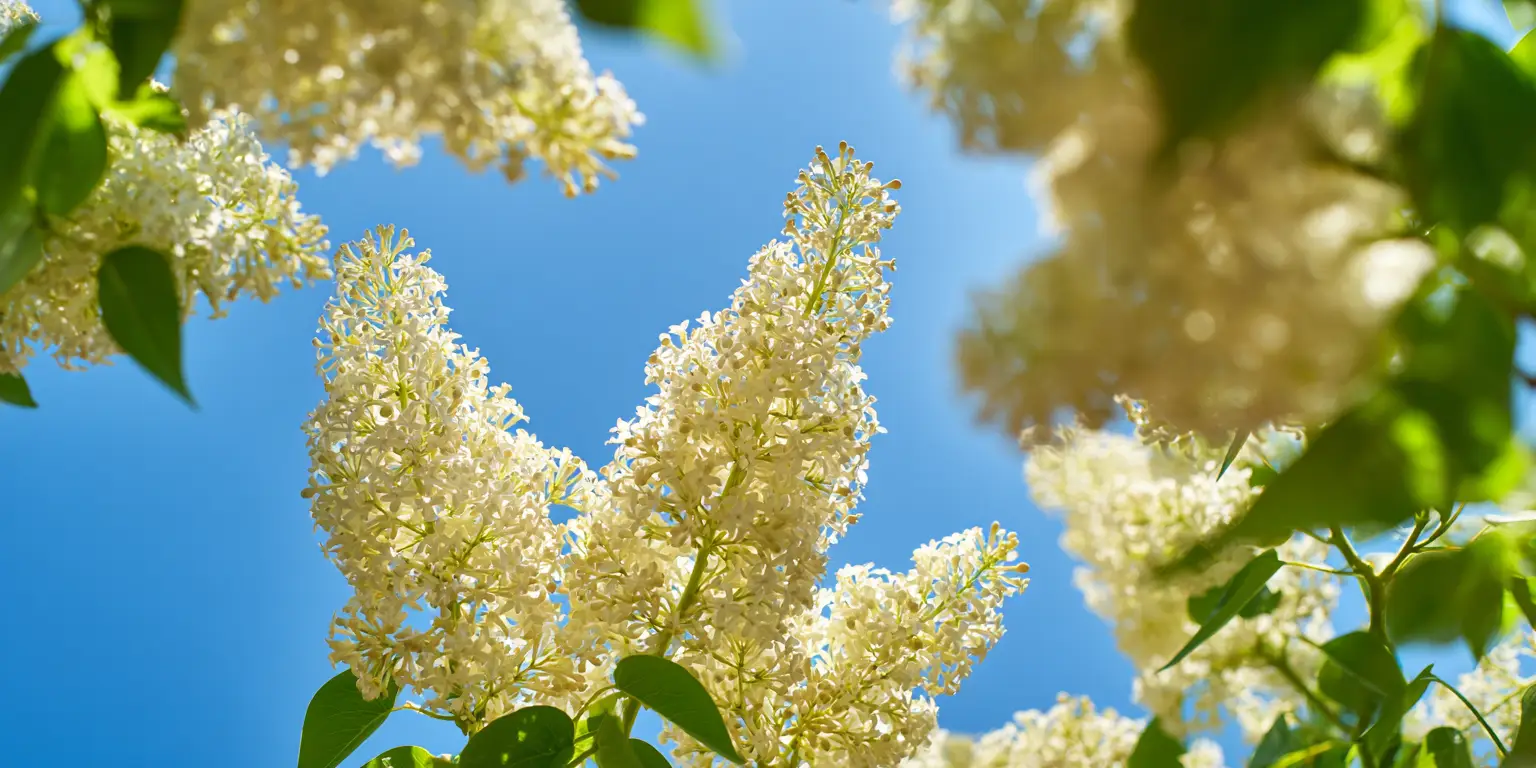
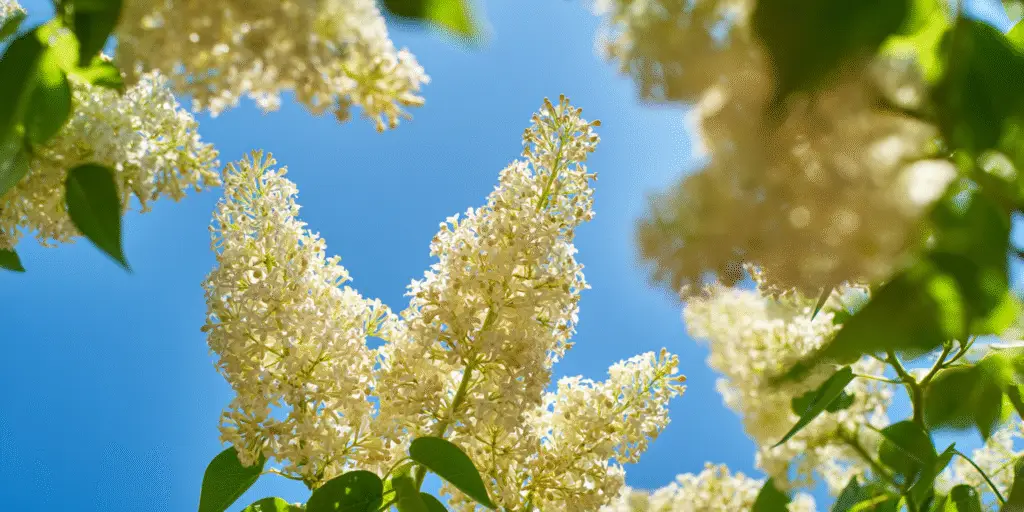
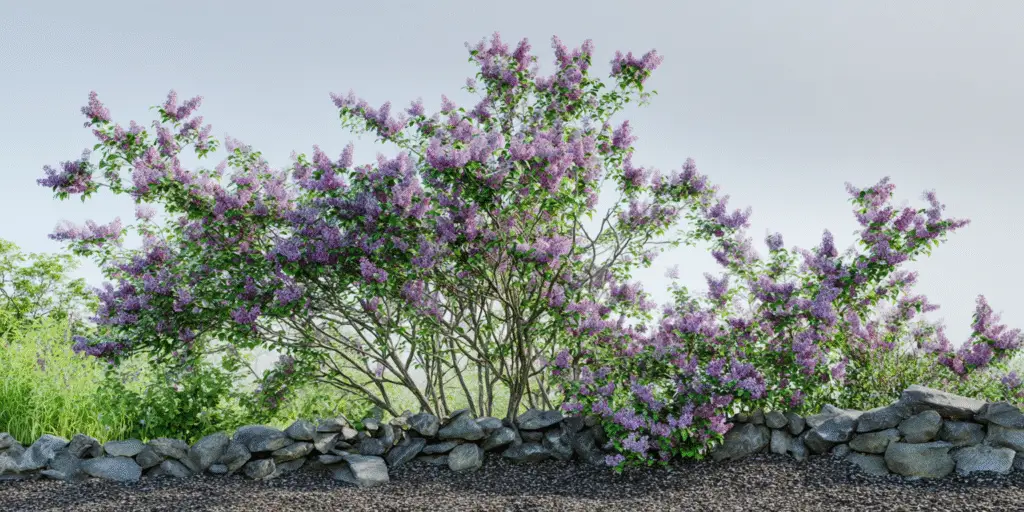
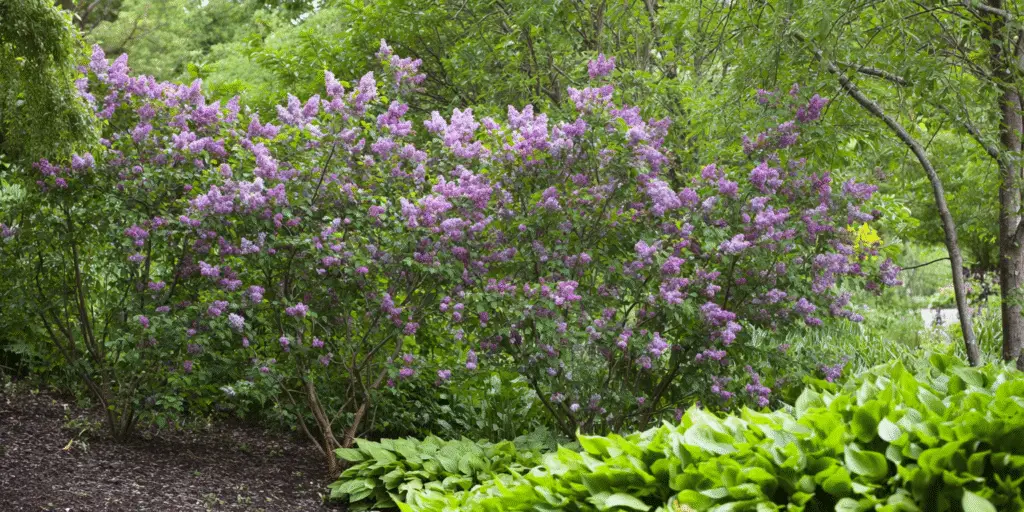
Japanese tree lilac is a small street‑worthy tree that extends the lilac season into early summer. It forms an oval crown with showy upright clusters of creamy white flowers. Bloom typically arrives in June after shrub lilacs finish. The scent is noticeable and musky, more like privet than common lilac. It tolerates urban soils, road salt, and drought once established. Use it where a compact flowering tree is needed under wires.
At‑a‑glance
Group/Class: Tree lilac
Height × spread: 20–30 ft × 15–20 ft (6.1–9.1 m × 4.6–6.1 m)
Bloom window: late spring to early summer
Color & flower form: creamy white; upright panicles 6–12 in (15–30 cm)
Fragrance: 2 noticeable
USDA hardiness: zones 3–7
Origin: Japan
Pet safety: generally considered non‑toxic to dogs and cats
How it differs
Tree form instead of a multi‑stem shrub.
Blooms later than common lilac by several weeks.
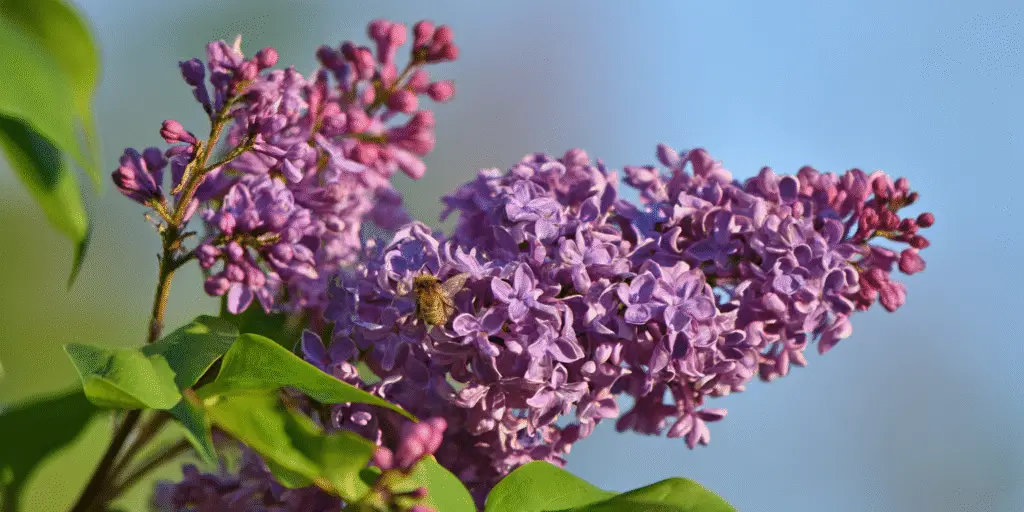
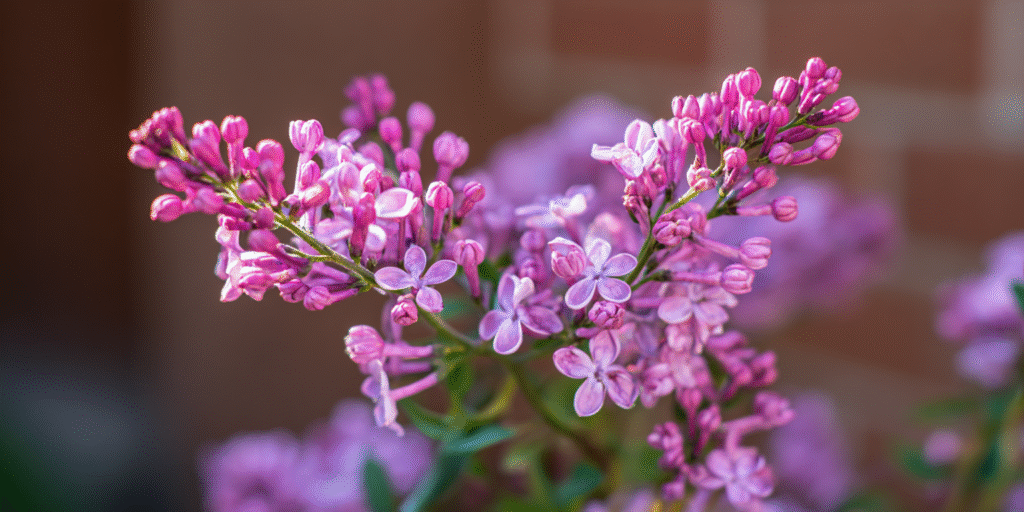
Flowers are creamy white, not lilac‑purple.
Privet‑like scent rather than the classic sweet lilac aroma.
Tolerates urban sites and road salt better than most lilacs.
Strengths
Good resistance to powdery mildew and borers.
Handles alkaline and clay soils once established.
Useful under utility lines due to controlled height.
Attractive bark with horizontal lenticels.
Care in one minute
Plant in full sun for best flowering.
Provide moist, well‑drained soil; tolerates a range once established.
Water regularly the first two years; then as needed.
Minimal feeding; mulch to conserve moisture and moderate soil temperature.
Prune lightly after bloom to shape; avoid heavy summer pruning.
Watch‑outs
Flower display lasts about two weeks.
Not the classic lilac fragrance.
Bacterial blight and leaf spots are possible in wet springs.
Best uses (tags)
street tree, specimen, under‑wire planting, late season, pollinators
Provenance note
Native to Japan and widely used in northern cities as a compact flowering street tree. Selections such as ‘Ivory Silk’ emphasize early and profuse bloom.