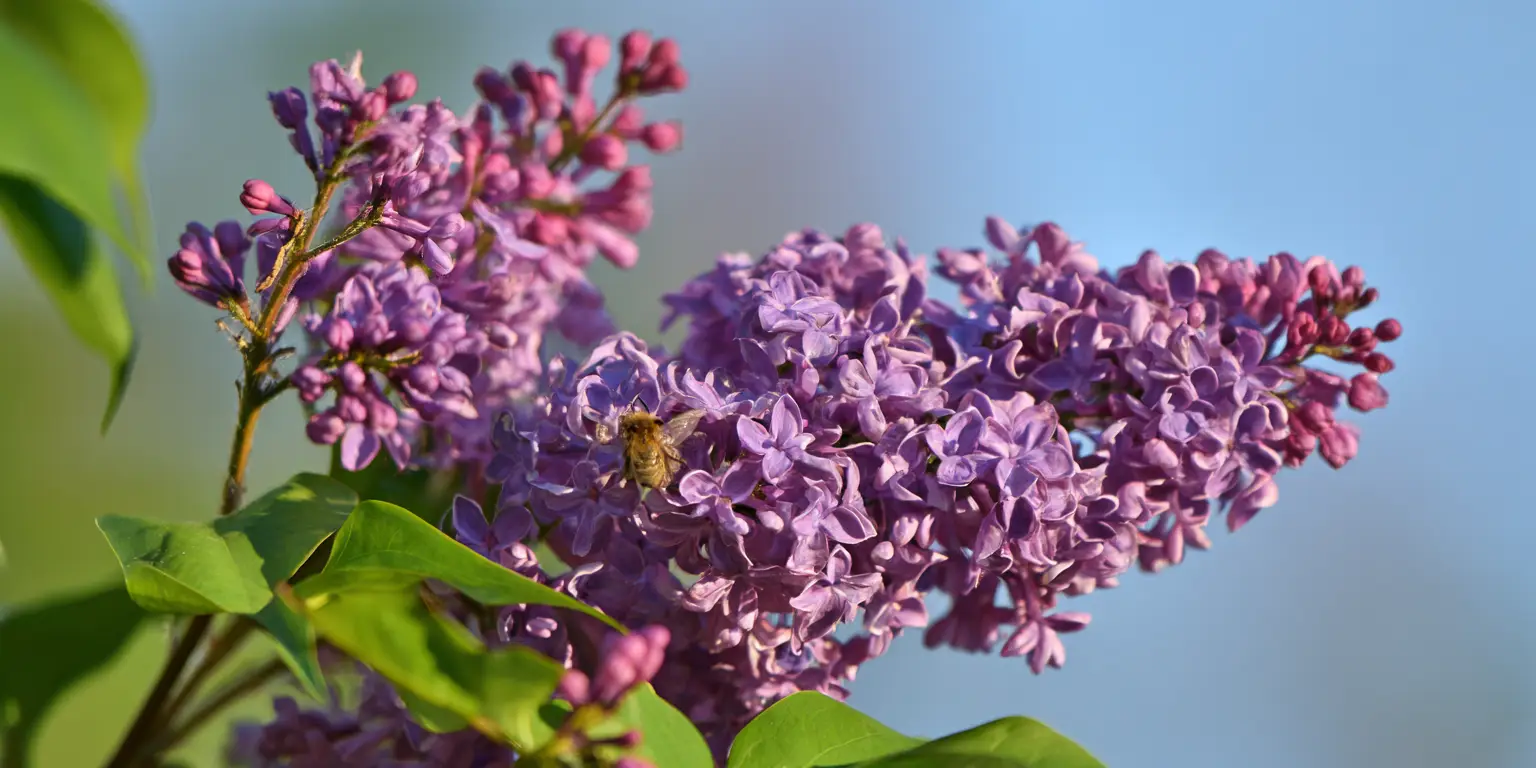
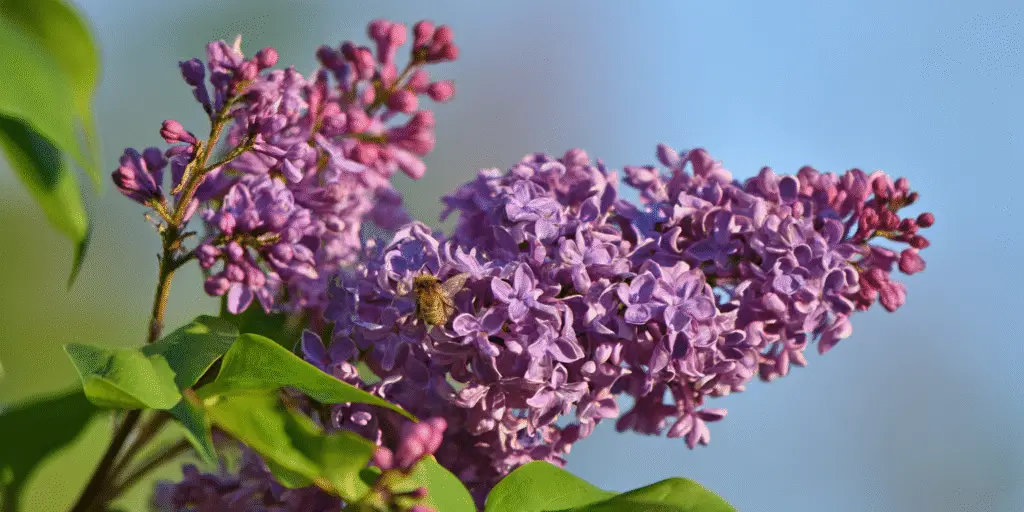
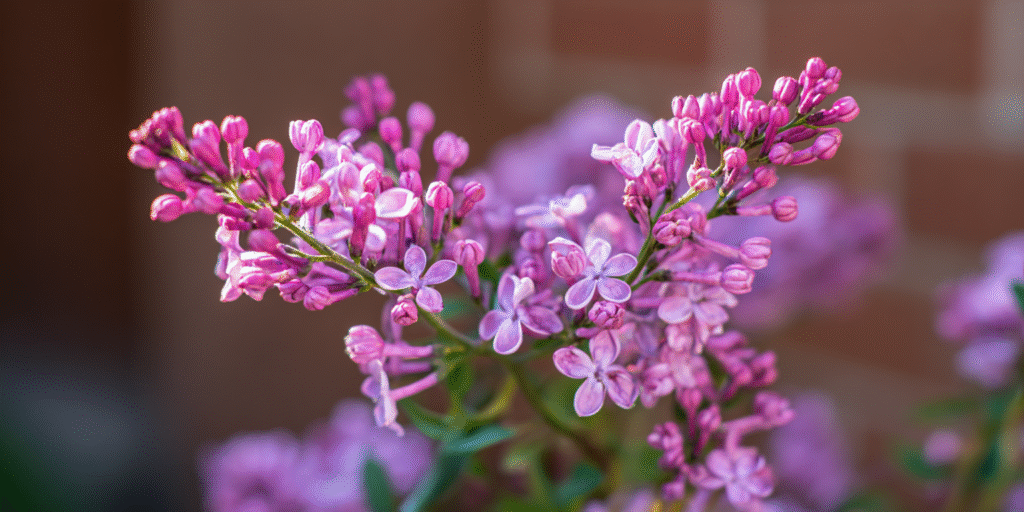
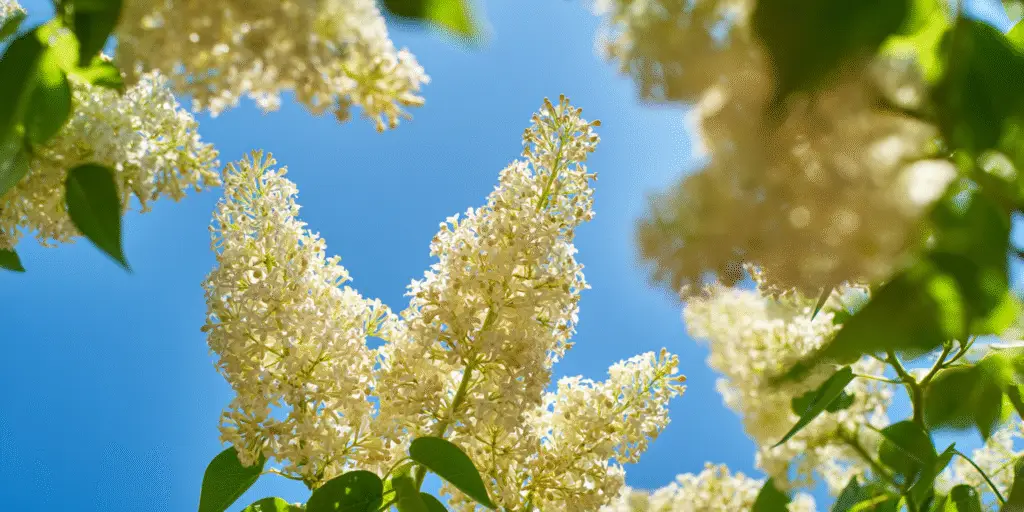
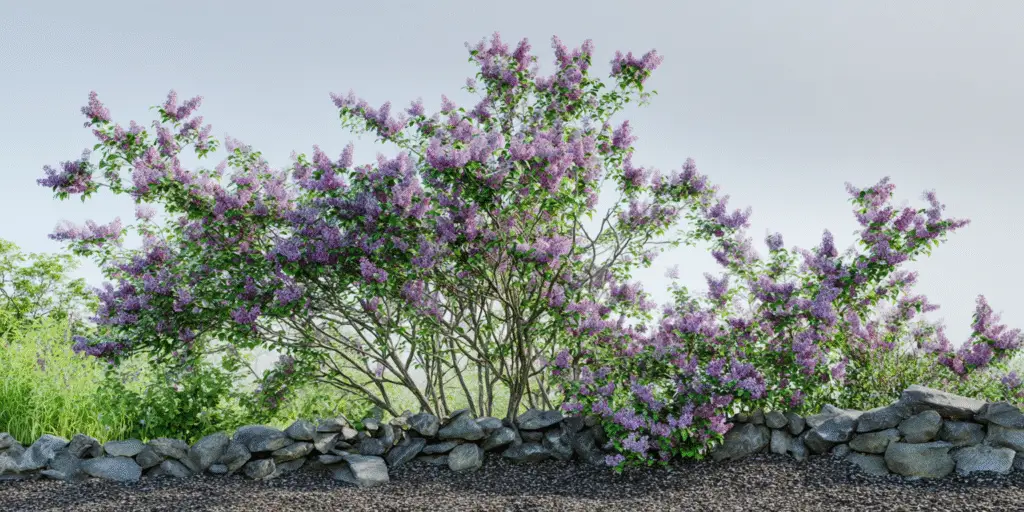
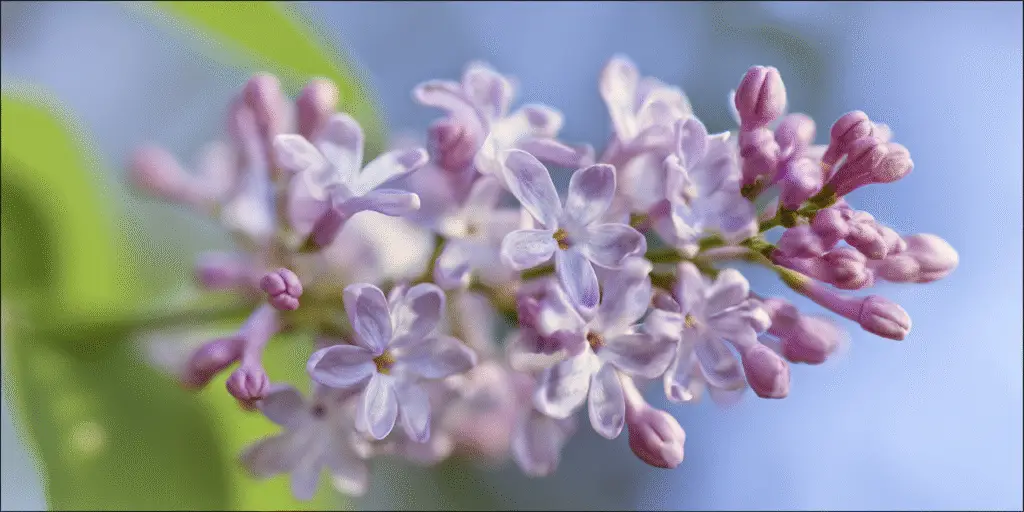
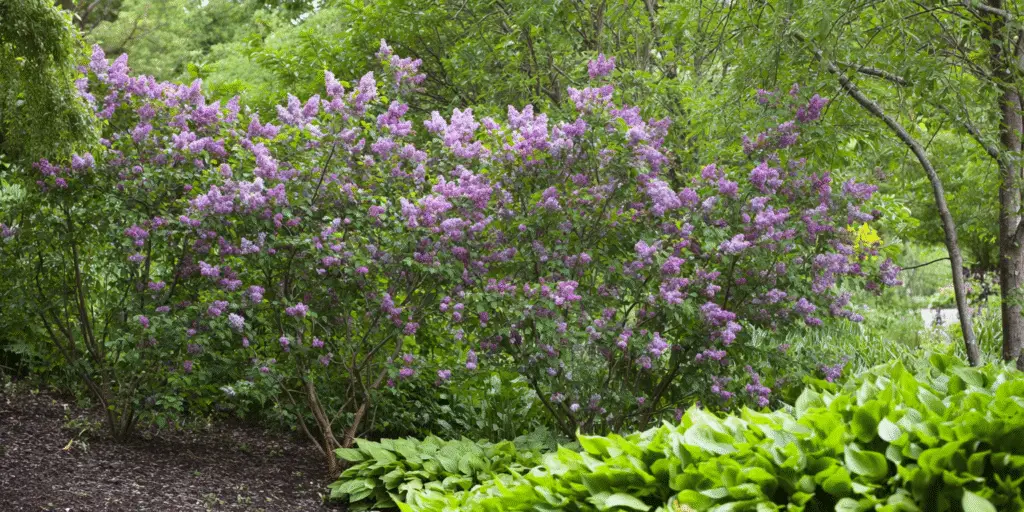
It is a multi‑stemmed, long‑lived lilac valued for very fragrant spring panicles. It performs best in regions with cold winters and cool summers. Peak bloom is mid to late spring. Plants are hardy across much of the northern U.S. and southern Canada. Foliage can show powdery mildew in summer in humid climates. Choose full sun and moving air for reliable bloom and cleaner leaves.
At‑a‑glance
Group/Class: Common lilac (species)
Height × spread: 12–16 ft × 8–12 ft (3.7–4.9 m × 2.4–3.7 m)
Bloom window: mid to late spring
Color & flower form: lilac to purple; conical panicles 6–8 in (15–20 cm)
Fragrance: 3 strong
USDA hardiness: zones 3–7
Origin: Southeastern Europe
Cut‑flower notes: woody stems; typical vase life 3–4 days after conditioning
Pet safety: generally considered non‑toxic to dogs and cats
How it differs
Sets the standard bloom timing for lilacs: mid to late spring.
Taller and broader than dwarf or compact lilacs.
Offers the widest color range among garden lilacs via cultivars.
Produces the strongest traditional lilac fragrance.
More prone to powdery mildew in humid summers than several other species.
Strengths
Very cold hardy for northern climates.
Abundant cultivar choice for color and form.
Good hedge or screen when suckers are managed.
Excellent cut‑flower fragrance.
Care in one minute
Site in full sun with at least 6 hours of direct light.
Plant in fertile, well‑drained soil; pH slightly acidic to slightly alkaline.
Water deeply in dry spells during the first two seasons; avoid soggy soil.
Feed sparingly in early spring if a soil test indicates need.
Deadhead spent panicles after bloom; prune immediately after flowering.
Thin oldest stems at the base every few years to improve air flow.
Watch‑outs
Can develop powdery mildew; ensure sun and air flow.
Requires winter chill; blooms are unreliable in warm Zone 8 and warmer.
May attract borers and leaf spot; monitor established shrubs.