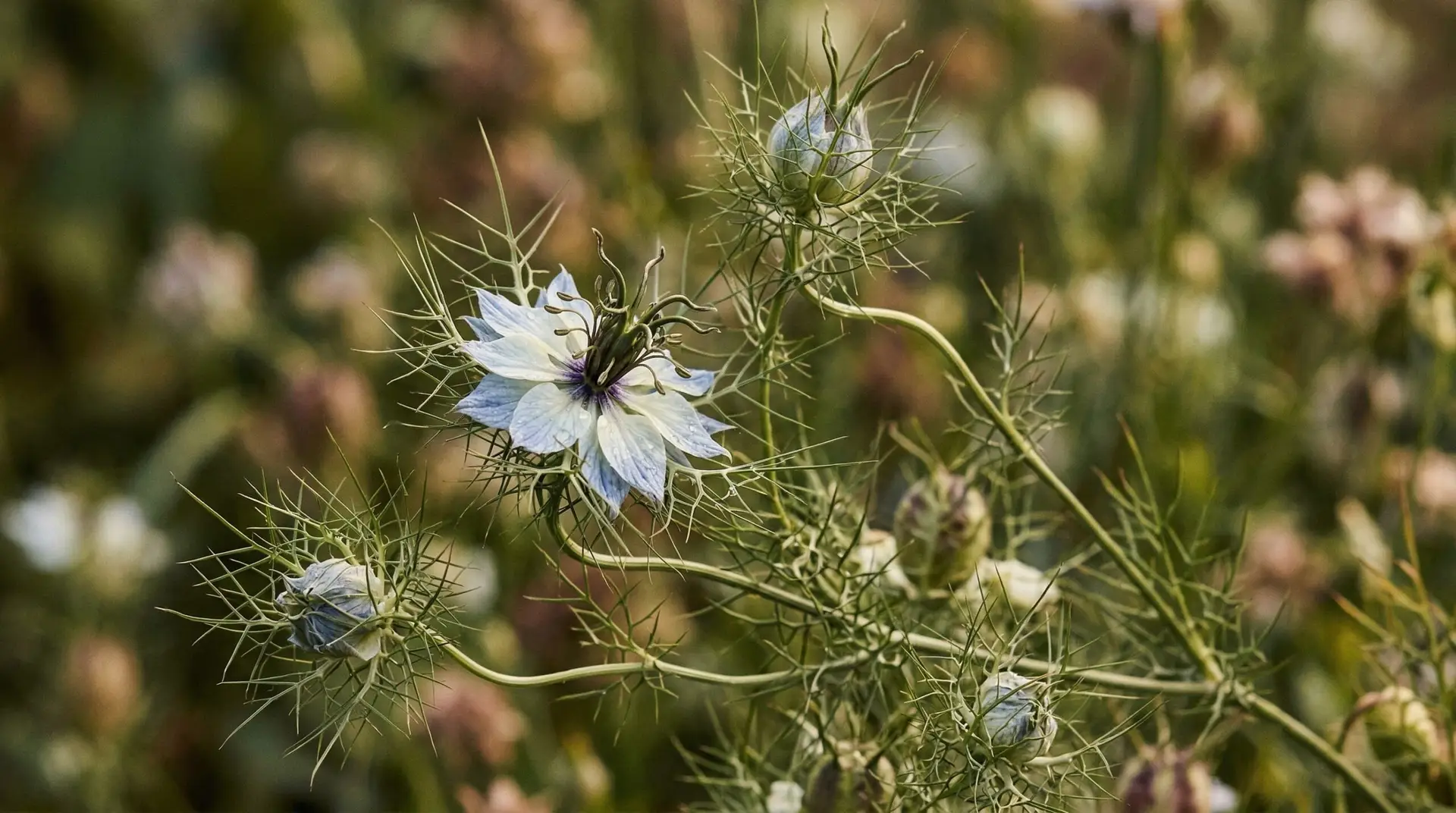
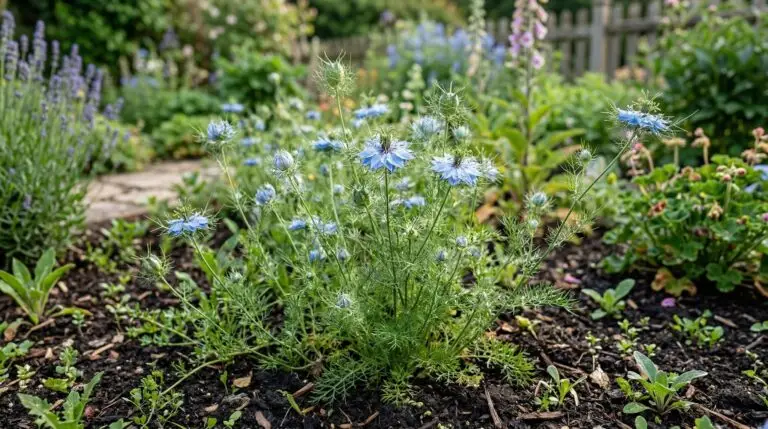
Nigella damascena arrived in English gardens from southern Europe and North Africa centuries ago, carrying a name that sounds like a whispered secret. The seeds are small, coal-black, and angular, looking more like fragments of crushed charcoal than the promise of a delicate flower. When you press these sharp little specks into the cool spring soil, you participate in a ritual that Elizabethan gardeners practiced. They waited, just as we do, for the feathery green shoots to emerge and create a dense, tangled cloud above the earth. Out of this green haze, a star-shaped blue flower eventually pushes its way into the light, half-hidden by its own leaves. This is how the plant earned its most enduring common name, capturing the exact visual experience of seeing the bloom trapped in its own botanical fog.
The love-in-a-mist meaning relies entirely on this physical structure, where the bracts form a cage of thread-like foliage around the petals. People looked at this arrangement and saw a metaphor for the confusing, obscured nature of romance. The flower seems to play a game of hide and seek with the sun, retreating behind its green veil whenever the wind shifts. Gardeners in the sixteenth century cultivated it for this exact sense of intrigue, planting it along gravel paths where visitors could stop and inspect the tangled blooms. It offered a different kind of romance than the bold, open face of a classic garden rose, which declares its intentions clearly. Nigella asks you to look closer, to part the foliage, and to decipher what is happening beneath the surface.
Contents 3 sections
A flower of two names and conflicting stories
The dual nature of this plant reveals itself in the folk names passed down through generations of gardeners. While the romantics saw love hiding in a mist, the pragmatists and the superstitious looked at the exact same botanical structure and called it devil-in-a-bush. The spiky, horned appearance of the seed pod, developing just behind the fading petals, gave the plant a slightly sinister edge in the minds of medieval observers. As the blue or white petals drop away in the late summer heat, the center of the flower swells into a papery, striped balloon crowned with sharp, curving horns. This physical transformation shifts the nigella meaning from innocent romance to something wilder and more unpredictable. The garden holds both stories at once, allowing the plant to be a symbol of delicate affection in June and a horned curiosity by August.
Understanding nigella symbolism requires following the plant through its entire growing season, watching how it changes its posture as the months pass. In the damp mornings of early summer, the mist of foliage holds heavy drops of dew, making the blue flowers look as though they are submerged in water. This is when the association with perplexity and entanglement feels most accurate, as the stems weave together into an inseparable mass. If you try to pull a single stem from the garden bed, you usually end up uprooting three or four neighbors along with it. The roots and stems bind to one another in a literal representation of complicated relationships, where nothing exists in isolation. It is easy to see why Victorian floriography dictionaries assigned this flower the meaning of perplexity, as untangling the stems requires patience and a gentle touch.
Decoding the Renaissance garden
Long before the Victorians codified flower meanings into strict dictionaries, Renaissance gardeners grew Nigella damascena for its visual poetry. They designed their garden beds as physical manuscripts, where every plant carried a specific message about the human condition. In these enclosed spaces, the tangled blue flower represented the confusion of the heart, a visual reminder that affection is rarely straightforward. Young lovers might exchange a pressed nigella bloom to communicate that they felt lost in their emotions or unsure of where they stood. This subtle communication contrasted with the clear, enduring loyalty expressed by handing someone a blue forget-me-not, which left no room for doubt. The nigella offered a way to express hesitation, mystery, and the beautiful confusion of early courtship without making a formal declaration.
The plant traveled across oceans with European settlers, bringing its quiet symbolism into early American gardens. Women carried the seeds in small paper envelopes, carefully preserving the black flecks to plant around their new doorsteps. They grew love-in-a-mist alongside medicinal herbs and vegetables, allowing the blue stars to self-seed among the practical crops. The flower required no special pampering, thriving in poor soil and surviving dry spells by simply producing its seeds faster. When the plants dried on the stem in autumn, settlers cut the stalks and brought them indoors to decorate their homes through the long winter. The papery seedpods retained their shape for months, turning a deep burgundy and brown, keeping the memory of the summer garden alive while snow covered the ground outside.
The quiet ritual of the autumn harvest
The story of love-in-a-mist always ends where it begins, with the swelling of the seedpods in the fading light of autumn. As September arrives, the romantic mist of green foliage turns brittle and brown, snapping easily between your fingers. The balloon-like pods dry out completely, and if you shake them, they rattle like tiny maracas in the wind. This is the moment when the gardener steps in to harvest, cracking open the papery chambers to reveal the neat rows of black seeds resting inside. You pour them into your hand, feeling their sharp edges, and realize that a single plant has produced hundreds of offspring. The mystery of the summer bloom is replaced by the sheer mathematical abundance of the autumn harvest, ensuring the cycle will repeat.
Leaving a few pods on the stalks allows the plant to write its own story in the garden for the following year. The winter winds eventually break the dry stems, scattering the black seeds across the frozen soil where they wait out the cold. When the spring rains return, warming the earth, a new generation of feathery green shoots will break the surface. You will walk out one morning in late May and find the mist has returned to the garden borders, thick and tangled as ever. Soon after, the pale blue stars will open inside their green cages, inviting you to look closely once again. The mystery remains intact, blooming quietly in the corner of the yard, waiting for anyone willing to pause and decipher its meaning.
More About Love in a Mist

Nigella seeds in the spice world and the culinary history of black cumin
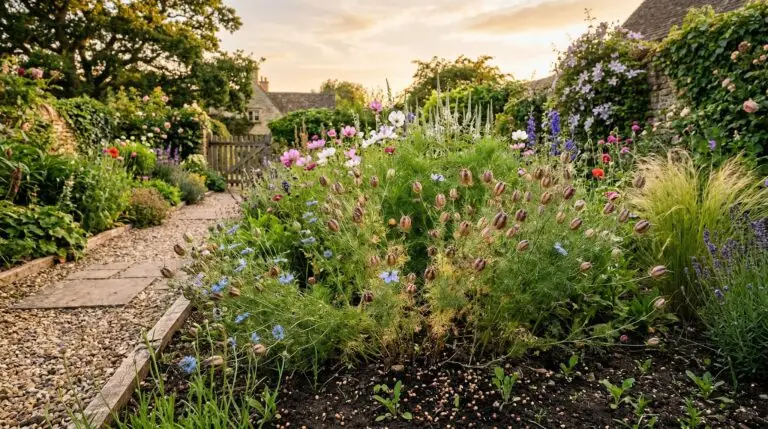
Love-in-a-mist as a self-sowing annual that creates a cottage garden on autopilot
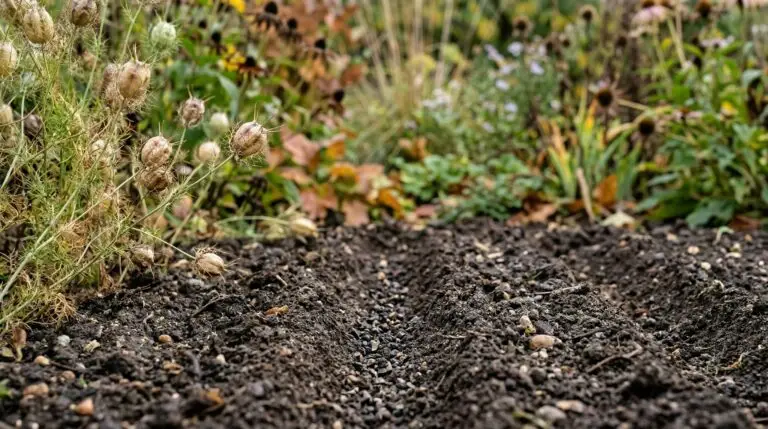
Growing love-in-a-mist from seed with the simple scatter and forget method
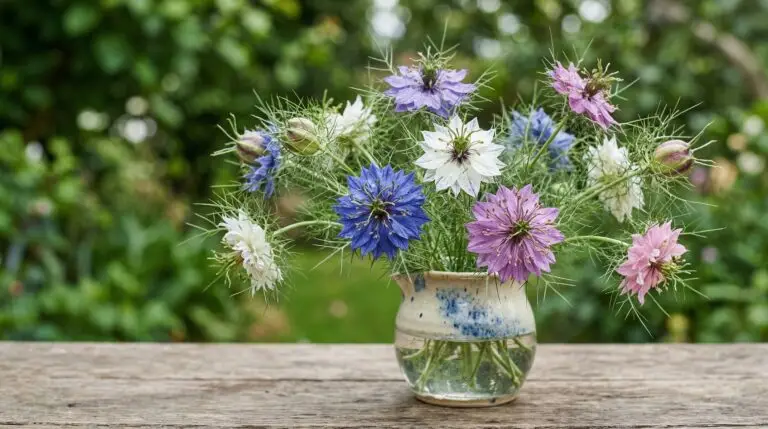
Best love-in-a-mist varieties from classic Persian Jewels to double Albion Green Pod
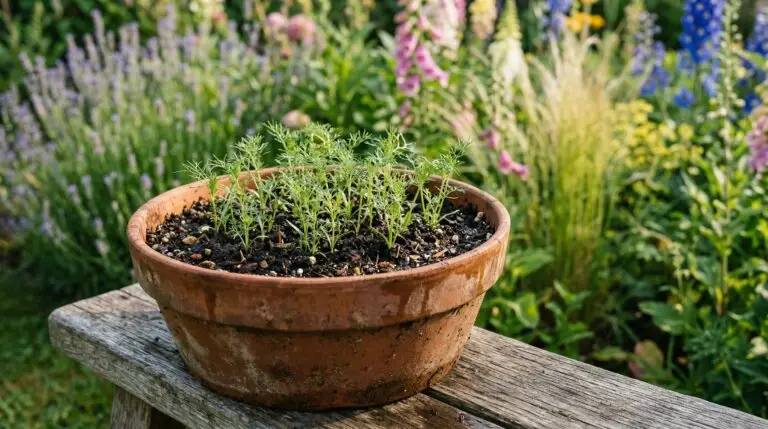
Love-in-a-mist in containers for a feathery cottage feel on balconies and windowsills
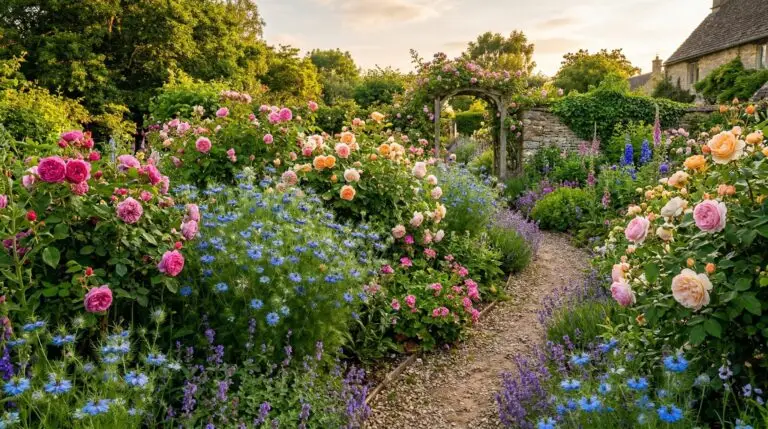
Companion plants for love-in-a-mist: what to grow and avoid
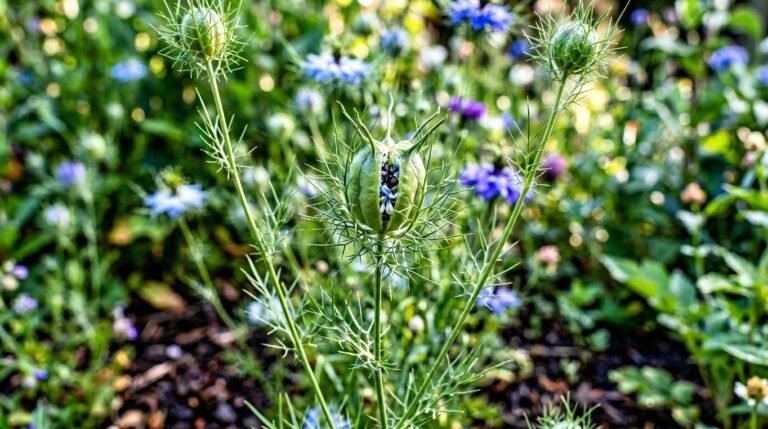
Love-in-a-mist as a delicate cut flower for wildflower-style bouquets and arrangements
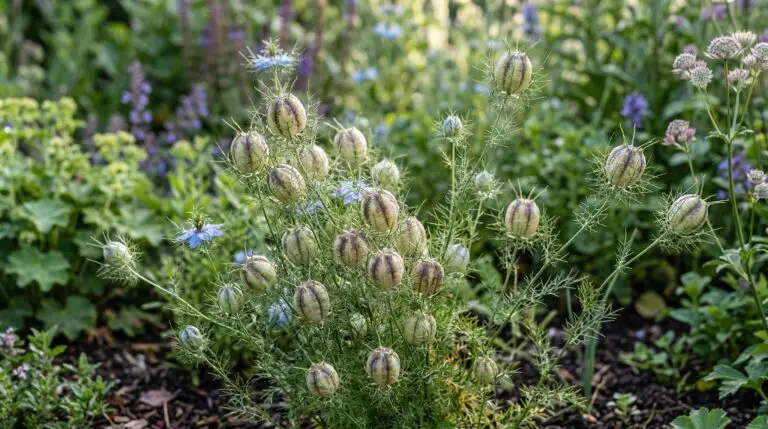
Love-in-a-mist seed pods that are as beautiful as the flowers and perfect for drying
How to grow love-in-a-mist for ethereal blue flowers and dramatic seed pods
Enjoying our flower guides? Add YourFlowersGuide as a preferred source on Google. It helps more readers find us.
Add to Preferred Sources