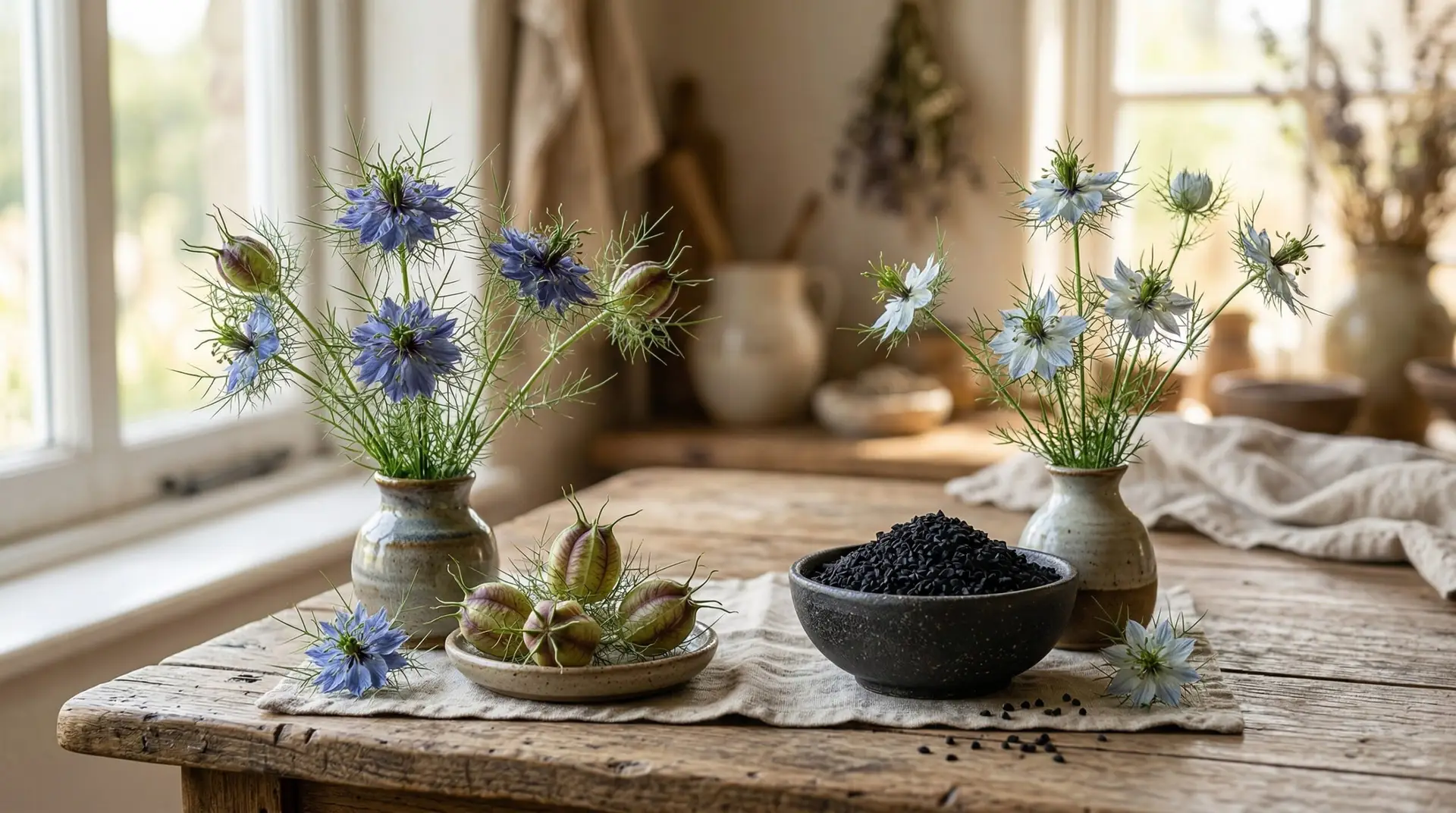
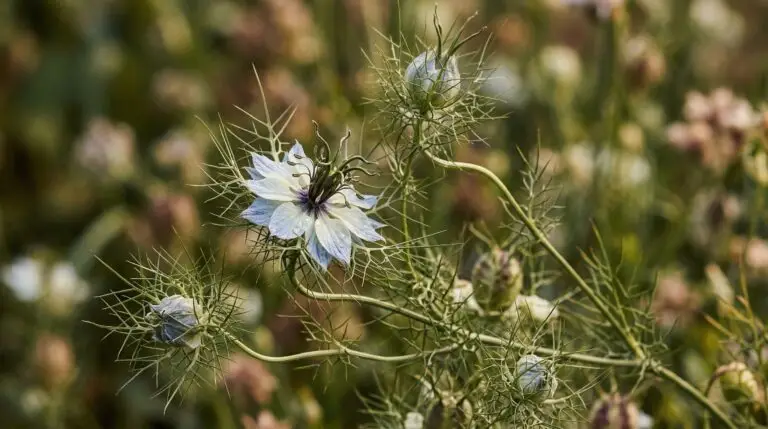
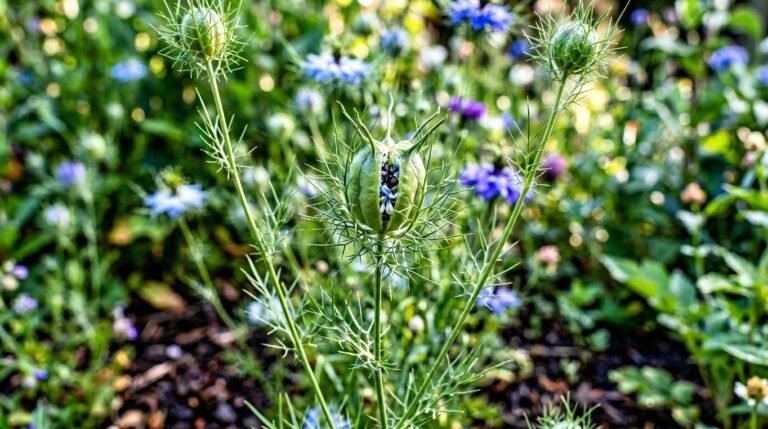
One of the first things gardeners ask when they start growing Love-in-a-Mist is whether they can eat the seeds produced by those balloon-like pods. The short answer requires a very clear distinction between two closely related plants. The beautiful blue flower thriving in your garden is almost certainly Nigella damascena, which is grown purely for its ornamental value and is not meant for the kitchen. The plant you actually want for cooking is Nigella sativa, a slightly less showy cousin that produces the famous nigella seeds spice used around the world. While both plants share the common name of fennel flower and produce similar black seeds, only the sativa variety belongs in your spice cabinet. People often confuse the two because the seed pods look nearly identical once they dry on the stalk in late summer.
The natural follow-up question is what exactly these culinary seeds taste like and why they are so highly prized in the kitchen. If you bite into a raw seed of Nigella sativa, you will experience a complex flavor profile that hints at toasted onions, oregano, and black pepper. This unique combination of savory notes is why it is frequently mislabeled in Western markets as black cumin or onion seed. The flavor is sharp and metallic when raw but transforms into a rich, nutty taste when subjected to heat. Cooks quickly learn that these little black seeds carry an intense aroma that can easily overpower a dish if used too heavily. You only need a small pinch to impart a deep, earthy flavor to breads and vegetable dishes.
Contents 3 sections
Culinary traditions from the Middle East to India
This leads to something many growers wonder about when they finally get their hands on true kalonji spice and want to know how to use it authentically. In Indian cuisine, these seeds are most famous as one of the five ingredients in panch phoran, a whole-spice blend used heavily in Bengali cooking. You have likely encountered them even if you did not know their name, as they are the classic black specks found baked into the surface of fresh naan bread. Middle Eastern bakers also rely on them to flavor flatbreads, string cheeses, and savory pastries. The seeds are traditionally dry-roasted in a pan or fried briefly in hot oil or ghee before being added to a recipe. This tempering process releases their essential oils and mellows the sharp pepperiness into a warm, savory background note.
By the way, many people do not realize that the way you store these seeds drastically affects their culinary performance over time. Because they contain a high concentration of volatile oils, they will lose their signature pungency if left sitting in a clear glass jar on a sunny kitchen counter. You should keep them in an airtight container in a dark cupboard just like you would treat dried lavender intended for baking. Whole seeds will retain their flavor for up to two years, but you should never buy them pre-ground. The moment the hard outer shell is cracked, the oils begin to oxidize and the complex onion flavor turns stale and bitter within weeks. Crushing them gently in a mortar and pestle right before cooking is the best way to extract their full potential.
Historical uses and ancient health claims
Once people start cooking with black cumin, they often ask why historical texts treat this simple ingredient with such profound reverence. The plant has a massive historical footprint in traditional medicine systems across the Middle East and Asia. Ancient Egyptian pharaohs valued the seeds enough to have them placed in their tombs, and Islamic literature famously describes them as a remedy for every disease except death. Traditional healers pressed the seeds to extract a thick, dark oil that was used topically for skin conditions and ingested for digestive troubles. Much like the historical medicinal uses of the chrysanthemum in Eastern traditions, nigella was viewed as a foundational plant for maintaining general vitality. Modern science has identified an active compound in the seeds called thymoquinone, which explains why the plant held such a prominent place in ancient apothecaries.
A common point of confusion arises when cooks try to substitute other spices when a recipe specifically calls for kalonji. Because of the confusing black cumin and black caraway nicknames, people often try to use standard cumin seeds or regular caraway seeds as a replacement. This substitution completely changes the flavor profile of the dish because true cumin is earthy and warm while nigella is sharp and onion-like. If you find yourself without the genuine article, you are actually better off using a mixture of dried oregano and a dash of black pepper to mimic the savory bite. Black sesame seeds might look visually identical as a bread topping, but they provide only a mild nuttiness rather than the robust punch of true nigella. Understanding these subtle differences is exactly what elevates a basic home cook into someone who truly understands how to use aromatic herbs and spices.
Growing the culinary variety at home
A final question you might not have considered is whether you can simply grow the culinary Nigella sativa in your backyard alongside your ornamental flowers. The answer is an enthusiastic yes, though you have to adjust your expectations regarding the visual display in your garden beds. The sativa variety produces much smaller, paler flowers than the bright blue blooms of the ornamental type, usually appearing in muted shades of white or pale blue. The plants require the exact same growing conditions, preferring full sun and well-draining soil to produce a healthy crop of seed pods. You just need to be careful to plant them far away from your ornamental varieties to prevent cross-pollination if you plan to save the seeds for next year. Harvesting your own crop of this ancient spice is incredibly rewarding and gives you a direct connection to a culinary tradition stretching back thousands of years.
More About Love in a Mist
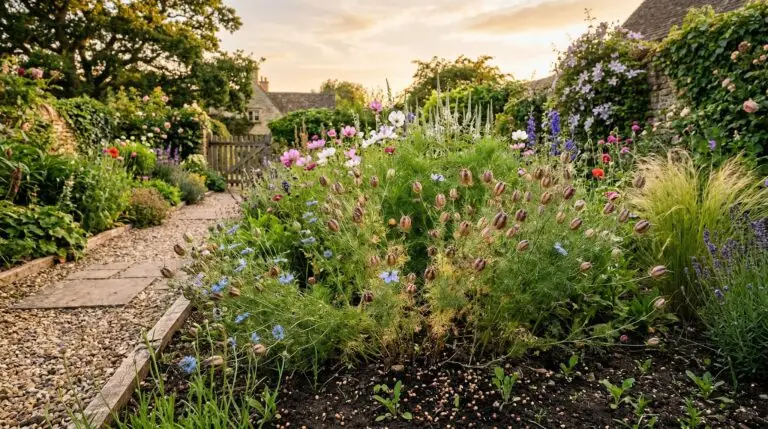
Love-in-a-mist as a self-sowing annual that creates a cottage garden on autopilot
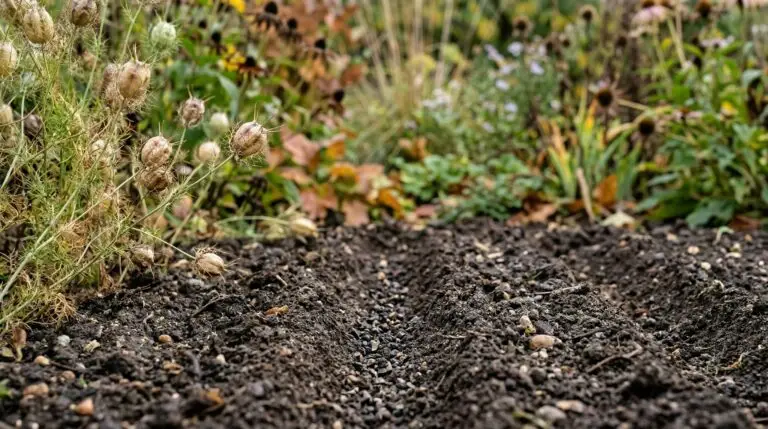
Growing love-in-a-mist from seed with the simple scatter and forget method
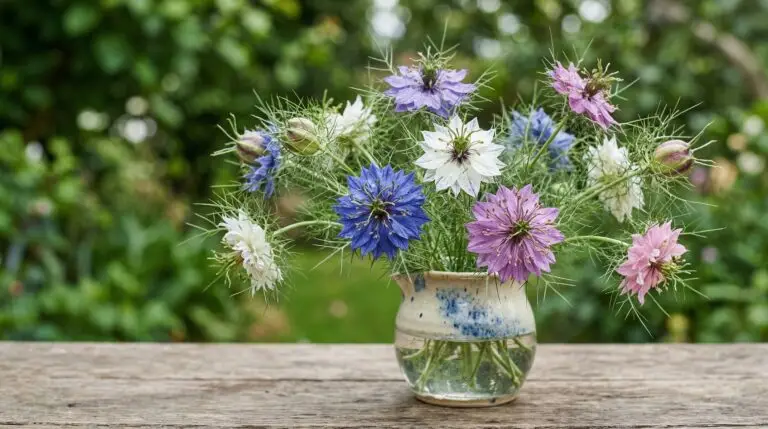
Best love-in-a-mist varieties from classic Persian Jewels to double Albion Green Pod
Love-in-a-mist in containers for a feathery cottage feel on balconies and windowsills
Companion plants for love-in-a-mist: what to grow and avoid
Love-in-a-mist flower meaning and the romantic mystery behind this enchanting bloom
Love-in-a-mist as a delicate cut flower for wildflower-style bouquets and arrangements
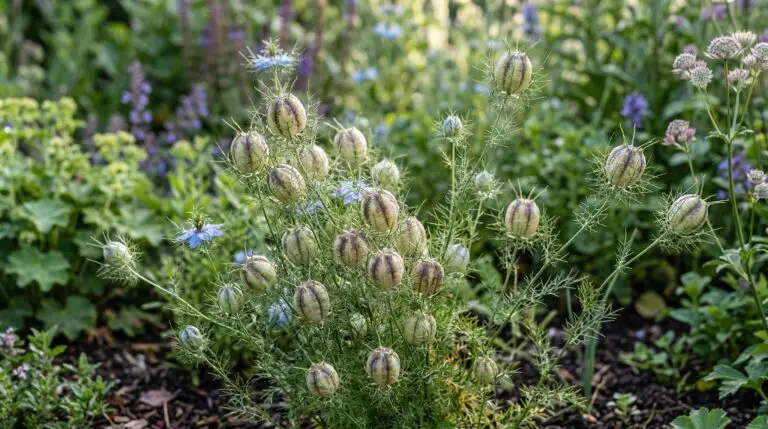
Love-in-a-mist seed pods that are as beautiful as the flowers and perfect for drying
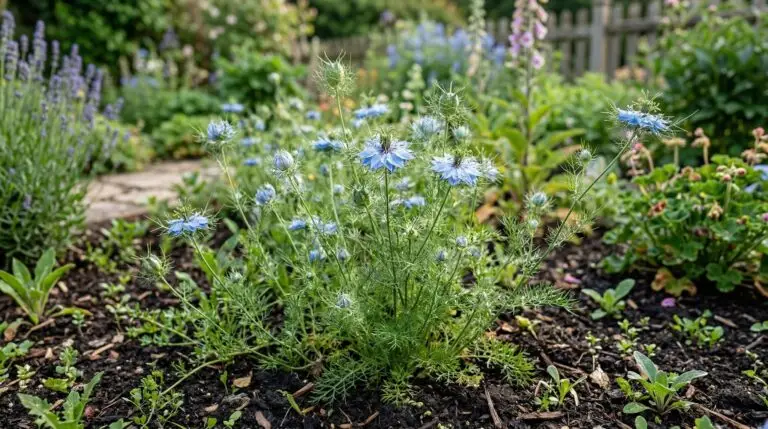
How to grow love-in-a-mist for ethereal blue flowers and dramatic seed pods
Enjoying our flower guides? Add YourFlowersGuide as a preferred source on Google. It helps more readers find us.
Add to Preferred Sources