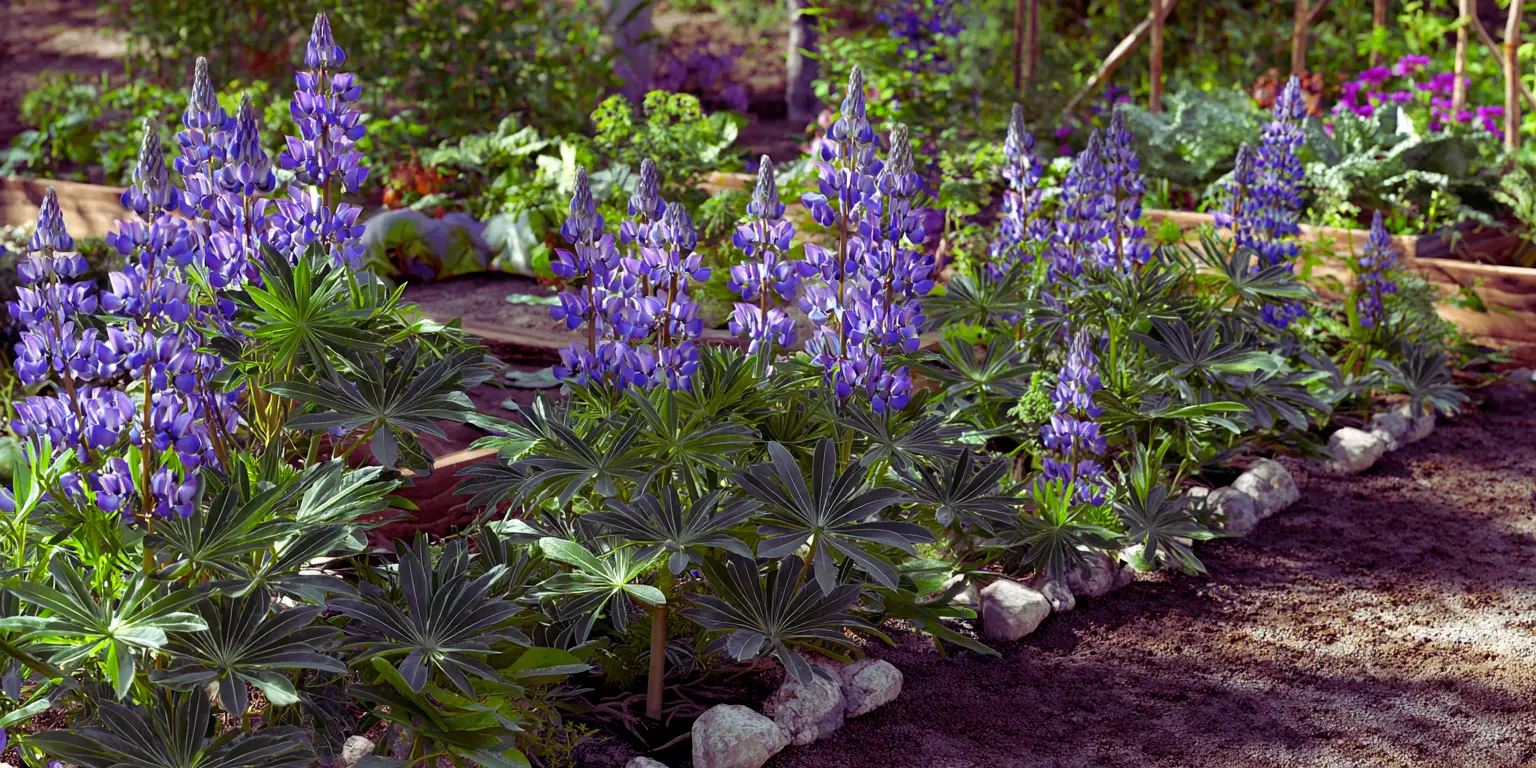
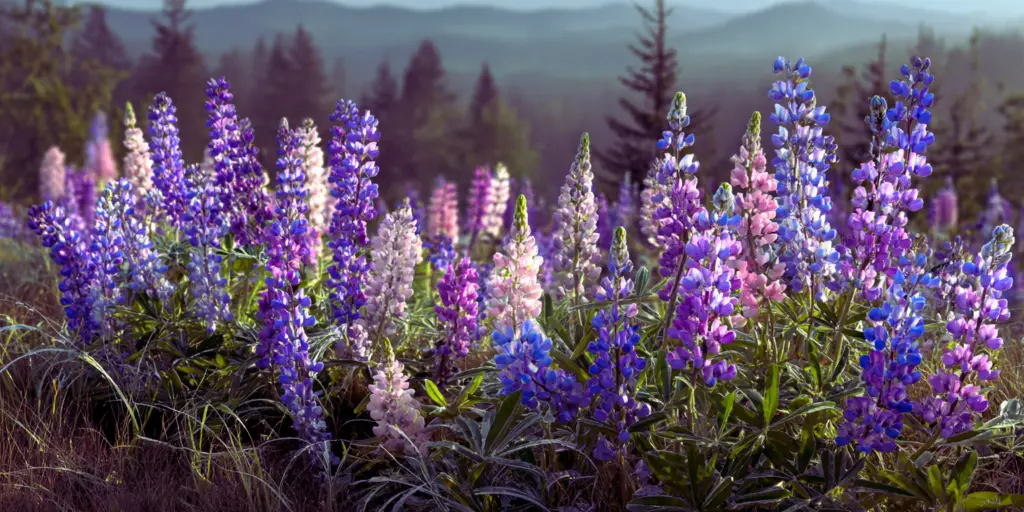
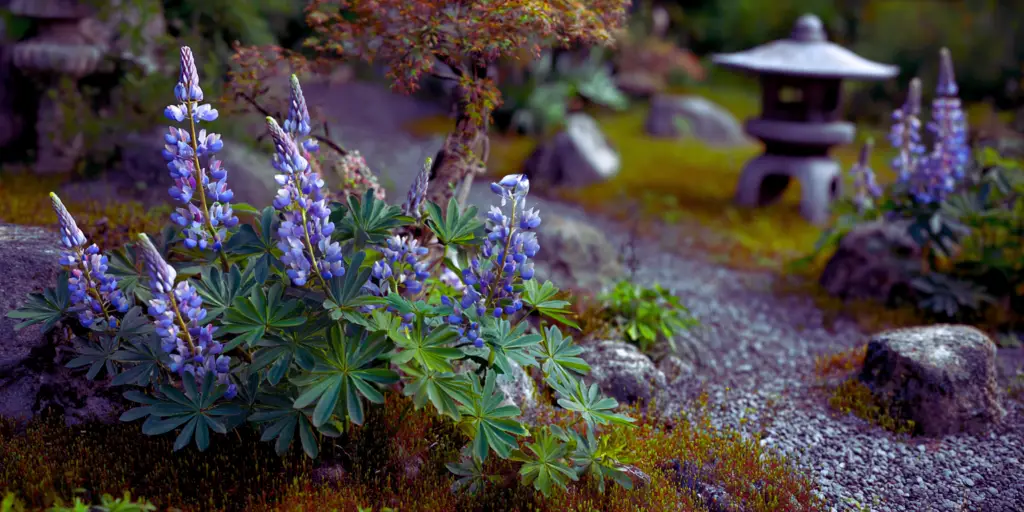
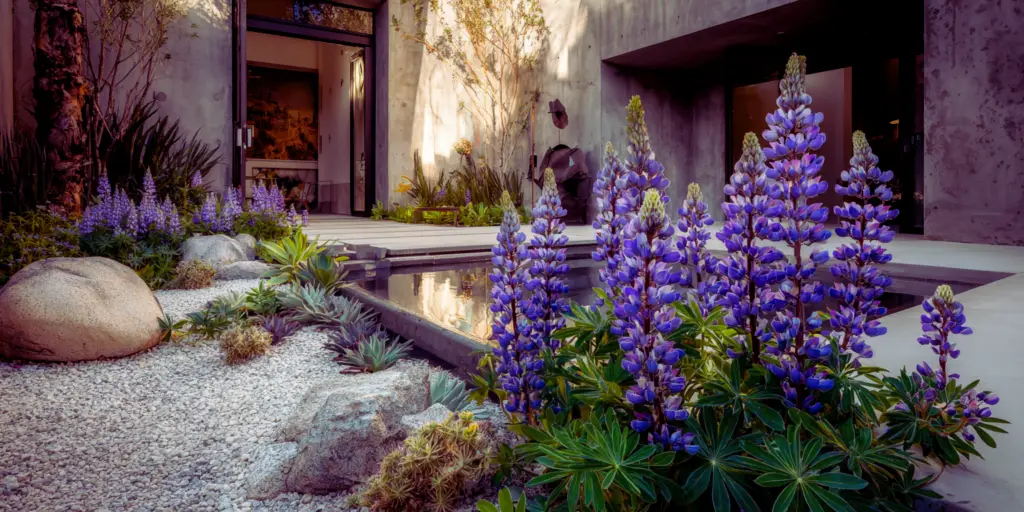
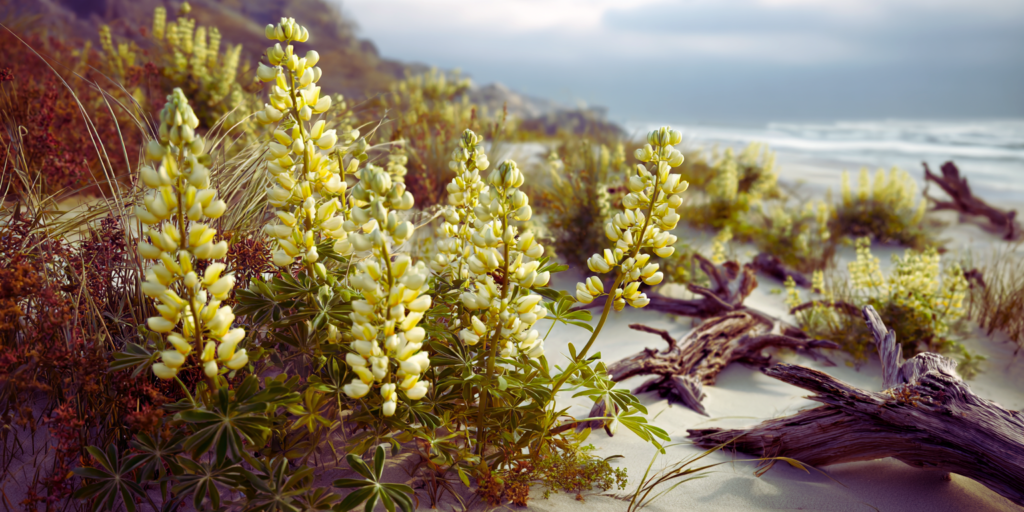
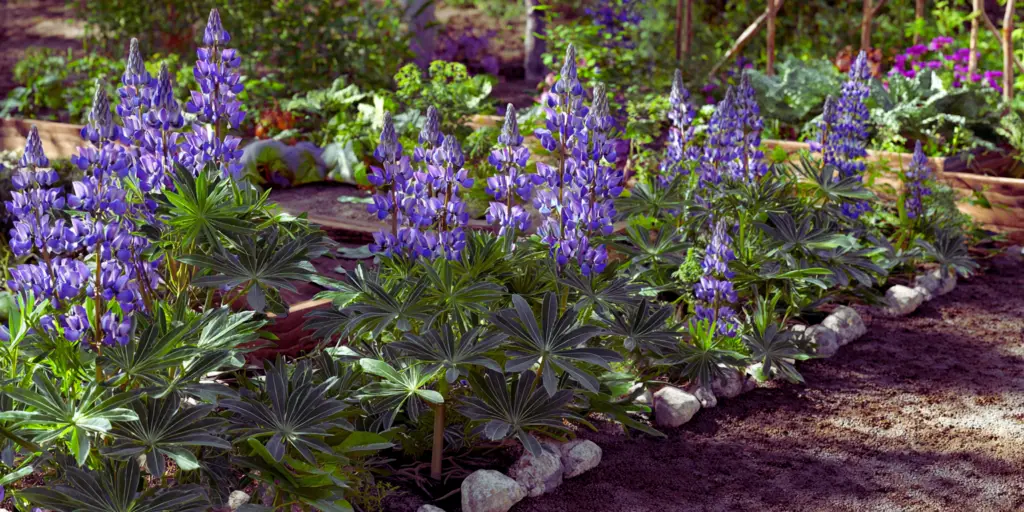
Arroyo lupine is a robust California annual that thrives with winter and spring moisture. It stands out for its ability to handle heavier soils compared with many lupines. Plants grow quickly in full sun and flower from late winter to spring in mild climates. It is reliable from seed for wildflower mixes, habitat gardens, and temporary cover. Reseeding maintains stands where bare soil is left after seed drop.
At‑a‑glance
Group/Class: Annual wildflower
Height × spread: 2-4 ft (0.6-1.2 m) × 2-3 ft (0.6-0.9 m)
Bloom window: February to May
Color & flower form: Purple to blue pea flowers on upright racemes; occasional pink or white
Fragrance: 2 noticeable
USDA hardiness: grown as annual in most regions
Breeder / Year / Origin: unknown, unknown, USA (California)
Pet safety: avoid
How it differs
Tolerates heavier or clay-leaning soils better than many lupines
Taller annual with vigorous, leafy growth
Blooms earlier than border lupines in mild winter areas
Useful in wildflower mixes for quick cover
Strengths
Germinates readily and grows fast
Handles occasional irrigation better than many annual lupines
Provides nectar for bees and other pollinators
Reseeds where soil is left open
Care in one minute
Site: Full sun in open areas
Soil and pH: Well-drained to clay-loam soils; neutral to slightly alkaline
Planting: Direct sow in fall in mild zones or very early spring elsewhere; press seed into soil
Watering: Keep evenly moist for establishment; reduce water as heat arrives
Feeding: Not needed; avoid rich amendments
Grooming: Allow pods to mature for reseeding; remove spent stalks as needed
Watch‑outs
Short season annual; remove spent plants after seed drop if reseeding is not wanted
Written by: Your Flowers Guide editorial team We are a small independent group of flower lovers who research and review each guide using trusted horticultural and educational sources. Learn more about us