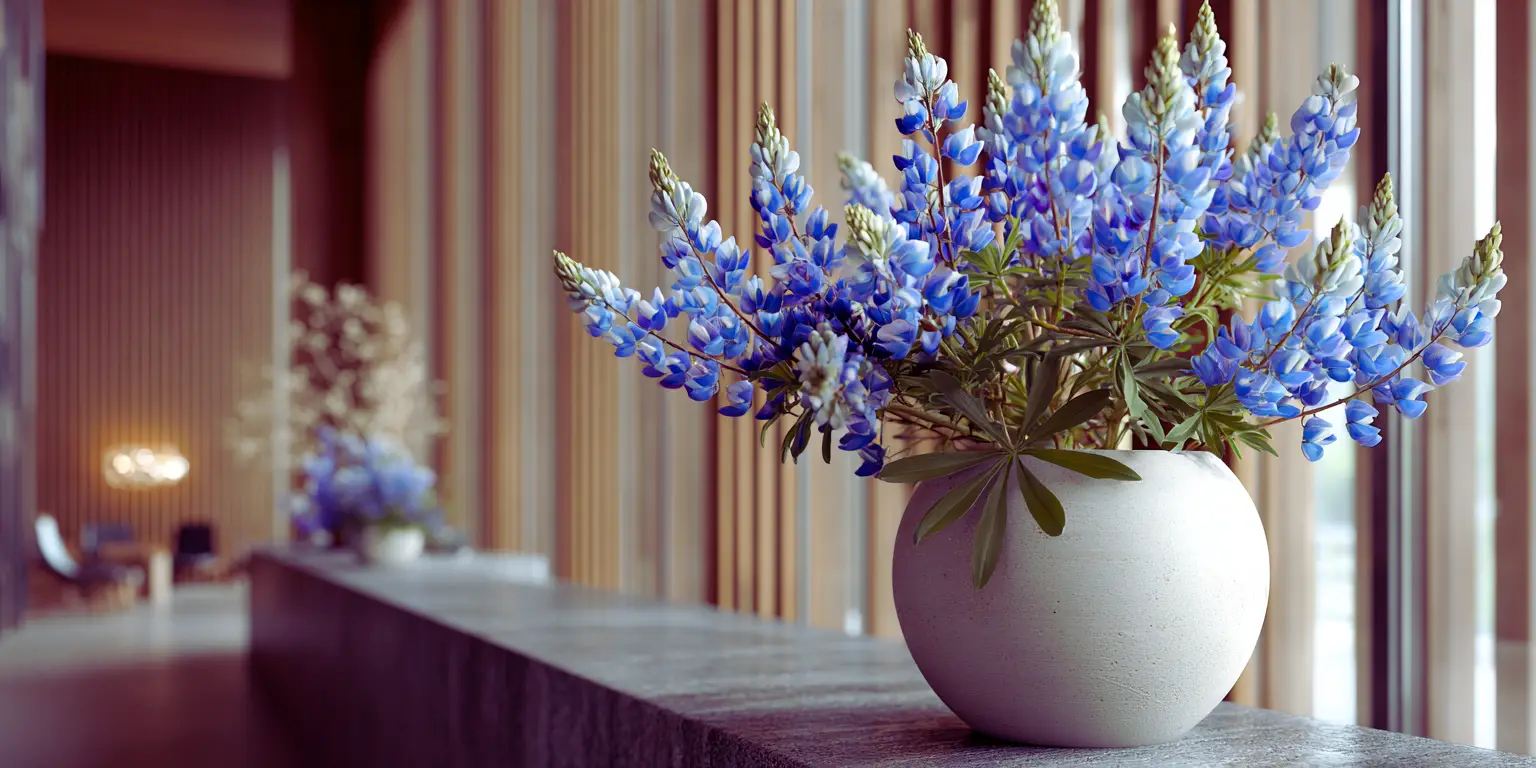
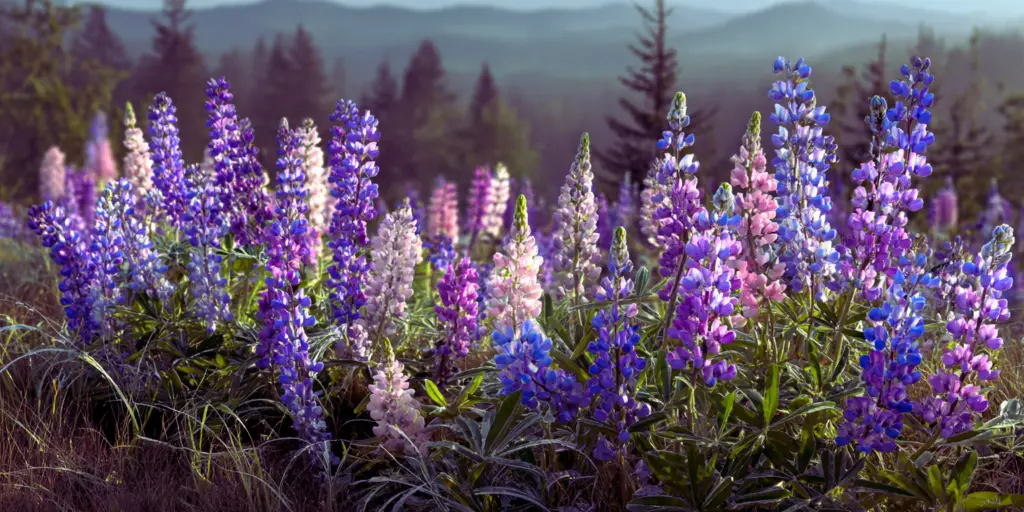
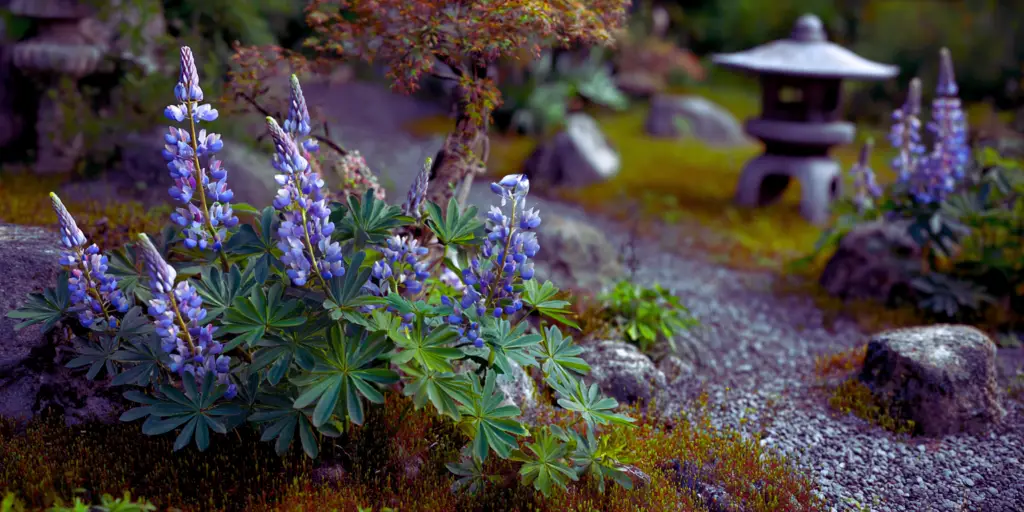
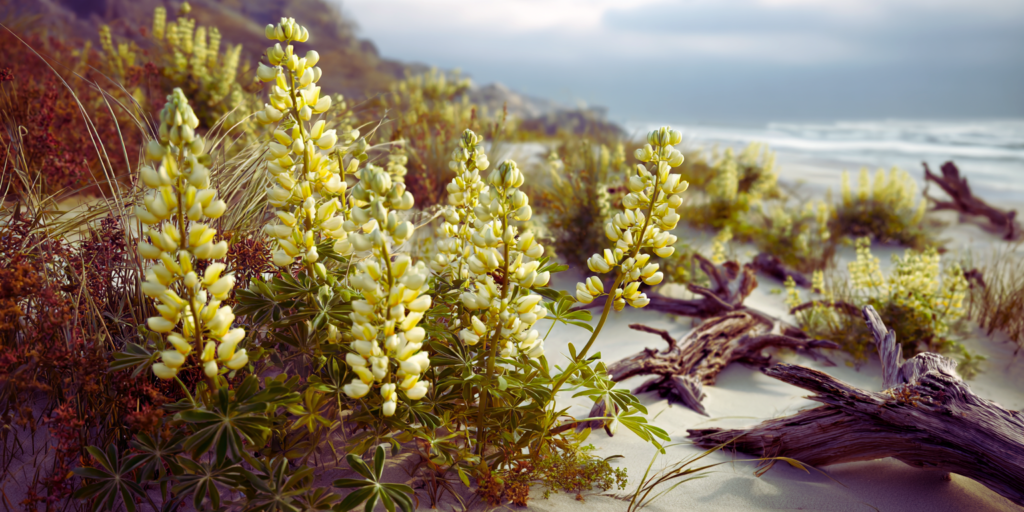
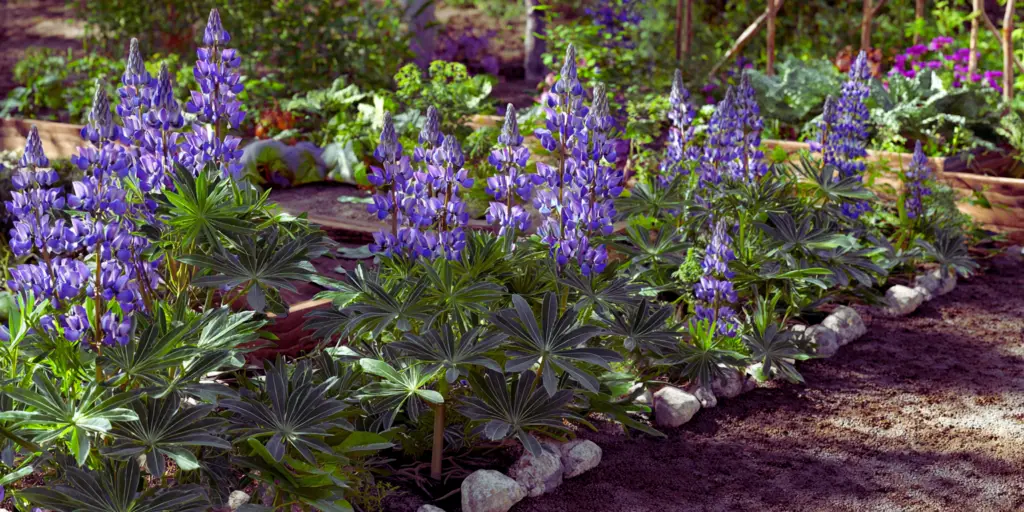
Texas bluebonnet is a cool-season annual native to Texas and nearby states. It is prized for dense blue spikes with a white banner and for massed spring displays. It performs best when fall-sown in full sun on alkaline, well-drained soils. Plants form winter rosettes, then flower in spring before summer heat arrives. It is not winter-hardy as a perennial and is grown as an annual across North America. It dislikes transplanting and waterlogged soils.
At‑a‑glance
Group/Class: Annual wildflower
Height × spread: 12-24 in (30-60 cm) × unknown
Bloom window: March to May
Color & flower form: Blue spikes with white banner; dense racemes of pea-like flowers
Fragrance: 0 none
USDA hardiness: grown as annual in most regions
Breeder / Year / Origin: unknown, unknown, USA (Texas)
Pet safety: avoid
How it differs
True annual that is fall-sown and winter-grown
Thrives in alkaline, calcareous soils unlike many garden lupines
Compact habit compared with tall perennial border lupines
Handles heat but declines quickly with summer irrigation
Strengths
Spectacular mass effect in spring
Low input where soils are sunny and well-drained
Reseeds to maintain displays
Supports bees and other pollinators
Care in one minute
Site: Full sun and open exposure
Soil and pH: Well-drained, neutral to alkaline; avoid heavy clay unless raised
Planting: Sow September to mid-November at 1⁄8 to 1⁄4 in (3-6 mm) depth; press seed in
Watering: Lightly water for establishment; minimal irrigation after winter rains
Feeding: Not needed; inoculate seed for best nodulation
Grooming: Allow pods to mature for reseeding; mow only after seed drop
Watch‑outs
Seedlings rot in heavy, wet, or compacted soils
Poor performance in shade
Late planting reduces bloom
Best uses (tags)
meadows, mass plantings, roadsides, pollinators, xeric beds
Provenance note
Designated the Texas state flower in 1901; highway seedings have popularized mass spring displays across the state.
Written by: Your Flowers Guide editorial team We are a small independent group of flower lovers who research and review each guide using trusted horticultural and educational sources. Learn more about us