Contents 4 sections
Rethinking the morning glory vine
Seed catalogs offer dozens of morning glory varieties, often presenting them as interchangeable fast-growing vines for quick summer color. This broad treatment ignores the significant differences in bloom size, color stability, and growth habit among the available cultivars. Many gardeners plant whatever seed packet they find at the local hardware store and accept mediocre, foliage-heavy results. A curated approach to morning glories yields a much more intentional garden display, allowing you to control the exact visual impact of your vertical spaces. By selecting specific heritage lines and stabilized sports, you ensure clear, saturated colors and reliable climbing behavior. Preparing these seeds correctly by soaking them in warm water overnight guarantees strong, even germination across all your chosen varieties. The best morning glories provide distinct architectural value without producing excessive foliage at the expense of their daily flowers.
The undeniable standard of clear blue
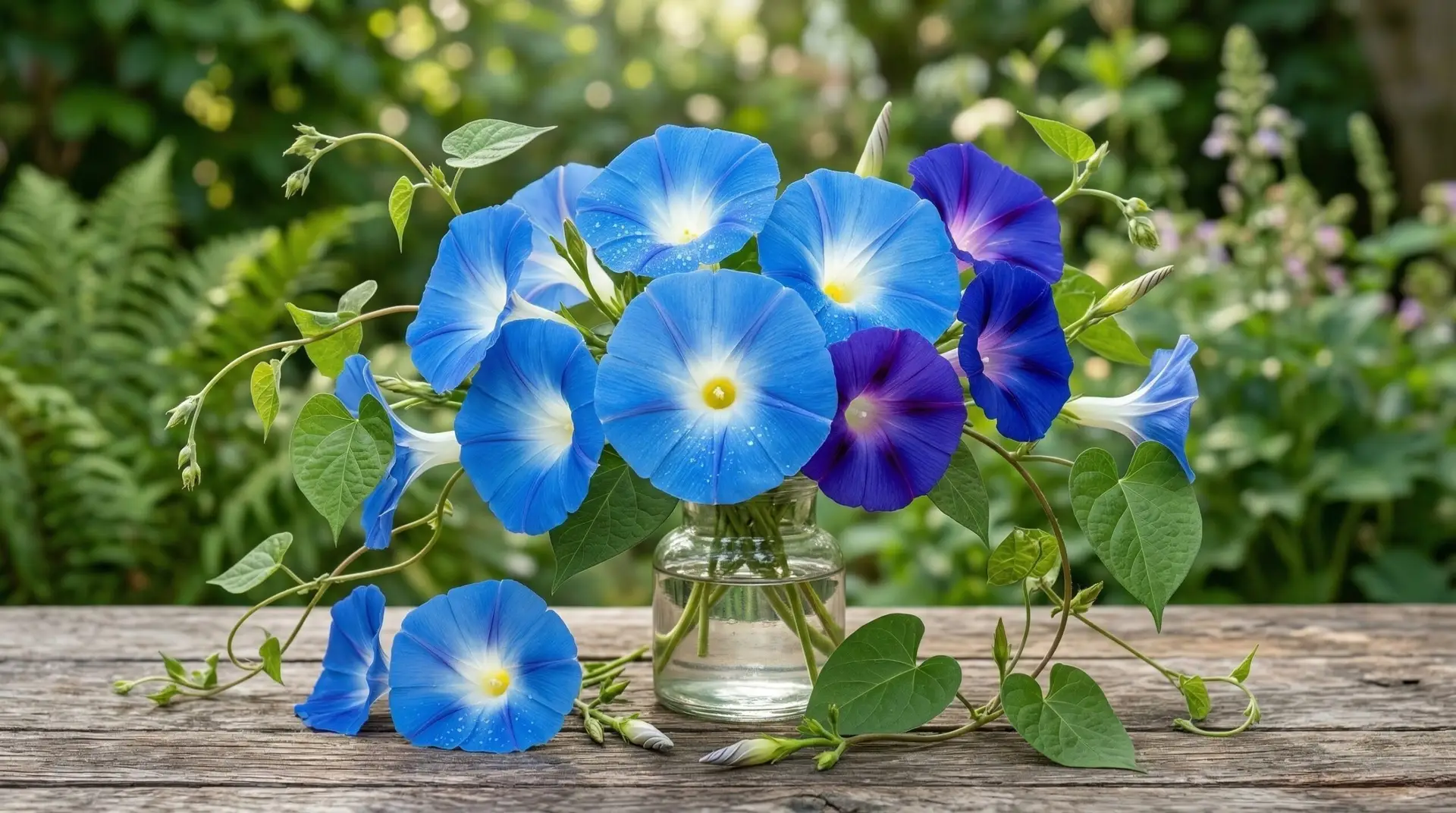
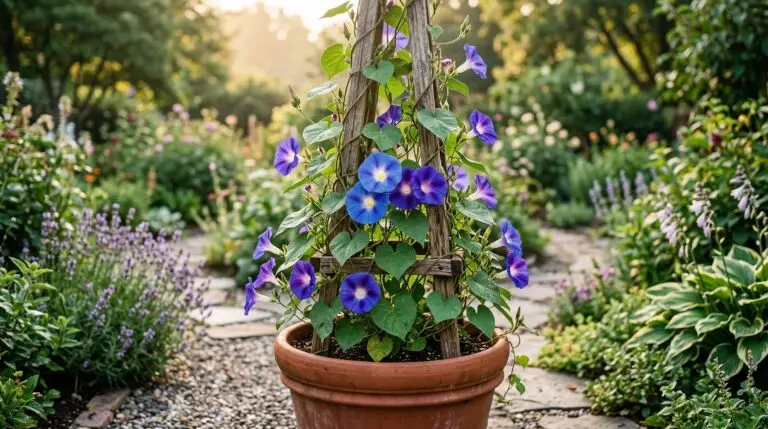
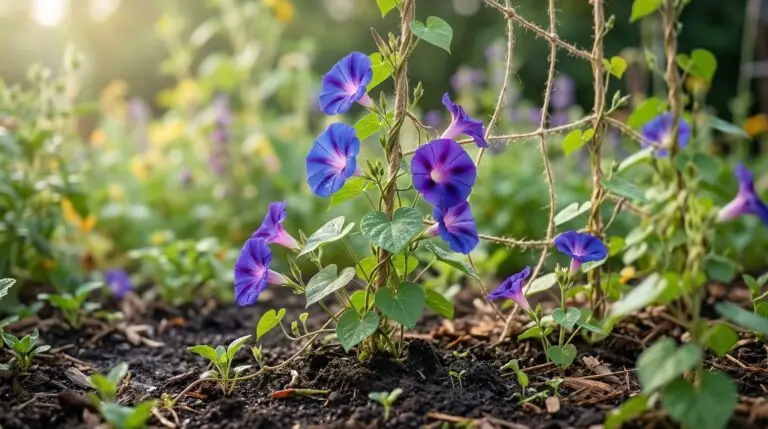
When evaluating morning glory varieties, the conversation must begin with the classic Heavenly Blue morning glory. Many garden writers dismiss older varieties in favor of newer introductions, but this specific cultivar remains unmatched in its color clarity. The blooms open to a massive four or five inches across, displaying an azure tone that contains absolutely no purple or red pigments. A luminous white and yellow throat sits at the center of each flower, drawing pollinating insects deep into the bloom. This pure blue is exceedingly rare in the plant world and provides a cooling visual effect against hot summer foliage. To achieve the best results with Heavenly Blue, you must plant it in lean, well-draining soil. Rich soil or heavy nitrogen fertilizer applications will result in a massive wall of green leaves with very few actual flowers.
Heritage selections in crimson and violet
For those seeking deeper, warmer tones, the heritage variety Grandpa Ott provides an exceptionally vigorous option with a rich history. This Bavarian heirloom produces smaller blooms than Heavenly Blue, usually measuring around two to three inches across, but it compensates with sheer volume. The flowers are a dark, velvety royal purple with a ruby red star radiating from the throat out to the petal edges. You should be aware that Grandpa Ott is a prolific self-seeder, meaning a single planting will likely return in the same spot for years without any further effort. If you prefer a more controlled purple vine, Star of Yelta offers a similar deep violet color on a slightly less aggressive plant. Star of Yelta holds its blooms open slightly longer into the afternoon heat, making it a better choice for gardens that receive intense midday sun. Both of these dark varieties benefit from a sturdy, rough-textured support structure that allows their twining stems to grip securely.
Red morning glories are notoriously difficult to breed, with many red varieties fading to a muddy magenta in the garden. Scarlett O’Hara is the notable exception to this rule, producing large, wine-red flowers that maintain their true color throughout the morning hours. The foliage on this variety is particularly distinct, with deeply lobed, almost heart-shaped leaves that add textural interest even when the vine has closed its blooms for the day. Scarlett O’Hara requires strong structural support, as the vines grow thick and heavy by late summer, often reaching fifteen feet in length. You can pair this robust climber with a sturdy clematis on a substantial trellis to create a layered vertical display. The contrasting bloom times and flower shapes of the two vines ensure continuous visual interest from early summer through the first autumn frost. Planting Scarlett O’Hara near silver-leaved plants will further emphasize the deep crimson tones of its petals.
Unusual variations in chocolate and frost
Most gardeners are familiar with the standard blues and purples, completely missing the darker, more complex morning glory varieties. Knowlian’s Black is a rare cultivar that produces dark chocolate-burgundy blooms that appear almost black in the early morning light. The dark petals surround a bright white throat, creating a sharp visual contrast that draws the eye immediately to the center of the flower. This variety requires careful placement in the garden, as the dark flowers can easily disappear against a background of dark green foliage or a shadowed fence line. Planting Knowlian’s Black against a white wall, a light wooden trellis, or a pale stone facade allows the unusual flower color to stand out clearly. You might also consider growing it alongside a white moonflower, allowing the dark morning blooms to hand off the display to the luminous white evening flowers. The combination of these two vines creates a continuous twenty-four-hour cycle of contrasting blooms.
Patterned morning glories often look messy or unstable, but the Picotee varieties offer a clean, highly reliable bi-color effect. These selections stem from Japanese breeding traditions, where morning glories are highly prized for their precise patterns and unique forms. They have solid-colored petals in shades of deep blue or bright magenta, each edged with a crisp, pure white margin. The white border defines the shape of the flower, making each bloom look like a carefully painted saucer resting against the foliage. Picotee morning glories generally exhibit a more restrained growth habit, rarely exceeding six or seven feet in length over the course of the summer. This moderate size makes them the most suitable choice for container gardening or for covering a small obelisk alongside a compact clematis in a mixed floral border. They require slightly more consistent moisture than the larger vining types, as the delicate petal edges will brown quickly if the plant experiences severe drought stress.
After evaluating these distinct morning glory varieties, the classic Heavenly Blue morning glory remains the absolute best choice for most gardens. While the dark chocolate blooms of Knowlian’s Black are highly unusual and the heritage purples offer great vigor, nothing matches the visual impact of those massive, pure blue saucers. The color is entirely unique, catching the morning light with a clarity that no other annual vine can replicate. Heavenly Blue is also highly predictable in its growth habit, reliably covering a ten-foot trellis in a single season without becoming an invasive nuisance in subsequent years. The large, heart-shaped leaves provide a dense screen of greenery that perfectly frames the daily succession of fresh blue flowers. By providing it with poor soil, full sun, and a tall structure to climb, you ensure a daily display of the finest blue flowers available to the home gardener.
More About Morning Glories
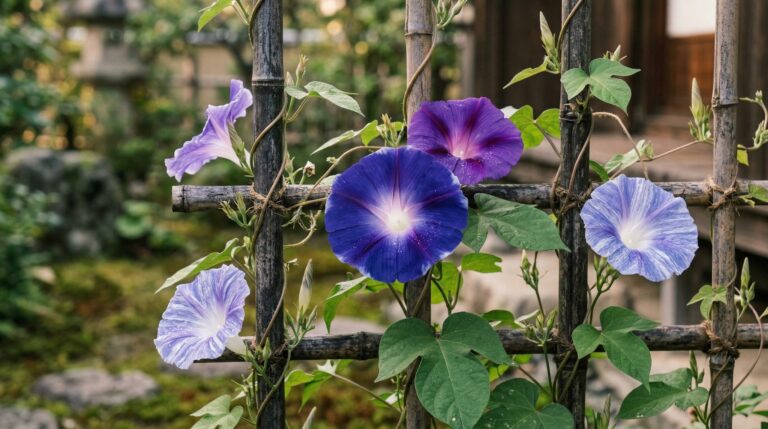
Morning glory flower meaning and the Japanese art of training these blooms to perfection
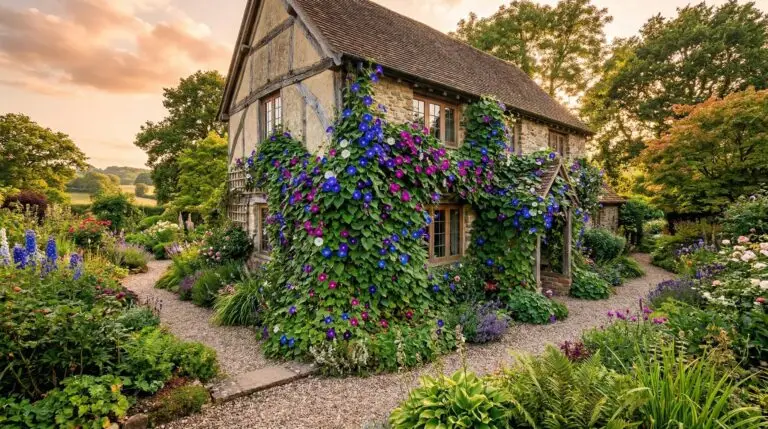
Morning glories as living sunshade screens for windows and south-facing walls
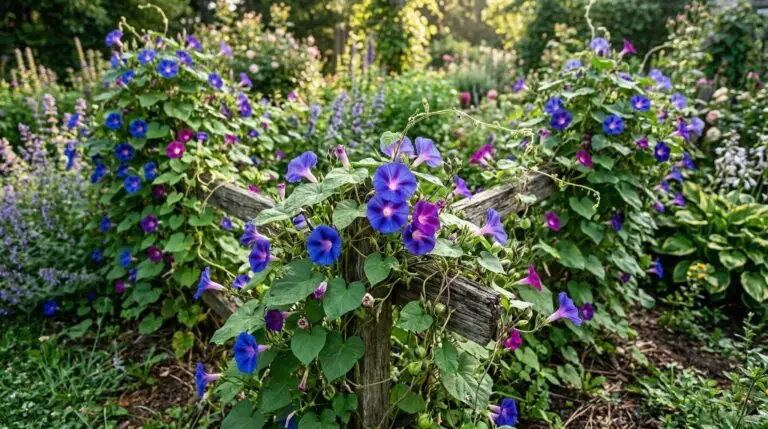
How to control invasive morning glory and stop it from taking over your garden
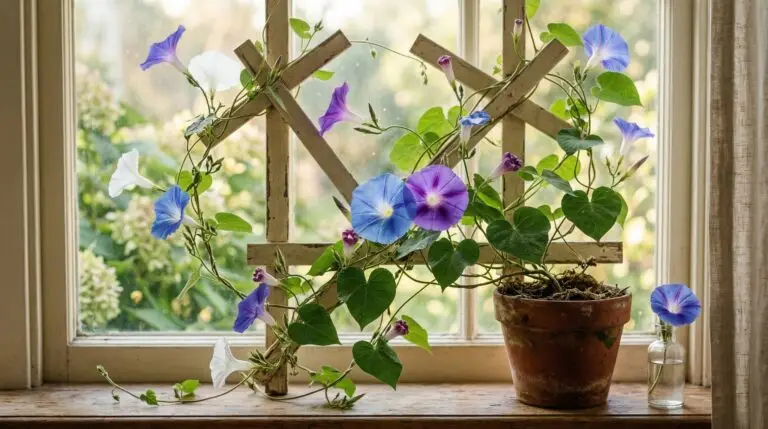
Why morning glory flowers only last one day and the daily renewal that makes them special
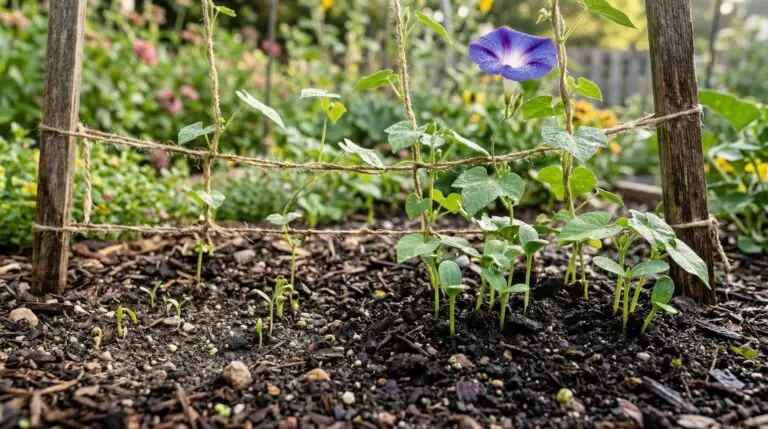
Growing morning glories from seed with the easy soak-and-plant method
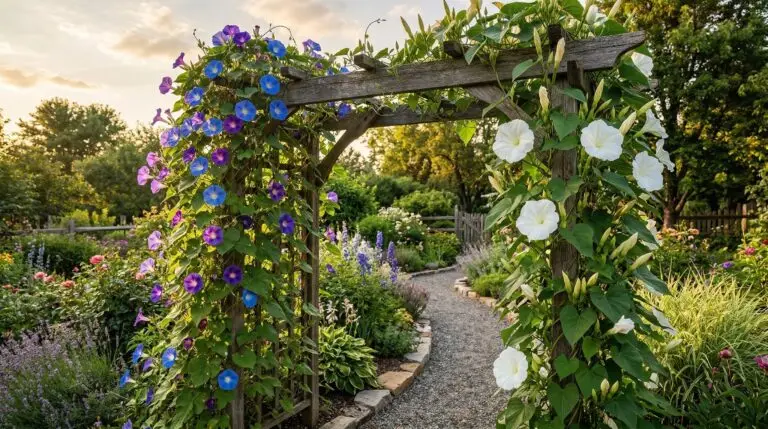
Morning glory companion plants: what to grow, what to avoid
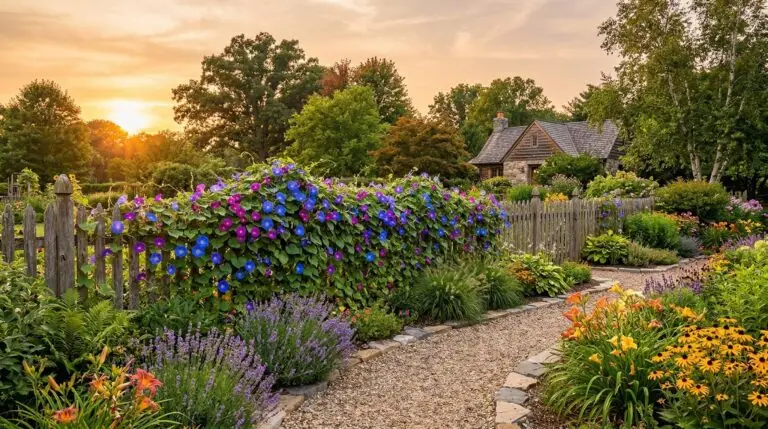
Training morning glories on fences mailboxes and trellises for vertical garden magic
Growing morning glories in containers for balcony vines that bloom all summer
How to grow morning glories for a cascade of trumpet flowers that greet the sunrise
Enjoying our flower guides? Add YourFlowersGuide as a preferred source on Google. It helps more readers find us.
Add to Preferred Sources