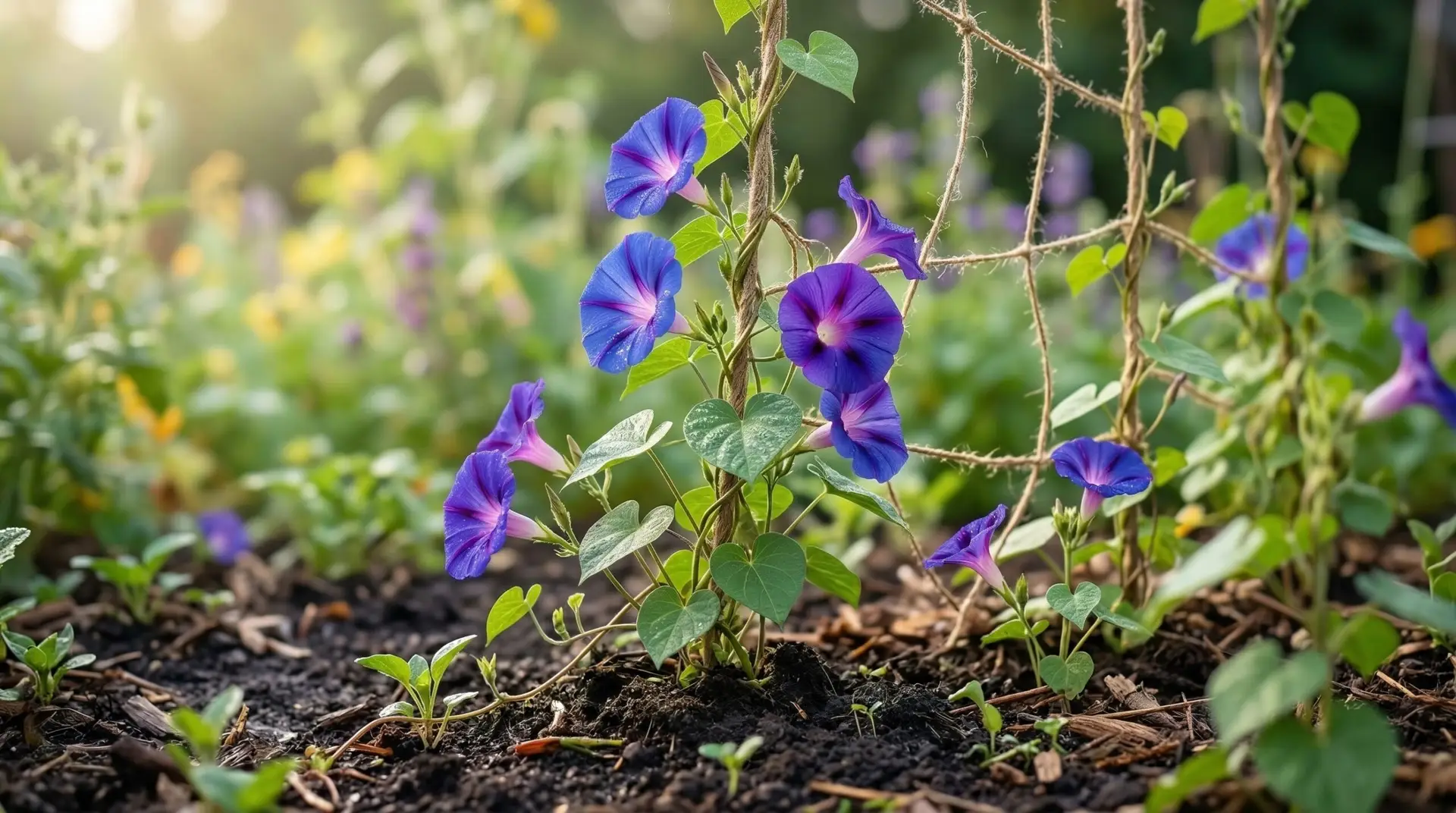
Anyone who has spent a few seasons working with the genus Ipomoea knows that morning glories possess a relentless drive to climb and bloom. These annual vines belong to the Convolvulaceae family and are recognized by their heart-shaped leaves and funnelform blossoms that open tightly with the morning sun and fold up by afternoon. I have watched a single seed produce a vine that covers a ten-foot trellis in a matter of weeks when given the right conditions. The plants are native to tropical and subtropical regions of the Americas, which dictates their absolute need for warm soil and abundant sunlight. Growing morning glories requires understanding that they are opportunistic plants designed by nature to scramble over anything in their path. You will find that their rapid growth rate makes them an excellent choice for creating temporary privacy screens or covering bare fences during the summer months.
The two most common species cultivated in our gardens are Ipomoea tricolor and Ipomoea purpurea. While they look similar to the casual observer, Ipomoea tricolor produces larger, smoother leaves and includes the famous ‘Heavenly Blue’ cultivar, which is known for its clear azure petals and white throat. Ipomoea purpurea, often called the common morning glory, features slightly hairy stems and comes in darker shades of purple, magenta, and pink. Both species share a twining growth habit, meaning the entire stem spirals around its support structure rather than relying on specialized tendrils. Understanding this botanical distinction helps you choose the right kind of trellis, as these vines need thin vertical supports they can physically wrap themselves around. I always advise gardeners to have their support structures firmly in place before the seeds even go into the ground.
Contents 4 sections
Preparing the seeds for reliable germination
The seeds of morning glories are encased in a thick, hard outer coat that prevents moisture from reaching the embryo inside. This evolutionary trait allows the seeds to survive harsh winters in the soil, but it can cause frustratingly slow and erratic germination for the home gardener. To bypass this natural dormancy, you must practice scarification, a technique where you intentionally breach the seed coat. I recommend using a metal nail file or a piece of medium-grit sandpaper to gently scrape the rounded edge of the seed until you see a tiny fleck of the lighter-colored interior. Once you have nicked the seeds, soak them in a shallow dish of room-temperature water for twelve to twenty-four hours. You will know the process was successful when the seeds swell to nearly twice their original size and look plump and ready to sprout.
After the seeds have soaked, direct sowing into the garden bed is almost always the best approach. Morning glories develop a deep taproot very early in their life cycle, and they resent having their roots disturbed during transplanting. Wait until the soil temperature has reliably warmed to at least 65 degrees Fahrenheit, which usually occurs two to three weeks after your last expected frost. Plant the swollen seeds about half an inch deep and space them roughly six inches apart along your trellis or fence line. If you live in a region with very short growing seasons and feel you must start them indoors, use biodegradable peat or paper pots so you can plant the entire container directly into the ground later. Even with careful handling, indoor-started vines often experience a period of transplant shock that allows direct-sown seeds to quickly catch up and surpass them in size.
Finding the right soil and site conditions
One of the most common mistakes I see gardeners make is treating morning glories like heavy-feeding vegetables and planting them in highly amended, nutrient-rich soil. When these vines receive too much nitrogen, they put all their energy into producing a massive canopy of lush green foliage at the direct expense of flower production. They actually perform best in average to moderately poor soils with a slightly acidic to neutral pH ranging from 6.0 to 6.8. If your garden soil is exceptionally rich, you might want to plant them in an unamended border area or mix some sand into the planting hole to decrease the fertility. They require full sun, meaning a minimum of six to eight hours of direct, unfiltered sunlight each day to initiate flower buds. For a continuous display of blooms from dawn until dusk, many gardeners interplant them with the night-blooming moonflower, which thrives in the exact same soil and sun conditions.
While they tolerate poor soil, morning glories do need consistent moisture while they are establishing their root systems during the first month of growth. Water the young seedlings deeply once a week, allowing the top inch of soil to dry out completely before applying more moisture. Once the vines reach about three feet in height, they become surprisingly tolerant of dry spells and will only require supplemental watering during prolonged periods of drought. You can help regulate soil moisture and temperature by planting a low-growing, shallow-rooted companion near the base of the vines. A border of sweet alyssum works perfectly to shade the soil and keep the morning glory roots cool while the main vines stretch upward into the baking sun. Mulch can also achieve this, but keep the organic matter pulled a few inches away from the actual stems to prevent rot.
Managing the vigorous growth habit
Because morning glories climb by twining their entire stems clockwise around a support, they require structures made of thin materials. Thick wooden posts or wide fence slats are difficult for the young stems to grip, often causing the vine to slide down upon itself and create a tangled mound at the base. Standard chicken wire, heavy-duty garden twine, or thin metal trellises provide the ideal diameter for the stems to wrap around securely. They are incredibly fast-growing and can easily reach heights of ten to fifteen feet in a single season, so vertical space is essential. If you are accustomed to growing a perennial vine like clematis, you will find morning glories require much less careful training and zero complex pruning schedules. Simply guide the first few inches of the main stem toward the support, and the plant’s natural phototropism will take over and do the rest of the work.
You must also be mindful of exactly where you choose to let these vines climb. Because they grow so rapidly, they can easily overtop neighboring shrubs or smother slower-growing perennials if left unchecked. I frequently see morning glories plant themselves in the middle of a vegetable garden and proceed to pull down tomato cages or wrap around corn stalks. If a vine starts wandering into territory where it does not belong, simply unwind the stray stem and redirect it, or pinch the tip off entirely to halt its progress in that direction. Pinching the growing tips when the plant is about two feet tall will also encourage lateral branching, resulting in a fuller plant with more flowering nodes. Regular observation during the peak summer growing season will keep the vines exactly where you want them.
Cultivar selection and long-term care
Selecting the right variety can make a significant difference in how the plant behaves in your garden over the long term. Cultivars of Ipomoea tricolor, such as ‘Flying Saucers’ or ‘Heavenly Blue’, rarely self-seed in temperate climates because their seeds require a long time to mature before the autumn frosts arrive. In contrast, varieties of Ipomoea purpurea like ‘Grandpa Ott’s’ or ‘Crimson Rambler’ produce viable seeds very quickly and will drop hundreds of them into the soil by late summer. If you grow the purpurea species, you should expect a vigorous colony of volunteer seedlings to appear in that exact spot the following spring. To manage this aggressive self-seeding, you can routinely deadhead the spent flowers before they form the round, papery seed pods. However, many gardeners simply learn to recognize the distinctive butterfly-shaped cotyledons of the emerging seedlings in spring and pull up the excess plants with a quick pass of a hoe.
As the growing season winds down, the vines will continue to produce flowers until the first hard freeze turns the foliage black and kills the plant. Because morning glories are true annuals in most North American climates, you will need to clean up the dead vines at the end of the year. Wait until the stems are completely dry and brittle, at which point they will easily snap away from your trellis or twine without pulling down the support structure. If you want to save seeds for the next year, collect the brown, dried pods just before the frost hits and store them in a cool, dark place over the winter. Your best course of action right now is to locate a sunny, unamended spot along a fence line, set up a simple twine support system, and prepare your seeds for planting as soon as the spring soil warms.
More About Morning Glories
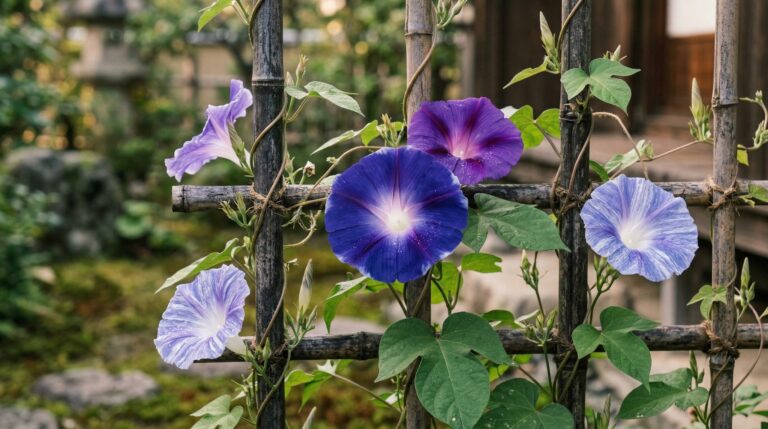
Morning glory flower meaning and the Japanese art of training these blooms to perfection

Morning glories as living sunshade screens for windows and south-facing walls
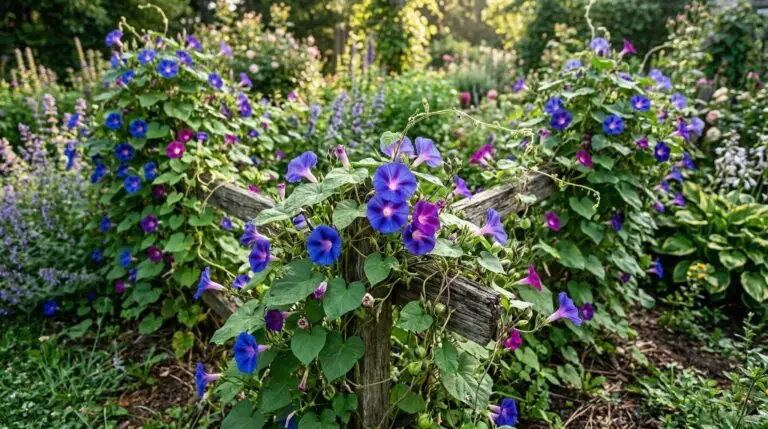
How to control invasive morning glory and stop it from taking over your garden
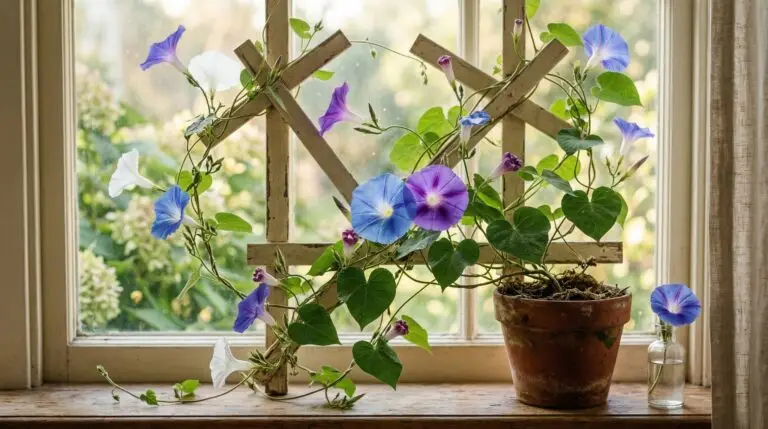
Why morning glory flowers only last one day and the daily renewal that makes them special
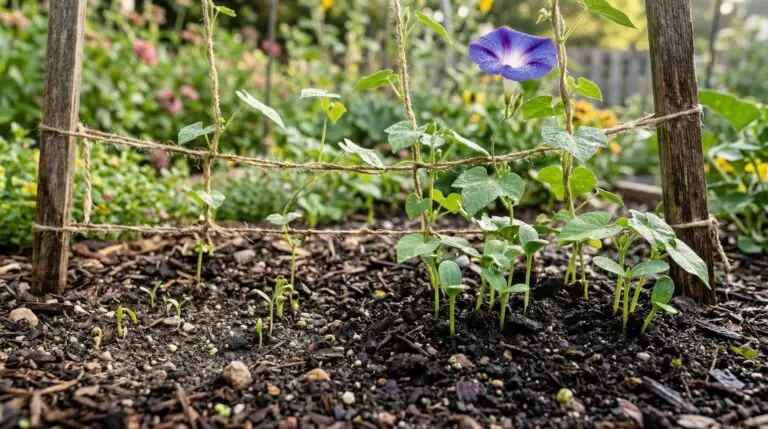
Growing morning glories from seed with the easy soak-and-plant method
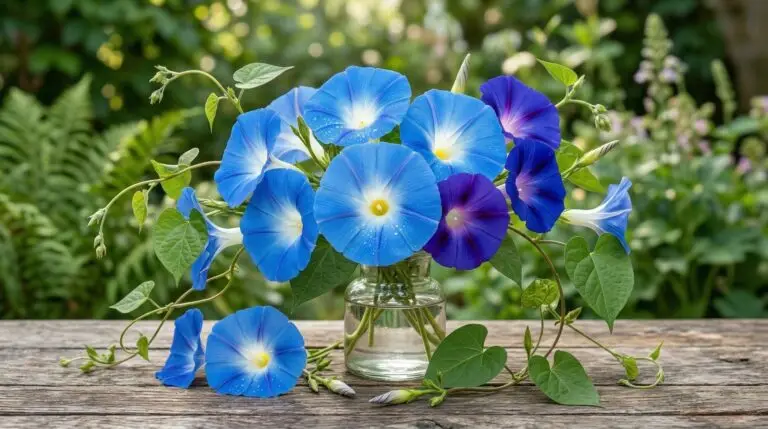
Best morning glory varieties from classic Heavenly Blue to rare chocolate Knowlian’s Black
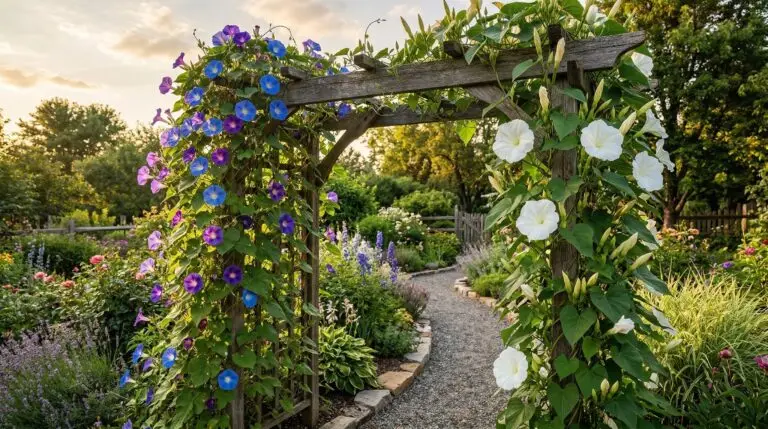
Morning glory companion plants: what to grow, what to avoid

Training morning glories on fences mailboxes and trellises for vertical garden magic
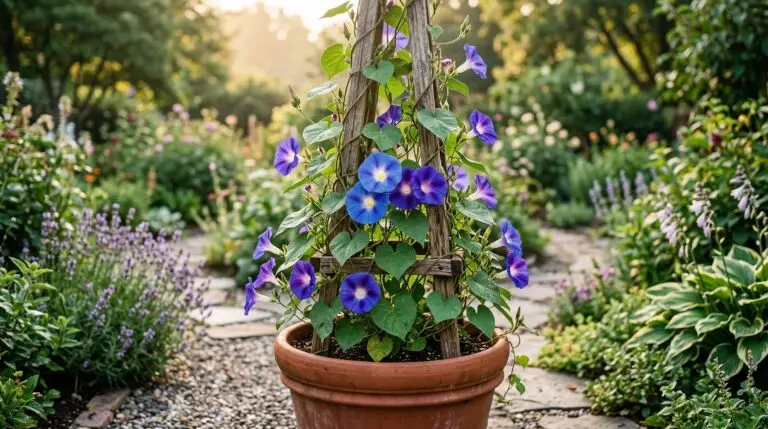
Growing morning glories in containers for balcony vines that bloom all summer
Enjoying our flower guides? Add YourFlowersGuide as a preferred source on Google. It helps more readers find us.
Add to Preferred Sources