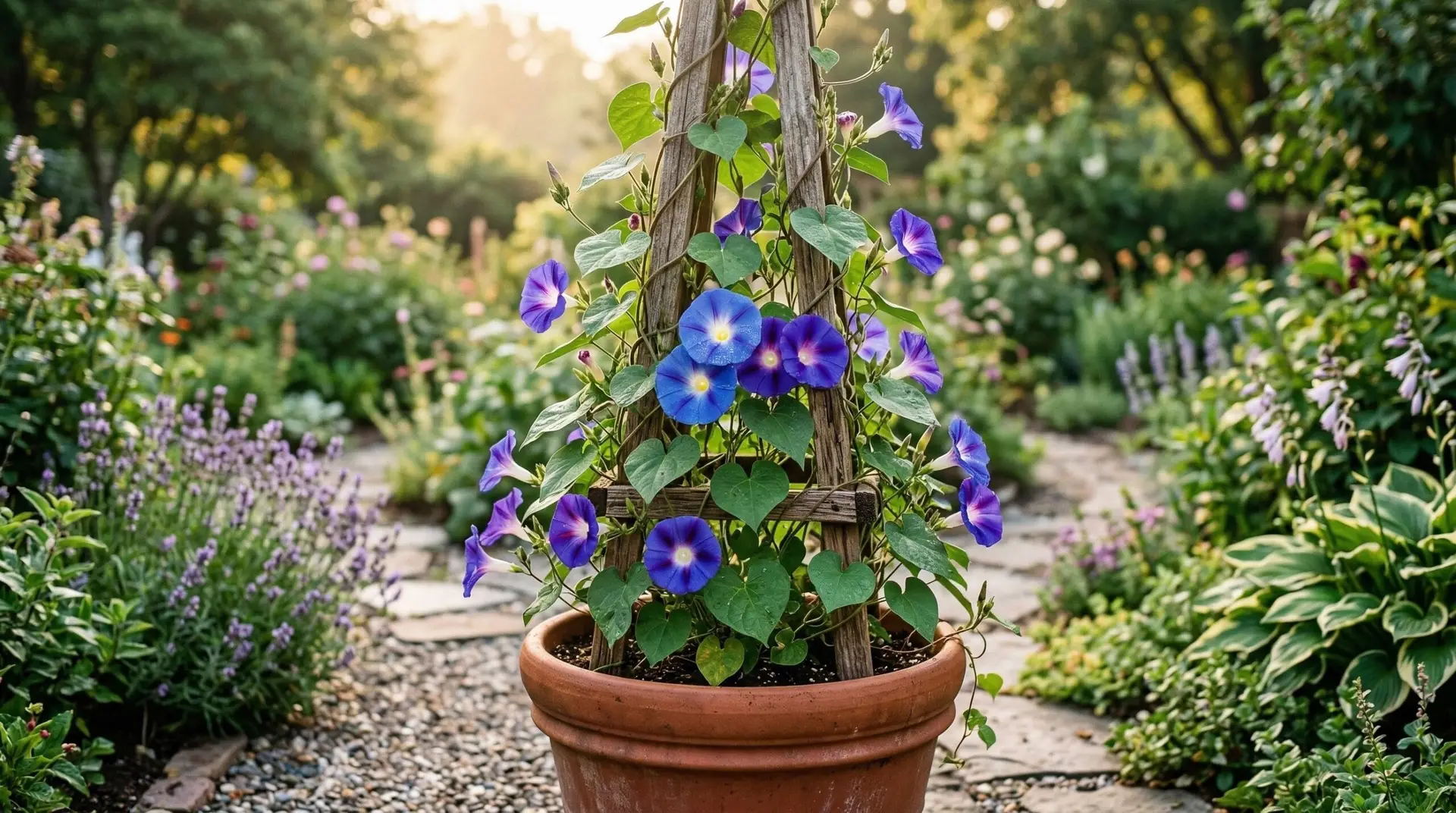
There is a familiar moment every late summer when a seemingly innocent vine suddenly swallows a mailbox, a chain-link fence, or a neighboring shrub. Morning glories are famous for this explosive growth, which makes many backyard growers hesitant to plant them anywhere near a manicured bed. The simple solution to this aggressive habit is growing a morning glory in pots, turning a potential yard invader into a well-behaved guest. Keeping the roots restricted actually forces the plant to focus on producing flowers rather than endless miles of foliage. For those with limited space, this approach transforms a bare patio into a vertical garden filled with trumpet-shaped blooms that open fresh every sunrise. Instead of relying entirely on a trailing petunia for summer color, adding a climbing vine brings a completely different dimension to a small space. The vines will bloom reliably from mid-summer straight through until the first hard frost kills them back completely. Starting them in containers means you get all the visual reward without the backbreaking work of pulling rogue vines out of the lawn next spring.
Contents 4 sections
Choosing the right container and potting soil
When setting up a morning glory container, size matters, but bigger is not always better. A twelve-inch wide pot holds enough soil to support two or three healthy vines without giving them so much room that they forget to bloom. The restricted root advantage is a real phenomenon with these plants, as tight quarters signal the vine to reproduce by pushing out flowers. Standard commercial potting soil works perfectly fine, and there is no need to mix in expensive fertilizers or special amendments. In fact, soil that is too rich in nitrogen will result in a massive tangle of green leaves and zero flowers. The pots must have large drainage holes at the bottom because sitting in soggy soil rots the roots out within a week. Heavy terracotta pots are excellent for tall setups because their weight prevents the whole structure from tipping over in a strong wind. Plastic pots work too, but they often need a heavy brick placed in the bottom before adding soil to anchor the aggressive top growth.
Providing support for vertical growth
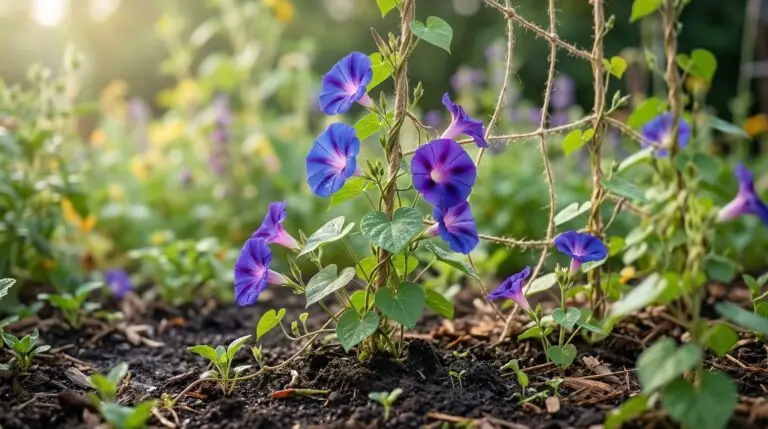
A morning glory balcony display requires something for the vines to grab onto the moment they start producing their first true leaves. Young seedlings look incredibly fragile and sometimes appear nearly dead for about two weeks after sprouting or transplanting. They are not dead, and they just need a little time to establish their root systems before they shoot upward. An obelisk in a pot creates a beautiful, self-contained tower of blooms that can be moved around the patio as the sun shifts during the season. For a more permanent screen, simply tying cheap jute twine from the container to the top of a balcony railing provides all the support they need. The vines twine tightly around anything they touch, so thin materials like string, bamboo stakes, or plastic netting work much better than thick wooden trellises. Gardeners in the South may find that the vines reach the top of their supports by July, at which point the stems will simply cascade back down over themselves to create a thicker screen. Northern growers usually see the vines peak just as the autumn weather sets in, making the late summer display incredibly rewarding.
Managing trailing vines in hanging baskets
While they naturally want to climb, these vines can also be trained to trail downward from a hanging basket for a dramatic effect. Gravity will constantly fight the plant instinct to grow upward, causing the stems to curl back on themselves and create a dense, bushy ball of foliage. Because hanging baskets dry out incredibly fast in the summer wind, a daily watering routine is absolutely essential to keep the leaves from crisping up. If the soil dries out completely, the lower leaves turn yellow and drop off, leaving bare stems at the base of the plant. Mixing them with a night-blooming moonflower in the same basket creates a continuous display of flowers that opens in the morning and evening. Just be prepared to untangle the vines occasionally if they start reaching for nearby light fixtures or the hanging chains holding the basket. Keeping the vines contained in a basket also makes it much easier to sweep up the spent blossoms that drop every afternoon. Trimming the very tips of the trailing vines every few weeks encourages them to branch out sideways instead of just growing a single long strand.
Daily care and dealing with common setbacks
The daily maintenance of these vines mostly comes down to keeping up with their intense thirst during the hottest parts of the summer. In northern zones, the approach changes slightly because the cooler nights mean the soil stays damp longer, requiring less frequent watering. Pests are rarely a serious issue, though spider mites sometimes show up during dry spells and turn the leaves a dusty, mottled yellow. A strong blast of water from a garden hose is usually enough to knock the bugs off without needing to buy expensive chemical sprays. As the season progresses, the vines will start producing small, round seed pods where the flowers used to be. Snipping these green pods off with scissors redirects the plant energy back into making new buds rather than maturing seeds. Once the cold weather arrives, the entire vine will turn brown and brittle overnight, signaling that it is time to pull the dead stems and dump the potting soil into the compost bin. Saving a few of the dried brown pods gives you a free supply of seeds to start the whole process over again the following spring.
More About Morning Glories
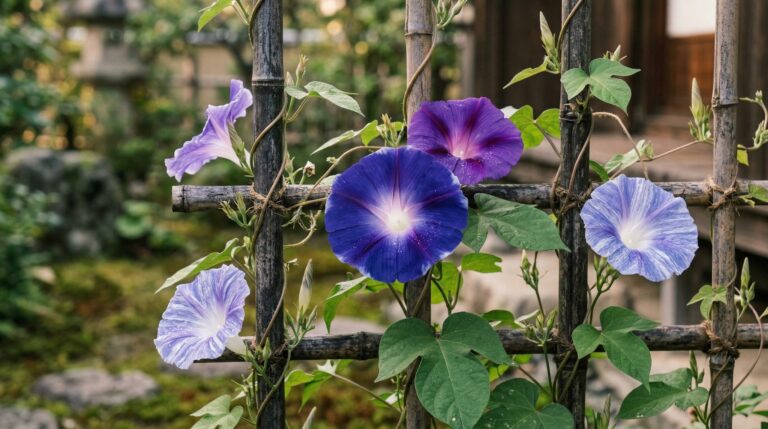
Morning glory flower meaning and the Japanese art of training these blooms to perfection

Morning glories as living sunshade screens for windows and south-facing walls
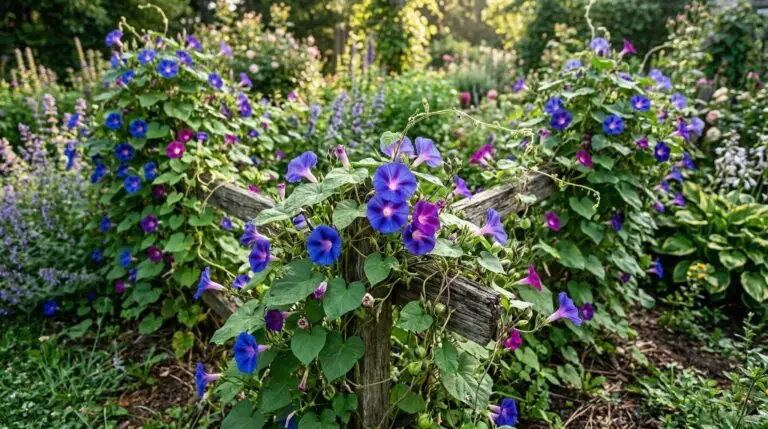
How to control invasive morning glory and stop it from taking over your garden
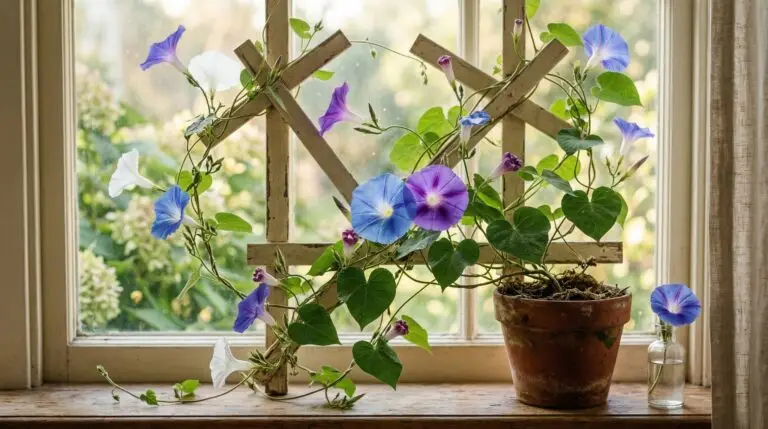
Why morning glory flowers only last one day and the daily renewal that makes them special
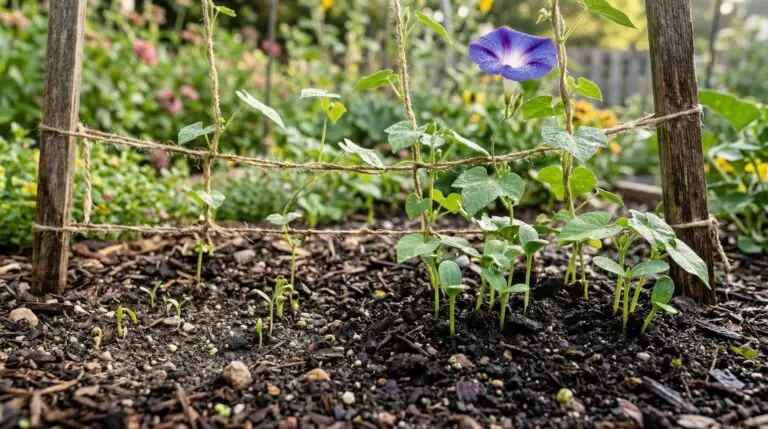
Growing morning glories from seed with the easy soak-and-plant method
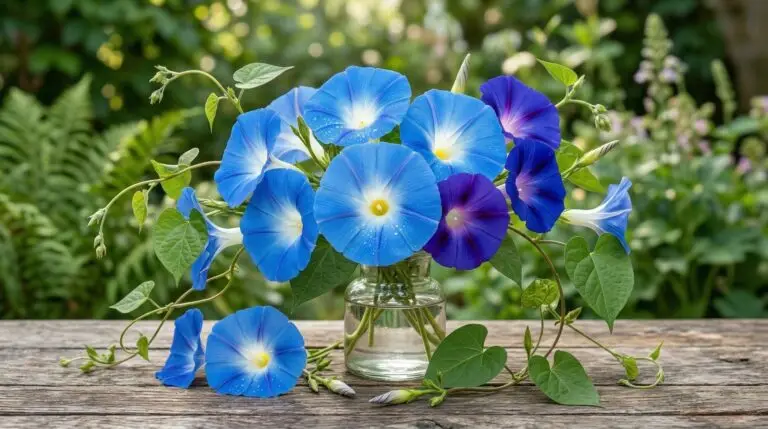
Best morning glory varieties from classic Heavenly Blue to rare chocolate Knowlian’s Black
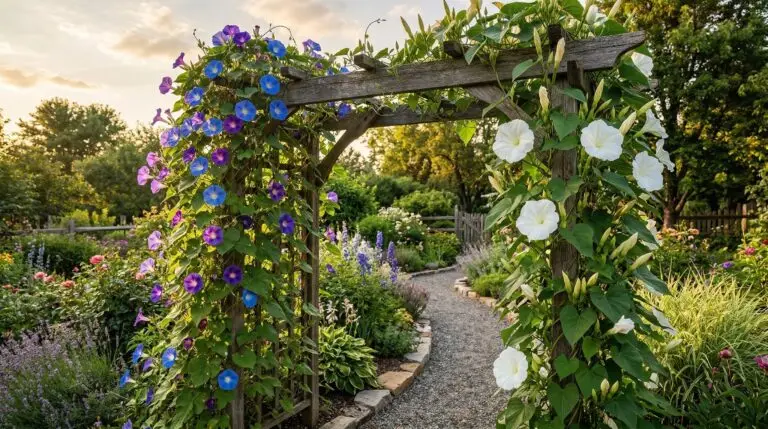
Morning glory companion plants: what to grow, what to avoid
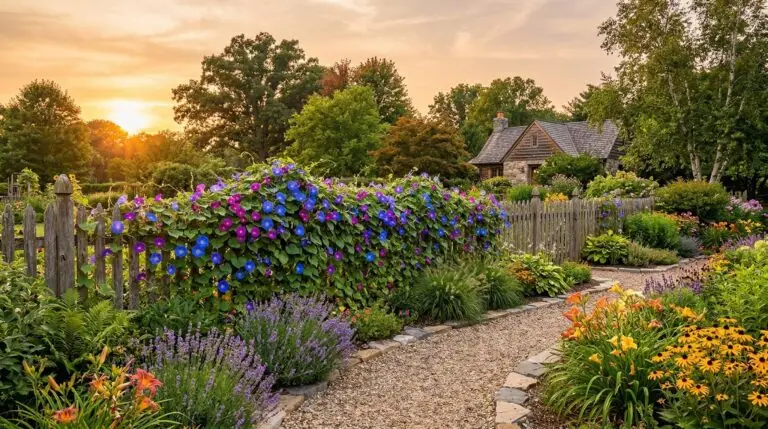
Training morning glories on fences mailboxes and trellises for vertical garden magic
How to grow morning glories for a cascade of trumpet flowers that greet the sunrise
Enjoying our flower guides? Add YourFlowersGuide as a preferred source on Google. It helps more readers find us.
Add to Preferred Sources