Growing morning glories from seed is a rewarding project you can tackle in a weekend garden session. These vigorous vines produce hundreds of trumpet-shaped blooms that open fresh every morning and fade by afternoon. They are incredibly fast growers when given the right conditions, making them a perfect project for a children’s garden where quick results keep young minds engaged. Before you can enjoy that daily floral display, you have to get the seeds to wake up and sprout. Morning glory seeds have a notoriously hard outer shell that protects them in nature but can frustrate gardeners expecting a quick start. Understanding how to bypass this natural defense is the secret to a successful planting day.
Many people try pressing dry seeds directly into cold spring dirt and then wonder why nothing happens for weeks. To get reliable morning glory germination, you need to mimic the natural weathering process that softens the seed coat over the winter. We use a simple soak-and-plant method that cuts the waiting time down from weeks to just a few days. You do not need any special equipment for this, just a small bowl, some warm tap water, and a bit of patience overnight. By taking this extra step before you even head outside with your trowel, you give the embryo inside the seed the moisture it needs to break dormancy. This small amount of preparation makes the difference between a sparse vine and a thick, flowering screen.
Contents 3 sections
Preparing the seeds for faster sprouting
The evening before you plan to plant, gather your morning glory seeds and place them in a small shallow bowl. Pour enough warm water over the seeds to cover them completely by about an inch. The water should feel comfortable to the touch, similar to a lukewarm bath, rather than hot. Let the bowl sit on your kitchen counter overnight undisturbed while the seeds absorb the moisture. When you check on them the next morning, you should notice that the seeds look noticeably swollen and plump compared to their original hard, angular shape. Sometimes the water takes on a slight brownish tint, which is completely normal and just means the outer coating is breaking down as intended.
If you want to be extra thorough, you can gently nick the seeds before dropping them into the water. Take a simple metal nail file or a piece of fine sandpaper and lightly rub one side of the seed until you see a tiny pale spot emerge. You only want to scratch the dark surface layer, being very careful not to dig deep enough to damage the pale embryo inside. This process is called scarification, and it creates a direct channel for water to enter the seed coat during the soaking phase. Nicking the seeds is entirely optional, but it provides an extra layer of insurance if you are working with particularly old seeds or planting late in the season. Once they have soaked and swollen, they are primed for the soil and must be planted immediately so they do not dry out.
Timing and planting in the garden
You should wait to plant your swollen seeds outside until the last spring frost has completely passed and daytime temperatures consistently stay above sixty degrees. Morning glories are highly sensitive to cold soil, and planting them too early will cause the wet seeds to rot before they can send up shoots. Choose a spot that receives full, direct sunlight for most of the day, as shade will severely limit the number of blooms you get later. The soil itself needs to drain well, meaning water should disappear quickly after a rain rather than sitting in puddles. If you have heavy clay that stays soggy, you can mound the dirt up a few inches to elevate the planting area and improve drainage. Poorly drained soil suffocates the young roots, leading to stunted yellow plants that struggle to climb.
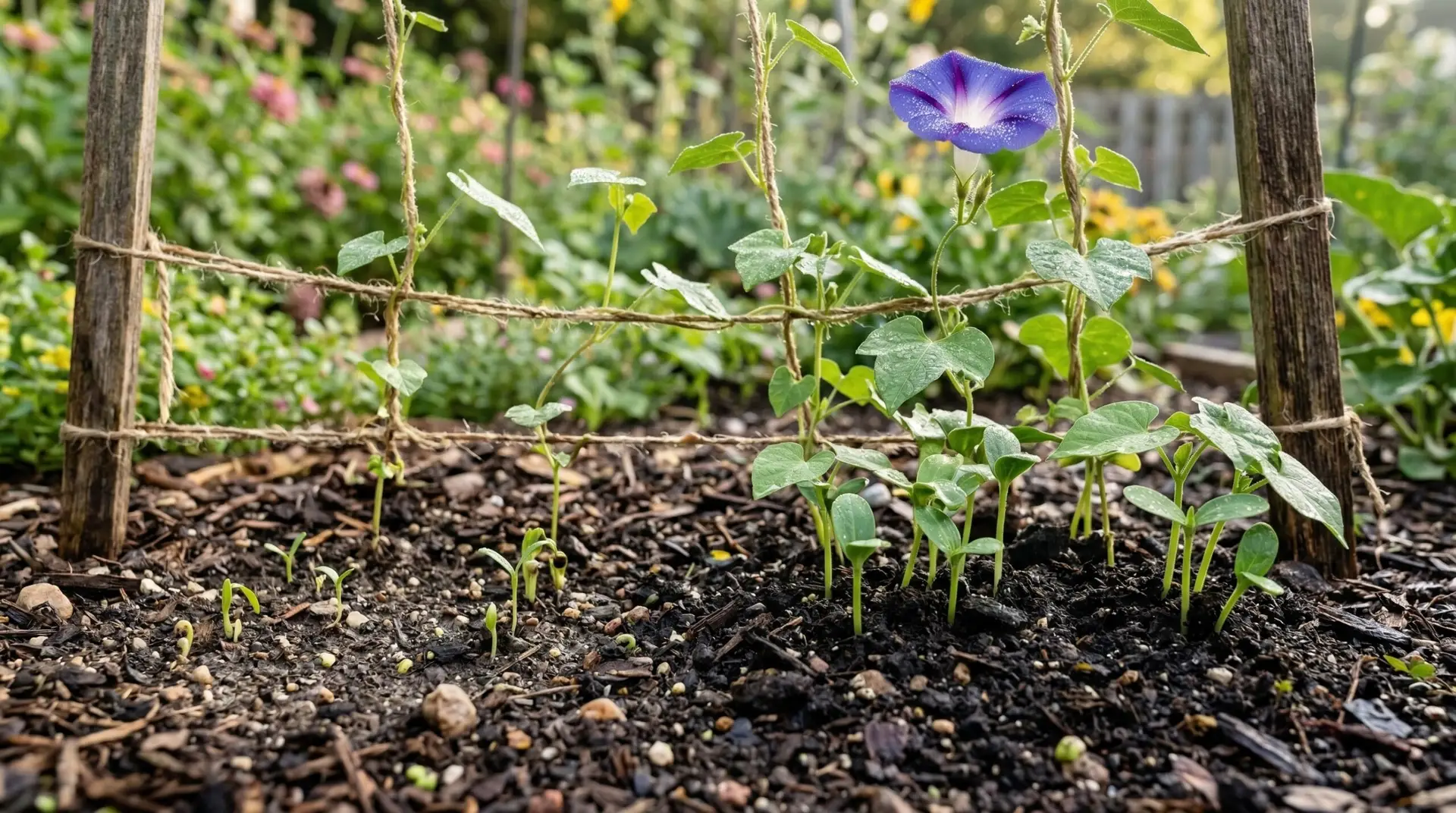
Take your bowl of soaked seeds out to the garden and prepare your planting trench with a hand trowel. You want to plant the seeds about half an inch deep, spacing them roughly six inches apart along the base of your chosen support structure. Because these vines climb by twining their stems around vertical objects, you must have a trellis, fence, or netting in place before you sow the seeds. Trying to install a support later usually results in broken stems and tangled vines that never quite recover their momentum. Cover the seeds gently with loose soil and pat the surface lightly to ensure good contact between the dirt and the seed. Give the newly planted area a gentle sprinkle from a watering can to settle the soil without washing the seeds away.
Growing morning glories from seed pairs well with other fast-growing summer favorites that thrive in similar sunny conditions. For example, you can plant them near a tall sunflower to create a living trellis, allowing the vines to scramble up the thick stalks as the season progresses. If you want to extend the floral show into the evening hours, you might also consider planting a moonflower nearby, as they share the same growing requirements but open their white blooms at dusk. Within about five to seven days of planting your soaked seeds, you should see the first sturdy green shoots pushing through the soil crust. At this point, you might notice the seed coat clinging stubbornly to the first two leaves, but you should resist the urge to pull it off, as the plant will shed it naturally as it expands. The moisture from your regular watering routine helps the seedling slip out of this final layer without damage.
Managing growth and saving seeds
Keep the soil evenly moist but never muddy during the first few weeks of growth while the root systems establish themselves. Once the vines reach about six inches tall, they will begin searching for something to grab onto and might wave around aimlessly in the breeze. You can gently guide these young tendrils toward your trellis or string, loosely wrapping them in a clockwise direction to help them get started. Morning glories are relatively drought-tolerant once mature, but letting them wilt completely in the hot summer sun will cause the lower leaves to turn yellow and drop off. A deep, thorough watering at the base of the plant once a week is usually sufficient to keep the foliage lush and the flower buds developing properly. Avoid using heavy nitrogen fertilizers, as this will encourage the plant to produce massive amounts of green leaves at the expense of the flowers.
As the summer winds down and the days grow shorter, the vines will focus their energy on reproduction, making this a great time to collect seeds for next year. When the flowers drop off, they leave behind small round pods that will slowly swell and turn from green to a papery brown. Wait until the vines have died back after the first light frost and the pods feel dry and brittle to the touch. Crack open a few of these brown pods over a bowl, and you will find clusters of fresh, dark seeds ready to be stored away. This seed-saving process is a wonderful way to teach children about the complete plant life cycle, taking them from the initial planting all the way through to harvesting. Keep in mind that you should only save seeds from open-pollinated varieties, as hybrids will not grow true to the parent plant and might produce unexpected colors the following year.
Store your harvested seeds in a cool, dark place inside a paper envelope so they can dry completely over the winter months. By following this simple soak-and-plant method, you establish a reliable rhythm in your garden that yields rewarding results with very little effort. Success looks like a towering wall of heart-shaped leaves covered in bright blue, pink, or purple blossoms that greet you every morning when you step outside. The vines will weave themselves tightly into fences and arbors, creating a dense screen of color that attracts hummingbirds and bees until the first hard freeze. Knowing exactly how to wake up those tough seeds gives you the confidence to fill your yard with these classic climbers year after year. You will find that this straightforward technique takes the guesswork out of planting and guarantees a lush summer display.
More About Morning Glories
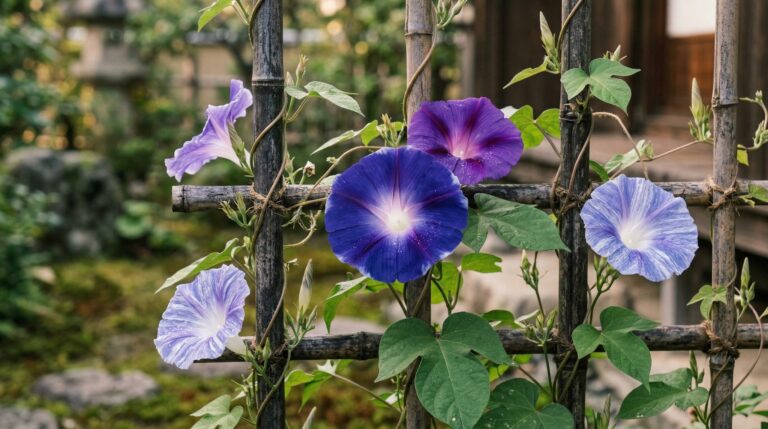
Morning glory flower meaning and the Japanese art of training these blooms to perfection

Morning glories as living sunshade screens for windows and south-facing walls
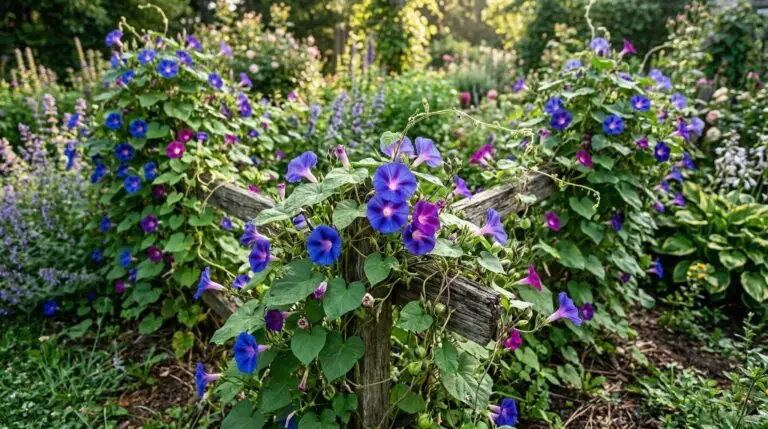
How to control invasive morning glory and stop it from taking over your garden
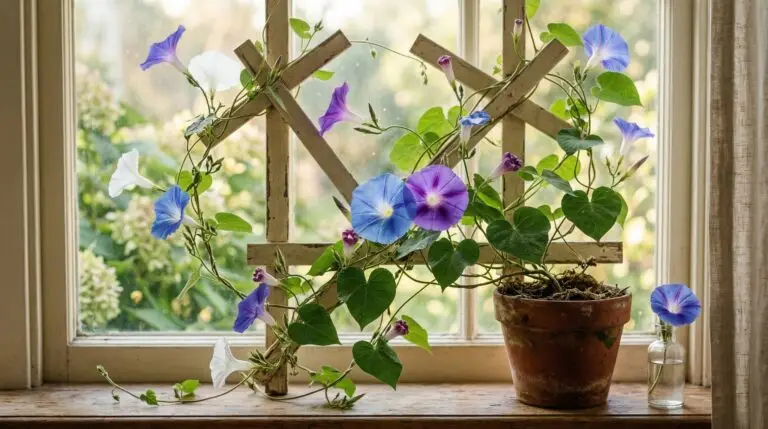
Why morning glory flowers only last one day and the daily renewal that makes them special
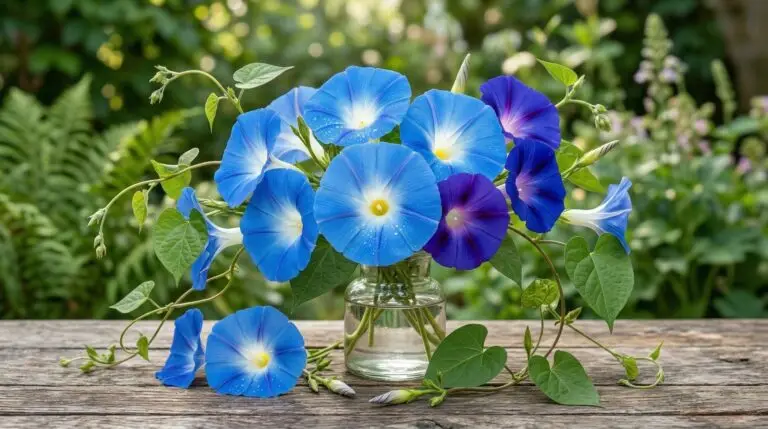
Best morning glory varieties from classic Heavenly Blue to rare chocolate Knowlian’s Black
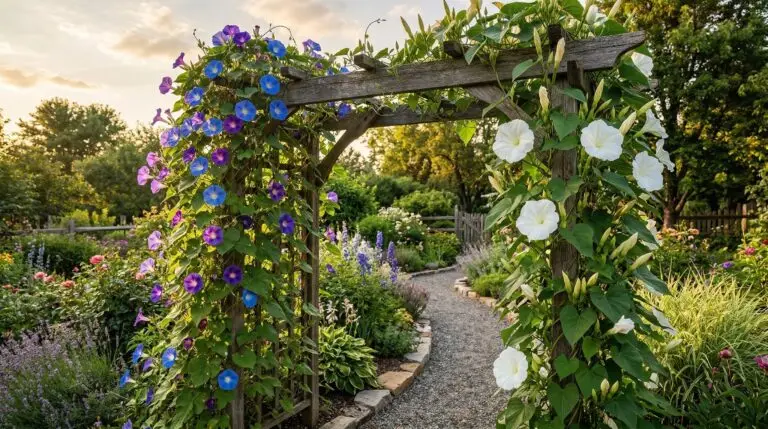
Morning glory companion plants: what to grow, what to avoid
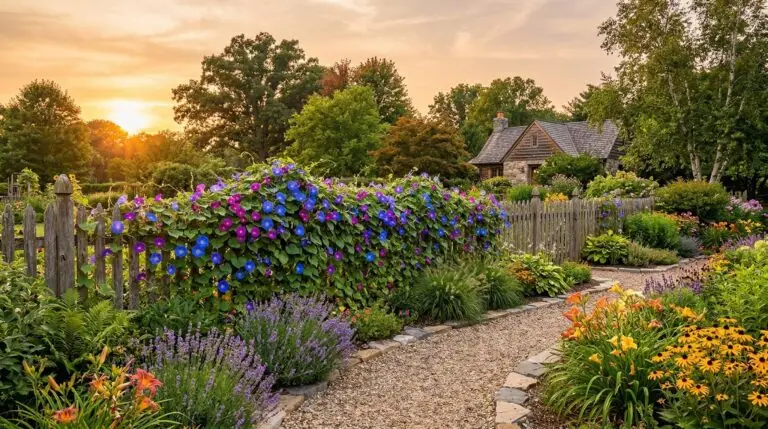
Training morning glories on fences mailboxes and trellises for vertical garden magic
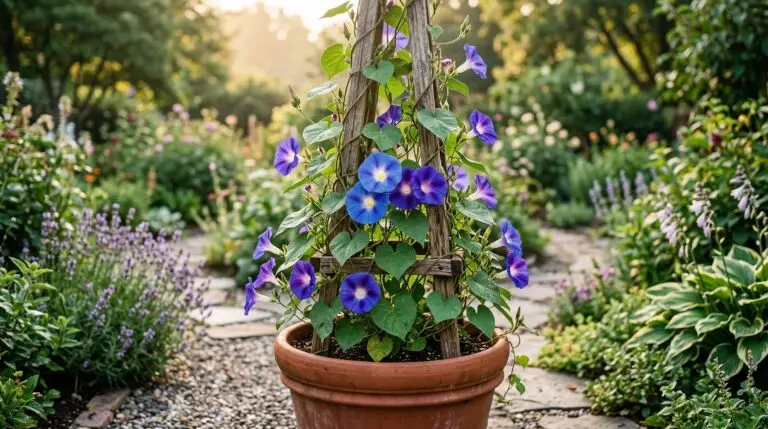
Growing morning glories in containers for balcony vines that bloom all summer
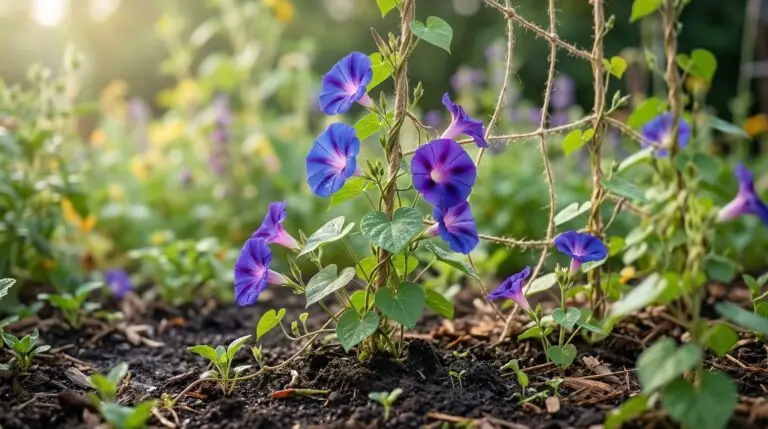
How to grow morning glories for a cascade of trumpet flowers that greet the sunrise
Enjoying our flower guides? Add YourFlowersGuide as a preferred source on Google. It helps more readers find us.
Add to Preferred Sources