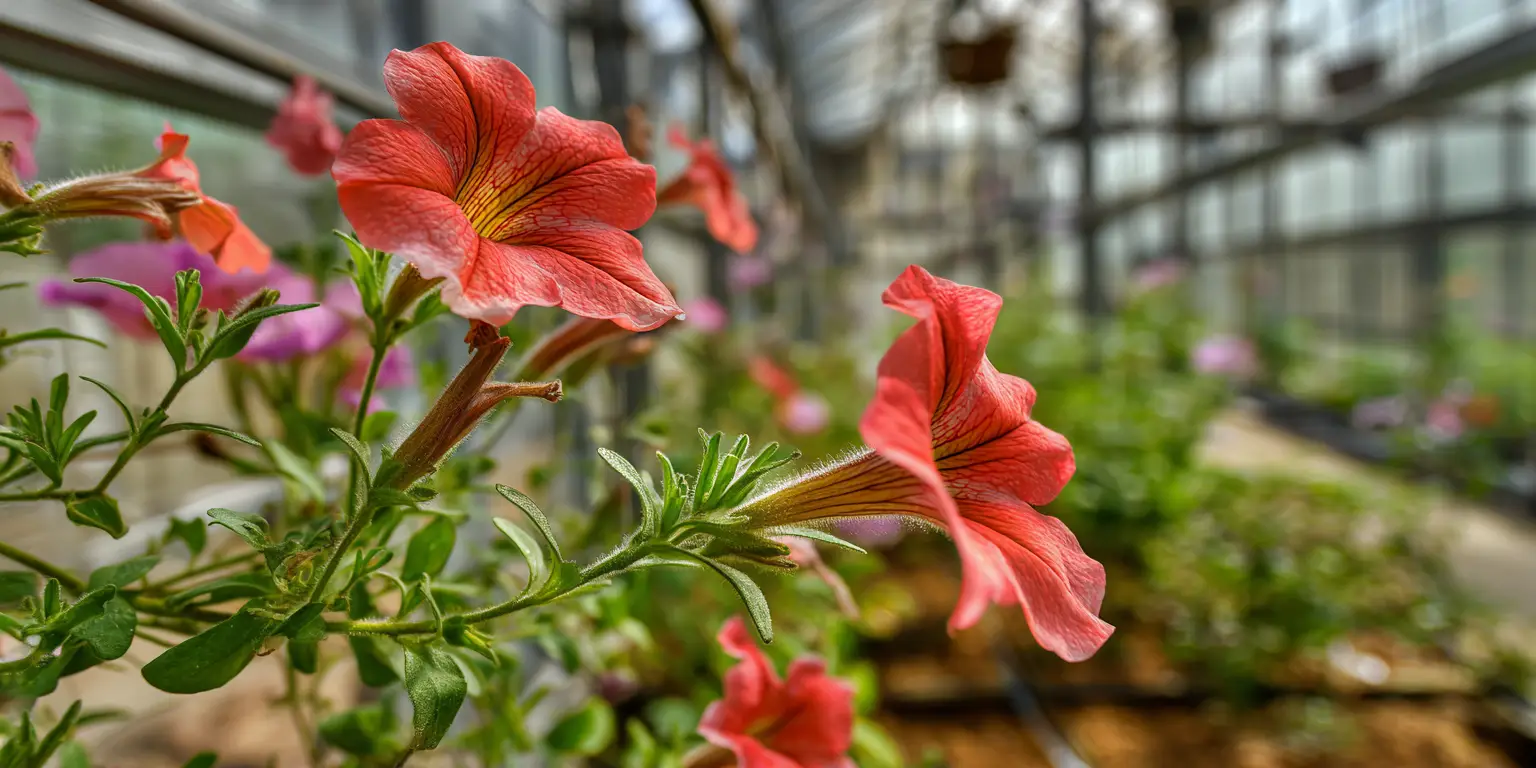
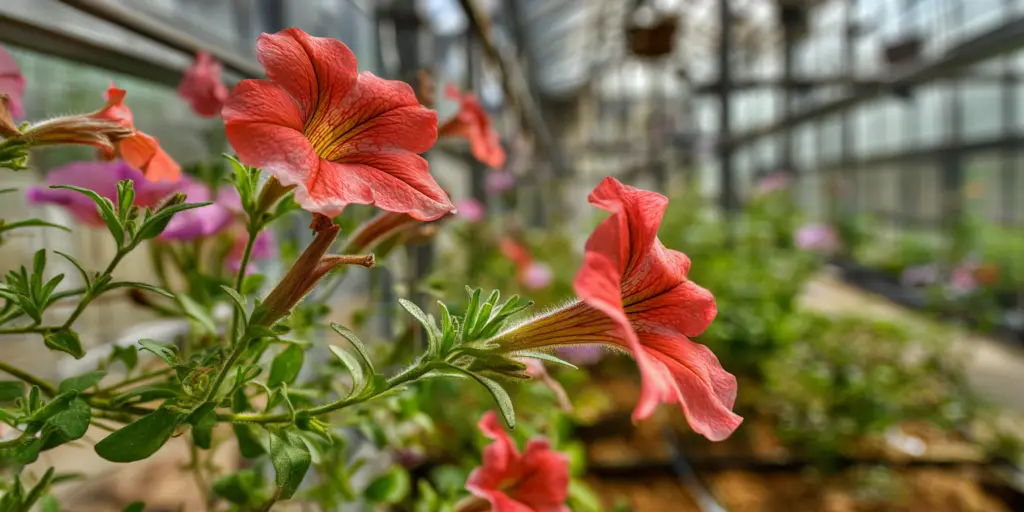
Petunia exserta is a rare Brazilian species best known for red flowers with stamens that extend beyond the petals. It stands out because it is naturally pollinated by hummingbirds and lacks floral scent. Plants flower best in full sun and well‑drained soil and make striking summer displays. Garden use is mainly as an annual in warm, protected sites. It can be grown in containers so blooms are visible and accessible to hummingbirds.
At‑a‑glance
Group/Class: species
Height × spread: unknown / varies by climate
Bloom window: summer to fall in warm conditions
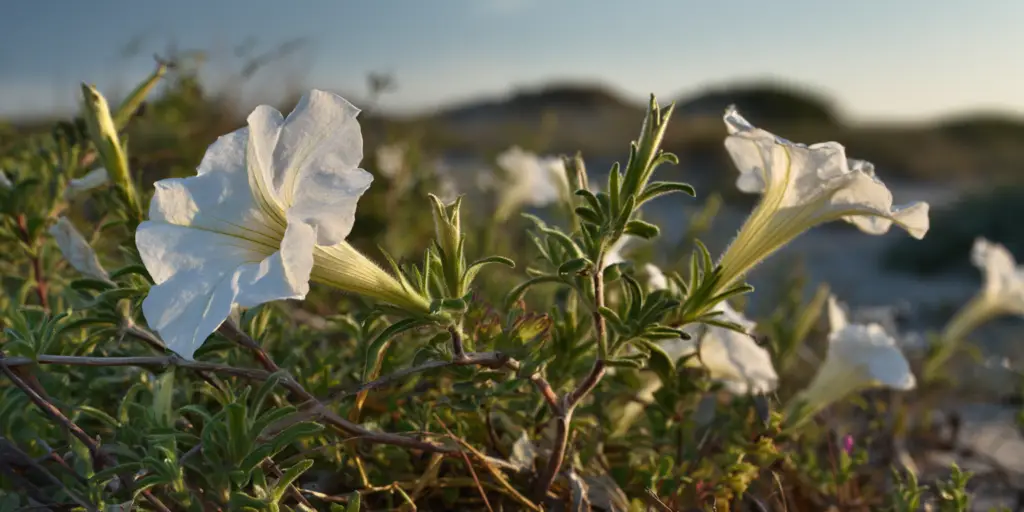
Color & flower form: red, tubular to funnel‑shaped with exserted stamens
Fragrance: 0 none
USDA hardiness: grown as annual in most regions
Breeder / Year / Origin: wild species, Brazil
Pet safety: safe
How it differs
Only Petunia species known to be hummingbird‑pollinated in the wild.
Naturally red flowers rather than purple or white.
No floral scent, unlike night‑scented species.
Best impact in warm sites with regular feeding.
Strengths
Attracts hummingbirds in summer.
Distinctive color and floral form.
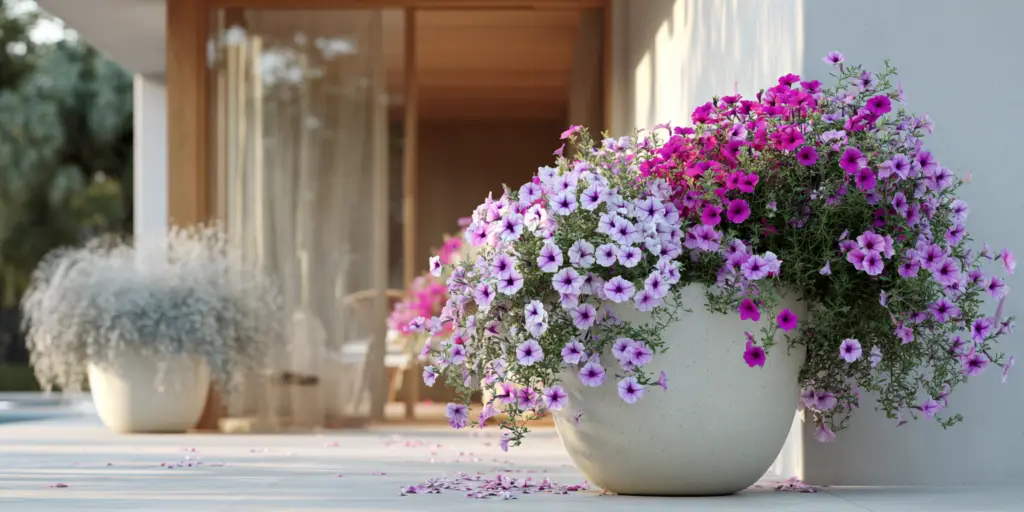
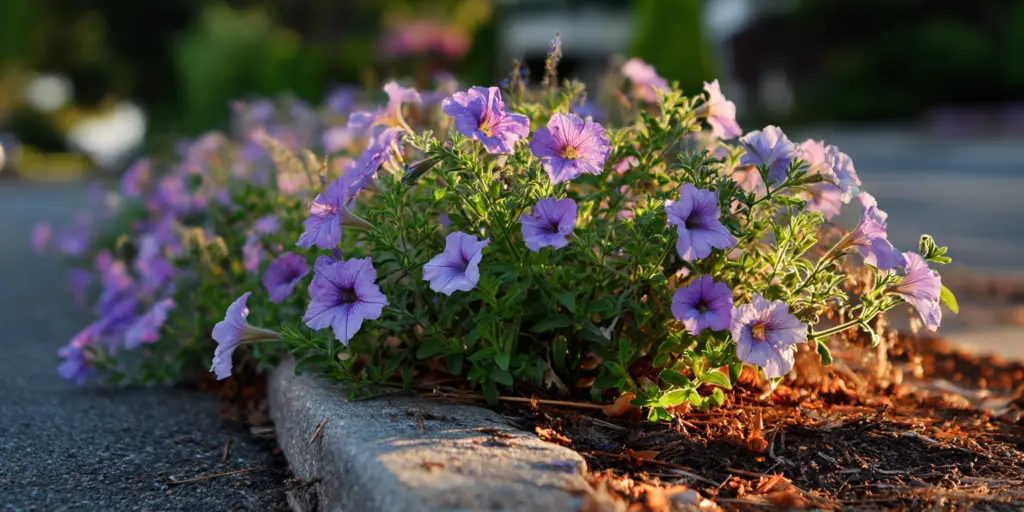
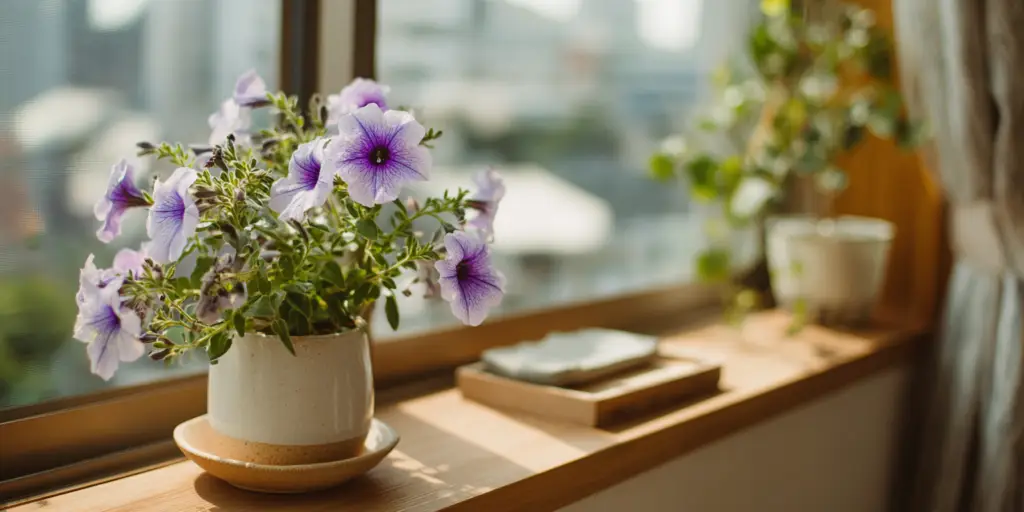
Works well in containers and sunny borders.
Care in one minute
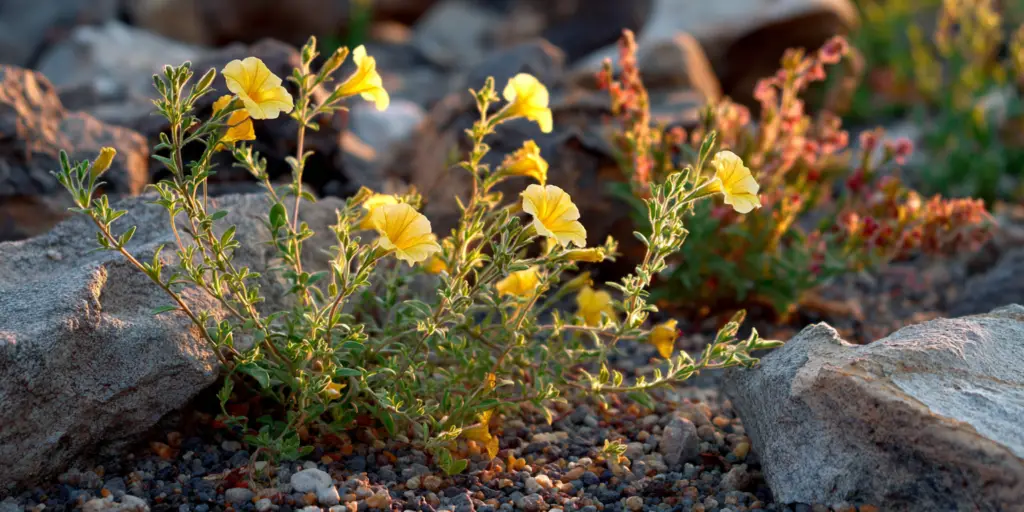
Grow in full sun and well‑drained soil.
Irrigate when the top inch is dry; do not overwater.
Fertilize every 2 to 3 weeks for continuous bloom.
Pinch or shear if stems elongate to maintain shape.
Protect from cold snaps and strong winds.
Watch‑outs
Limited cold tolerance; treat strictly as an annual.
Budworm caterpillars can damage buds in late summer.
Written by: Your Flowers Guide editorial team We are a small independent group of flower lovers who research and review each guide using trusted horticultural and educational sources. Learn more about us