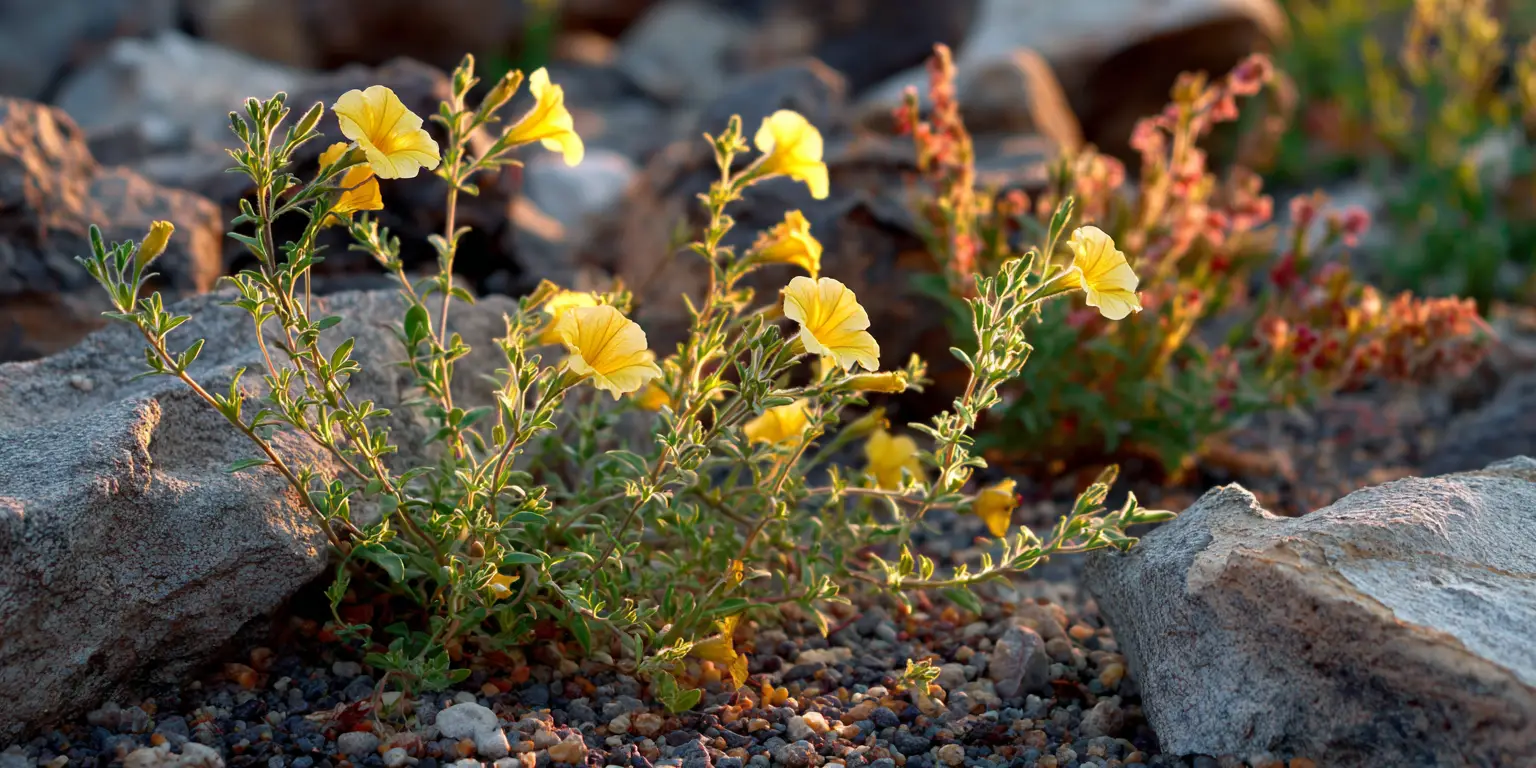
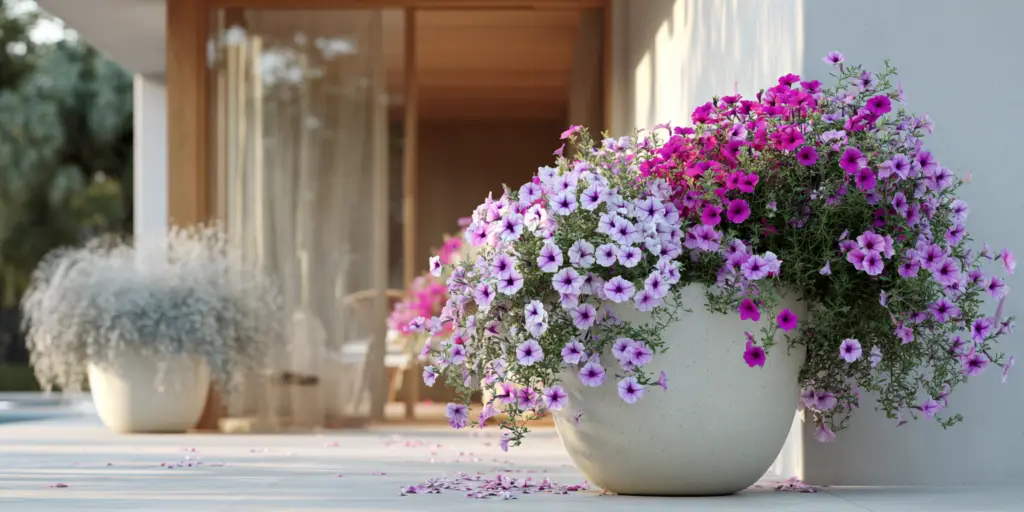
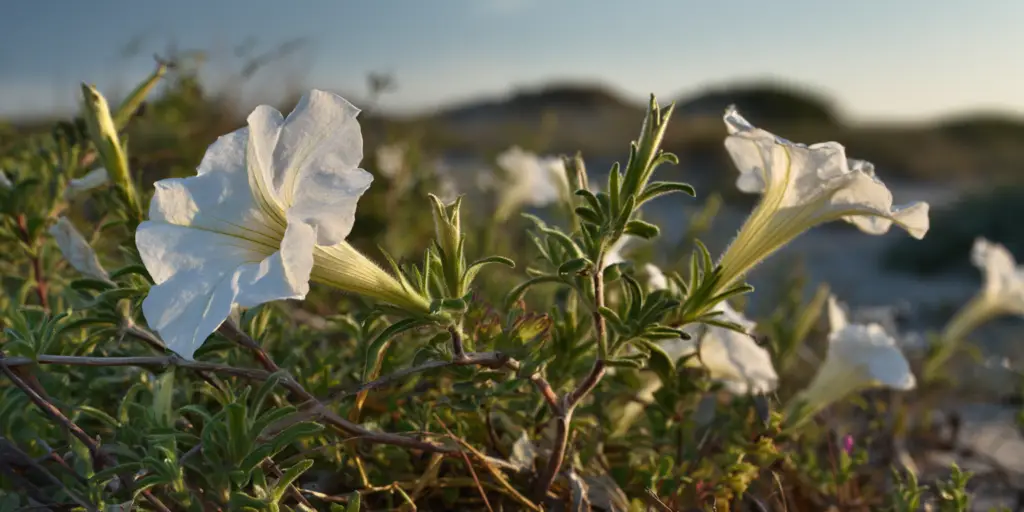
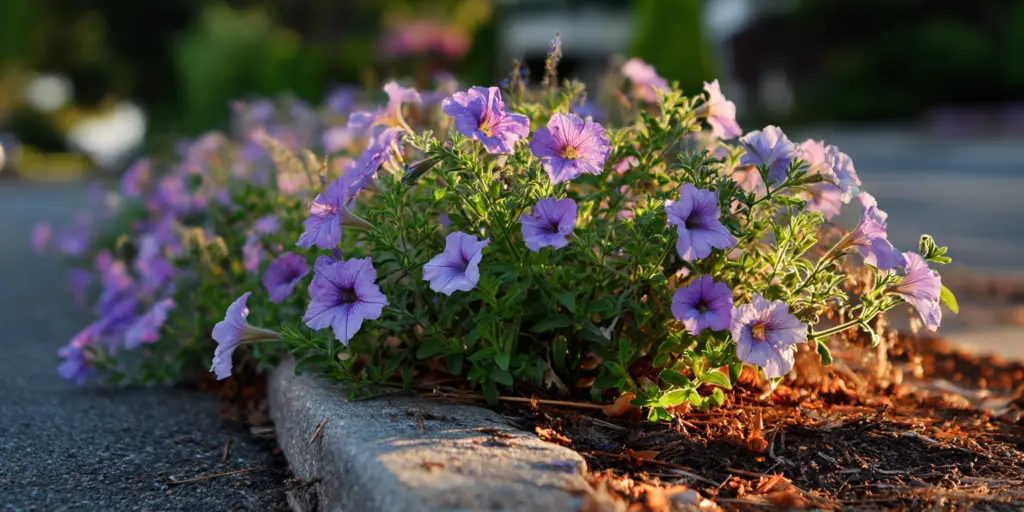
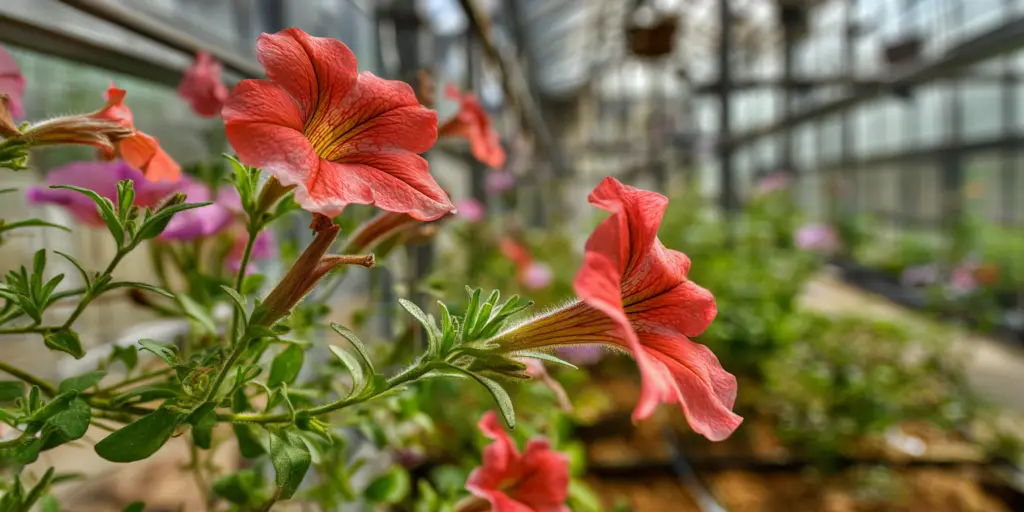
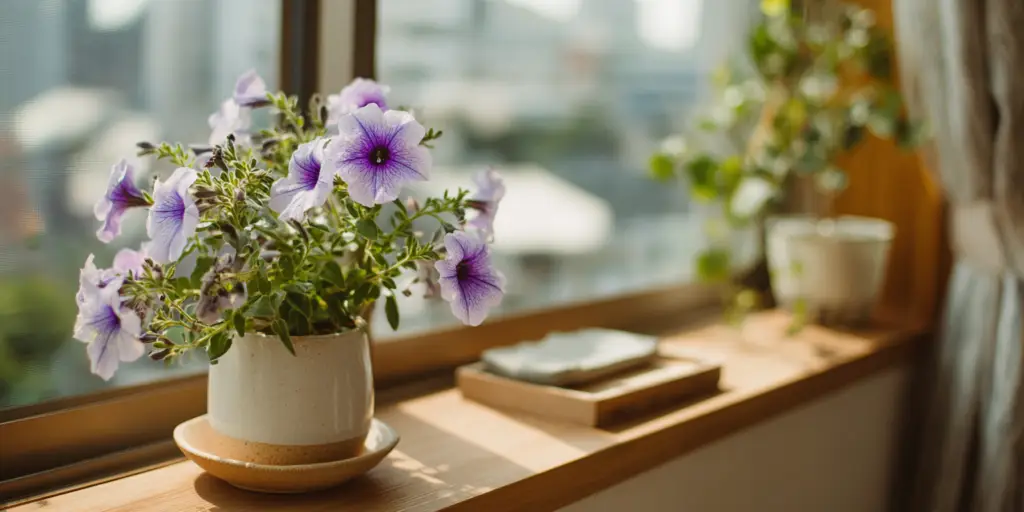
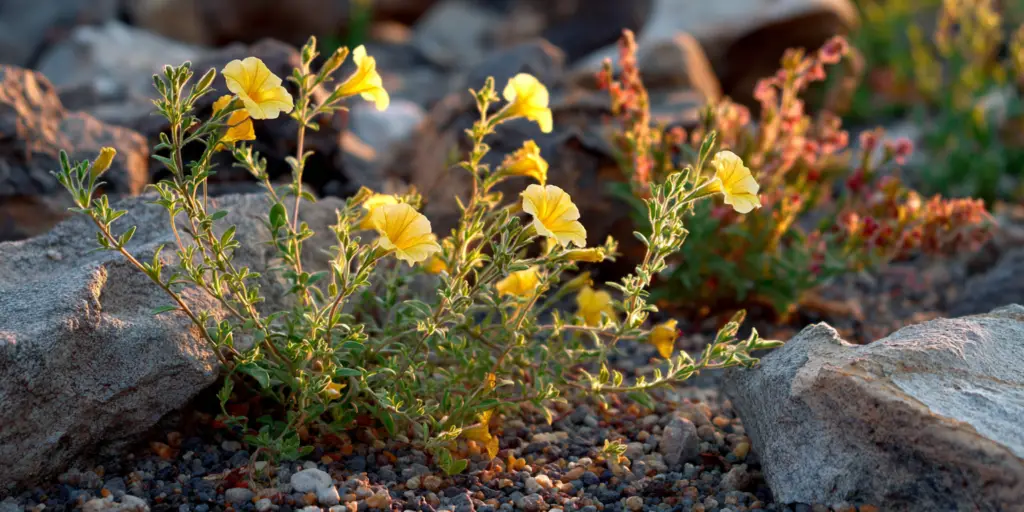
This name now applies to Calibrachoa parviflora, commonly called seaside petunia. It is a small‑flowered wild species that creeps and roots at the nodes. It stands out for tiny purple to pink axillary blooms and a tough habit in sandy, disturbed sites. Garden use is uncommon, but plants can be trialed in containers or naturalistic plantings. It performs best in full sun with sharply drained, slightly acidic media. Most North American growers should handle it as a warm‑season annual.
At‑a‑glance
Group/Class: species (currently placed in Calibrachoa)
Height × spread: 2 to 10 in (5 to 25 cm) × 12 to 24 in (30 to 60 cm)
Bloom window: spring to early fall, depending on climate
Color & flower form: very small purple to pink, axillary, funnel‑shaped
Fragrance: unknown
USDA hardiness: grown as annual in most regions
Breeder / Year / Origin: wild species, South America; naturalized in parts of the U.S.
Pet safety: unknown
How it differs
Much smaller flowers than garden petunias.
Creeping, mat‑forming habit with stems that root at nodes.
Taxonomically treated as Calibrachoa rather than Petunia by Kew.
Often found in sandy or coastal habitats rather than flower beds.
Strengths
Handles sandy, disturbed soils.
Low habit suits shallow containers and rock edges.
Blooms over a long warm season with sun and feed.
Care in one minute
Grow in full sun for best flowering.
Use sharply drained, sandy or soilless mixes; keep evenly moist but not wet.
Written by: Your Flowers Guide editorial team We are a small independent group of flower lovers who research and review each guide using trusted horticultural and educational sources. Learn more about us