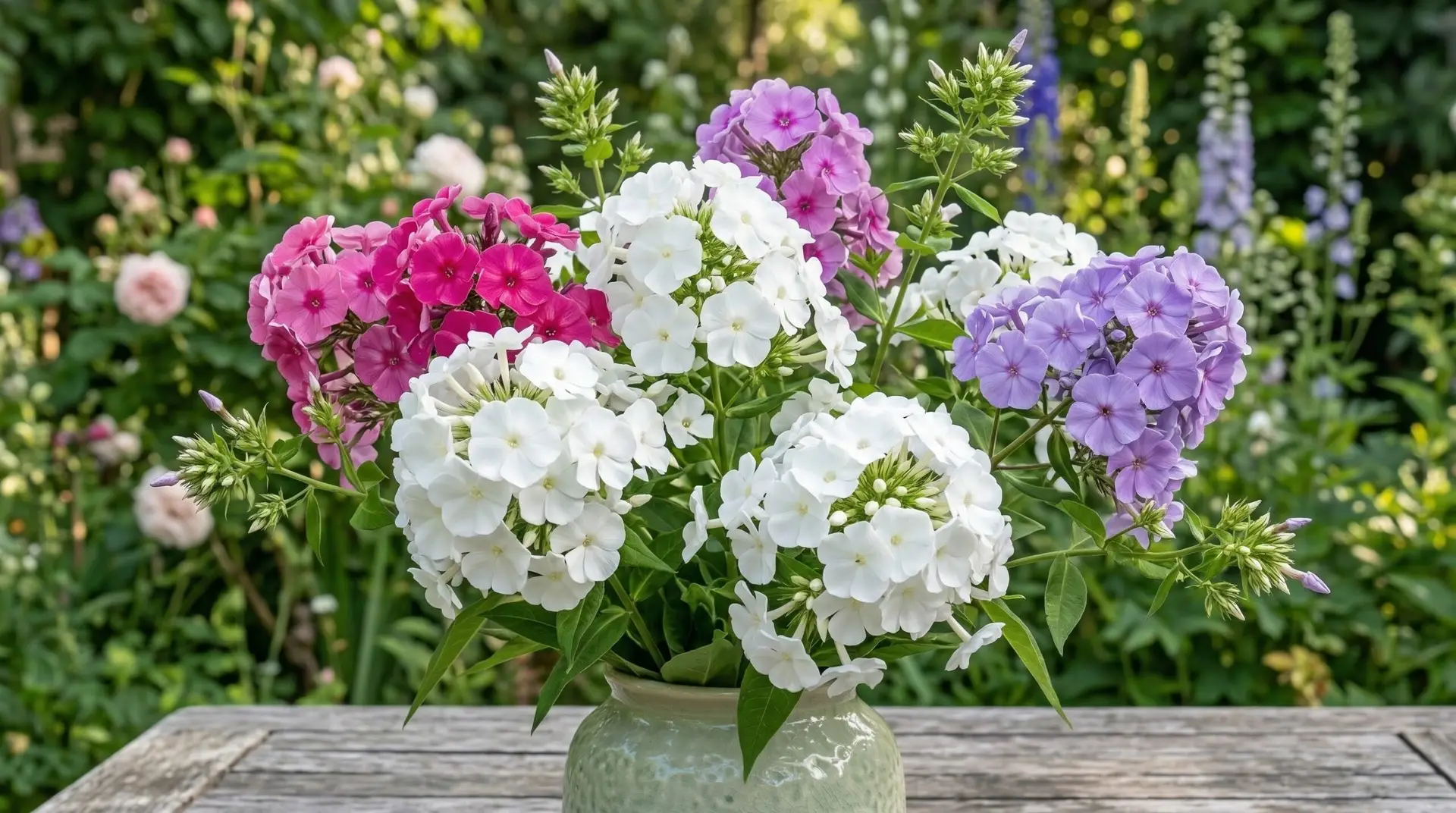
Tall garden phlox is a traditional summer perennial that carries a heavy burden of powdery mildew. Many garden centers continue to sell older varieties that turn into white, powdery messes by August. A careful selection process is necessary to find plants that actually earn their keep in the border. We are discarding the outdated, disease-prone heirloom varieties that require constant chemical intervention. The focus here is strictly on phlox that perform reliably in the garden without excessive maintenance. By choosing the right plants, you can avoid the frustration of defoliated stems and enjoy the classic fragrance this genus provides.
The goal is not to list every phlox available, but to highlight specific varieties that solve common garden problems. We will look at plants that offer genuine mildew resistance, superior color saturation, and varied bloom times. This curated group includes both tall summer bloomers and early spring groundcovers that serve distinct purposes. You will find options for the back of the border, the middle tier, and the shaded woodland edge. Every variety mentioned here has been selected for its specific, reliable contribution to the garden ecosystem.
Contents 4 sections
The standard for disease resistance
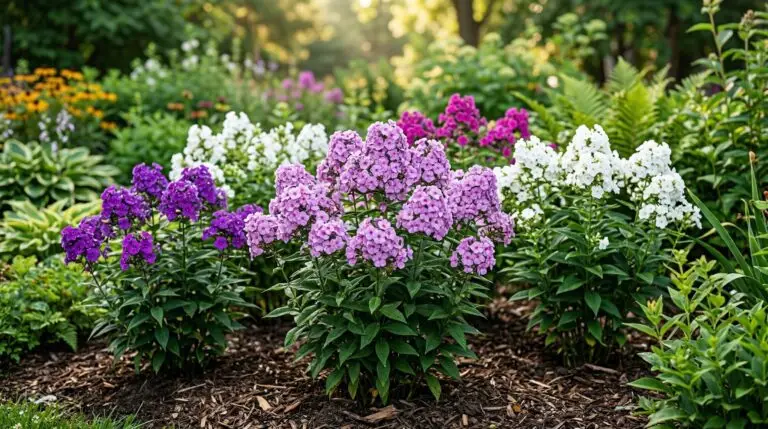
The variety named ‘David’ is the absolute benchmark for mildew-resistant phlox. Discovered as a chance seedling at the Brandywine Conservancy in Pennsylvania, it thrives in humid conditions that destroy other varieties. The bright white flowers are exceptionally fragrant and remain highly visible in the garden at night. Many guides still recommend older white varieties like ‘Mt. Fuji’, but in practice, those older plants almost always succumb to mildew by midsummer. Planting ‘David’ alongside an early blooming daylily ensures a clean, healthy display through the hottest months of the year. This tall variety reaches up to four feet and forms a sturdy, upright clump that rarely needs staking.
While ‘David’ dominates the back of the border, the Volcano series offers a completely different growth habit with similar disease resistance. These plants stay under three feet tall, making them highly suitable for smaller gardens or the middle tier of a planting bed. They maintain clean foliage through the summer heat and produce an abundance of tightly clustered, domed flower heads. The series comes in several colors, but the pink and white bicolor is particularly effective at drawing the eye. You do not need to stake Volcano phlox, which saves considerable time during the busy summer growing season. They branch naturally and form dense, bushy mounds that suppress weeds around their base.
Color saturation and garden presence
Color fading is a common problem in the summer sun, but the variety ‘Starfire’ holds a true, brilliant cherry red without turning muddy. The foliage emerges with a dark burgundy tint in the spring, providing strong visual interest long before the flowers actually open. This variety does require excellent air circulation because its mildew resistance is only moderate compared to the absolute immunity of ‘David’. You must plant it in full sun and give it plenty of space away from crowding neighbors to keep the leaves clean. The intensity of the red color justifies the extra care in placement and soil preparation. There is simply no other tall garden phlox that matches the pure red saturation of ‘Starfire’.
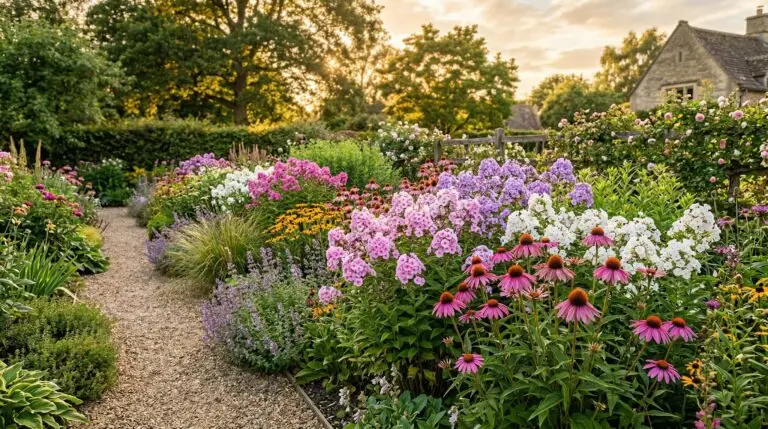
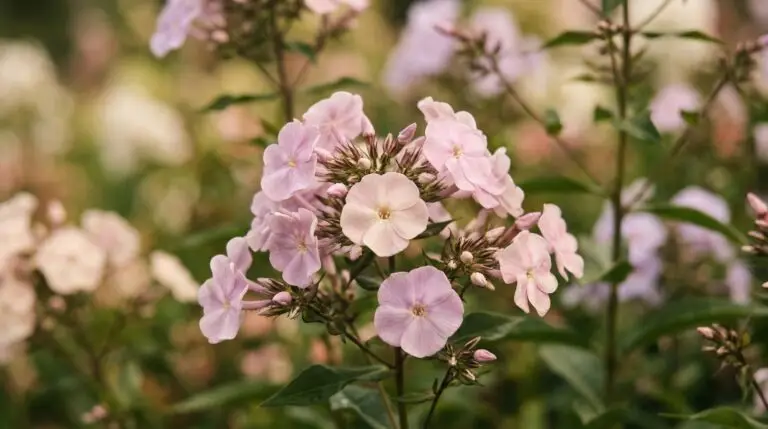
For a softer color palette, ‘Bright Eyes’ is a classic pale pink phlox with a distinct dark red center. It is an older variety that has remained relevant because it performs reliably well across many different climate zones. The individual flowers are large, and the stems are sturdy enough to withstand heavy summer rain showers without snapping. Planting it alongside a sturdy coneflower creates a reliable, weather-resistant midsummer display. It bridges the gap between the stark white of ‘David’ and the intense red of ‘Starfire’, offering a harmonious transition in a mixed border. ‘Bright Eyes’ consistently scores high in mildew resistance trials, making it a safe choice for humid regions.
Extending the season with early bloomers
Traditional tall garden phlox blooms in mid to late summer, leaving a gap in the early summer garden. The Opening Act hybrid series solves this timing issue by blooming three to four weeks earlier than the standard paniculata types. These plants possess excellent mildew resistance and glossy, dark green foliage that looks healthy even when the plant is not in flower. They spread slowly by underground stolons to form wide, substantial clumps over time. This series represents a significant improvement in phlox breeding by extending the usable season of the genus. The lavender and pink options in this series are particularly strong performers that rebloom lightly if you shear them back after the first flush.
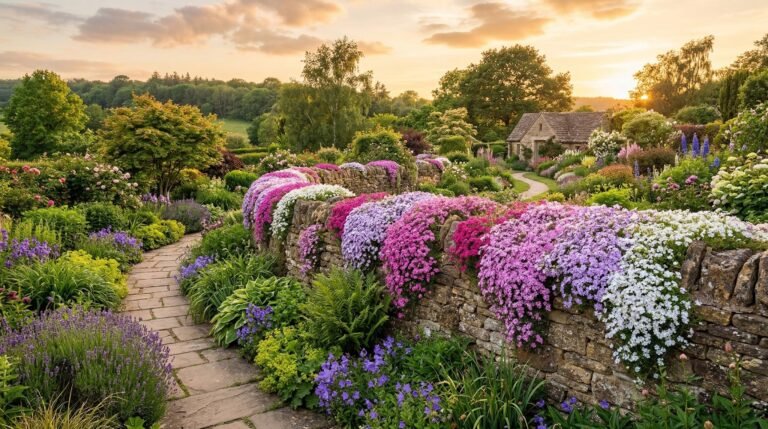
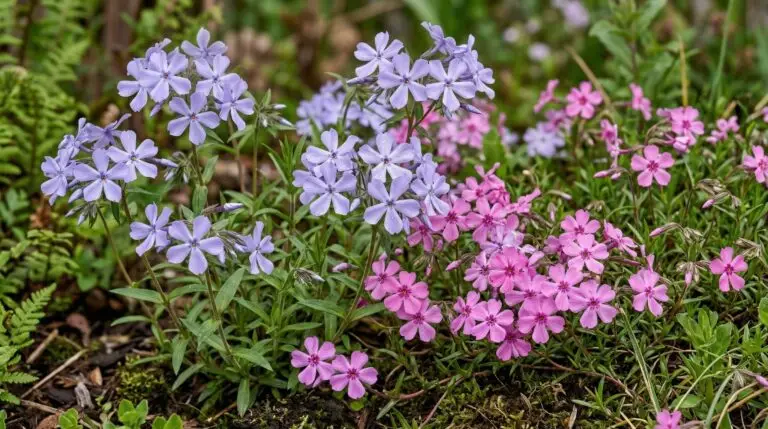
While tall garden phlox dominates the summer border, creeping phlox and woodland phlox are essential for the spring garden. Creeping phlox, formally known as Phlox subulata, forms a dense evergreen mat of color that cascades beautifully over rock walls and dry slopes. Woodland phlox, specifically the variety ‘Blue Moon’, offers highly fragrant, violet-blue flowers that thrive in partial shade under deciduous trees. These early bloomers require entirely different conditions than their tall cousins, preferring sharp drainage or dappled light rather than rich, moist border soil. Many gardeners overlook the woodland species entirely, missing out on one of the most reliable spring wildflowers available. Selecting these different types of phlox allows you to keep the genus blooming in your garden from April through August.
The top recommendation
While the newer hybrids offer early blooms and compact habits, ‘David’ remains the most essential phlox for the garden. Its combination of absolute mildew resistance, towering height, and intense fragrance has not been surpassed by modern breeding programs. It is the one phlox variety that belongs in every perennial border, proving that a chance discovery can yield a plant superior to deliberate crosses. You can rely on ‘David’ to provide bright white, fragrant blooms at the exact moment the summer garden begins to look tired. If you only have space to plant a single variety of phlox, this is the one that will deliver years of performance with minimal intervention.
More About Phlox
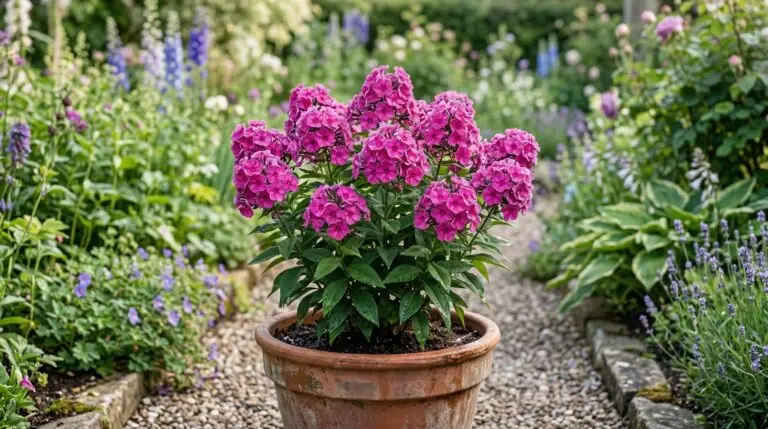
Growing phlox in containers for fragrant summer displays on patios and balconies
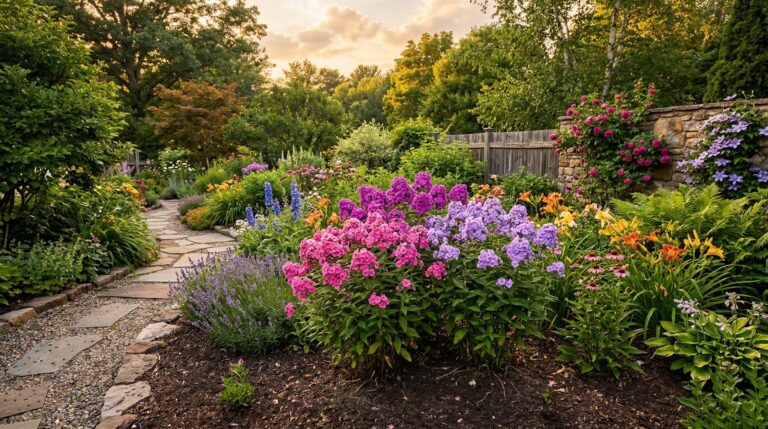
Dividing tall garden phlox every few years for stronger plants and more flowers
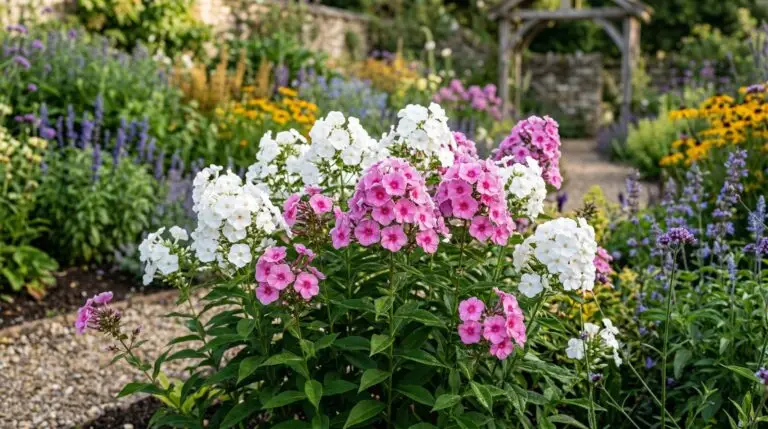
How to grow garden phlox for fragrant flower clusters that dominate the midsummer border
Companion plants for phlox: what to grow and what to avoid
Phlox as a butterfly and hummingbird magnet for fragrant pollinator gardens
Phlox flower meaning and the sweet agreement this bloom represents in the language of flowers
Creeping phlox for spring ground cover that turns slopes into rivers of color
Phlox powdery mildew and how to finally beat this persistent fungal problem
Woodland phlox for shade gardens with delicate spring flowers and sweet fragrance
Enjoying our flower guides? Add YourFlowersGuide as a preferred source on Google. It helps more readers find us.
Add to Preferred Sources