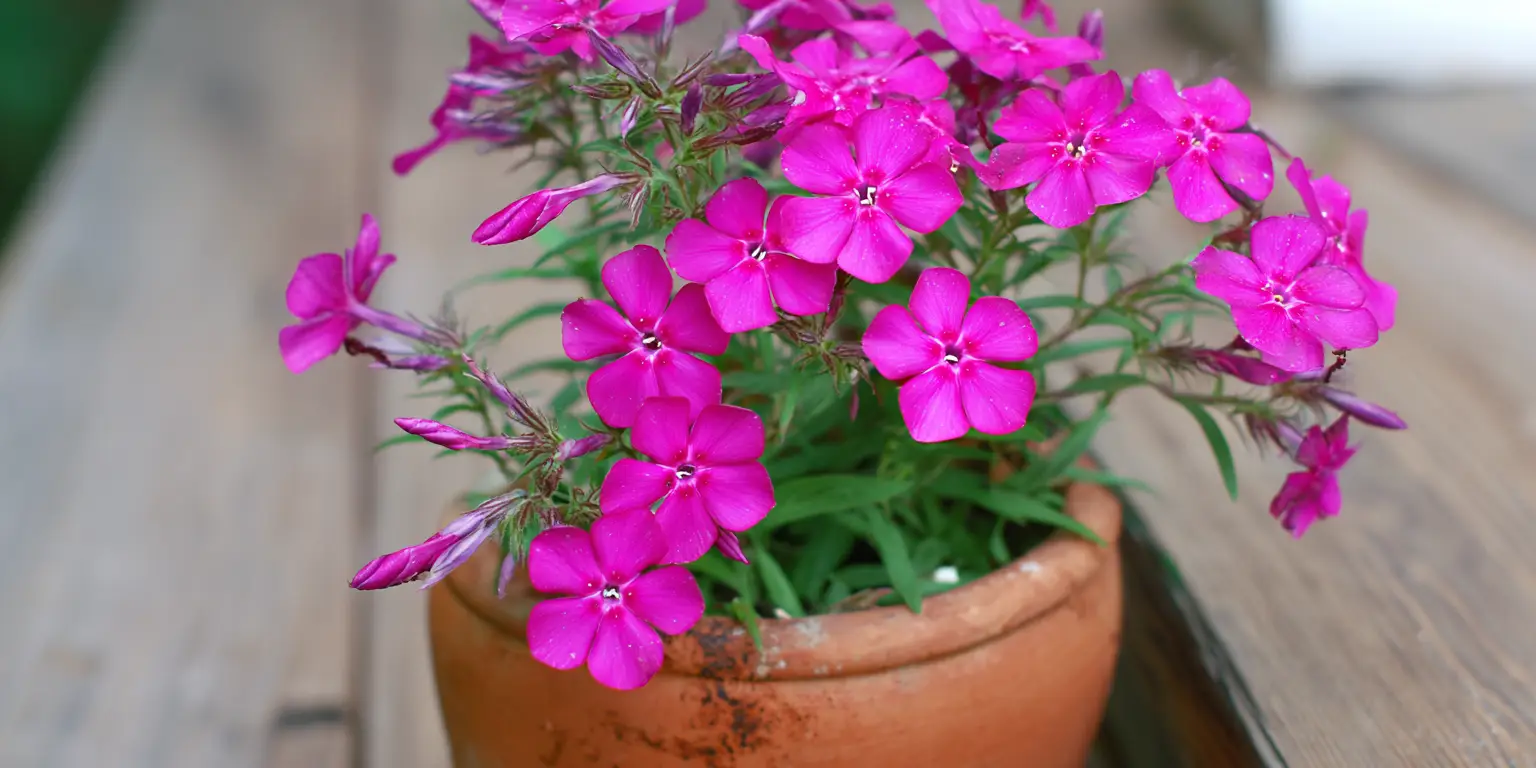
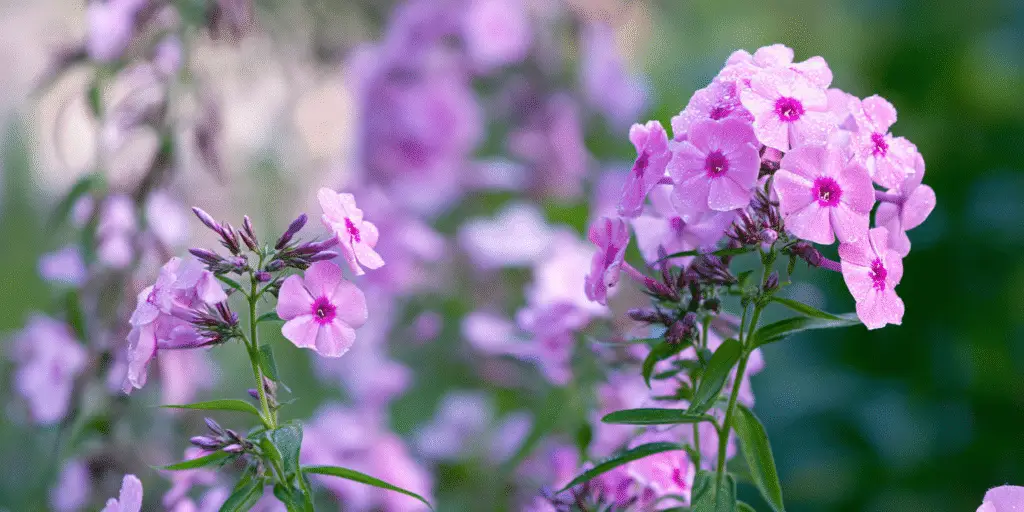
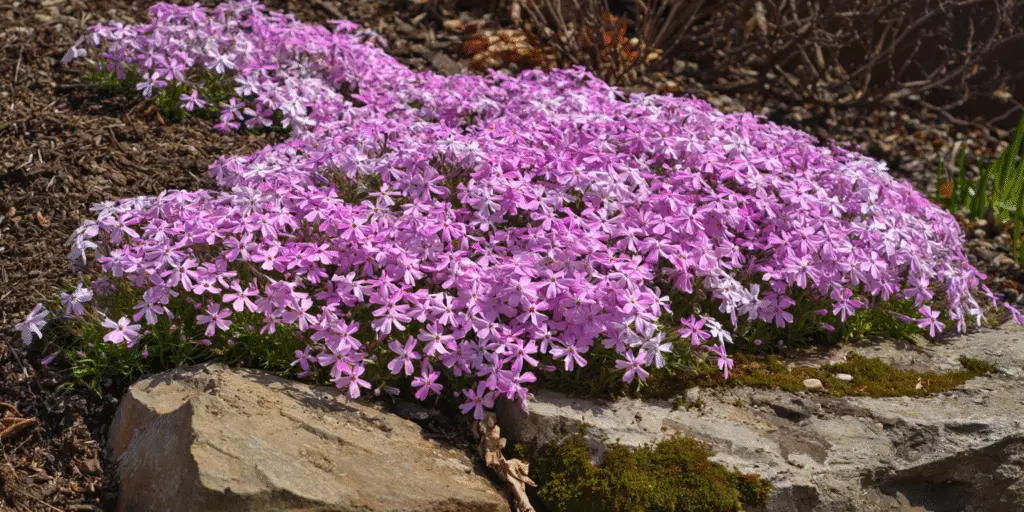
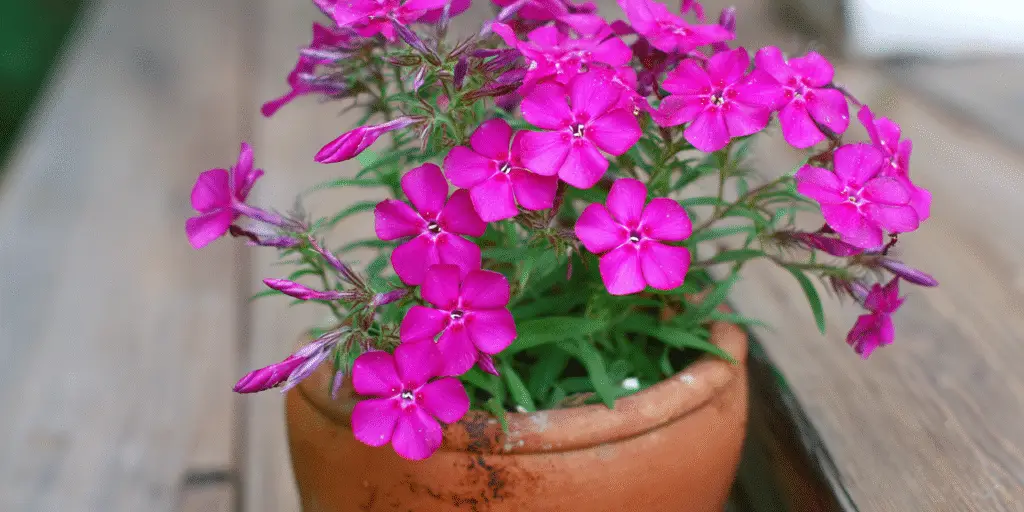
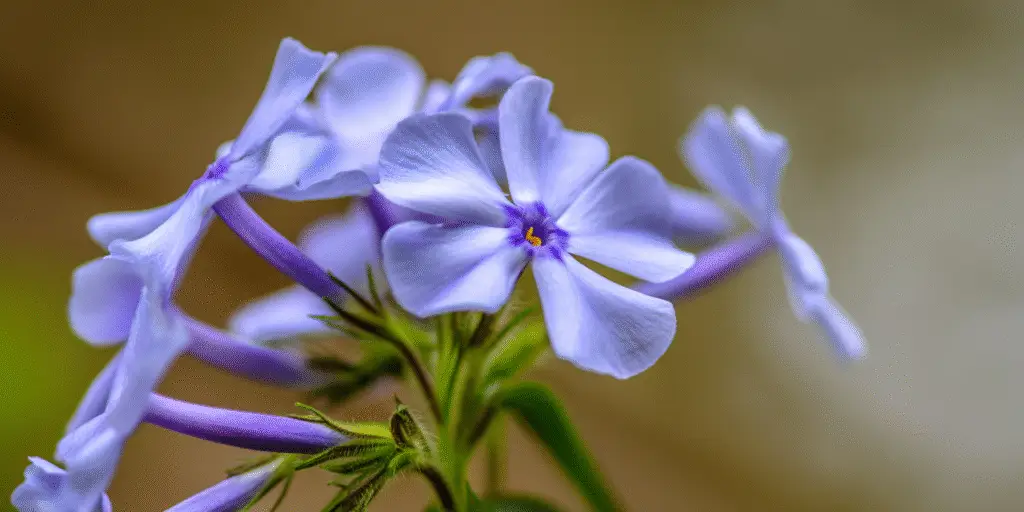
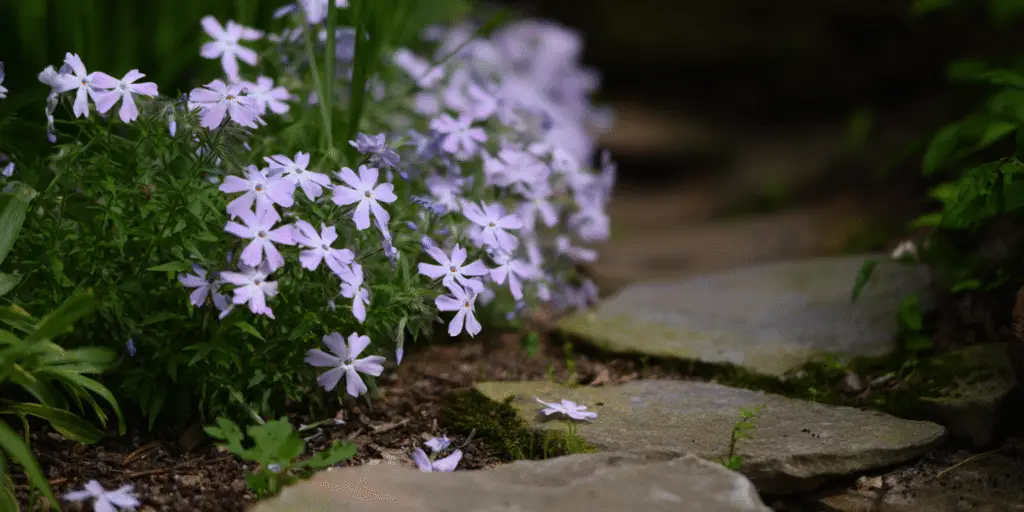
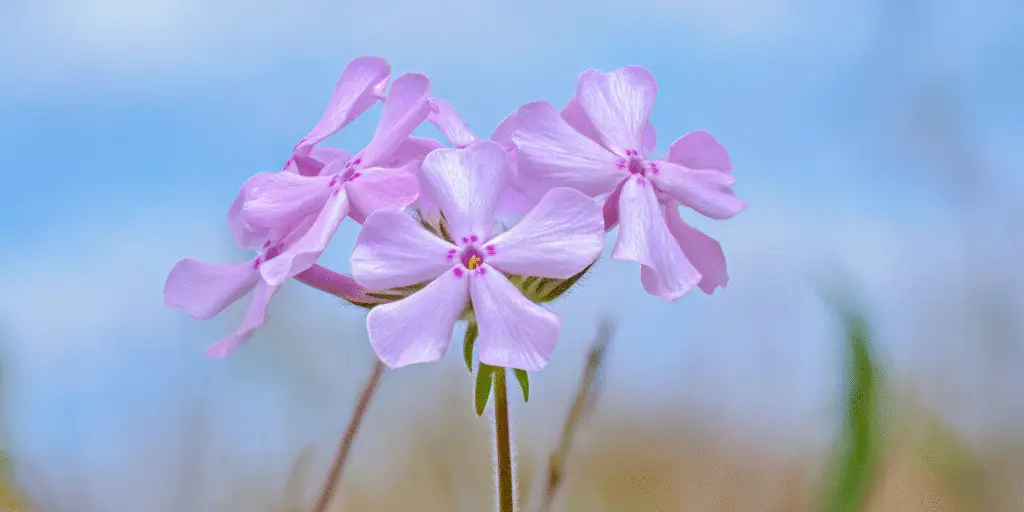
Phlox drummondii is a half‑hardy annual native to Texas grown for bright, low mounds of spring and early summer color. Plants flower in a wide range of shades and often show a contrasting eye. It is best in full sun with afternoon shade in hot climates and needs regular moisture in well‑drained soil. Deadheading keeps flowers coming, and plants may revive for a lighter fall flush where summers cool. Compact size and nonstop bloom make it a reliable choice for containers and the front of borders.
At‑a‑glance
Group/Class: Half‑hardy annual
Height × spread: 6–12 in (15–30 cm) × 6–12 in (15–30 cm)
Bloom window: May to July
Color & flower form: Clusters of five‑lobed, trumpet‑shaped flowers in many colors
Fragrance: 1 trace
USDA hardiness: grown as annual across North America
Breeder / Year / Origin: unknown; native to Texas
Pet safety: unknown
How it differs
Grown as an annual rather than a perennial clump.
Lower, compact habit suited to edging and containers.
Longest bloom in cool summers; declines in peak heat.
Color range broader than most native perennials.
Strengths
Quick to flower from seed.
Abundant color at low height.
Attracts butterflies and hummingbirds.
Useful for filling gaps and seasonal displays.
Care in one minute
Sow or plant after frost in full sun; provide afternoon shade where summers are hot.
Grow in loose, fertile, well‑drained soil and water consistently.
Pinch young plants to promote branching.
Deadhead to extend bloom and limit reseeding where not desired.
Watch‑outs
Powdery mildew in humid weather.
Crown rot in poorly drained soil.
Spider mites may occur in heat and drought.
Best uses (tags)
containers; bedding; edging; pollinators
Provenance note
The species honors Scottish collector Thomas Drummond, who sent Texas seed to Europe in the 1830s.
Written by: Your Flowers Guide editorial team We are a small independent group of flower lovers who research and review each guide using trusted horticultural and educational sources. Learn more about us