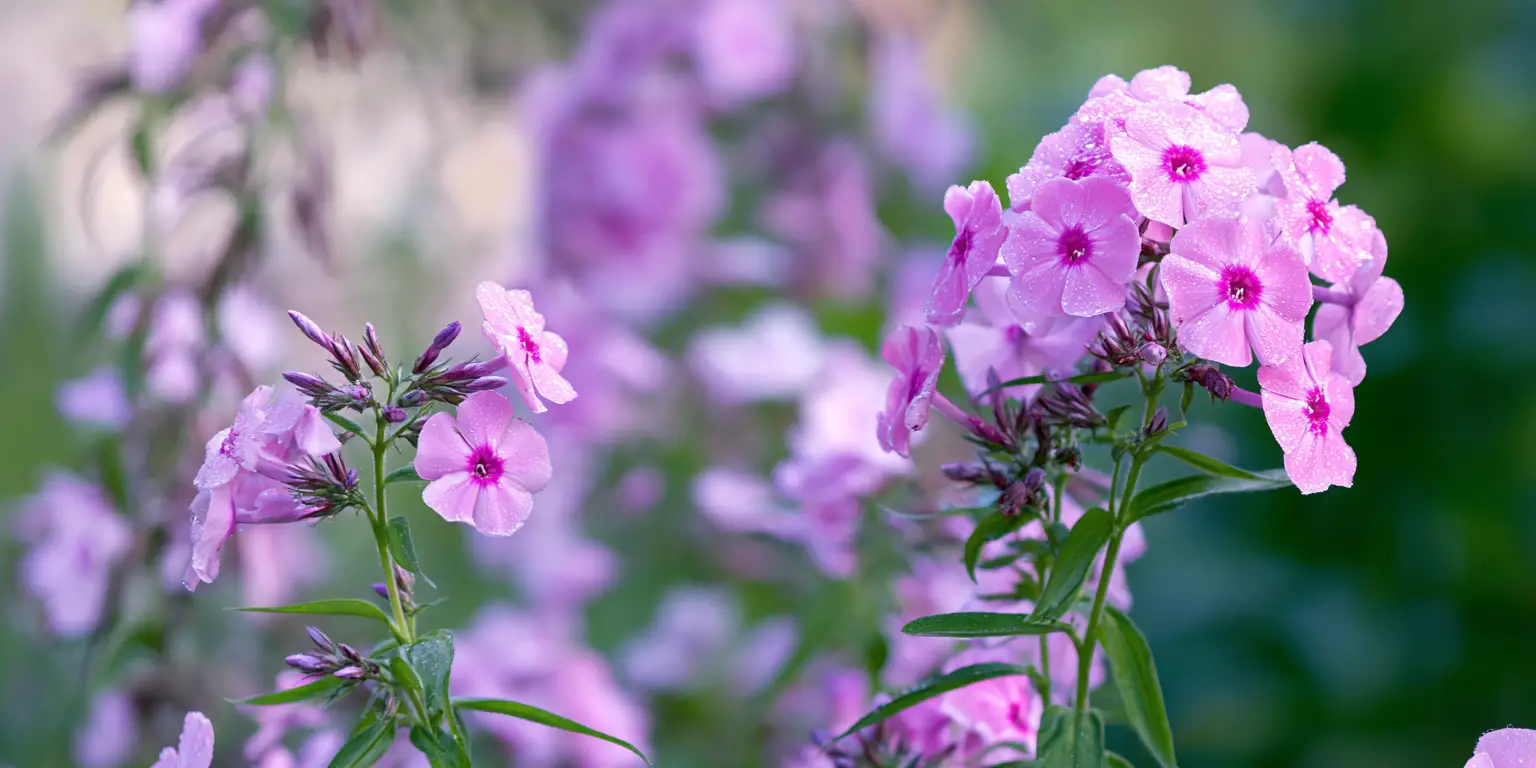
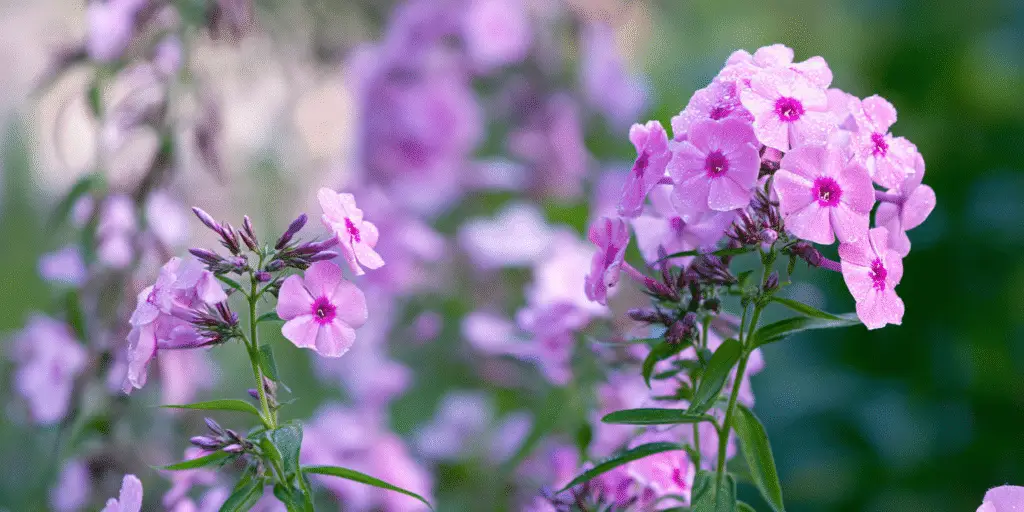
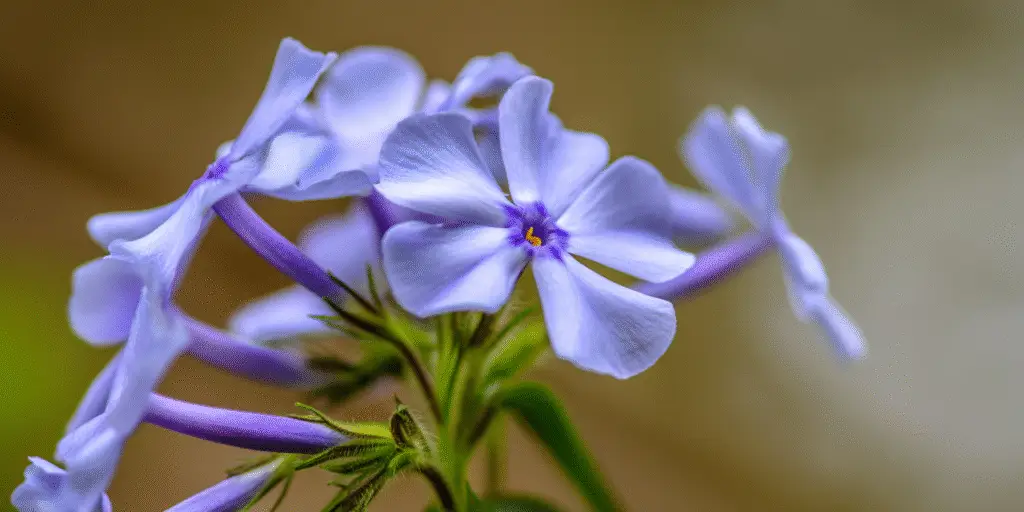
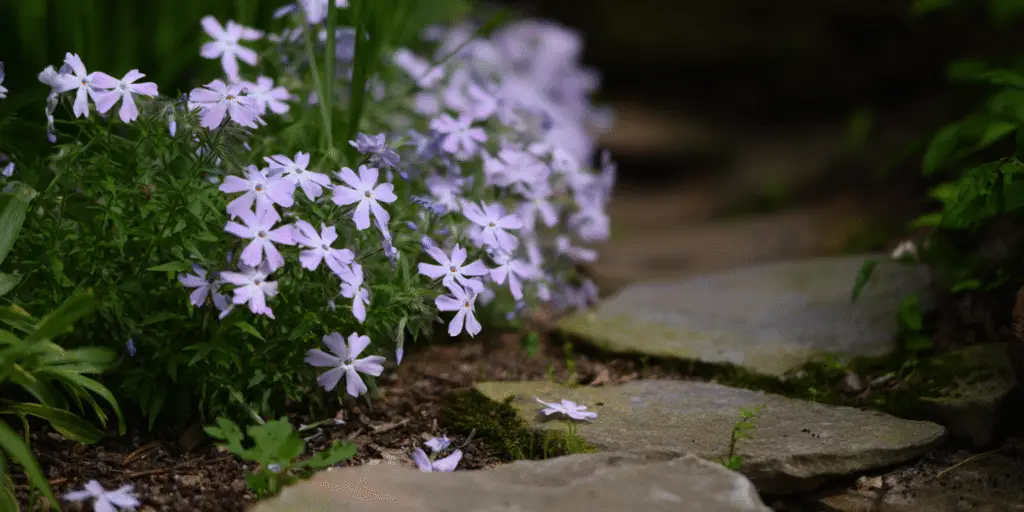
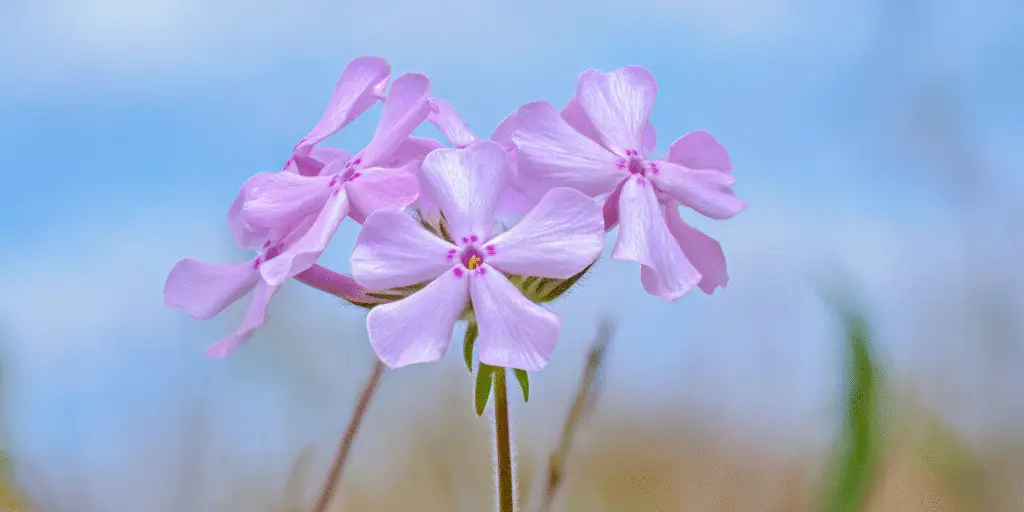
Phlox paniculata is a tall, clump‑forming perennial valued for midsummer to early fall bloom in North American gardens. One trait that stands out is its large terminal panicles that add color and fragrance while supporting butterflies and hummingbirds. This species performs best in full sun with good air circulation in regions that are not extremely hot and humid. Rich, evenly moist, well‑drained soil supports the longest display and the healthiest foliage. Deadheading extends the bloom window and limits self‑seeding. This plant anchors sunny borders and provides reliable fragrant cut stems.
At‑a‑glance
Group/Class: Herbaceous perennial (garden phlox)
Height × spread: 2–4 ft (0.6–1.2 m) × 2–3 ft (0.6–0.9 m)
Bloom window: July to September
Color & flower form: Domed panicles of many small tubular florets in white, pink, or purple
Fragrance: 2 noticeable
USDA hardiness: zones 4–8
Breeder / Year / Origin: unknown; native to the eastern United States
Cut‑flower notes: Stem strength: moderate; vase life commonly reported at 7 to 10 days for select cultivars
Pet safety: unknown
How it differs
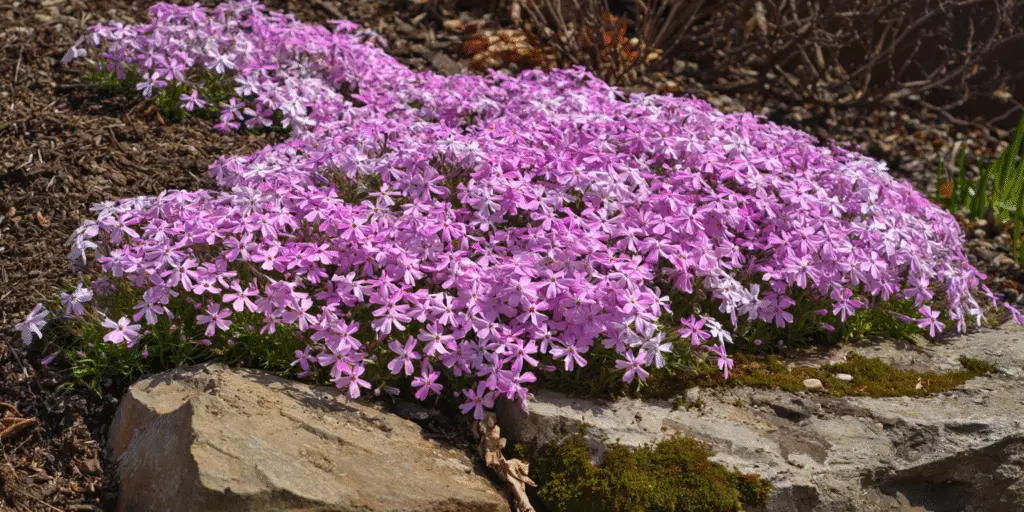
Upright clumping habit rather than a creeping mat.
Mid to late season bloom instead of spring bloom.
Large panicles instead of small loose clusters.
Needs full sun and air circulation; more mildew prone than creeping types.
Strengths
Long summer bloom.
Noticeable fragrance.
Strong pollinator appeal.
Widely hardy and adaptable within zones 4 to 8.
Care in one minute
Site in full sun to light shade with open air flow.
Provide fertile, well‑drained soil kept evenly moist.
Water during dry spells; avoid overhead irrigation.
Deadhead to prolong bloom; divide clumps as needed every few years.
Cut back and clean up spent stems before winter to reduce disease carryover.
Watch‑outs
Powdery mildew can develop in humid or crowded conditions.
Root rot possible in poorly drained soil.
Stems may require staking in rich shade or wind.
Best uses (tags)
cutting; borders; pollinators; late season
Provenance note
A species native to eastern North America; modern breeding emphasizes powdery mildew tolerance in many garden selections.
Written by: Your Flowers Guide editorial team We are a small independent group of flower lovers who research and review each guide using trusted horticultural and educational sources. Learn more about us