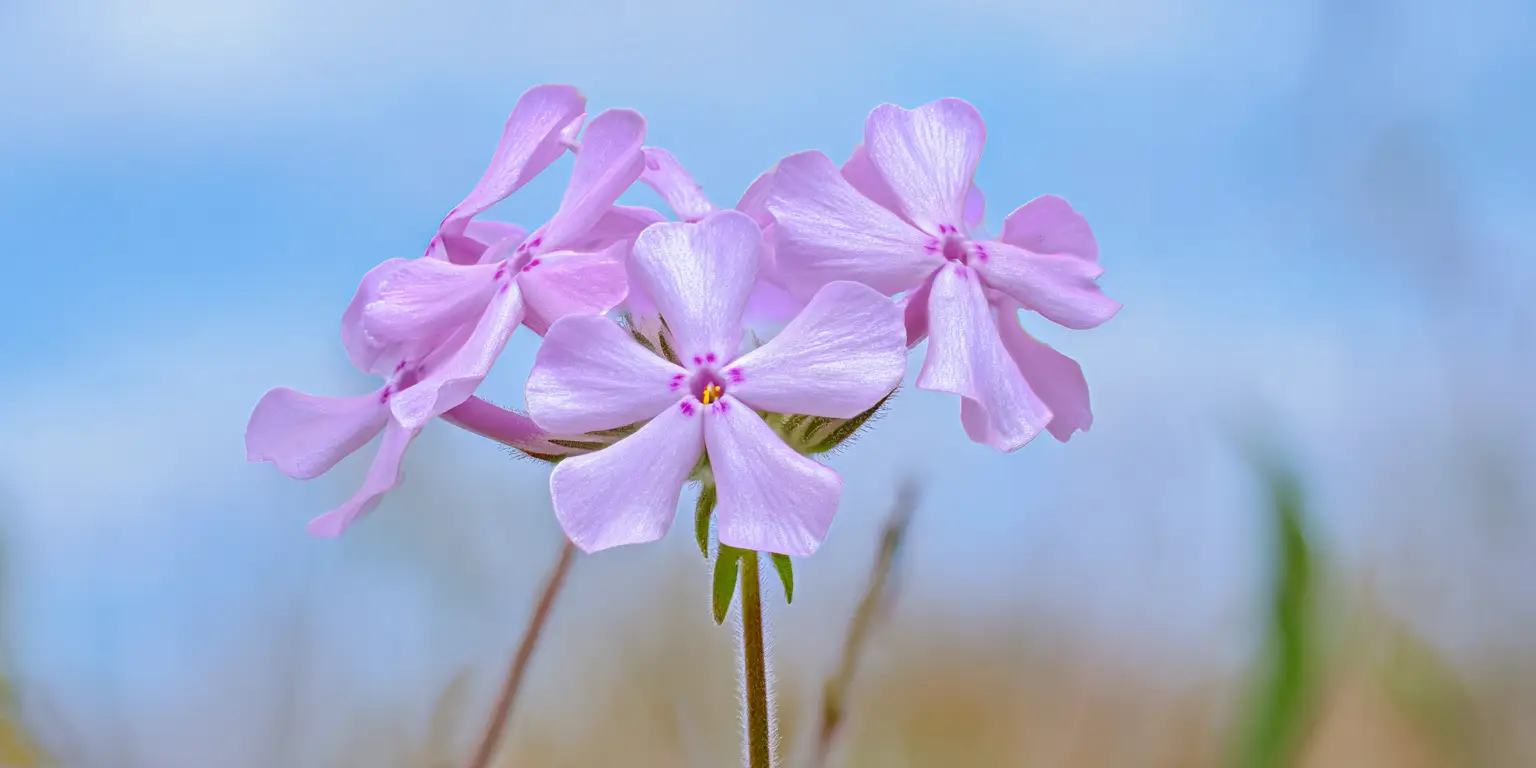
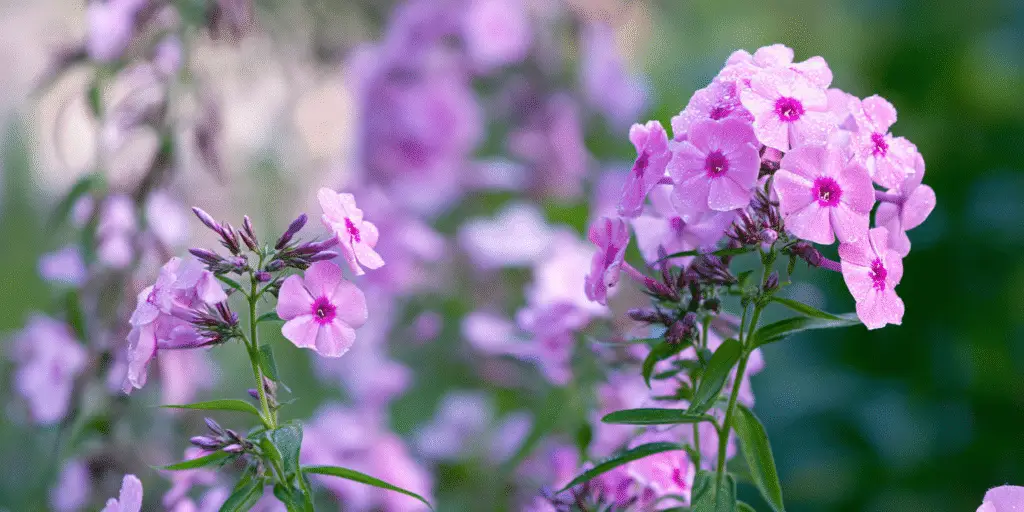
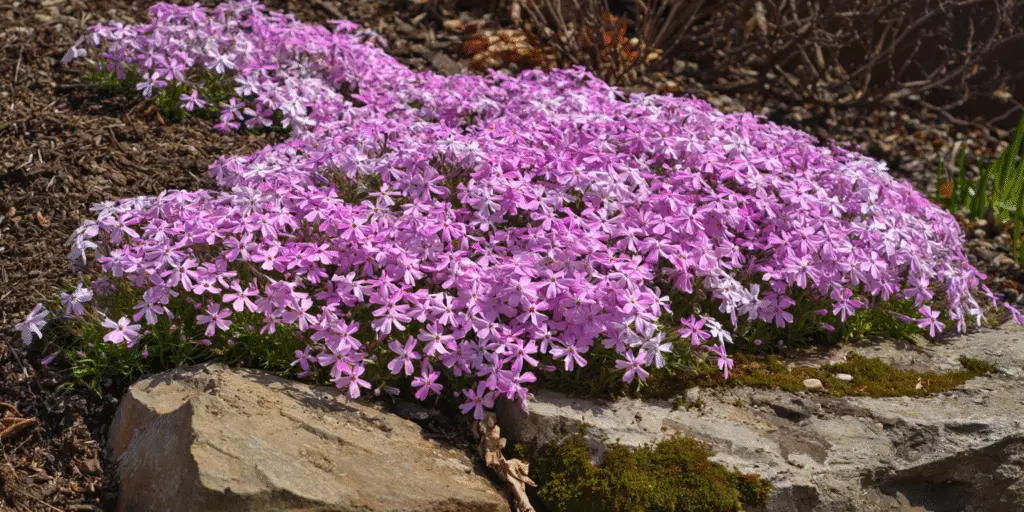
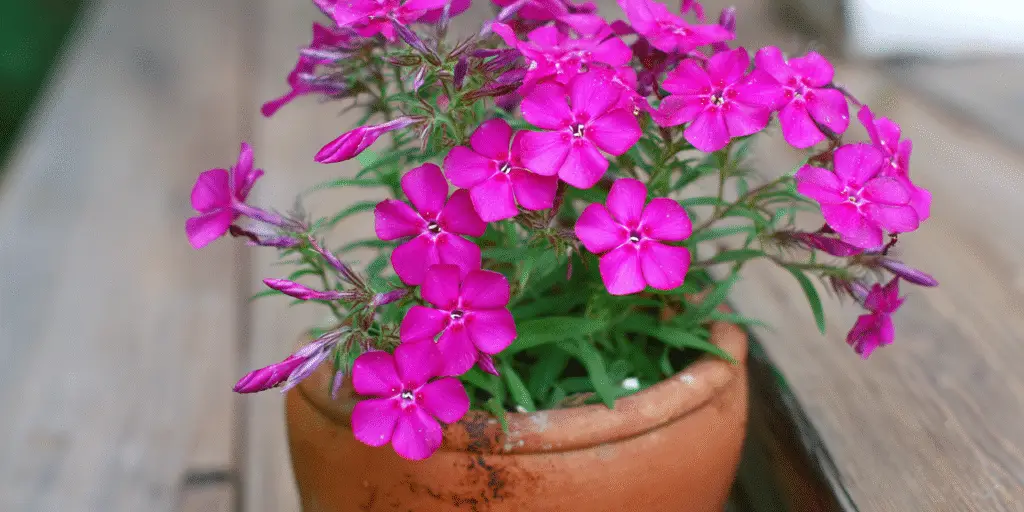
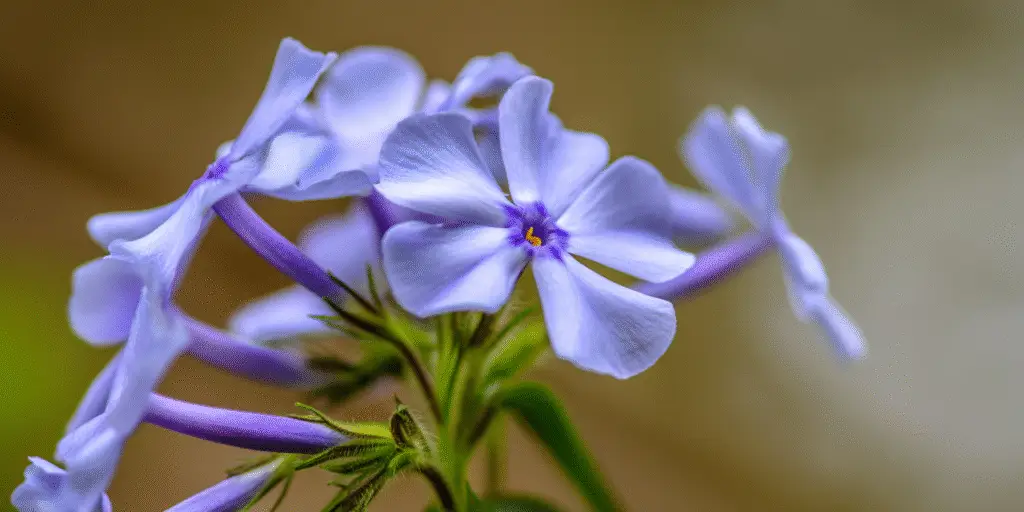
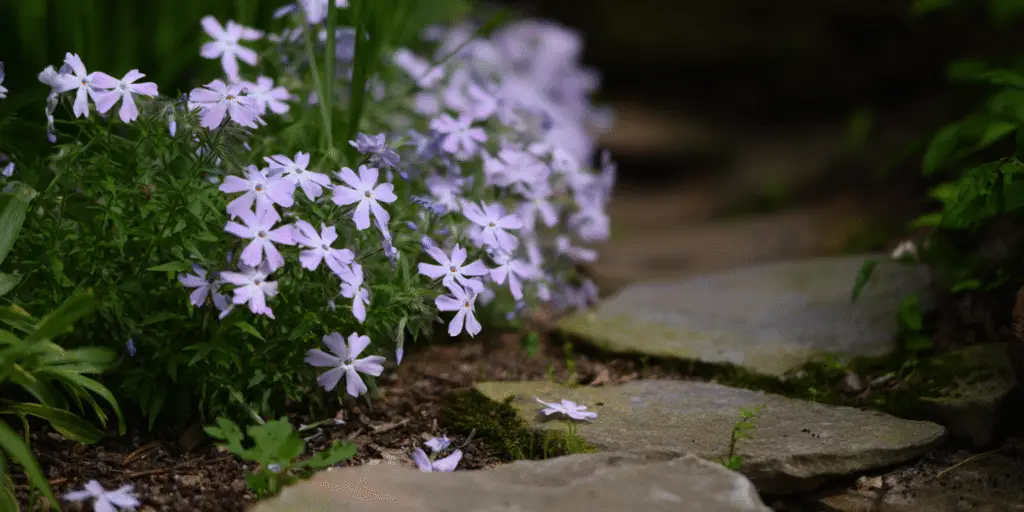
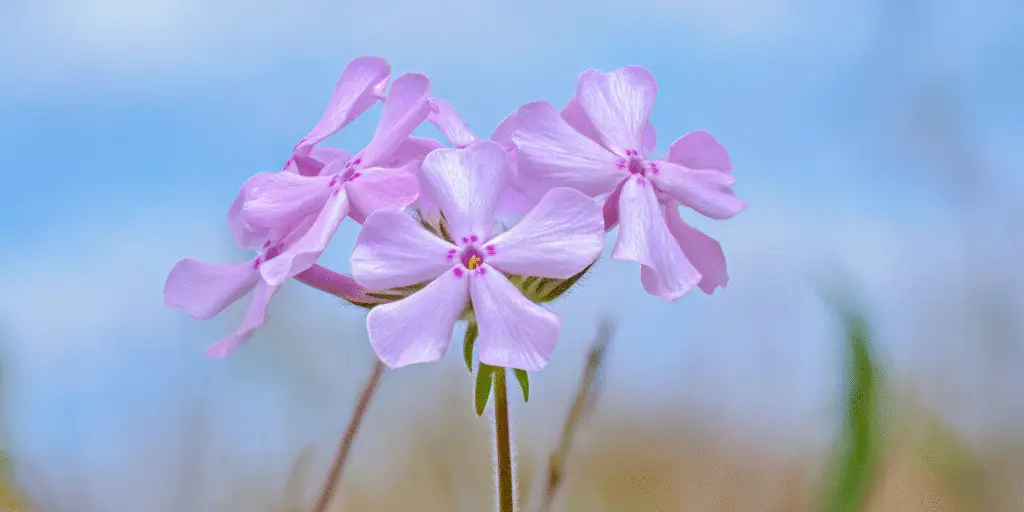
Phlox pilosa is a prairie and savanna perennial that brings fragrant pink to lavender flowers to sunny, well‑drained sites in late spring. Plants form upright clumps with narrow leaves and can rebloom lightly after early deadheading. It performs best in full sun to light shade on average soils that do not stay wet. This species supports native pollinators and hosts specialist moths in naturalistic plantings. Use it in meadows, native borders, and restoration plantings where a softly colored, adaptable phlox is needed.
At‑a‑glance
Group/Class: Prairie perennial
Height × spread: 12–24 in (30–60 cm) × 12–18 in (30–45 cm)
Bloom window: May to July
Color & flower form: Rounded clusters of tubular flowers in pale pink to lavender
Fragrance: 2 noticeable
USDA hardiness: zones 4–9
Breeder / Year / Origin: unknown; native to central and eastern North America
Pet safety: unknown
How it differs
Sun‑loving clump for meadows rather than a woodland spreader.
Spring to early summer bloom ahead of garden phlox.
Tolerates leaner, drier soils than most border phlox.
Fine textured foliage compared with broader‑leaf tall phlox.
Strengths
Fragrant flowers for wildlife gardens.
Good drought tolerance once established.
Useful in native meadow mixes.
Compact size suits small spaces.
Care in one minute
Grow in full sun to light shade with well‑drained, average soil.
Water during establishment; afterward, water in extended drought only.
Deadhead to encourage light rebloom and limit self‑seeding.
Divide or replant when clumps thin in the center.
Watch‑outs
Powdery mildew may appear with humidity and crowding.
Written by: Your Flowers Guide editorial team We are a small independent group of flower lovers who research and review each guide using trusted horticultural and educational sources. Learn more about us