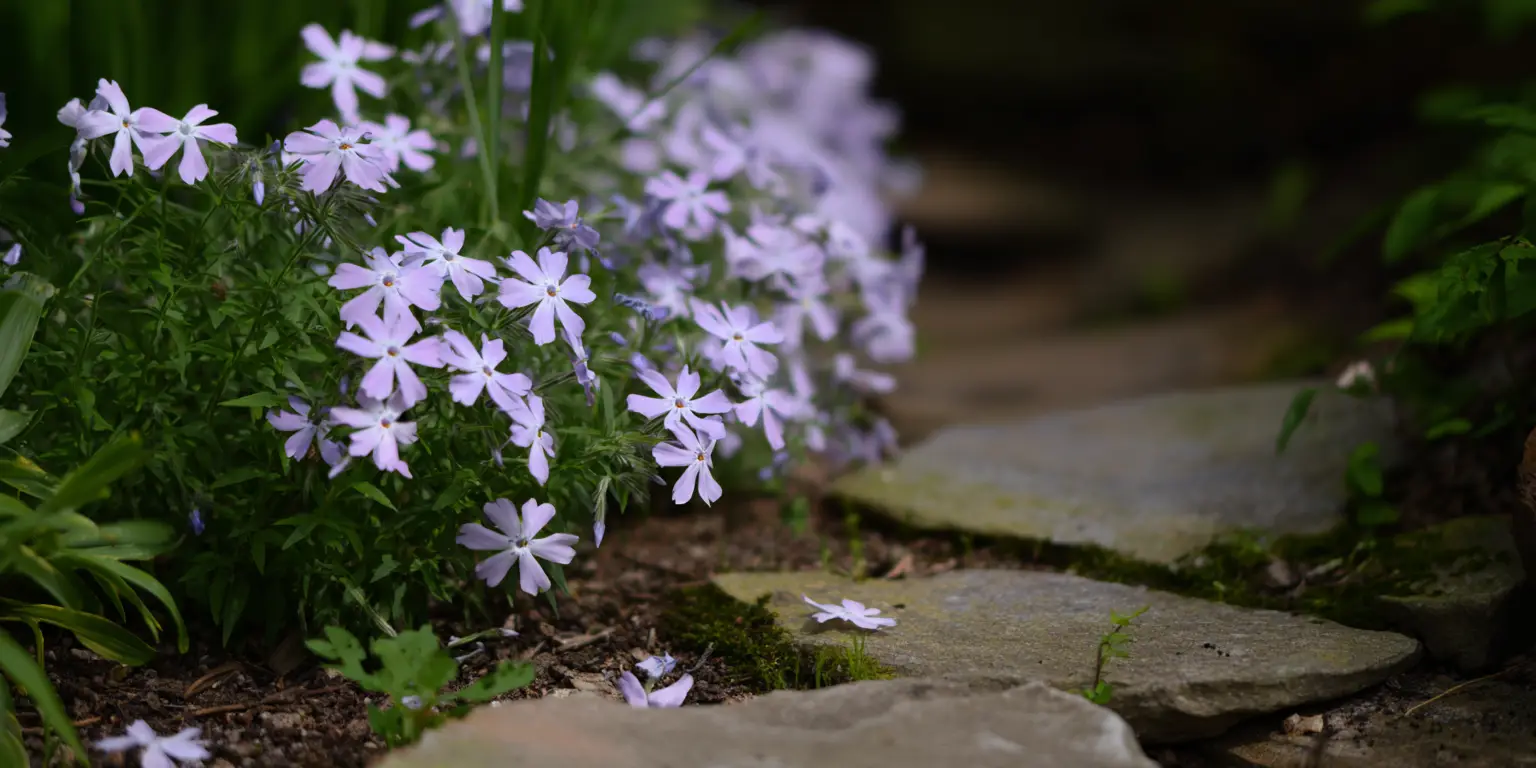
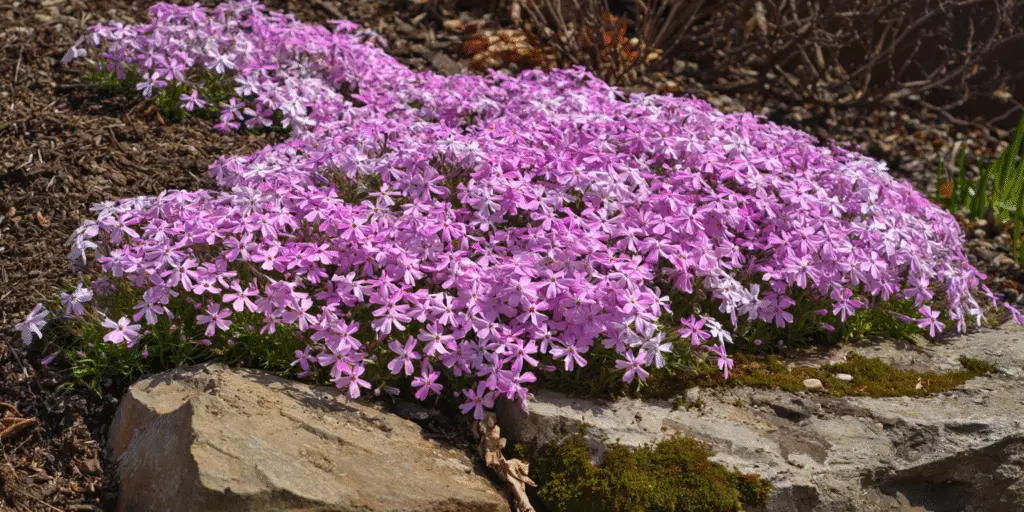
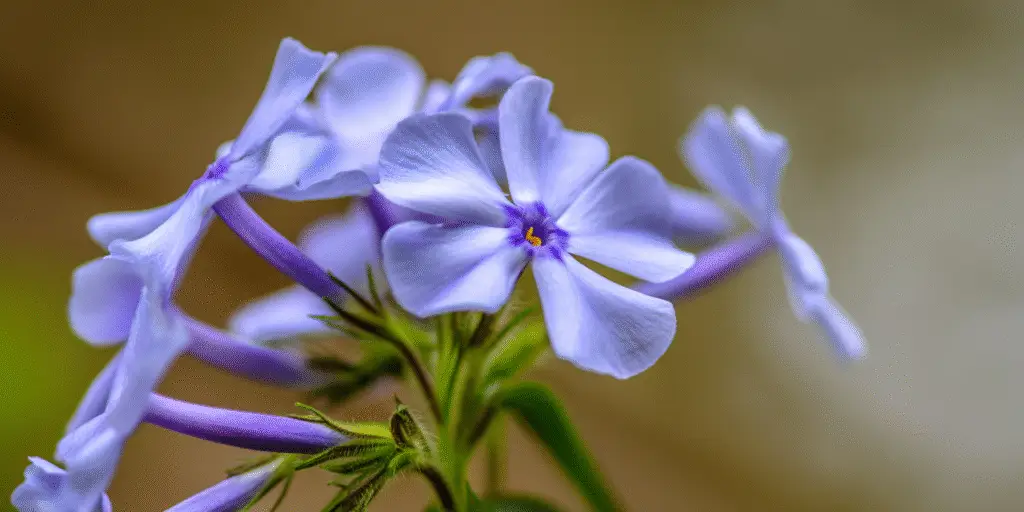
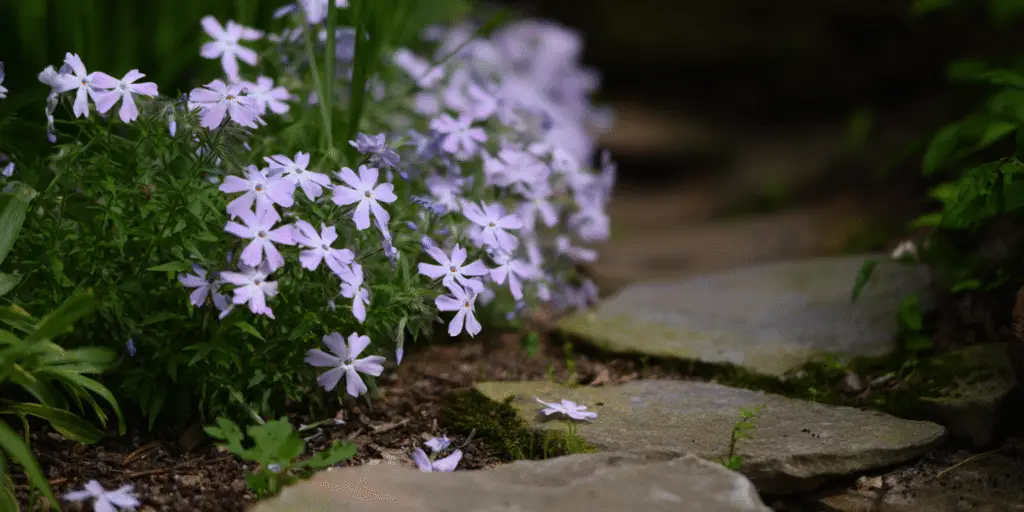
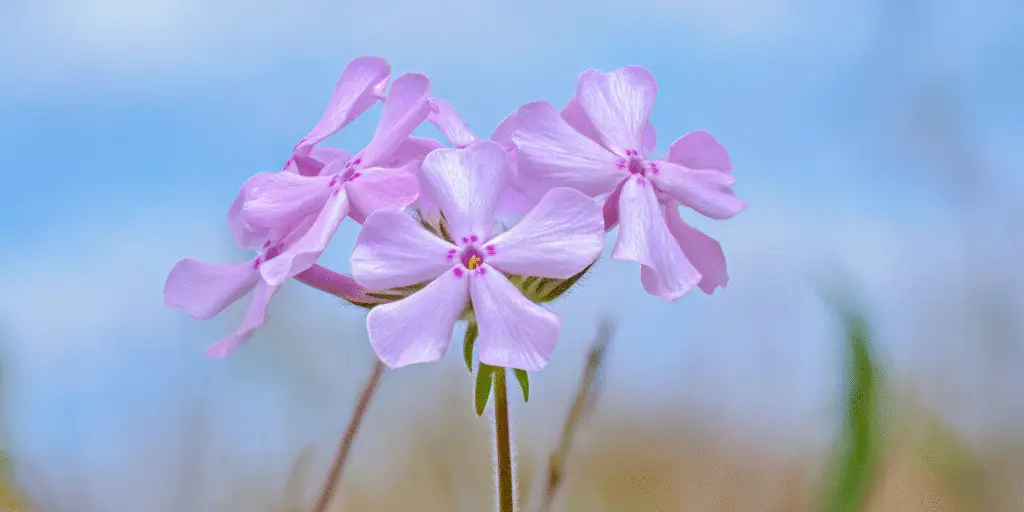
Phlox stolonifera is a creeping woodland phlox that spreads by leafy stolons to form a soft, semi‑evergreen ground cover. Upright flowering stems rise above the mat in spring with lavender to white blooms. It is best in part shade with humus‑rich, slightly acidic, evenly moist soil and good air movement. Once established it can handle short dry spells and light foot traffic along paths. This species stabilizes slopes, edges shaded borders, and covers ground under open trees.
At‑a‑glance
Group/Class: Creeping woodland perennial
Height × spread: 6–12 in (15–30 cm) × 9–18 in (23–46 cm)
Bloom window: April to May
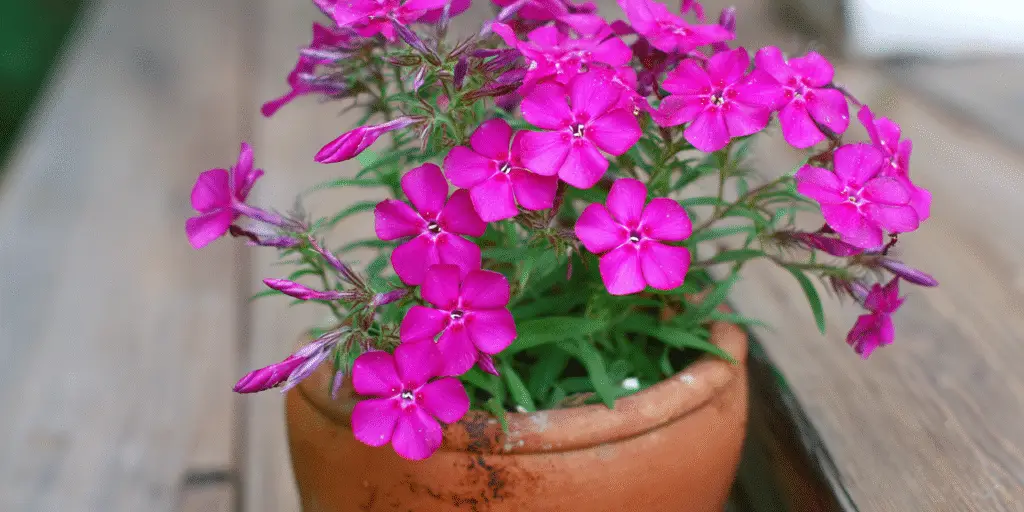
Color & flower form: Short clusters of tubular flowers in lavender, pink, or white above a spreading mat
Fragrance: 2 noticeable
USDA hardiness: zones 5–9
Breeder / Year / Origin: unknown; native to the Appalachian region
Pet safety: unknown
How it differs
Creeping habit from stolons rather than tight cushions.
Prefers part shade and richer soil than moss phlox.
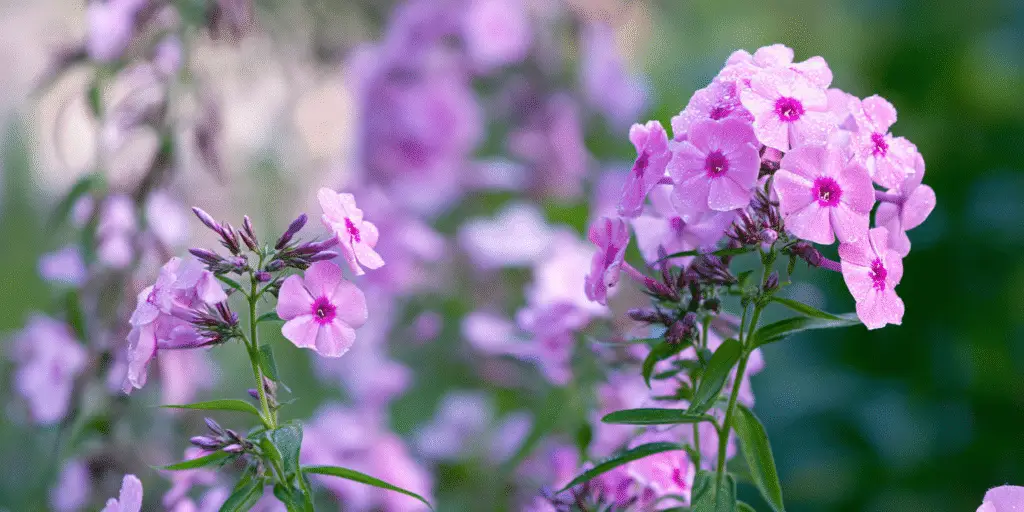
Blooms in spring well before border phlox.
Semi‑evergreen foliage for cover in mild winters.
Strengths
Good shade ground cover.
Erosion control on banks.
Deer and rabbit tolerance reported by extensions.
Handles short dry spells once established.
Care in one minute
Plant in part shade with humus‑rich, well‑drained, slightly acidic soil.
Keep evenly moist the first season; mulch to conserve moisture.
Shear lightly after bloom to refresh the mat and reduce mildew.
Allow room to spread; divide or redirect runners as needed.
Watch‑outs
Powdery mildew in humid, stagnant air.
Spider mites in hot, dry sites.
Rabbits may browse new growth where populations are high.
Written by: Your Flowers Guide editorial team We are a small independent group of flower lovers who research and review each guide using trusted horticultural and educational sources. Learn more about us