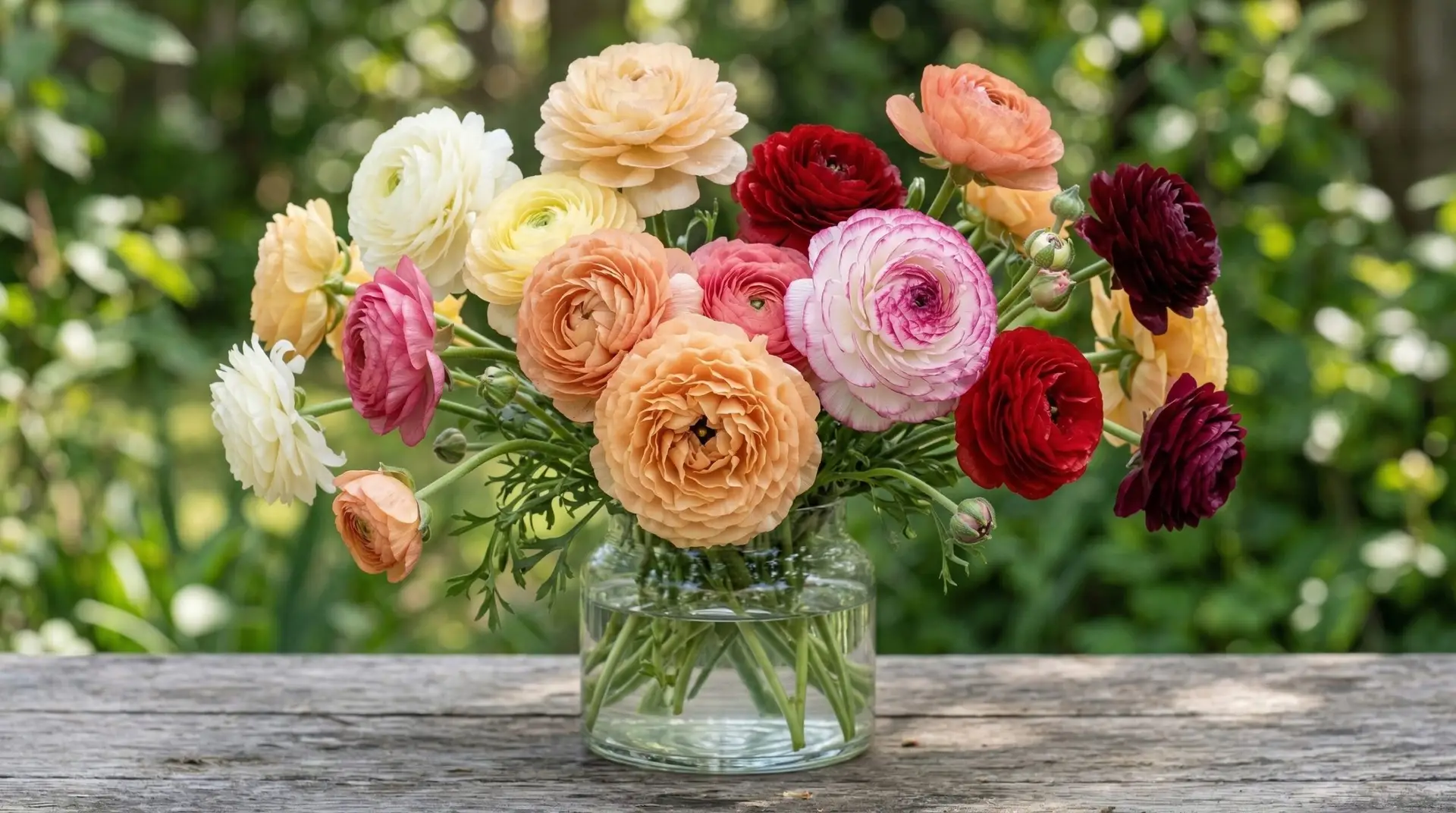
The world of ranunculus has expanded far beyond the generic mixed bags sold at hardware stores. Today, growers have access to specific breeding lines developed for stem length, petal count, and temperature tolerance. Choosing the right types of ranunculus requires understanding the distinct breeding lines available on the market. I will focus entirely on the named series that deliver consistent, florist-quality blooms, leaving behind the unnamed, short-stemmed varieties that often disappoint in the home garden. Those cheap, mixed corms typically produce weak stems and sparse petals, making them a poor investment of time and garden space. By selecting specific strains like the Italian Elegance or the Japanese Butterfly series, gardeners can cultivate flowers that rival those found in high-end floral shops. Understanding the nuances of these premium lines is the first step toward a successful spring harvest.
Contents 5 sections
The classic standard of Tecolote
The Tecolote series is the baseline against which other ranunculus varieties are measured. Developed in the coastal fields of California, these corms produce large, fully double flowers on sturdy stems. They offer a reliable starting point for anyone learning to grow ranunculus, providing a wide color range from pure white to deep burgundy. While many catalogs push newer European hybrids, Tecolote remains incredibly useful because the corms are widely available and relatively inexpensive. The petal count is high enough to create a lush, rounded flower head that lasts well in a vase. Popular specific colors like Tecolote Salmon or Tecolote Pastel Pink deliver consistent, clear hues without the muddy undertones sometimes found in cheaper mixes. Growers who want a dependable, traditional ranunculus shape without investing heavily in premium imported corms will find exactly what they need in the Tecolote line.
High petal counts in the Elegance and Amandine lines
For those seeking the absolute maximum petal density, the Italian-bred Elegance series is a significant step up from standard varieties. These flowers pack hundreds of tissue-thin petals into a perfectly spherical bloom that resembles a tight, historical rose. The Elegance series is bred to bloom early, making it highly valuable for growers in warmer zones where the spring window for cool-weather flowers is short. Conversely, the French-bred Amandine series is the best choice for extending the growing season. Amandine varieties are specifically bred to tolerate warmer temperatures, blooming later than the Elegance types while maintaining an equally impressive petal count. By planting both Elegance and Amandine corms, a gardener can effectively double their harvest window. This staggered approach is similar to how one might plant early and late varieties of anemone to ensure a continuous supply of spring blooms.
Unique forms in French Picotee and Pon-Pon
While solid colors dominate most ranunculus beds, the French Picotee varieties offer a completely different visual profile. These flowers have a base color, usually white or pale yellow, with a distinct contrasting edge on every individual petal. The precision of this coloration varies depending on the specific corm, but the best examples look as though each petal was carefully dipped in ink. I include the French Picotee line here because it provides a necessary break from the heavy, solid blocks of color typical of standard ranunculus varieties. The bicolored edges give the flowers a lighter, more delicate appearance even when the petal count is exceptionally high. As the flowers age and open fully in the vase, they often reveal a dark, contrasting center that adds further visual interest. They mix beautifully in arrangements where a solid pink or red bloom might feel too heavy or visually dominant.
Another distinct category worth seeking out is the Italian Pon-Pon series. These flowers look entirely different from traditional ranunculus, with heavily ruffled, serrated petals that form a textured, almost globe-like head. The stems on Pon-Pon varieties are exceptionally thick, which is necessary to support the heavy, dense flowers that can easily reach three to four inches across. I recommend the Pon-Pon series for growers who already have experience with standard ranunculus and want to cultivate something that looks highly unusual. The green-centered varieties, such as Pon-Pon ‘Igloo’ or ‘Malva’, open with a tight green eye that slowly expands and changes color as the flower matures. While they are among the most expensive corms to purchase, their vase life is extraordinary, often lasting two full weeks after cutting. They are not a replacement for the classic forms, but they offer a fascinating variation for an established cutting garden.
The shift toward Butterfly ranunculus
The most significant development in recent ranunculus breeding is the introduction of the Butterfly series from Japan. Unlike traditional forms that prioritize massive petal counts and tight, spherical heads, Butterfly varieties produce single or semi-double flowers with a characteristic glossy, wax-like finish on the petals. A single corm produces a branching structure that yields multiple smaller blooms per stem, rather than one large terminal flower. Many traditionalists initially dismissed the Butterfly types because they lack the classic tight-rose appearance, but in practice, they outperform standard varieties in garden vigor and overall stem production. The branching habit makes them highly useful for cut flower growers, providing a lighter texture that bridges the gap between early spring bulbs like the anemone and late summer focal flowers like the dahlia. The petals also possess an unusual resilience, shedding water easily and holding up exceptionally well, while specific named varieties like ‘Ariadne’ and ‘Lycia’ have proven to be highly robust bloomers.
The final verdict on the best ranunculus
After evaluating the major breeding lines, the Butterfly series earns my top recommendation for both home gardeners and dedicated cut flower growers. While the dense, spherical blooms of the Elegance and Amandine series are undeniably attractive, they are highly susceptible to botrytis and water damage if rain settles into their tight petal layers. The Butterfly types avoid this problem entirely with their open structure and waxy, water-repellent petals. The sheer volume of flowers produced by a single Butterfly corm makes it a far better investment, yielding up to five times as many individual blooms as a standard Tecolote corm. The foliage is also more disease-resistant, staying green and productive long after other varieties have begun to yellow and fade. For those who want a reliable, highly productive plant that brings a fresh form to the spring garden, the Butterfly series is the clear and superior choice.
More About Ranunculus
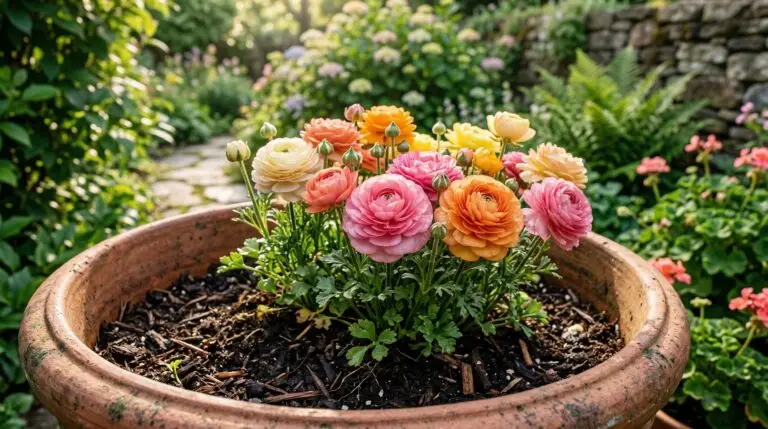
Growing ranunculus in containers for a spring flower show on patios and porches
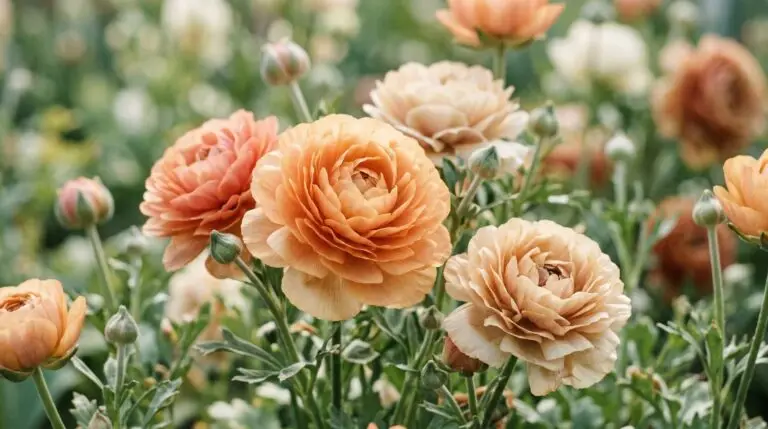
Ranunculus flower meaning and the radiance this buttercup-family bloom symbolizes
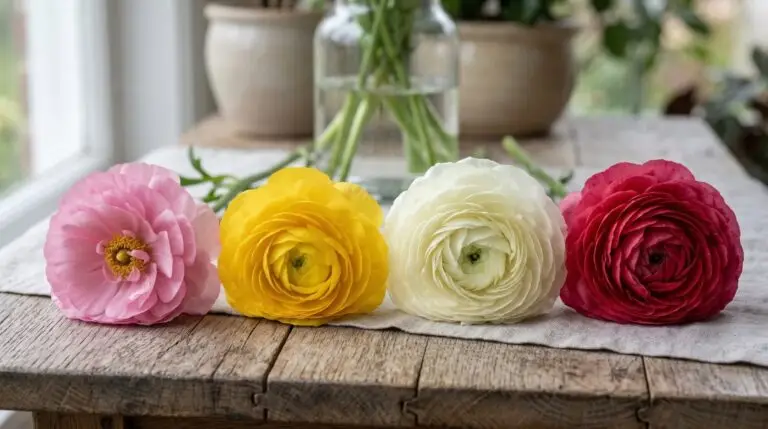
Ranunculus versus garden roses and why these corm flowers compete with the queen of flowers
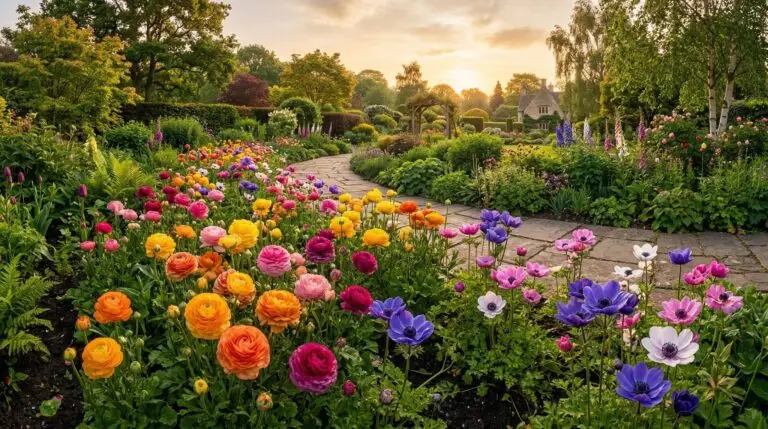
Ranunculus companion plants: what to grow, and what to avoid
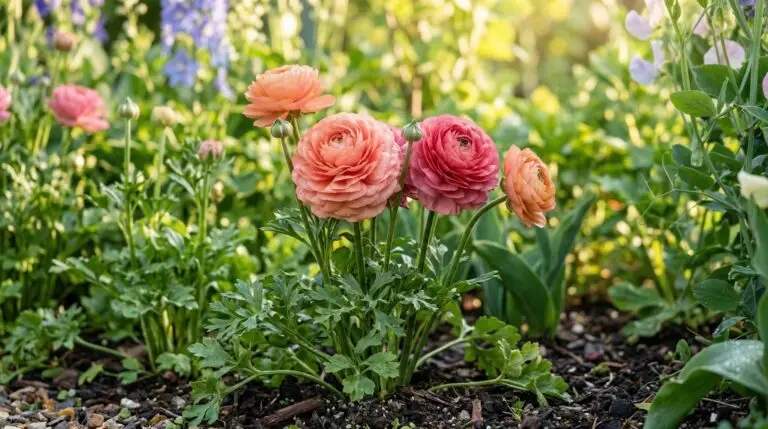
Ranunculus as the ultimate cut flower and why flower farmers cannot grow enough of them
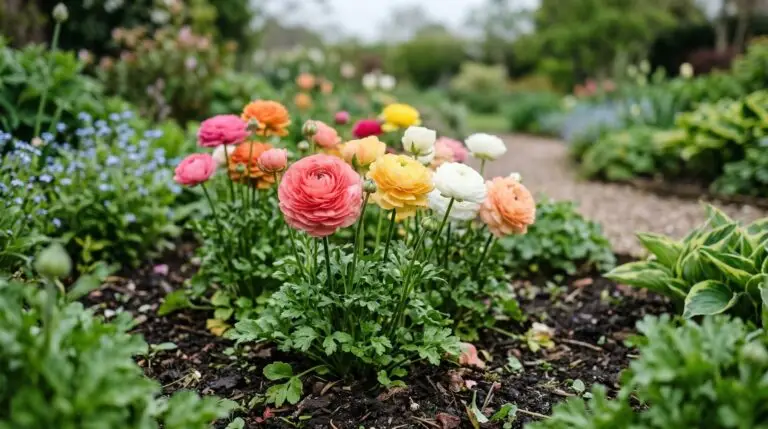
Why ranunculus melts in summer heat and the fall-to-spring growing trick for warm climates
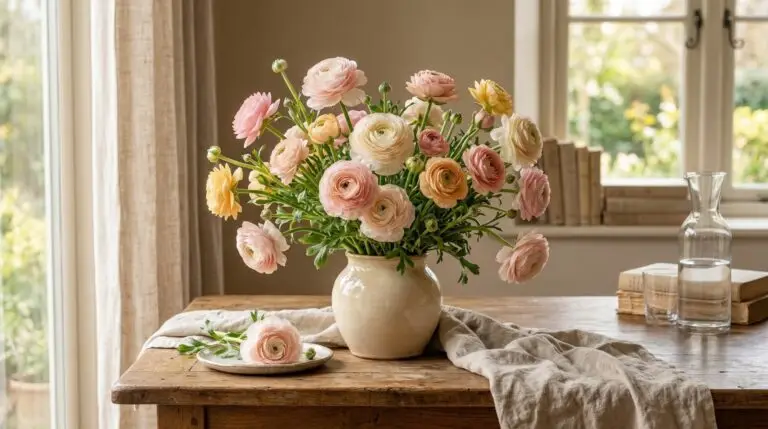
Ranunculus in wedding bouquets for lush romantic alternatives to peonies and roses
Enjoying our flower guides? Add YourFlowersGuide as a preferred source on Google. It helps more readers find us.
Add to Preferred Sources