
Tiger lilies are asymptomatic carriers of lily mosaic virus, a pathogen that is fatal to almost every other lily hybrid in your garden. The species evolved alongside this virus in its native Asian range, developing a complete tolerance that allows it to grow vigorously while heavily infected. You can plant a healthy Asiatic or Oriental lily next to a thriving tiger lily and watch the hybrid collapse within a single growing season. The tiger lily will show absolutely no signs of infection while serving as a permanent reservoir for the disease. This dynamic makes Lilium lancifolium one of the most dangerous plants you can introduce to a mixed bulb bed. Gardeners often misinterpret the sudden death of their expensive hybrids as a soil issue, basal rot, or winter damage, completely missing the silent spreader growing right next to them. If you want to grow different lily types on the same property, you must understand how this virus moves and how to isolate your populations.
Contents 3 sections
Transmission vectors and symptom progression
Lily mosaic virus spreads primarily through the feeding action of melon aphids and other common garden aphids. These insects pierce the cellular tissue of an infected tiger lily, draw up the viral particles with the sap, and inject the pathogen into the next plant they visit. Once a susceptible lily contracts the tiger lily virus, the symptoms appear rapidly in the new foliage. You will notice light and dark green mottling on the leaves, severely stunted stems, and distorted or streaked flower petals that fail to open completely. The plant loses its ability to photosynthesize efficiently, weakens rapidly, and usually dies by the end of the season or fails to return the following spring. Because there is no cure or chemical treatment for a plant virus, any infected specimen must be dug up and destroyed in the household trash immediately. Composting infected plant material or leaving the dying bulb in the ground will only preserve the virus in your garden ecosystem.
Despite what many older garden manuals suggest, you cannot manage this tiger lily disease simply by applying systemic insecticides to control the aphid population. Aphids transmit lily mosaic virus within seconds of probing a leaf, long before any systemic poison circulating in the plant tissue can kill the insect. The only effective prevention strategy is strict physical distance between your tiger lilies and your susceptible hybrids. Commercial growers maintain massive isolation zones between these crops, and home gardeners need a minimum separation of one hundred feet. You should reinforce this distance with a physical barrier like a house, a dense evergreen hedge, or a detached garage between the two planting zones. Aphids are weak flyers that rely entirely on wind currents to move through the yard, so breaking their flight path drastically reduces the chances of cross-contamination. If you have a small urban lot, you must choose between growing true tiger lilies or growing other lily varieties, because you lack the square footage to safely cultivate both.
Distinguishing true tiger lilies from safe alternatives
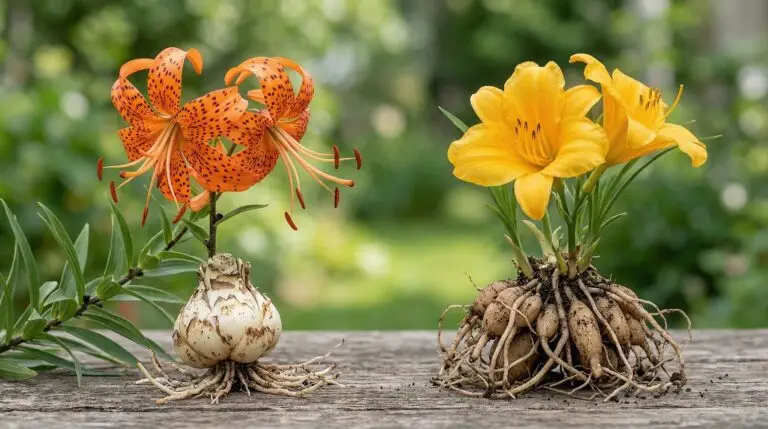
A common point of confusion in garden planning comes from the misidentification of the tiger lily itself. Many people use the term incorrectly to describe the orange ditch lily or any common daylily that grows aggressively along country roadsides. True tiger lilies grow from scaly underground bulbs, produce tall, stiff stalks with alternating leaves, and form distinctive black bulbils in the leaf axils along the upper stem. Daylilies grow from fleshy tuberous roots, produce arching grass-like foliage directly from the crown, and are completely immune to lily mosaic virus. You can plant daylilies right next to your Oriental, Asiatic, or trumpet hybrids without any risk of viral transmission. If you inherited a garden with orange lilies and need to know if your new hybrids are safe, check the stems in late summer for those small black bulbils. If the bulbils are present, you have a true tiger lily and a severe viral threat to any new additions.
Eradication and isolation protocols
If you already have established tiger lilies and want to introduce new lily hybrids, you have to make a permanent eradication decision. Removing tiger lilies requires digging up the entire bulb cluster, which often sits eight to ten inches below the soil surface. You must also sift the surrounding soil for the tiny black bulbils that drop naturally in late autumn to propagate the plant. Every single bulbil left in the soil will sprout into a new virus-carrying plant the following spring, restarting the infection cycle. You must monitor the cleared area for at least two full growing seasons and pull any volunteer sprouts before you can safely plant a susceptible lily in that exact bed. Do not attempt to sterilize the soil with harsh chemicals or fungicides, as the tiger lily virus requires living plant tissue to survive. The pathogen will die out naturally within a few weeks once all host root and bulb material is thoroughly removed from the bed.
Gardeners who choose to keep their tiger lilies must treat them as permanently quarantined specimens. Plant them among dense shrubs or deep in perennial borders where their late summer color stands out, far away from any dedicated bulb gardens or cutting beds. Keep the surrounding weeds ruthlessly suppressed, as many common weeds harbor the aphid populations that will eventually find your lilies and spread the pathogen. You should also source your initial tiger lily bulbs from reputable commercial growers rather than trading bulbils with neighbors, as commercial stock is occasionally indexed and certified virus-free. Even a certified clean tiger lily will eventually contract the virus from the environment and become a silent carrier, but starting clean delays the inevitable. Treat every tiger lily as if it already has the disease, maintain your physical isolation zones, and you will never lose your prize hybrids to a preventable infection.
More About Tiger Lilies

Growing tiger lilies in containers for bold orange summer drama on patios

Edible tiger lily buds in Asian cuisine and the centuries-old tradition of cooking with lilies
Tiger lilies versus daylilies and the common confusion between these two orange flowers

How to grow tiger lilies for dramatic orange spotted flowers that multiply on their own

Tiger lilies in cottage and farmhouse gardens and why old gardens always have them

Tiger lilies that are toxic to cats and the urgent warning every cat owner needs to know

Propagating tiger lilies from the tiny black bulbils that form along the stem

Tiger lily companion plants: what to grow, what to avoid

Tiger lily flower meaning and the bold confidence this spotted bloom represents
Enjoying our flower guides? Add YourFlowersGuide as a preferred source on Google. It helps more readers find us.
Add to Preferred Sources