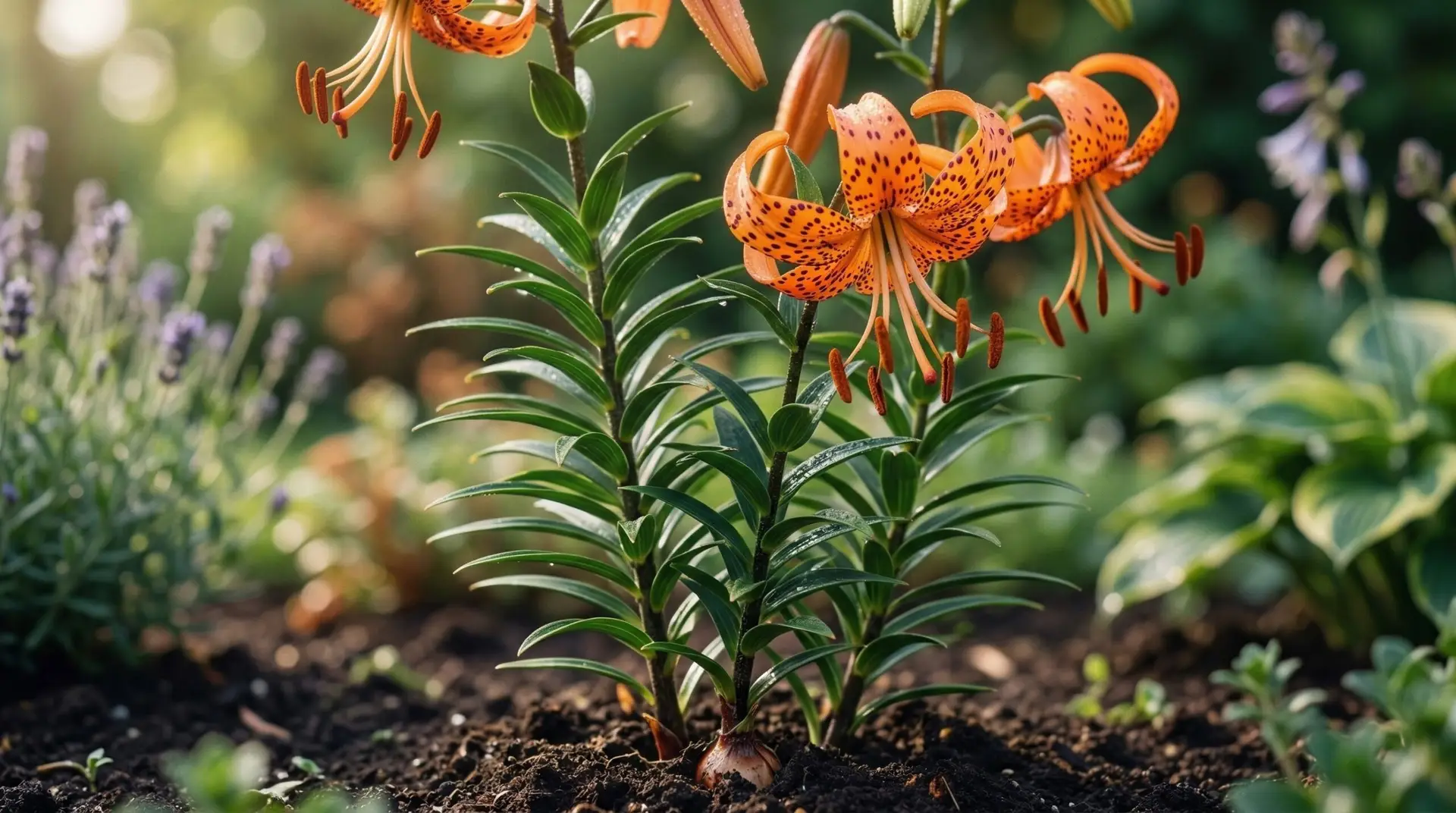
Many people buy a cut bouquet or plant a new garden border without realizing they are bringing a deadly hazard into their home. The question of whether tiger lilies are safe for cats comes up constantly in my consultations, and the answer is an absolute no. Tiger lilies are exceptionally toxic to cats, and even a minor exposure can be fatal. People often assume that a cat has to eat a large portion of a leaf to get sick, but that is a dangerous misconception. Every single part of the true lily plant contains a water-soluble toxin that specifically attacks a cat’s kidneys. When a cat comes into contact with this plant, the clock starts ticking immediately toward acute renal failure.
Understanding how exposure happens is the first step in protecting your pets. Cats are notoriously curious creatures, and they interact with their environment by sniffing, rubbing, and tasting. A cat does not need to chew on the stem or swallow a whole petal to suffer from lily poisoning. If a cat simply brushes past a blooming tiger lily and gets pollen on its fur, it will eventually groom itself and ingest that pollen. Even drinking the water from a vase holding cut tiger lilies is enough to cause severe kidney damage. The toxin is that concentrated and that aggressive, meaning no amount of exposure is safe.
Contents 3 sections
Recognizing the signs and timeline of lily poisoning
When a cat ingests any part of a tiger lily, the physical reaction begins within a few hours. The initial signs are usually gastrointestinal distress, which means you will see your cat vomiting, drooling excessively, or losing all interest in food. Because cats often throw up for minor reasons like hairballs, many owners make the fatal mistake of taking a wait-and-see approach. If you wait for the vomiting to stop, the toxin is already moving through the bloodstream and destroying the delicate structures of the kidneys. Within twelve to twenty-four hours, the cat will become extremely lethargic and may start drinking massive amounts of water as the kidneys struggle to function. By the time you notice your cat has stopped urinating altogether, the kidney failure is usually irreversible.
The required response to suspected lily poisoning is immediate veterinary intervention. You cannot treat this at home, and you cannot induce vomiting safely without professional guidance. When you realize your cat has chewed a leaf, ingested pollen, or drunk vase water, you must put the cat in a carrier and head to an emergency vet clinic right away. If possible, grab a piece of the plant or take a clear photo of it so the veterinarian knows exactly what they are dealing with. The vet will likely start by inducing vomiting or administering activated charcoal to bind any toxin still in the stomach. After that, the standard treatment is aggressive intravenous fluid therapy lasting two to three days to flush the kidneys and keep them functioning.
Identifying the most dangerous plants in your yard
Gardeners often get confused by common plant names, which makes identifying toxic threats difficult. True lilies belong to the Lilium genus, and this group includes the classic tiger lily, Easter lilies, and Stargazer lilies. All of these are universally lethal to felines. You also have to watch out for the daylily, which belongs to a different botanical family but causes the exact same type of fatal kidney failure in cats. If you have any plant with “lily” in the name growing in your yard, you need to verify its exact scientific name before assuming your roaming pets are safe. Many people inherit mature gardens when they buy a house and have no idea what is blooming in the back corner until a medical emergency forces them to find out.
The difficulty with outdoor gardens is that you cannot control where a cat wanders. If you have an indoor-outdoor cat, or if your neighbors have cats that visit your yard, keeping tiger lilies in the ground is a massive risk. Some gardeners try to compromise by planting toxic flowers in raised beds or behind small fences, but cats are agile climbers who will easily bypass those physical barriers. The only guaranteed way to prevent outdoor lily poisoning is to dig up the bulbs and remove the plants from the property entirely. It can be painful to rip out a thriving, established perennial, but it is the only responsible choice when feline lives are at stake. You can always replace them with something equally bright but entirely harmless.
Safer flower alternatives for homes with cats
Finding safe alternatives requires a bit of research, but you have plenty of excellent options that will not put your pets in danger. If you love large, bold blooms that make a statement in a vase or a garden border, you can grow the sunflower instead of risking a toxic exposure. Sunflowers are completely non-toxic to cats, dogs, and horses, making them a worry-free addition to any property. Snapdragons, zinnias, and petunias are also safe choices that provide brilliant color throughout the growing season without harboring hidden poisons. When you focus on planting verified safe species, you eliminate the constant anxiety of watching your pets every time they step off the patio. You can enjoy your garden and your indoor floral arrangements without second-guessing every fallen leaf or stray grain of pollen.
Managing indoor bouquets requires just as much vigilance as planning an outdoor garden bed. When you receive a mixed floral arrangement from a florist or a friend, you must inspect it thoroughly before setting it on a table. Florists frequently use tiger lilies and their relatives as focal points in large bouquets because they are inexpensive and visually striking. If you spot a lily in the mix, do not just pull out that single stem and keep the rest of the flowers. The lily pollen easily sheds onto the surrounding petals, stems, and leaves of the safe flowers, contaminating the entire arrangement. The safest approach is to throw the entire bouquet in an outside trash can immediately, ensuring your cat never gets near the residual pollen.
The most useful piece of advice I can give anyone dealing with cats and plants is to practice absolute zero tolerance for true lilies. Do not try to keep them on a high shelf, do not try to lock them in a spare bedroom, and do not trust that your cat will ignore them. Cats are persistent, and they will eventually find a way to reach the very thing you are trying to hide from them. By making a strict rule that no tiger lilies ever cross your threshold or take root in your soil, you completely remove the risk of this specific heartbreak. Gardening and pet ownership should both bring you peace of mind, and keeping toxic plants out of the equation is the easiest way to guarantee that.
More About Tiger Lilies
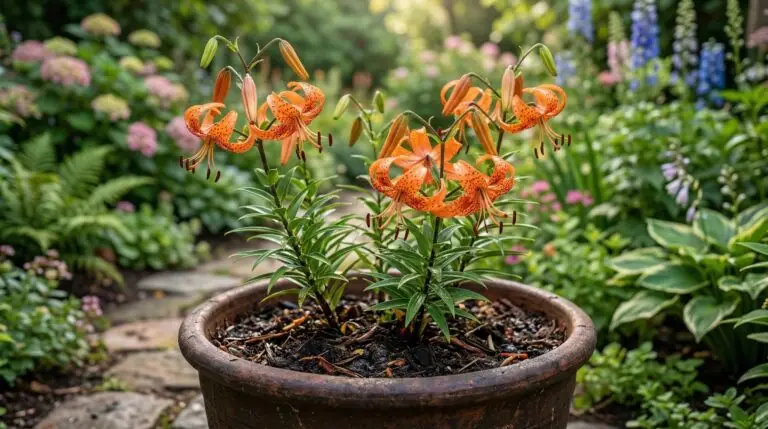
Growing tiger lilies in containers for bold orange summer drama on patios

Edible tiger lily buds in Asian cuisine and the centuries-old tradition of cooking with lilies
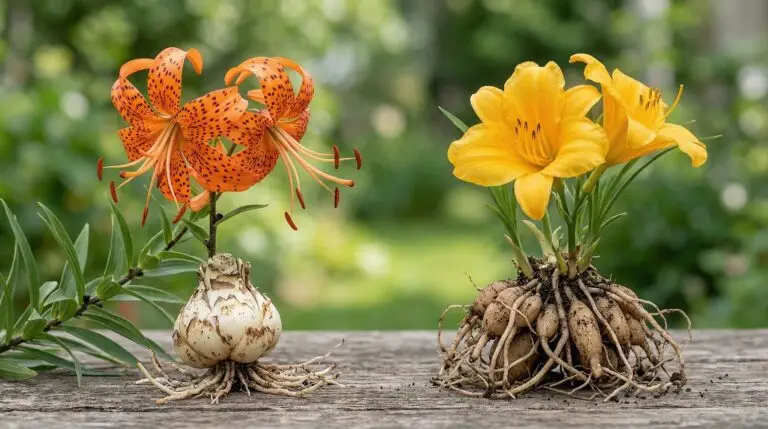
Tiger lilies versus daylilies and the common confusion between these two orange flowers

How to grow tiger lilies for dramatic orange spotted flowers that multiply on their own

Tiger lilies in cottage and farmhouse gardens and why old gardens always have them

Propagating tiger lilies from the tiny black bulbils that form along the stem

Warning about tiger lilies near other lilies and the virus they can silently carry

Tiger lily companion plants: what to grow, what to avoid

Tiger lily flower meaning and the bold confidence this spotted bloom represents
Enjoying our flower guides? Add YourFlowersGuide as a preferred source on Google. It helps more readers find us.
Add to Preferred Sources