Viburnum carlesii
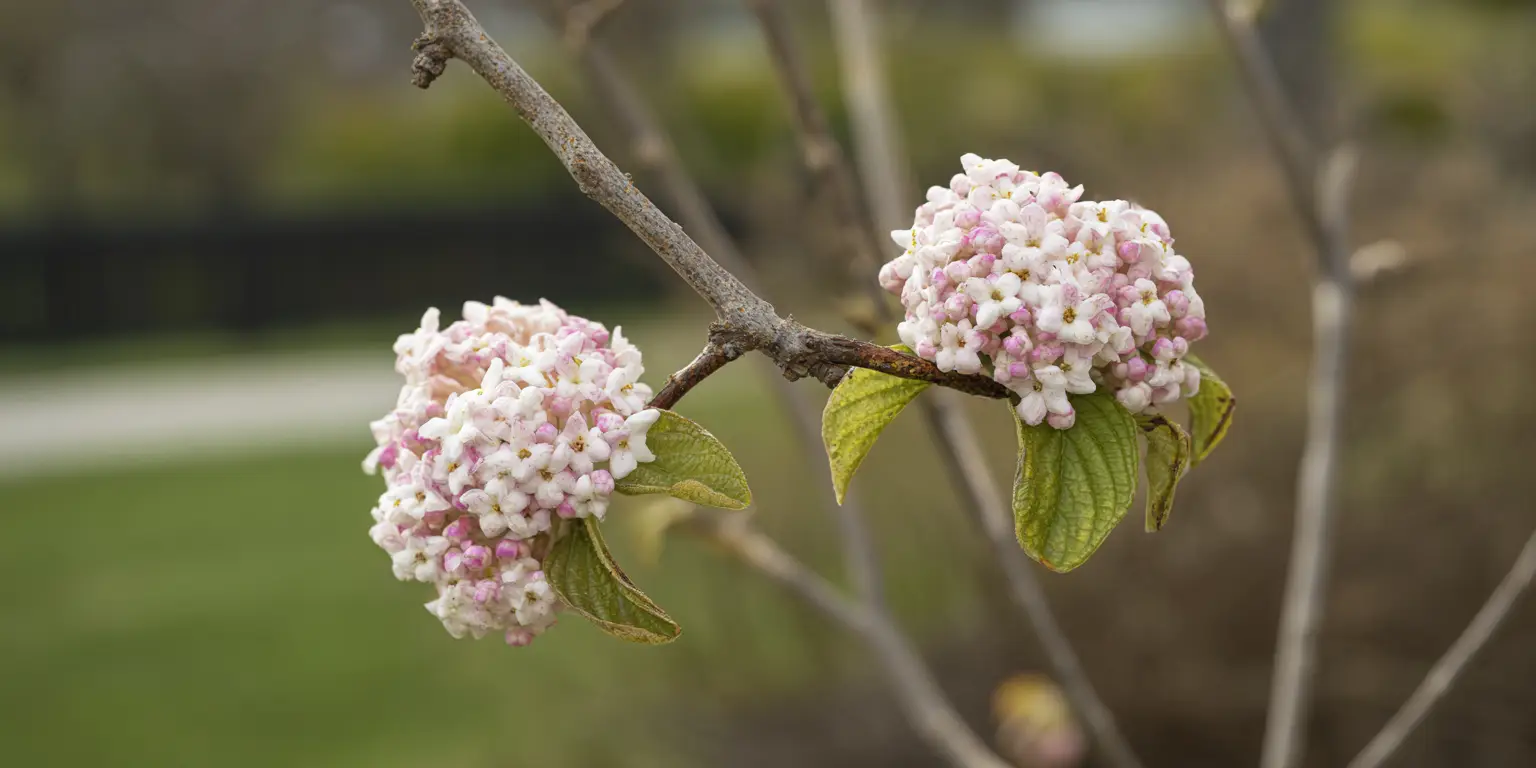
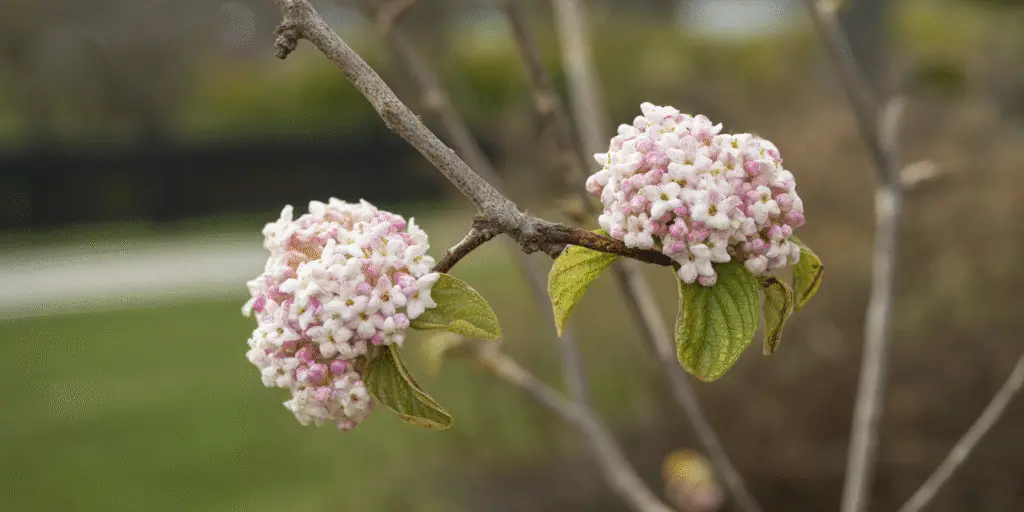
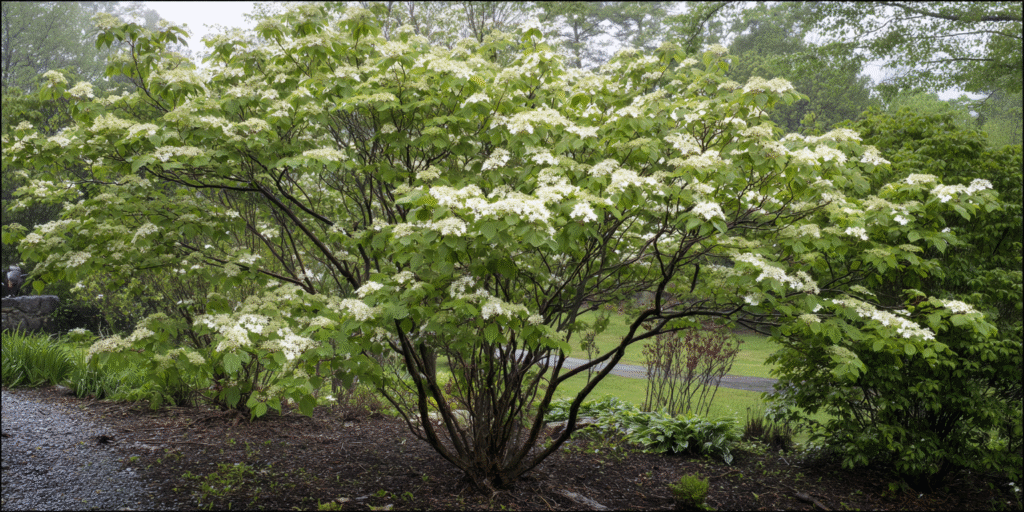
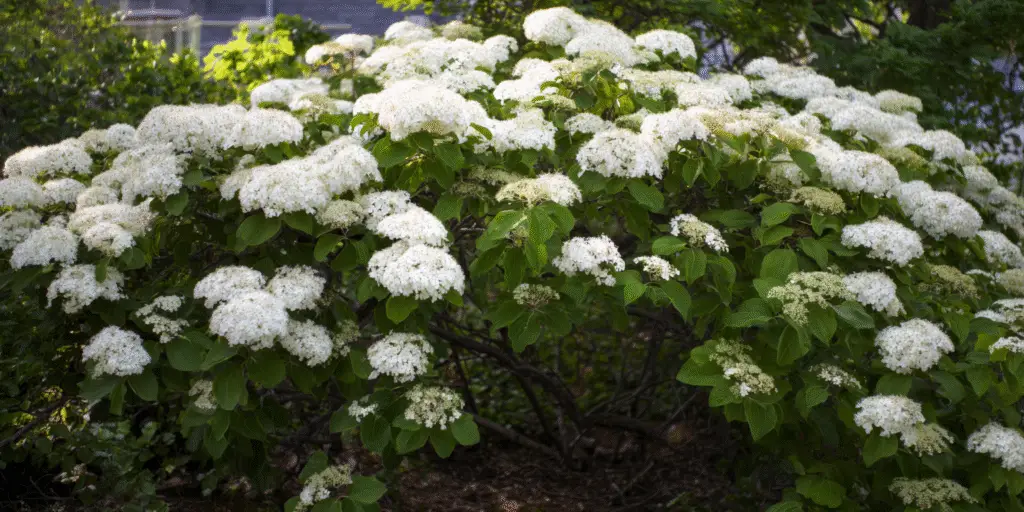
Koreanspice viburnum is a compact, deciduous shrub prized for powerful spring fragrance. Pink buds open to white, hemispherical clusters that perfume paths and entries. Plants usually reach 4 to 6 ft tall and fit small gardens and foundations. It grows best in full sun to part shade in average, well‑drained soil. It is hardy in zones 4 to 7 and suits cooler‑summer regions. Birds visit for later fruit where pollination occurs.
At‑a‑glance
- Group/Class: deciduous shrub; Koreanspice viburnum
- Height × spread: 4–6 ft × 4–7 ft (1.2–1.8 m × 1.2–2.1 m)
- Bloom window: March to April
- Color & flower form: pink buds opening to white 3 in (7.5 cm) hemispherical clusters
- Fragrance: 3 strong
- USDA hardiness: zones 4–7
- Breeder / Year / Origin: unknown; native to Korea and Japan
- Pet safety: safe
How it differs
- Fragrance is stronger than most viburnums.
- Mature size is smaller than many species on the pillar page.
- Blooms earlier than mid‑spring viburnums.
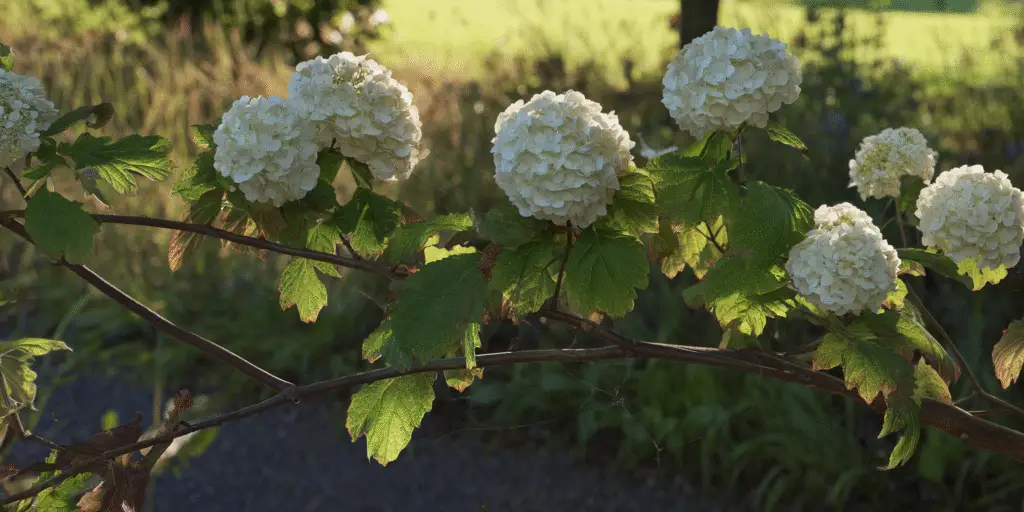
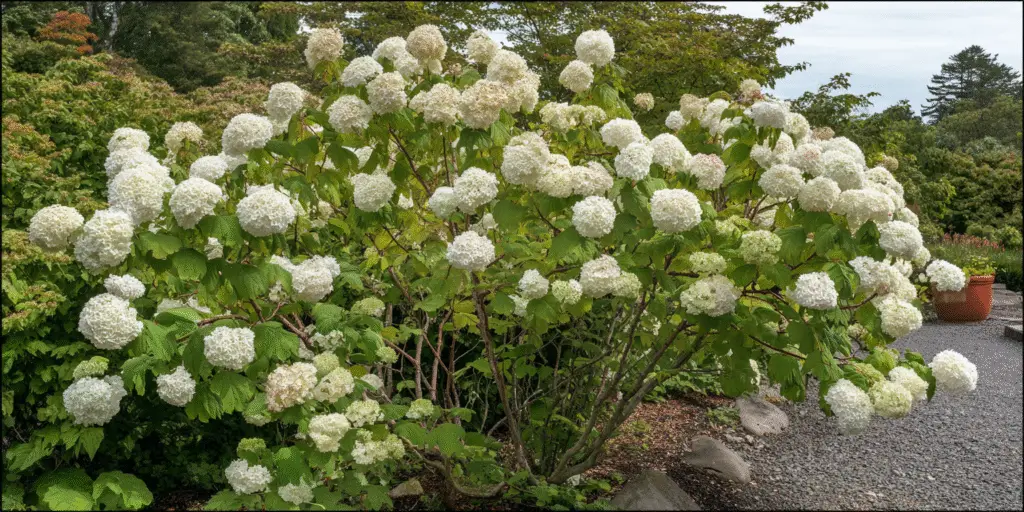
- Flower clusters are hemispherical, not globe‑shaped.
- Tolerates growth near black walnut trees.
Strengths
- Strong scent for paths and patios.
- Cold hardy and reliable in listed zones.
- Low maintenance once established.
- Often develops burgundy fall tones.
Care in one minute
- Provide full sun to part shade.
- Plant in well‑drained loam; keep evenly moist the first two seasons.
- Feed lightly in spring if growth is weak.
- Deadhead is optional; prune after bloom to thin older stems.
- Mulch 2 to 3 in (5 to 7.5 cm).
Watch‑outs
- Occasional leaf spot and powdery mildew in humid weather.
- Viburnum crown borer can cause dieback.
- Prune only right after flowering to avoid removing next year’s buds.
Best uses (tags)
specimen, borders, foundations, scent‑garden, pollinators
Provenance note
The specific epithet commemorates William Richard Carles, a British consular official and plant collector in Korea.
References
- Missouri Botanical Garden – Viburnum carlesii
- PNW Handbook – Viburnum leaf beetle: resistant species noted
Written by: Your Flowers Guide editorial team
We are a small independent group of flower lovers who research and review each guide using trusted horticultural and educational sources. Learn more about us