returns in
212
days
Bloom calendar
Mariesii
deciduous shrub; doublefile viburnum
At‑a‑glance
- Group/Class: deciduous shrub; doublefile viburnum
- Height × spread: 10–12 ft × 12–15 ft (3.0–3.7 m × 3.7–4.6 m)
- Bloom window: April to May
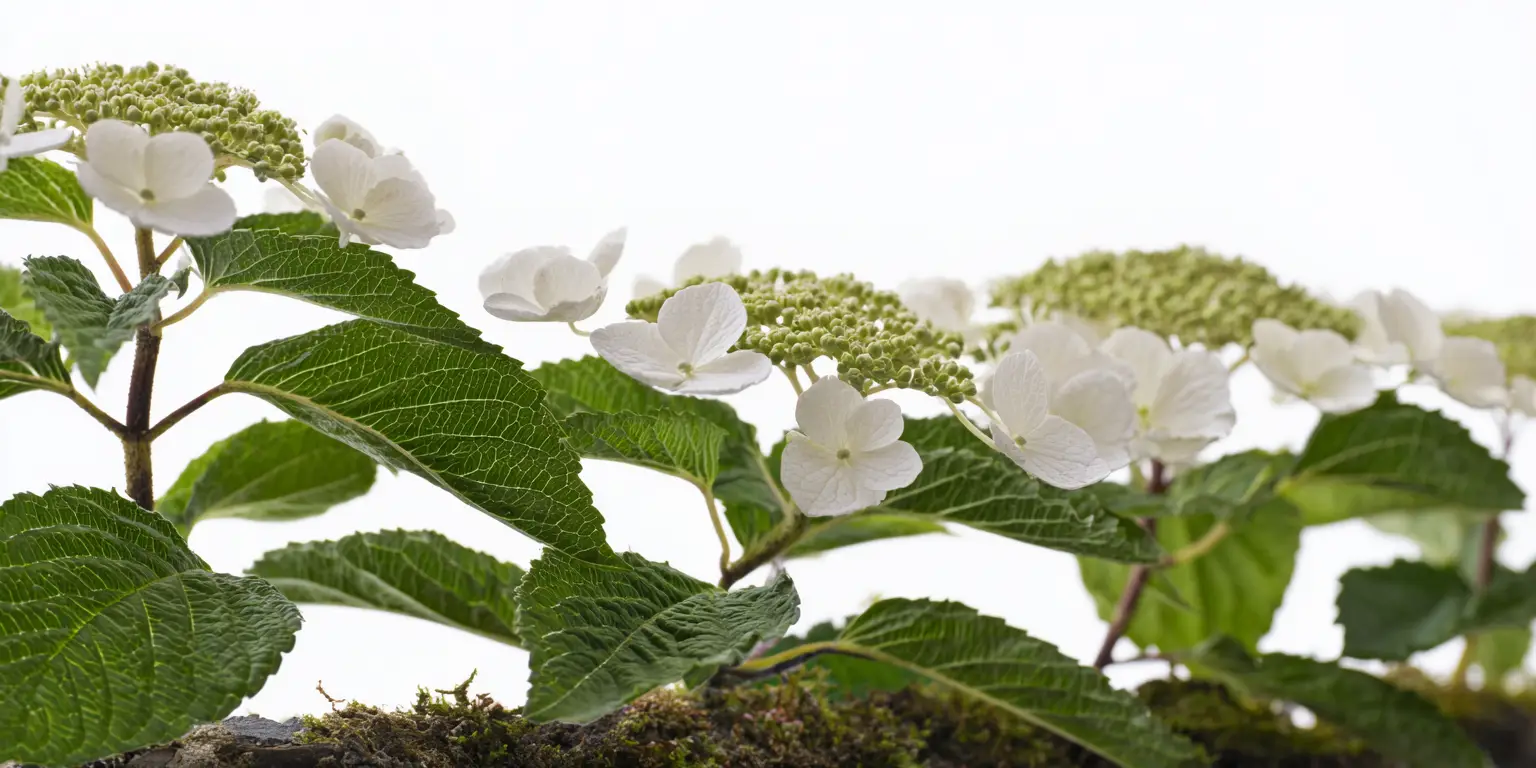
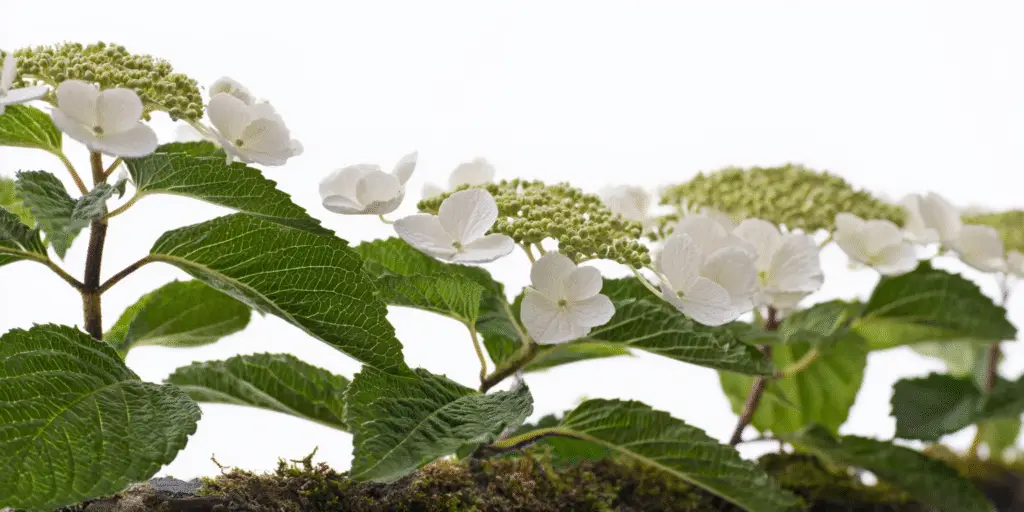
- Color & flower form: flat lacecap clusters 4–6 in (10–15 cm) across; outer sterile rim with fertile centers
- Fragrance: 0 none
- USDA hardiness: zones 5–8
- Breeder / Year / Origin: unknown
- Pet safety: safe
How it differs
- Branches form layered tiers that read as ‘double files’ of flowers.
- Lacecap structure provides pollen and fruit, unlike sterile snowball forms.
- Habit is wider than tall at maturity.
- Fall color is typically burgundy to reddish purple.
- Blooms earlier than snowball‑type doublefile forms.
Strengths
- Signature tiered silhouette for structure in borders.
- Heavy spring bloom along the full branch length.
- Fruit supports birds where cross‑pollination occurs.
- Tolerates brief dry periods once established.
- Reliable fall color.
Care in one minute
Site in full sun to part shade for the strongest flowering layers.
Plant in moist, well‑drained loam; keep soil evenly moist in the first two years.
Avoid heavy nitrogen that forces lanky growth.
Prune just after bloom; remove one or two oldest stems at the base to preserve the tiered shape.
Mulch root zone 2 to 3 in (5 to 7.5 cm).
Watch‑outs
- Squirrels may eat overwintering flower buds and reduce bloom.
- May be attacked by viburnum leaf beetle in affected regions.
- Spreading habit needs space to develop.
Best uses (tags)
Provenance note
The name honors British plantsman Charles Maries, a late 19th‑century collector.
References
- Missouri Botanical Garden – Viburnum plicatum f. tomentosum ‘Mariesii’
- RHS – Viburnum plicatum f. tomentosum ‘Mariesii’ plant details
- PNW Handbook – Viburnum leaf beetle: host susceptibility notes
Similar Flowers
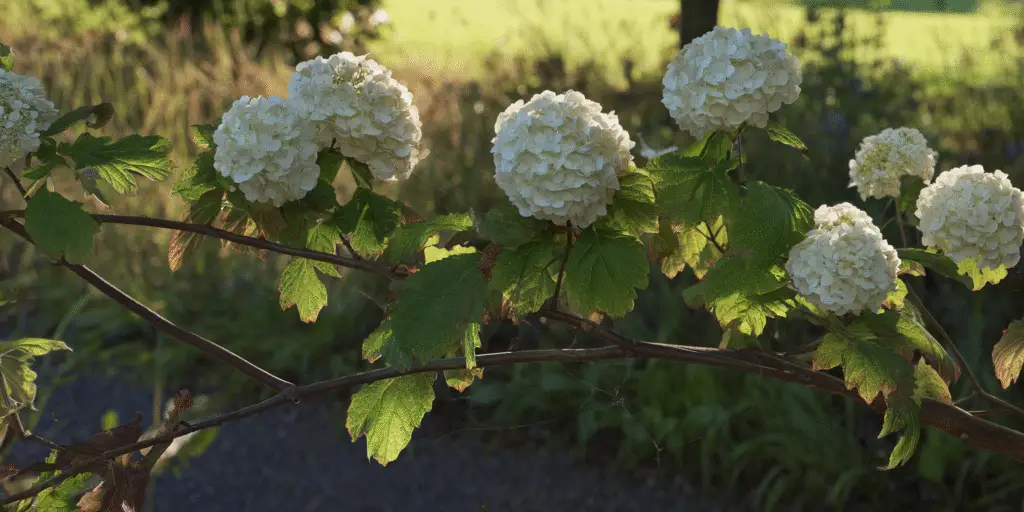
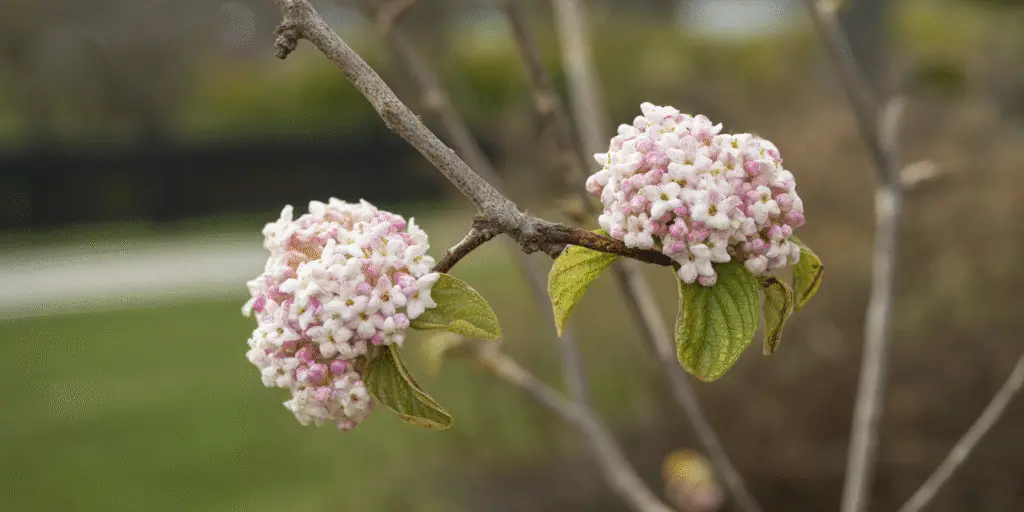
Enjoying our flower guides? Add YourFlowersGuide as a preferred source on Google. It helps more readers find us.
Add to Preferred Sources