returns in
212
days
Bloom calendar
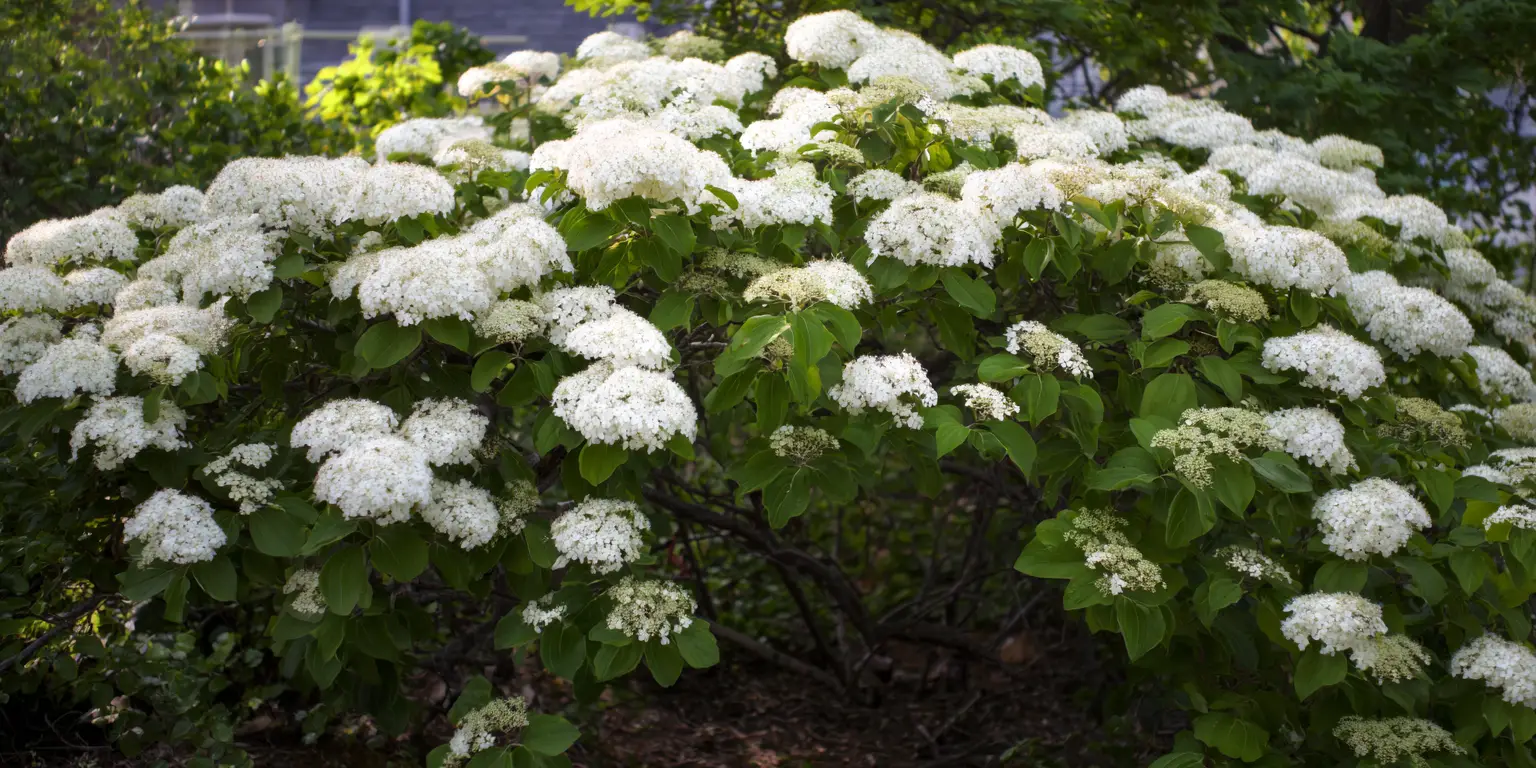
Viburnum × burkwoodii
deciduous shrub; Burkwood hybrid
At‑a‑glance
- Group/Class: deciduous shrub; Burkwood hybrid
- Height × spread: 8–10 ft × 6–7 ft (2.4–3.0 m × 1.8–2.1 m)
- Bloom window: April
- Color & flower form: pinkish white flat cymes 2–4 in (5–10 cm)
- Fragrance: 3 strong
- USDA hardiness: zones 4–8
- Breeder / Year / Origin: Burkwood brothers, unknown, United Kingdom
- Pet safety: safe
How it differs
- Fragrance is among the strongest in the genus.
- Semi‑evergreen foliage in warm zones extends season of interest.
- Fruit display is modest compared with fruiting species.
- Drought tolerance is better than many viburnums once roots are deep.
- Moderate height suits screening without overwhelming small lots.
Strengths
- Strong, sweet fragrance in mid spring.
- Adaptable to average garden soils.
- Tolerates summer dry spells after establishment.
- Often shows good fall color.
- Attracts birds and butterflies.
Care in one minute
Plant in full sun to part shade.
Provide average, well‑drained soil; water to establish, then during extended dry weather.
Prune after bloom; remove several oldest stems to renew.
Light spring feed only if growth is weak.
Mulch 2 to 3 in (5 to 7.5 cm).
Watch‑outs
- Viburnum crown borer can cause dieback on stressed plants.
- Best scent develops with full sun exposure.
- Fruit is not especially showy.
- Usually less susceptible to viburnum leaf beetle than snowball and arrowwood types, but monitor in infested regions.
Best uses (tags)
Provenance note
A garden hybrid between Viburnum utile and Viburnum carlesii raised by the Burkwood brothers in England.
References
- Missouri Botanical Garden – Viburnum × burkwoodi
Similar Flowers
Enjoying our flower guides? Add YourFlowersGuide as a preferred source on Google. It helps more readers find us.
Add to Preferred Sources