
returns in
212
days
Bloom calendar
Viburnum macrocephalum
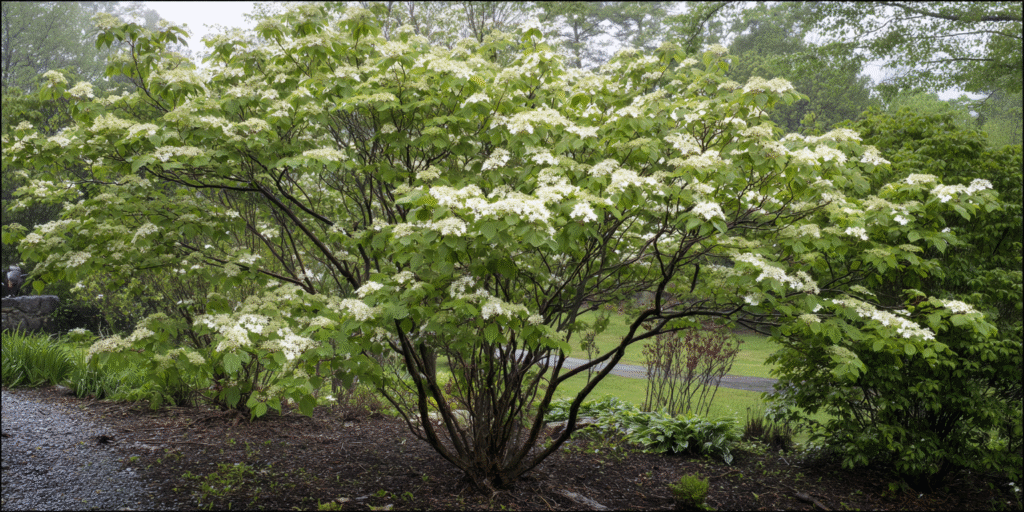
deciduous to semi‑evergreen shrub; Chinese snowball viburnum
At‑a‑glance
- Group/Class: deciduous to semi‑evergreen shrub; Chinese snowball viburnum
- Height × spread: 12–20 ft × 10–15 ft (3.7–6.1 m × 3.0–4.6 m)
- Bloom window: April to May; occasional fall rebloom in warm zones
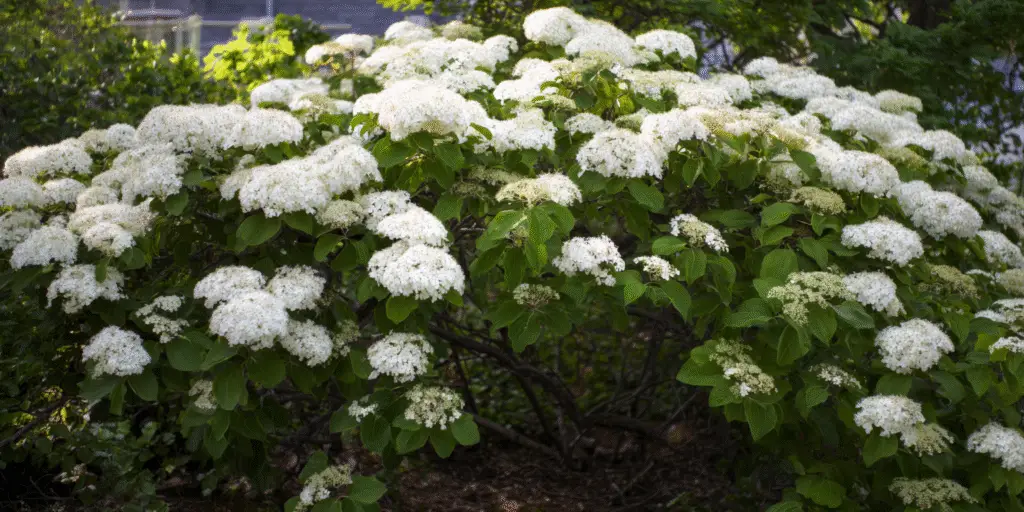
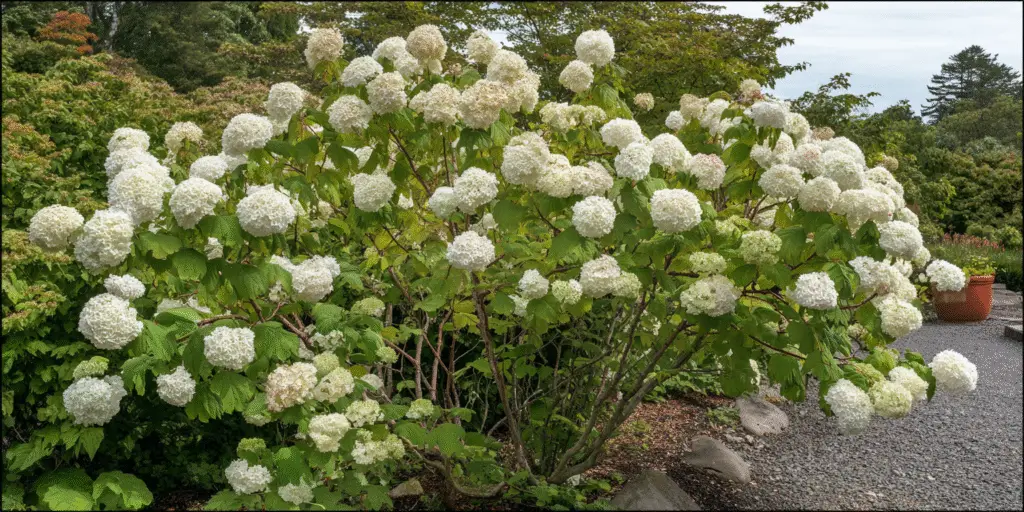
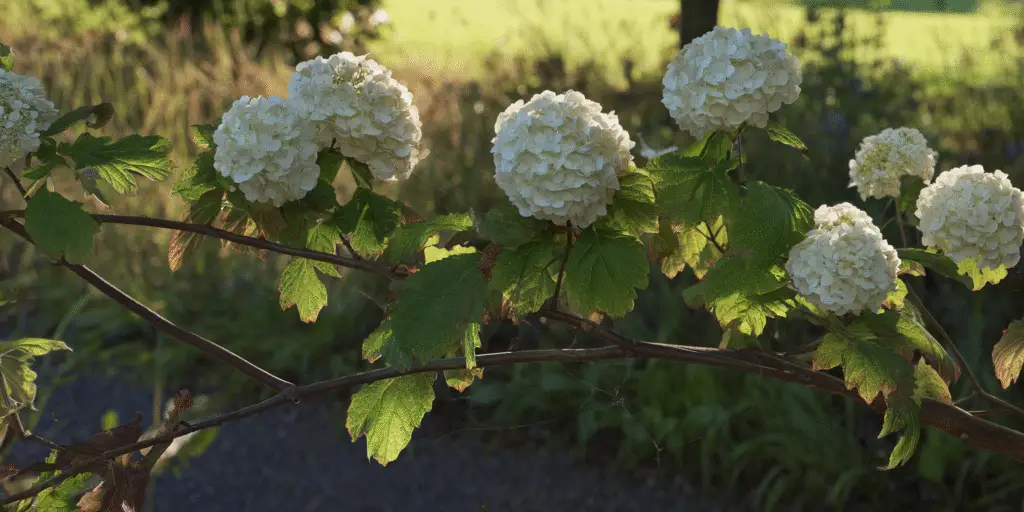
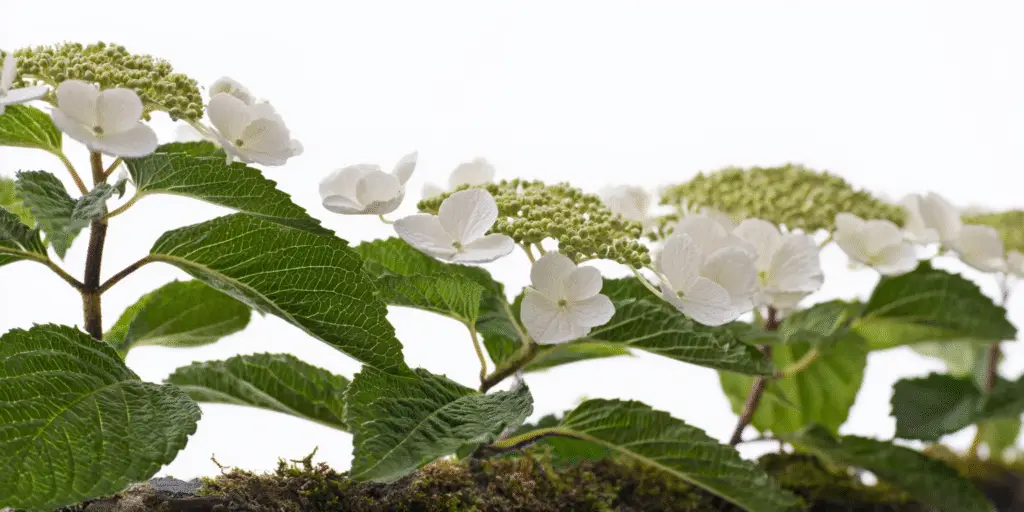
- Color & flower form: apple‑green to white globes 3–8 in (7.5–20 cm); sterile florets
- Fragrance: 0 none
- USDA hardiness: zones 6–9
- Breeder / Year / Origin: unknown; China
- Cut‑flower notes: large heads; woody stems; typical vase life varies by handling
- Pet safety: safe
How it differs
- Flower heads are larger than those of the European snowball ‘Roseum’.
- Plants grow taller than many viburnums on the pillar page.
- Flowers are typically sterile and do not fruit.
- Semi‑evergreen foliage in the warmest zones extends presence.
Strengths
- Spectacular spring display with very large globes.
- Heat tolerant within its hardiness range.
- Accepts hard pruning and shaping.
- Good presence as a specimen or loose screen.
Care in one minute
Plant in full sun to part shade based on heat and bloom goals.
Provide moist, well‑drained, slightly acidic soil; water during dry periods.
Light spring feed if soils are poor; avoid heavy nitrogen.
Prune after bloom to shape; older stems can be thinned to renew.
Mulch 2 to 3 in (5 to 7.5 cm).
Watch‑outs
- Not hardy in colder climates north of zone 6.
- Heavy heads can weigh on wet wood; prune to a strong framework.
- Sterile forms provide no berries for wildlife.
Best uses (tags)
Provenance note
Native to China; the species epithet means ‘large head’ and refers to the big inflorescences. Some cultivated forms rebloom lightly in fall in warm areas.
References
- NC State Extension – Viburnum macrocephalum
Similar Flowers
Enjoying our flower guides? Add YourFlowersGuide as a preferred source on Google. It helps more readers find us.
Add to Preferred Sources