Viburnum dentatum

Viburnum dentatum

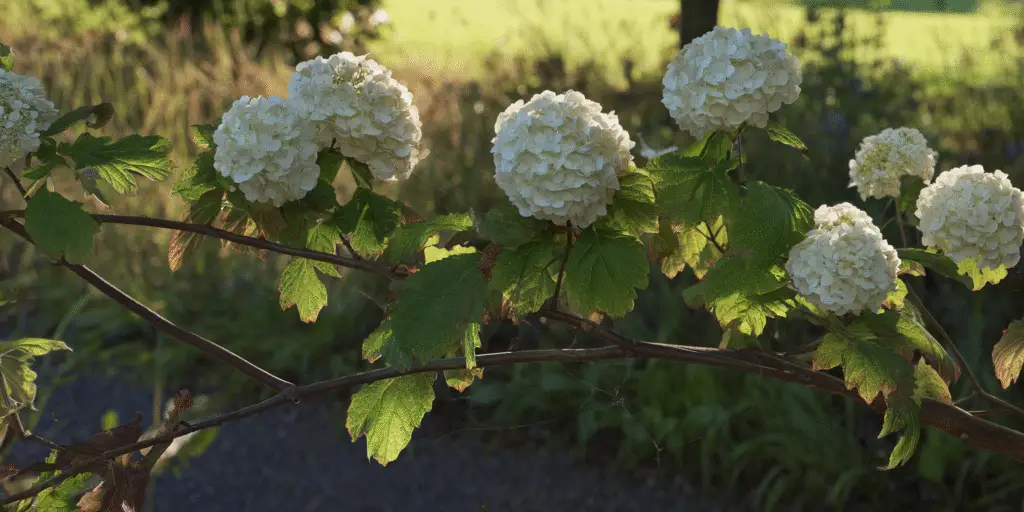
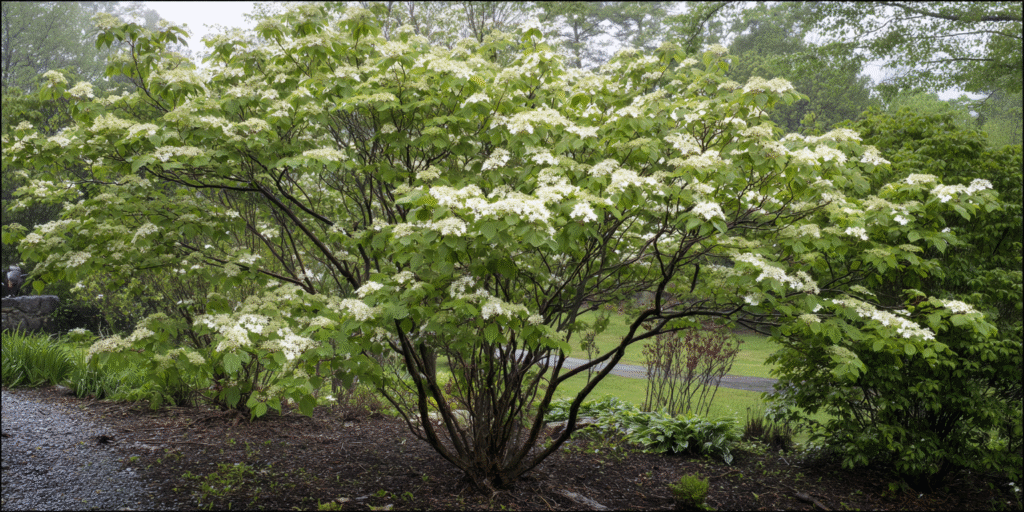
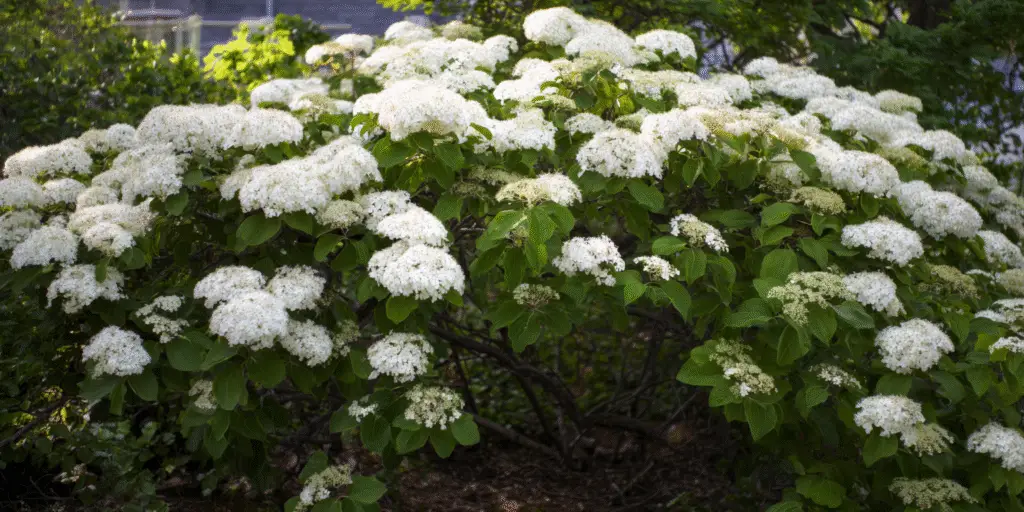
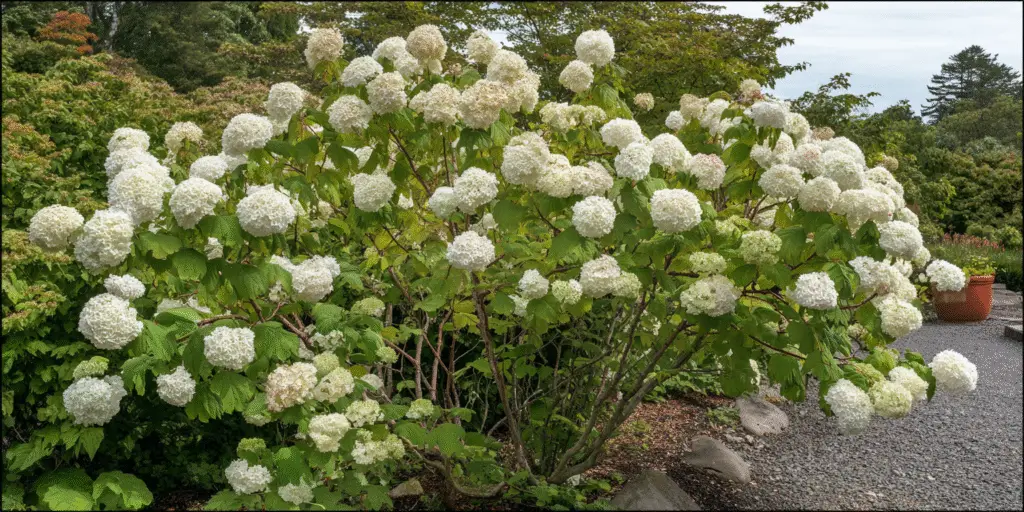
Arrowwood viburnum is a rugged native shrub valued for screens and wildlife plantings. White, flat‑topped clusters bloom in late spring and lead to blue‑black drupes for birds. Plants mature 6 to 10 ft tall and wide and will sucker to form thickets if allowed. It tolerates full sun to part shade and a wide range of soils, including clay. It is very cold hardy and is used across much of North America. Fall color varies from yellow to burgundy depending on the seedling or selection.

At‑a‑glance

  • Group/Class: deciduous shrub; arrowwood viburnum (native)
  • Height × spread: 6–10 ft × 6–10 ft (1.8–3.0 m × 1.8–3.0 m)
  • Bloom window: May to June
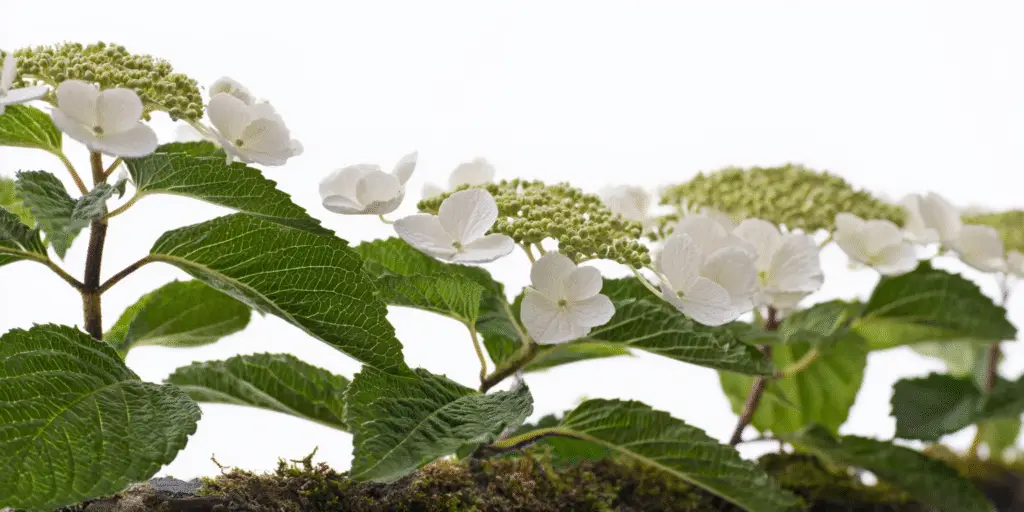
  • Color & flower form: white, flat corymbs to 4 in (10 cm); blue‑black fruit
  • Fragrance: 0 none
  • USDA hardiness: zones 2–8
  • Breeder / Year / Origin: unknown; native to eastern North America
  • Pet safety: safe

How it differs

  • Native origin and high wildlife value set it apart from many ornamental viburnums.
  • Later bloom time extends the viburnum season.
  • Tough, soil‑adaptable roots suit streets and screens.
  • Suckering habit can fill space quickly.

Strengths

  • Extremely cold hardy and durable.
  • Tolerates clay soils and occasional wetness.
  • Blue‑black drupes feed birds.
  • Handles sites with black walnut nearby.

Care in one minute

  • Plant in full sun to part shade based on screening needs.
  • Soil can be clay, loam, or sandy if drainage is acceptable.
  • Water to establish in year one; thereafter water during drought.
  • Prune right after bloom; remove oldest stems at ground to manage suckering.
  • Mulch 2 to 3 in (5 to 7.5 cm) to suppress weeds.

Watch‑outs

  • Highly susceptible to viburnum leaf beetle in areas where the pest is established.
  • Unmanaged suckers can spread beyond intended bounds.
  • Fall color is variable.

Best uses (tags)

hedges, screens, native plantings, wildlife, pollinators

Provenance note

The common name arrowwood refers to the straight stems reportedly used by Native Americans for arrows. The species name means toothed and describes the leaf margins.

References

Written by: Your Flowers Guide editorial team
We are a small independent group of flower lovers who research and review each guide using trusted horticultural and educational sources. Learn more about us