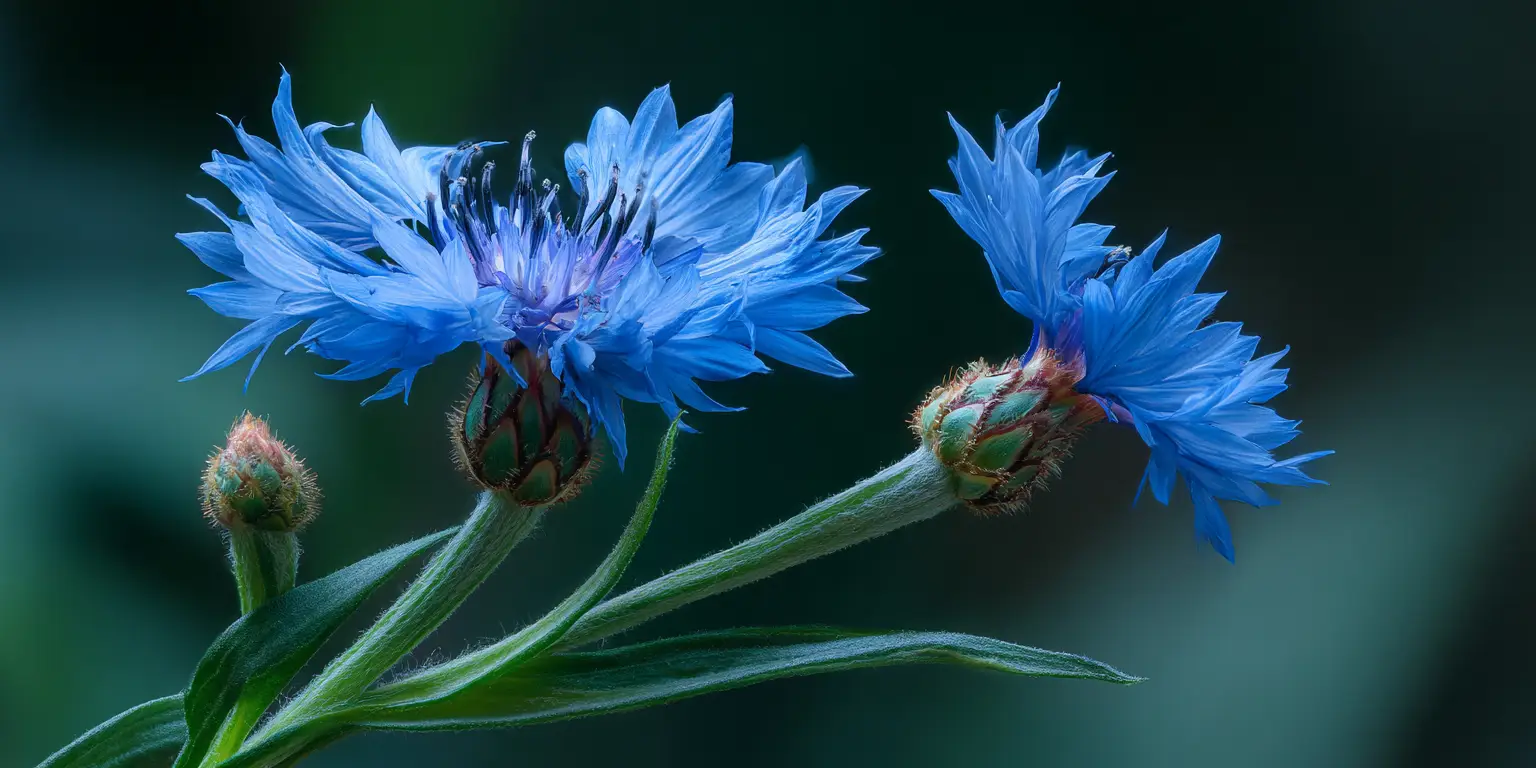
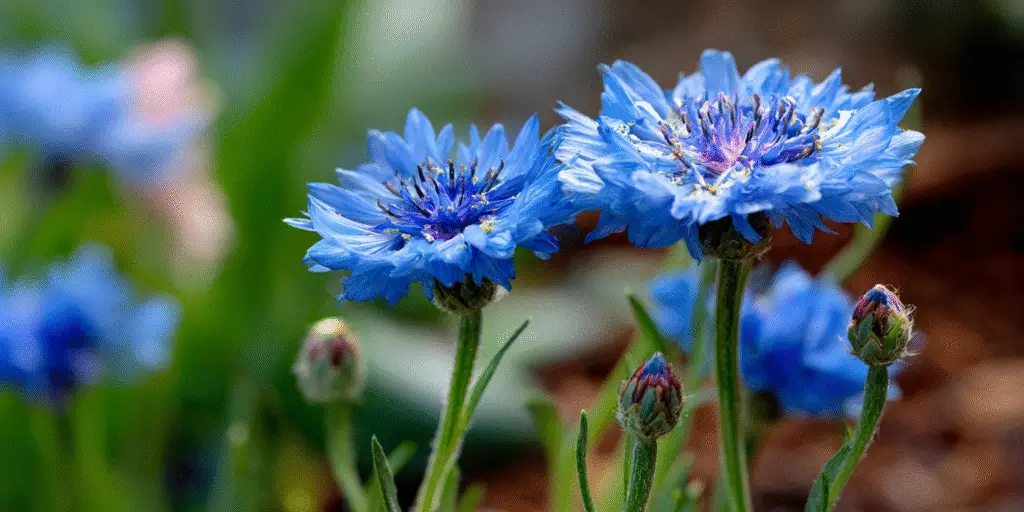
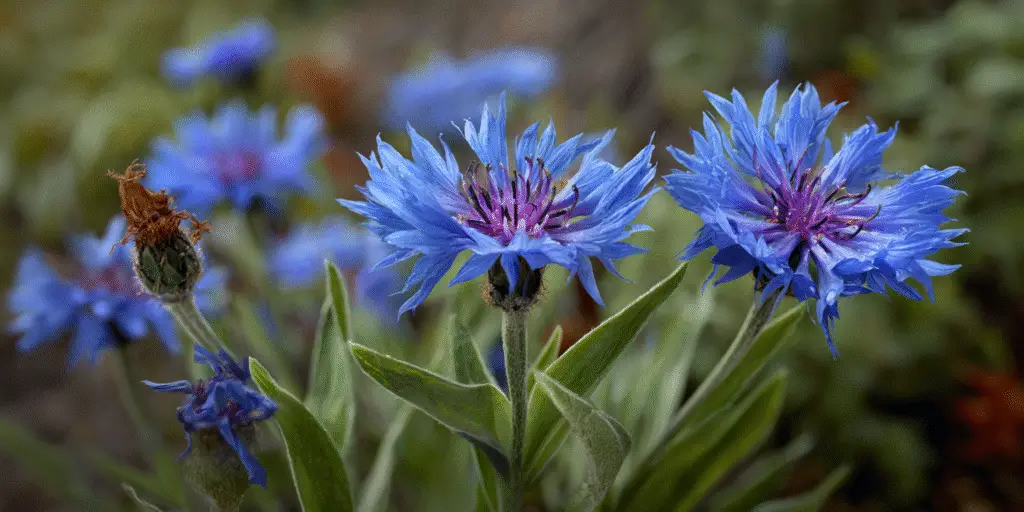
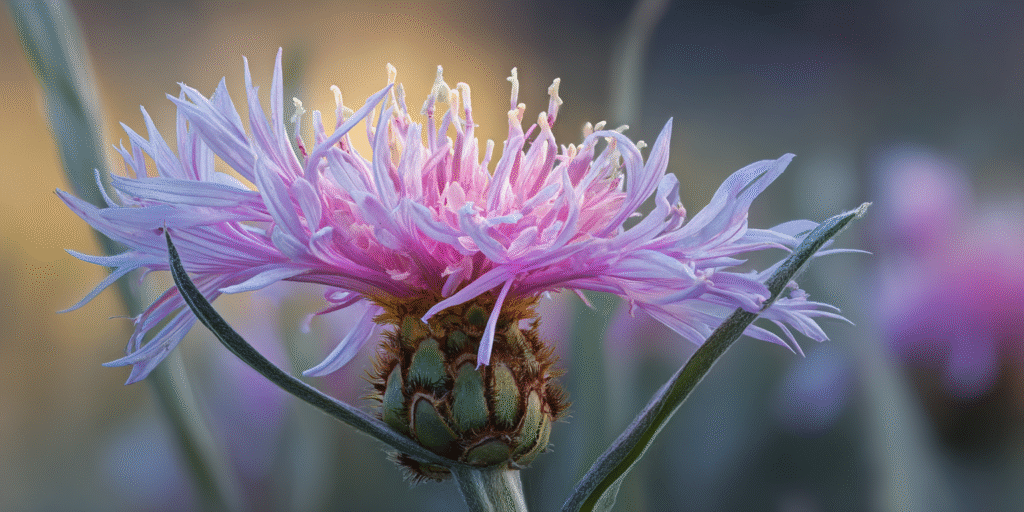
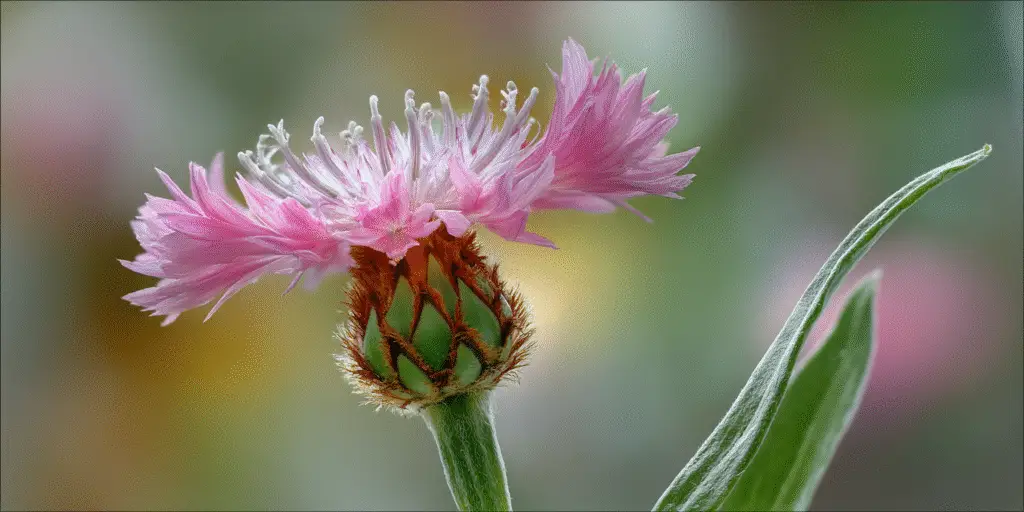
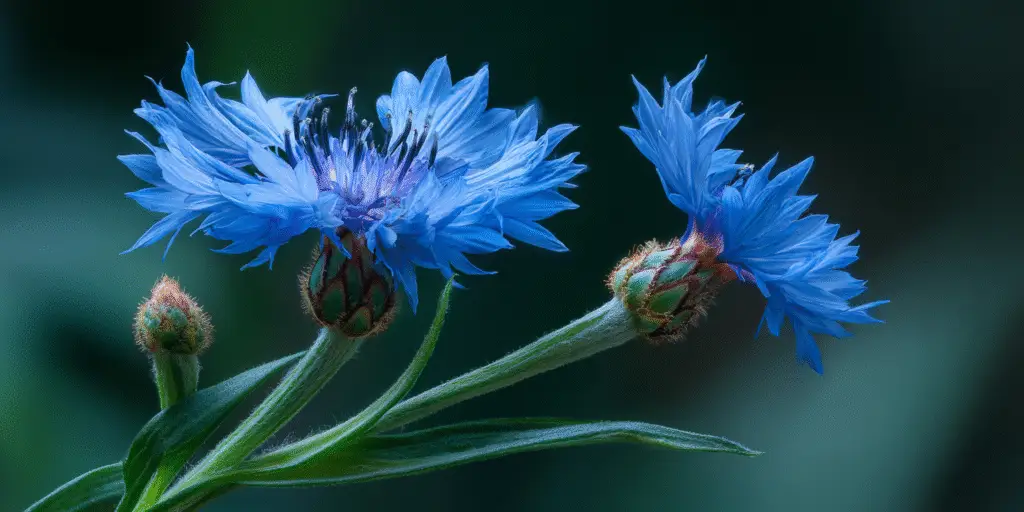
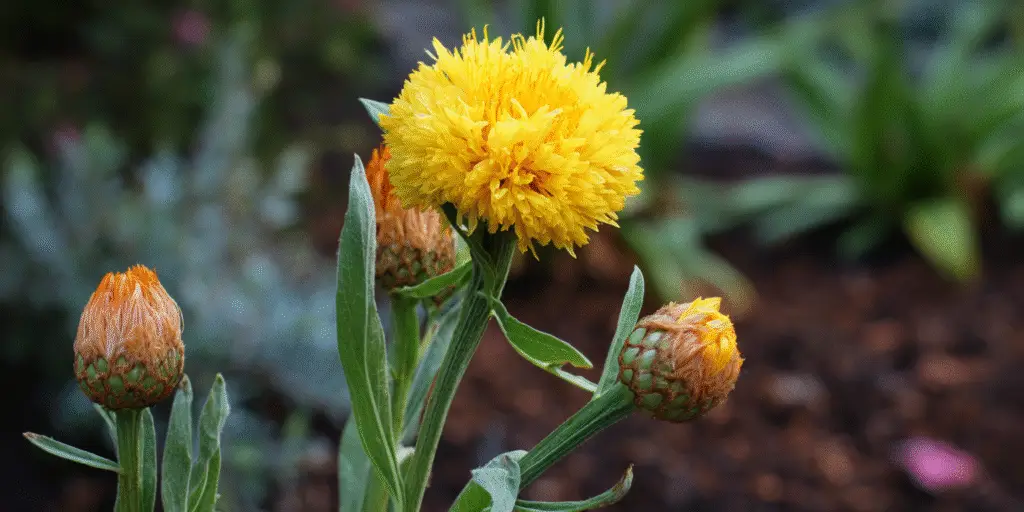
Centaurea triumfettii is a compact, alpine‑leaning perennial cornflower related to C. montana. Plants carry blue to violet, fringed flower heads above narrow, often felted leaves. It performs best in full sun and sharply drained, neutral to alkaline soils. Use it in rock gardens or the front of dry borders where winters are cold and soils do not stay wet.
At‑a‑glance
Group/Class: Perennial cornflower
Height × spread: 12 to 24 in (30 to 60 cm) × 12 to 24 in (30 to 60 cm)
Bloom window: late spring to early summer
Color & flower form: blue to violet; fringed florets with paler centers
Fragrance: 0 none
USDA hardiness: unknown / varies by subspecies and climate
Breeder / Year / Origin: unknown
Pet safety: unknown
How it differs
More compact and neater than C. montana
Suited to rock gardens and thin, chalky soils
Narrower leaves and often more than one head per stem
Prefers drier conditions with excellent drainage
Strengths
Cold‑tolerant where soil stays dry in winter
Performs in poor, alkaline soils
Attractive to pollinators
Care in one minute
Provide full sun and sharp drainage; raised beds or scree are ideal.
Soil: neutral to alkaline; avoid heavy clay without grit.
Water sparingly once established.
Deadhead to keep plants compact and reduce self‑seeding.
Divide or replant to maintain vigor if clumps decline.
Watch‑outs
Resents wet winter soils
May languish in hot, humid summers
Hardiness varies among subspecies; verify locally
Best uses (tags)
borders, rock gardens, pollinators, cottage
Provenance note
A species of the western Alps and surrounding regions; accepted by Kew with several subspecies grown in gardens.
References
Kew Plants of the World Online – Centaurea triumfettii
Written by: Your Flowers Guide editorial team We are a small independent group of flower lovers who research and review each guide using trusted horticultural and educational sources. Learn more about us