returns in
243
days
Bloom calendar
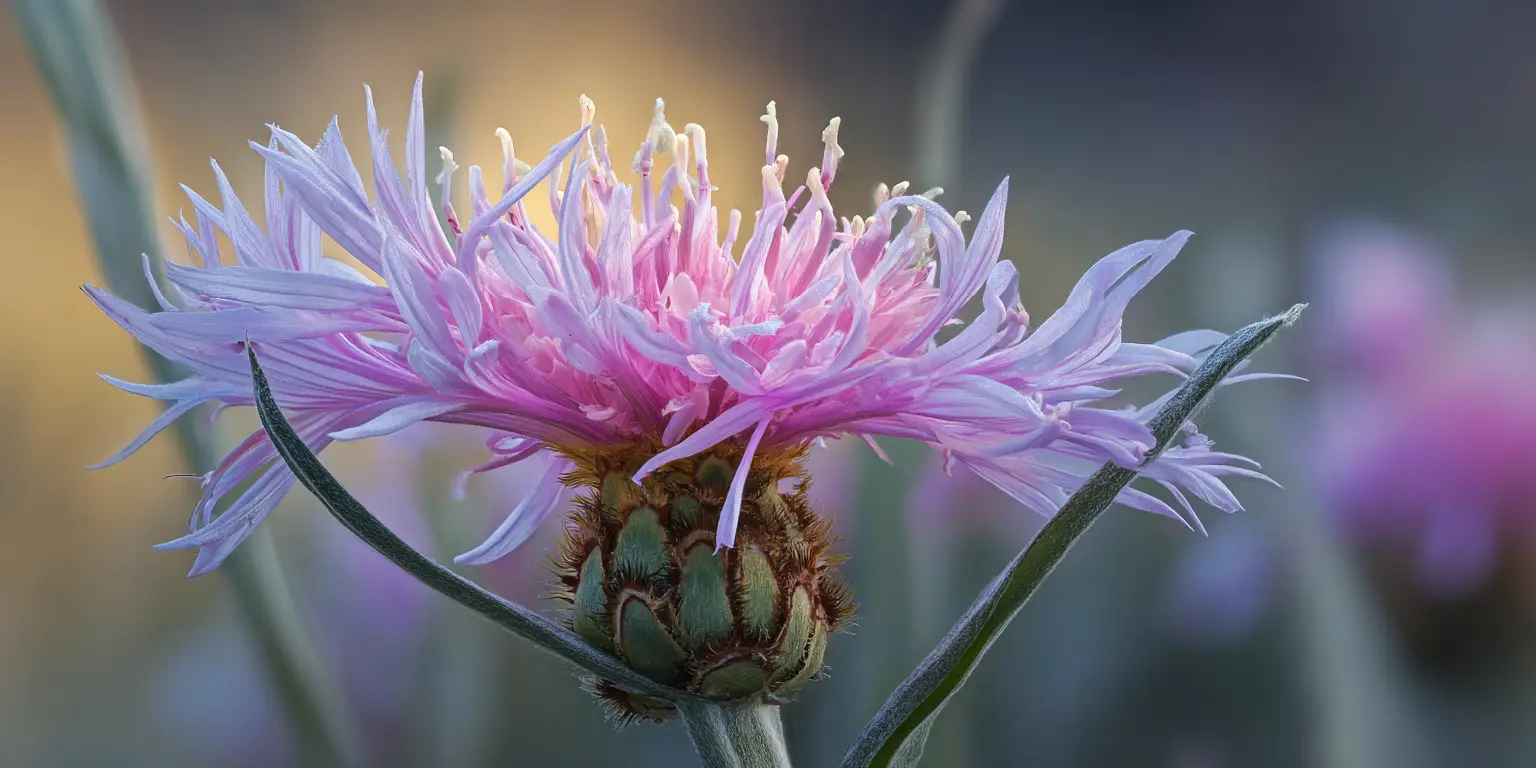
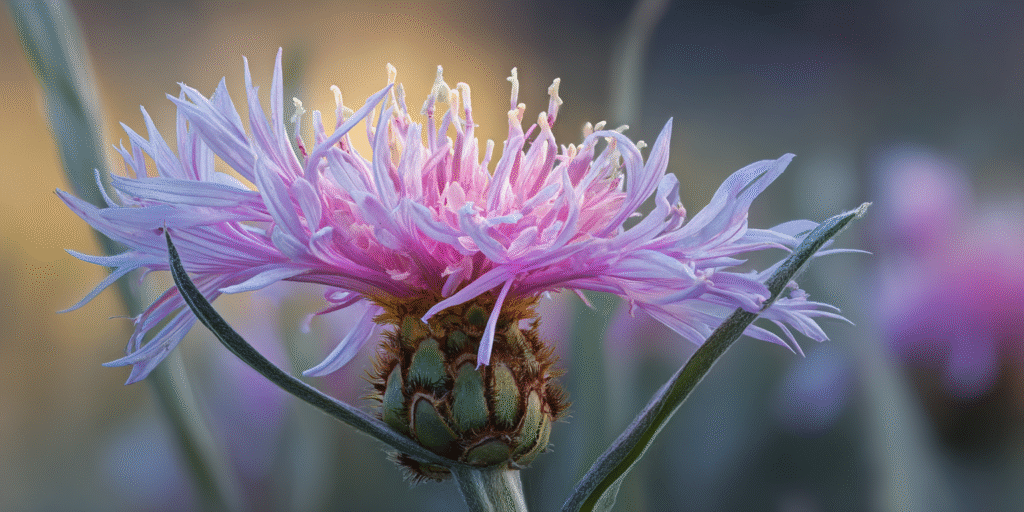
Centaurea americana
Annual native basketflower
At‑a‑glance
- Group/Class: Annual native basketflower
- Height × spread: 3 to 5 ft (0.9 to 1.5 m) × 1 to 2 ft (30 to 60 cm)
- Bloom window: late spring to early summer
- Color & flower form: rose‑pink outer florets with creamy centers; thistle‑like heads
- Fragrance: 2 noticeable
- USDA hardiness: grown as annual in all zones
- Breeder / Year / Origin: unknown
- Cut‑flower notes: good fresh or dried; cut when half open
- Pet safety: unknown
How it differs
- Tallest stature among common cornflowers
- Largest flower heads with showy bracts
- Notable sweet scent compared with most cornflowers
- Heat and drought tolerance once established
Strengths
- Native annual that supports pollinators
- Strong presence in meadows and borders
- Performs in lean, well‑drained soils
- Self‑sows in suitable sites
Care in one minute
Plant in full sun with free‑draining soil.
Water to establish; then allow soil to dry slightly between waterings.
Feeding is minimal; excess fertility reduces stem strength.
Stake in windy sites; deadhead to prolong bloom or allow seed for wildlife.
Sow in place where seasons are long; transplant carefully if started indoors.
Watch‑outs
- Not frost tolerant; avoid late cold snaps
- May lean in rich soil or wind; stake if needed
- Can self‑seed freely
Best uses (tags)
Provenance note
The only Centaurea species native to North America; recorded by USDA across the south‑central U.S.
References
- USDA PLANTS – Centaurea americana profile
- Native Plant Society of Texas – American basket‑flower
- Texas Native Seeds / Seedsource Fact Sheet – American Basketflower
Similar Flowers
Enjoying our flower guides? Add YourFlowersGuide as a preferred source on Google. It helps more readers find us.
Add to Preferred Sources