returns in
243
days
Bloom calendar
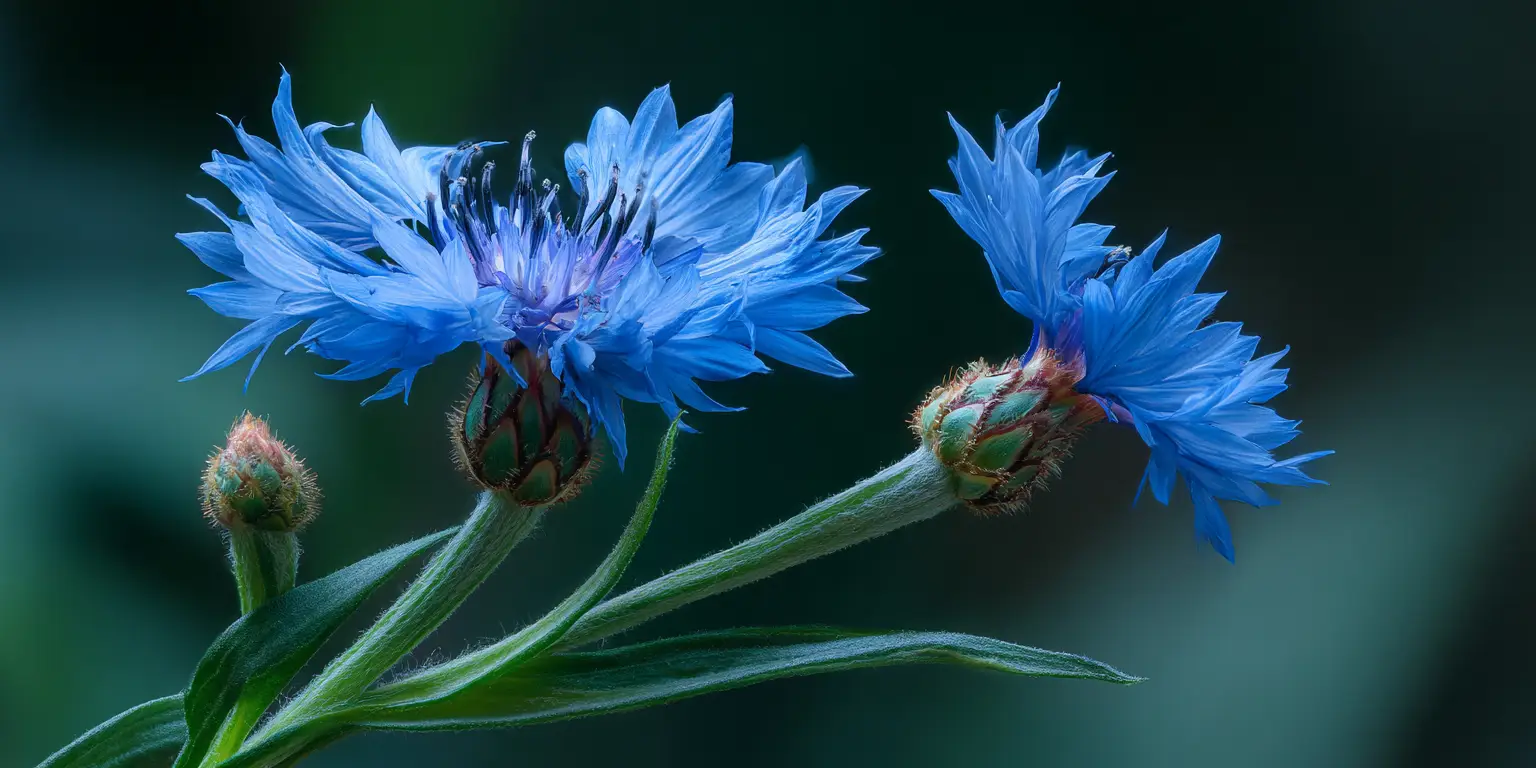
Centaurea triumfettii
Perennial cornflower
At‑a‑glance
- Group/Class: Perennial cornflower
- Height × spread: 12 to 24 in (30 to 60 cm) × 12 to 24 in (30 to 60 cm)
- Bloom window: late spring to early summer
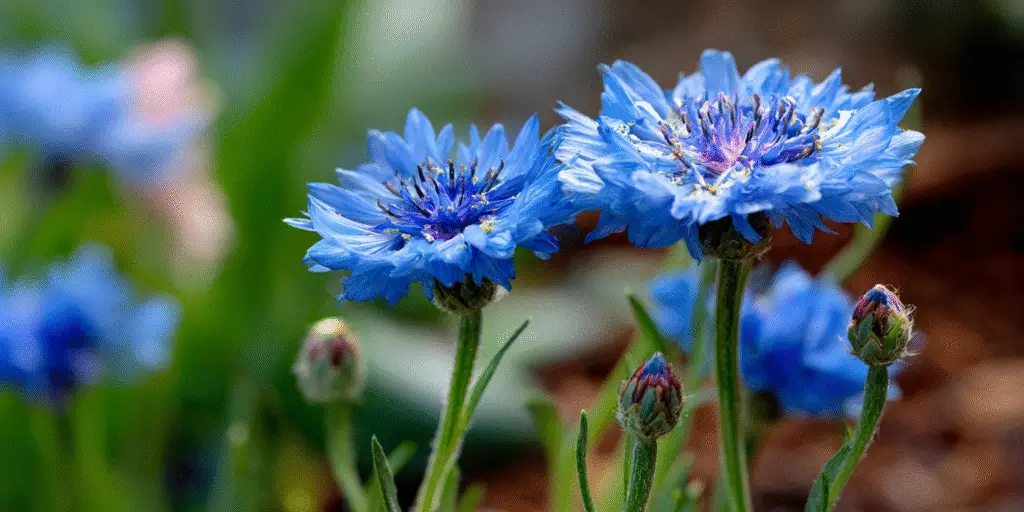
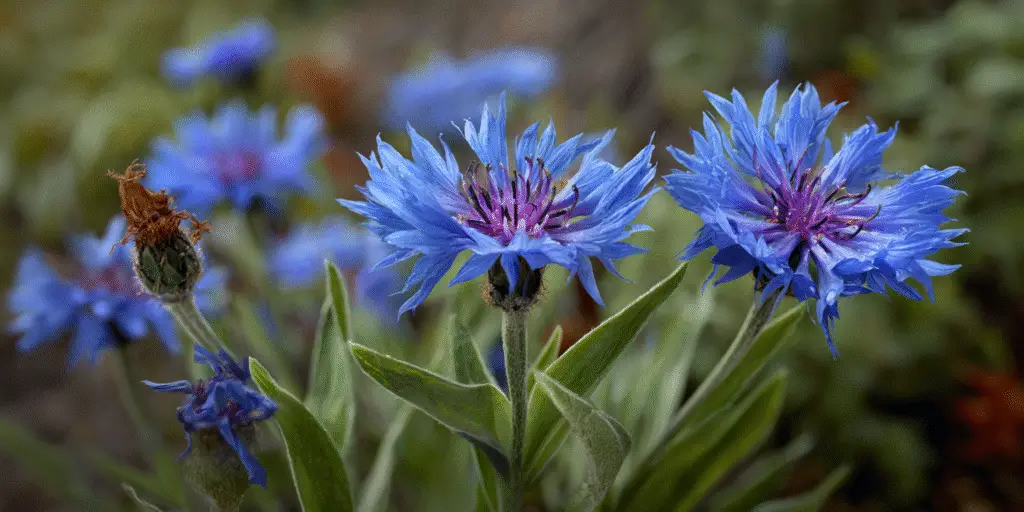
- Color & flower form: blue to violet; fringed florets with paler centers
- Fragrance: 0 none
- USDA hardiness: unknown / varies by subspecies and climate
- Breeder / Year / Origin: unknown
- Pet safety: unknown
How it differs
- More compact and neater than C. montana
- Suited to rock gardens and thin, chalky soils
- Narrower leaves and often more than one head per stem
- Prefers drier conditions with excellent drainage
Strengths
- Cold‑tolerant where soil stays dry in winter
- Performs in poor, alkaline soils
- Attractive to pollinators
Care in one minute
Provide full sun and sharp drainage; raised beds or scree are ideal.
Soil: neutral to alkaline; avoid heavy clay without grit.
Water sparingly once established.
Deadhead to keep plants compact and reduce self‑seeding.
Divide or replant to maintain vigor if clumps decline.
Watch‑outs
- Resents wet winter soils
- May languish in hot, humid summers
- Hardiness varies among subspecies; verify locally
Best uses (tags)
Provenance note
A species of the western Alps and surrounding regions; accepted by Kew with several subspecies grown in gardens.
References
- Kew Plants of the World Online – Centaurea triumfettii
- RHS – Centaurea triumfettii (subsp. stricta) details
- World Flora Online – Centaurea triumfettii
Similar Flowers
Enjoying our flower guides? Add YourFlowersGuide as a preferred source on Google. It helps more readers find us.
Add to Preferred Sources