returns in
243
days
Bloom calendar
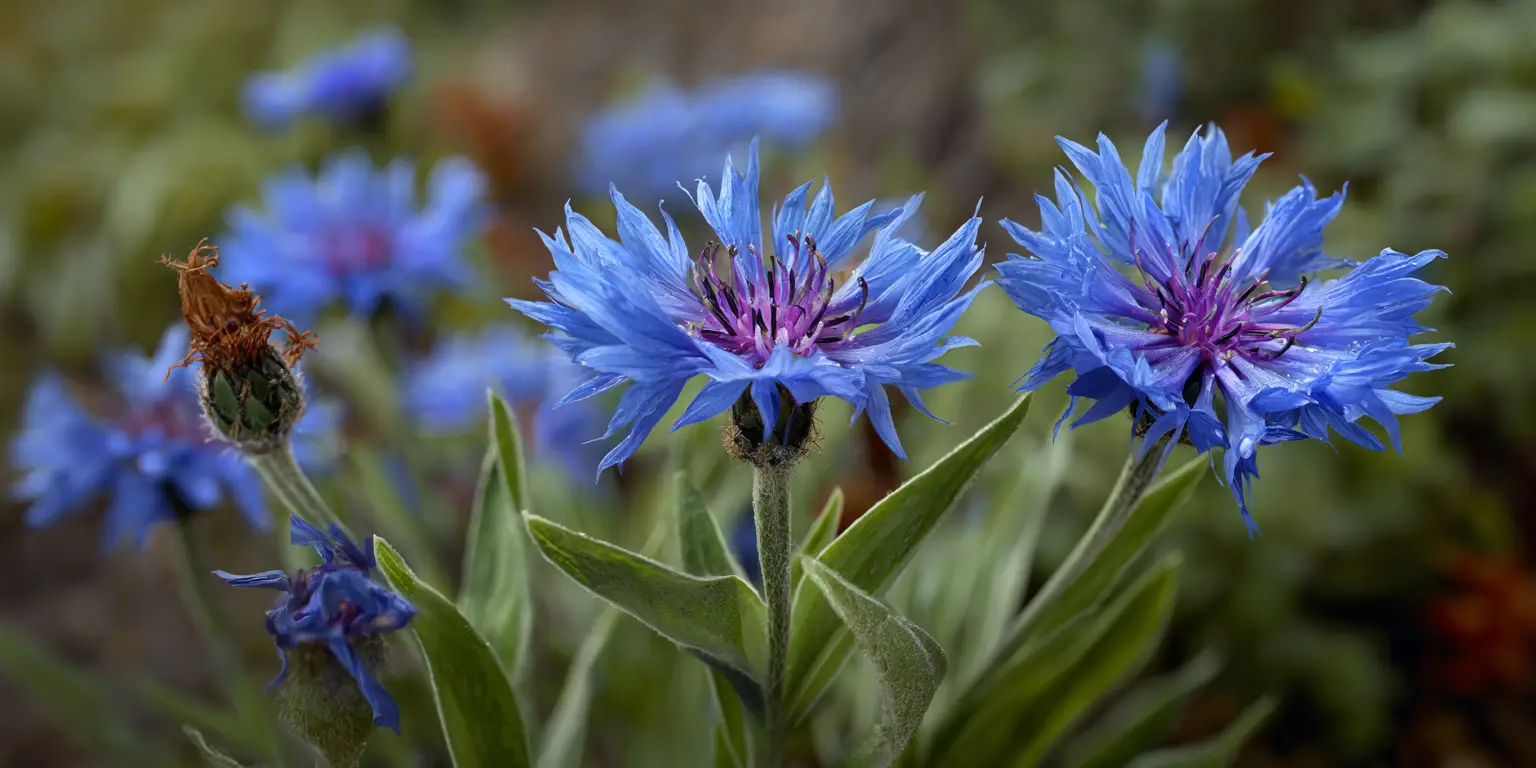
Centaurea montana
Perennial cornflower
At‑a‑glance
- Group/Class: Perennial cornflower
- Height × spread: 12 to 24 in (30 to 60 cm) × 12 to 18 in (30 to 45 cm)
- Bloom window: late spring; possible light rebloom after shearing
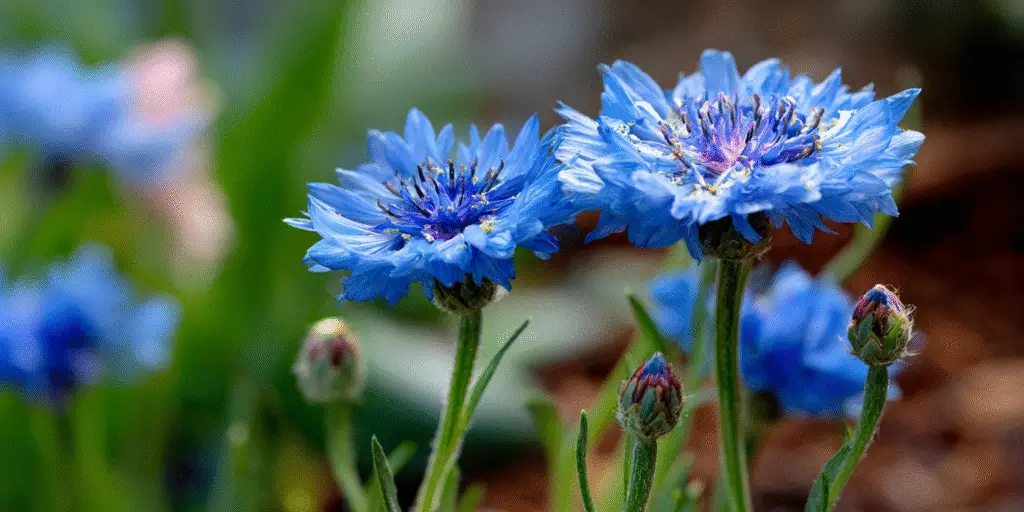
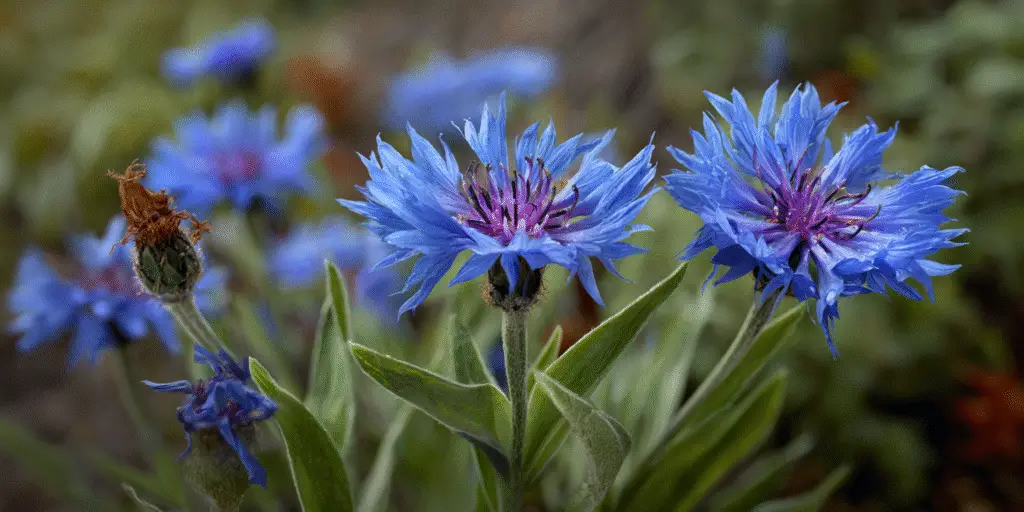
- Color & flower form: rich blue, fringed daisies with darker centers
- Fragrance: 0 none
- USDA hardiness: zones 3 to 8
- Breeder / Year / Origin: unknown
- Cut‑flower notes: usable in informal bouquets; cut when newly open
- Pet safety: unknown
How it differs
- Perennial habit rather than annual
- Earlier season bloom than big yellow knapweeds
- More shade‑tolerant than most cornflowers
- Forms spreading clumps from short rhizomes
Strengths
- Very cold‑hardy
- Performs in average garden soils
- Feeds pollinators in late spring
- Can rebloom with prompt deadheading
Care in one minute
Site in full sun to light afternoon shade.
Soil: average and well‑drained; neutral to slightly alkaline is fine.
Water when top inch dries; avoid waterlogged sites.
Feed lightly in spring if growth is weak.
Shear after the first flush to tidy and encourage rebloom.
Divide every few years if clumps thin in the center.
Watch‑outs
- Can sprawl or flop in rich soil
- May self‑seed and spread beyond clumps
- Foliage can look tired in midsummer heat
Best uses (tags)
Provenance note
Native to mountain regions of Europe, long grown in cottage gardens and naturalized in parts of North America.
References
- Missouri Botanical Garden Plant Finder – Centaurea montana
- NC State Extension Gardener Plant Toolbox – Centaurea montana
- Chicago Botanic Garden Plant Finder – Mountain Bluet
Similar Flowers
Enjoying our flower guides? Add YourFlowersGuide as a preferred source on Google. It helps more readers find us.
Add to Preferred Sources