returns in
243
days
Bloom calendar
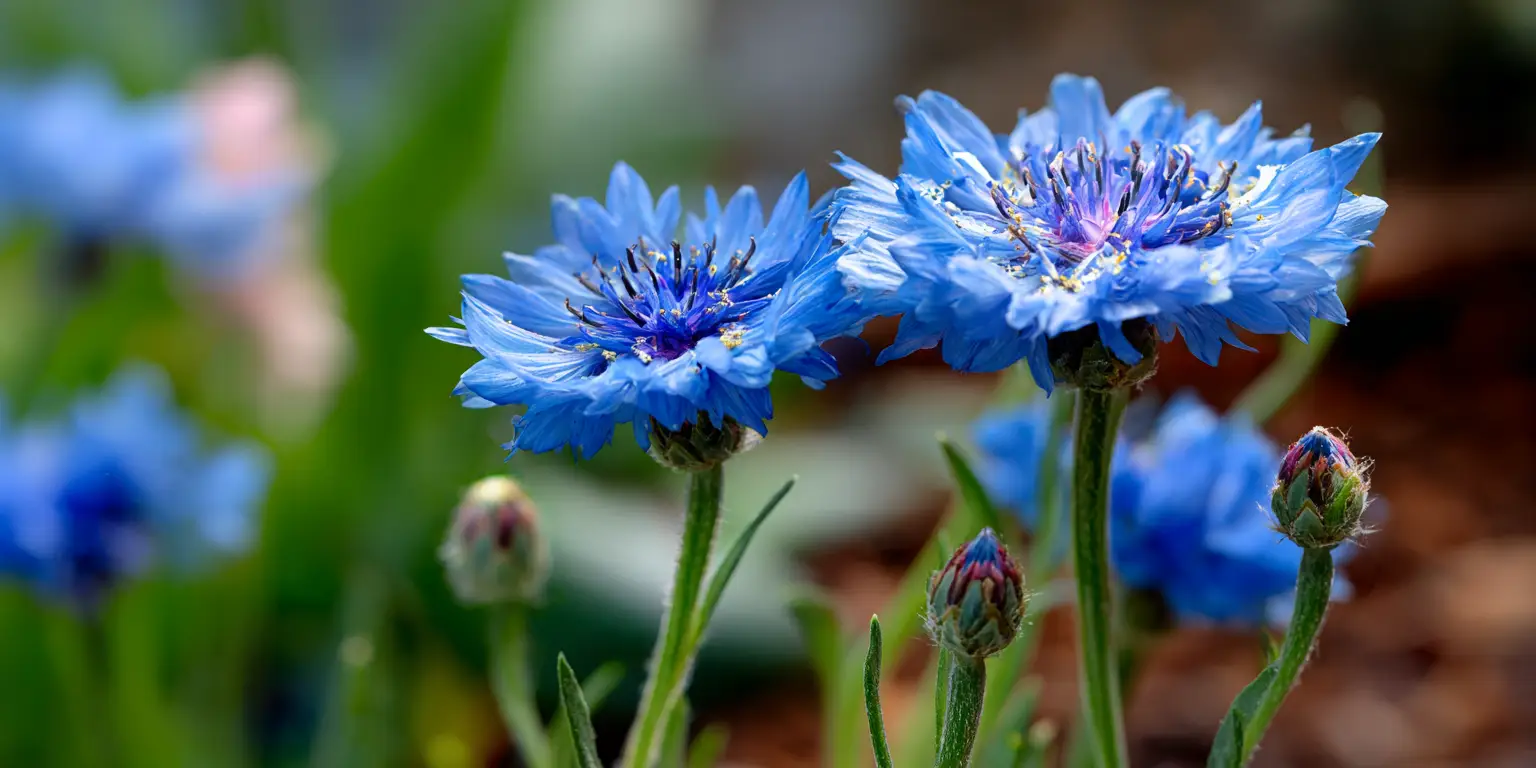
Centaurea cyanus
Annual cornflower
At‑a‑glance
- Group/Class: Annual cornflower
- Height × spread: 12 to 24 in (30 to 60 cm) × 6 to 12 in (15 to 30 cm)
- Bloom window: late spring to early summer; longer in cool summers
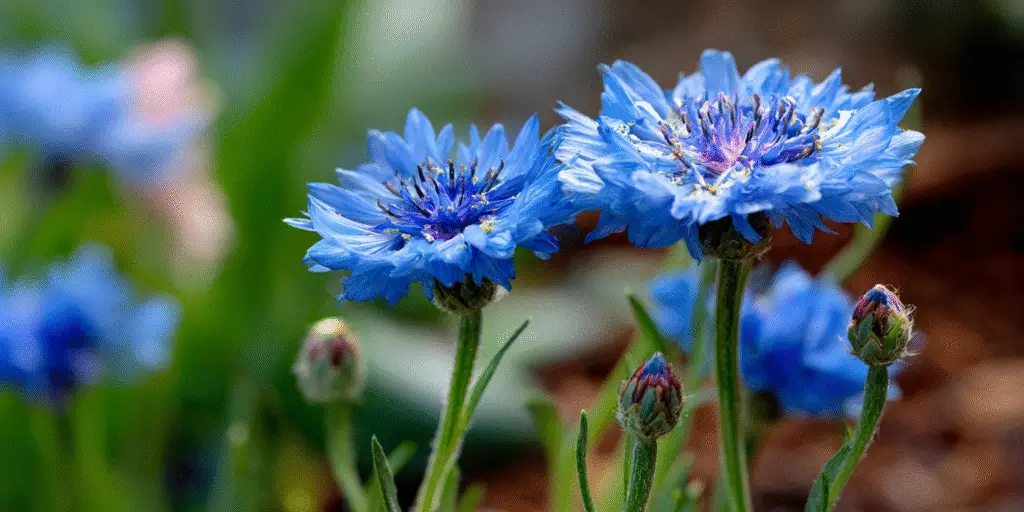
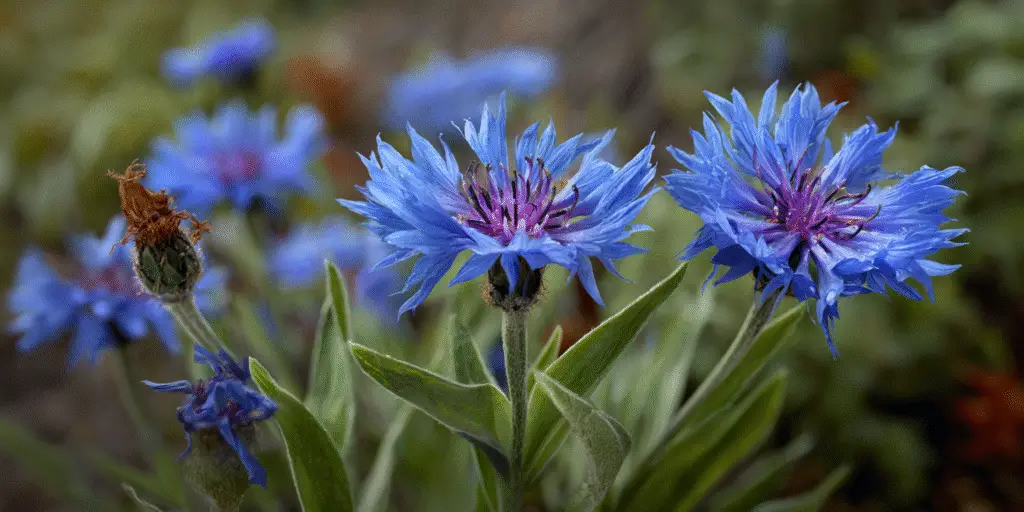
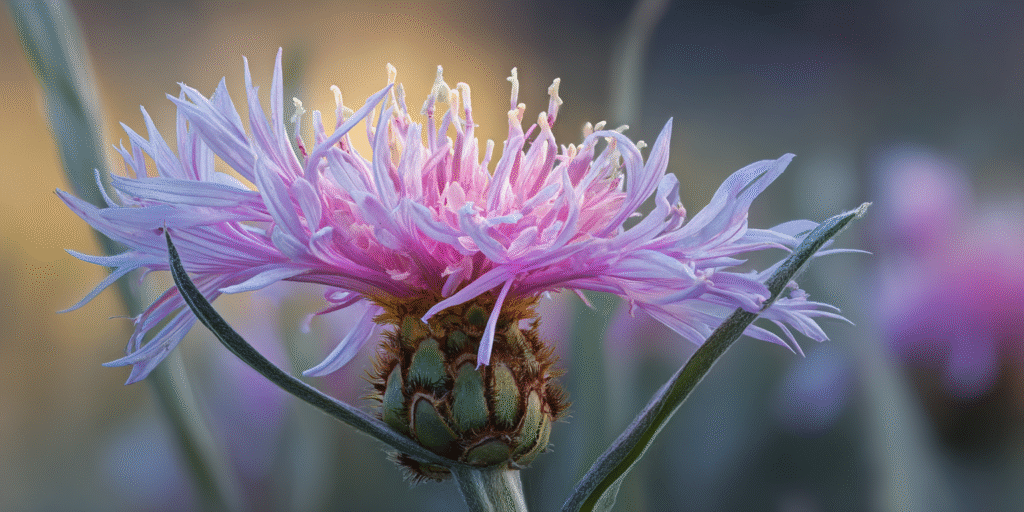
- Color & flower form: mostly blue; also pink or white; tufted, fringed heads
- Fragrance: 0 none
- USDA hardiness: grown as annual in all zones
- Breeder / Year / Origin: unknown
- Cut‑flower notes: good cut flower; cut when blooms are newly open
- Pet safety: safe
How it differs
- Annual habit versus the perennial cornflowers on the pillar page
- Earlier spring bloom compared with most perennial types
- Slim, wiry stems and smaller flower heads
- Wide color range beyond blue
- Self‑seeds readily in open soil
Strengths
- Easy from direct sowing
- Handles lean, well‑drained soil
- Good drought tolerance once established
- Attractive to bees and butterflies
Care in one minute
Choose full sun and open airflow.
Soil: average, well‑drained; pH neutral to slightly alkaline is fine.
Water regularly during establishment; then water when top inch is dry.
Feeding is light; excess nitrogen causes flop.
Pinch young plants at 6 to 8 in to branch; deadhead to extend bloom.
In mild‑winter areas, fall‑sow; elsewhere, sow after last frost.
Watch‑outs
- Can flop in rich soil or shade
- Fades quickly as summer heat builds
- Self‑seeds; deadhead to limit spread
Best uses (tags)
Provenance note
A European arable wildflower, it has been grown in gardens for centuries and is now naturalized through much of the U.S. and southern Canada.
References
- Missouri Botanical Garden Plant Finder – Centaurea cyanus
- NC State Extension Gardener Plant Toolbox – Centaurea cyanus
- Illinois Extension – Bachelor’s Button (Centaurea cyanus)
- ASPCA – Cornflower (Centaurea cyanus) toxicity
Similar Flowers
Enjoying our flower guides? Add YourFlowersGuide as a preferred source on Google. It helps more readers find us.
Add to Preferred Sources