How to Grow and Care for Forsythia
Contents
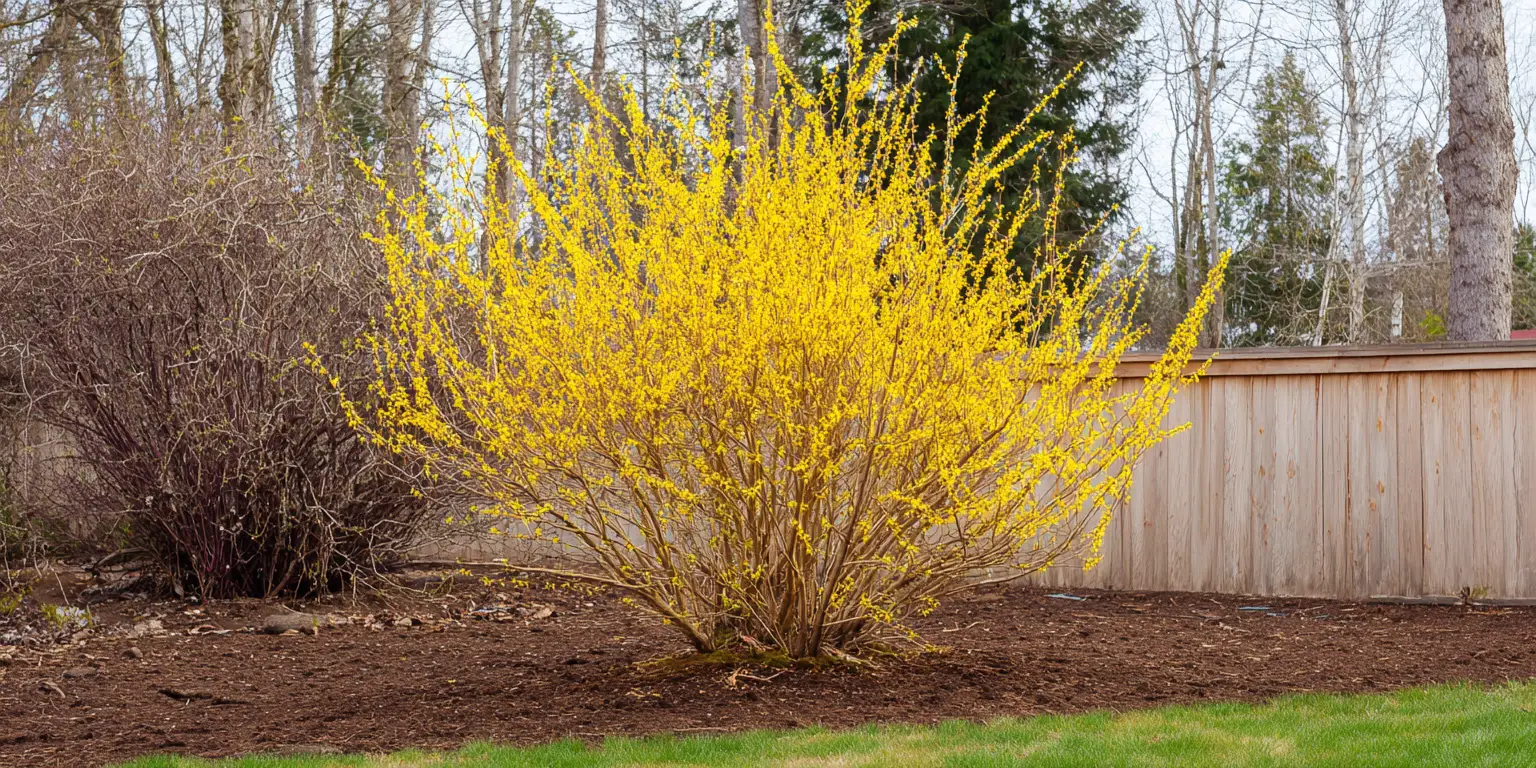
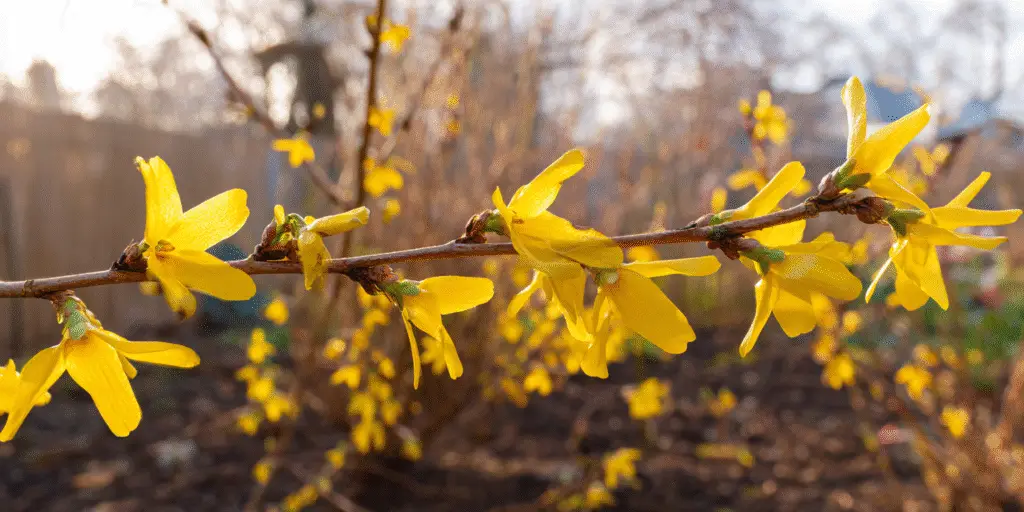
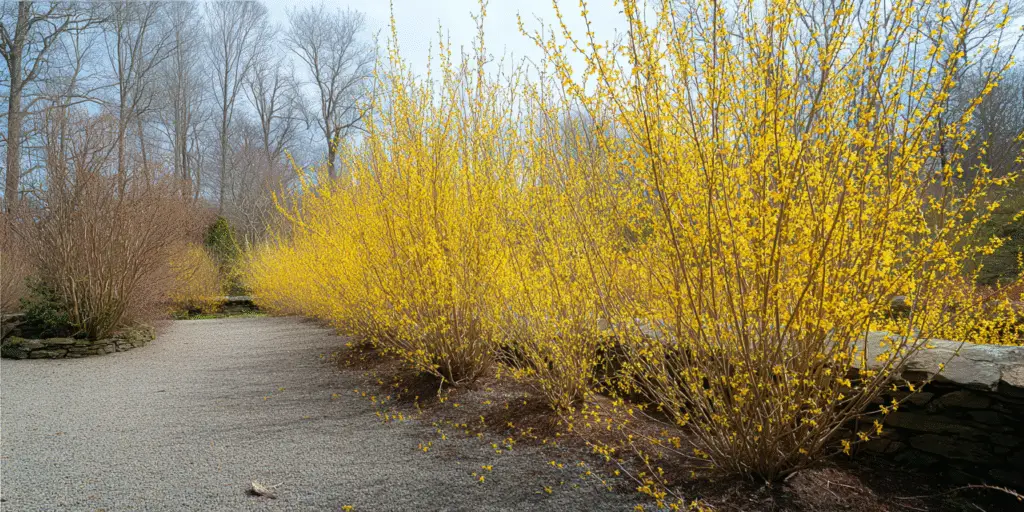
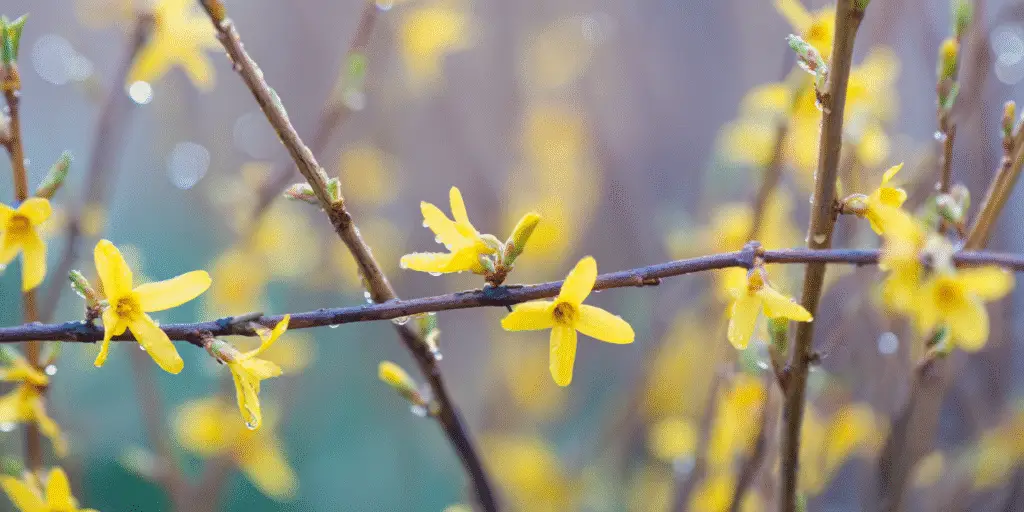
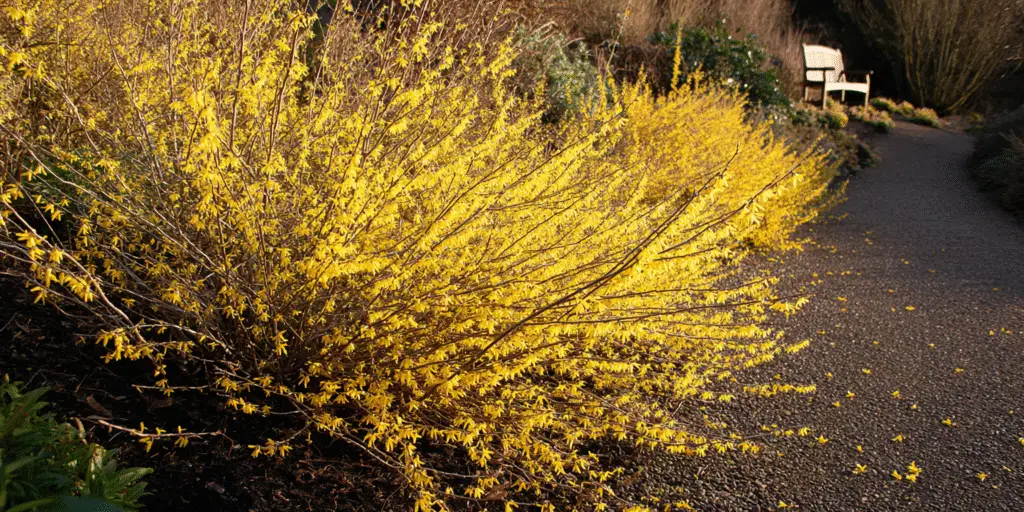
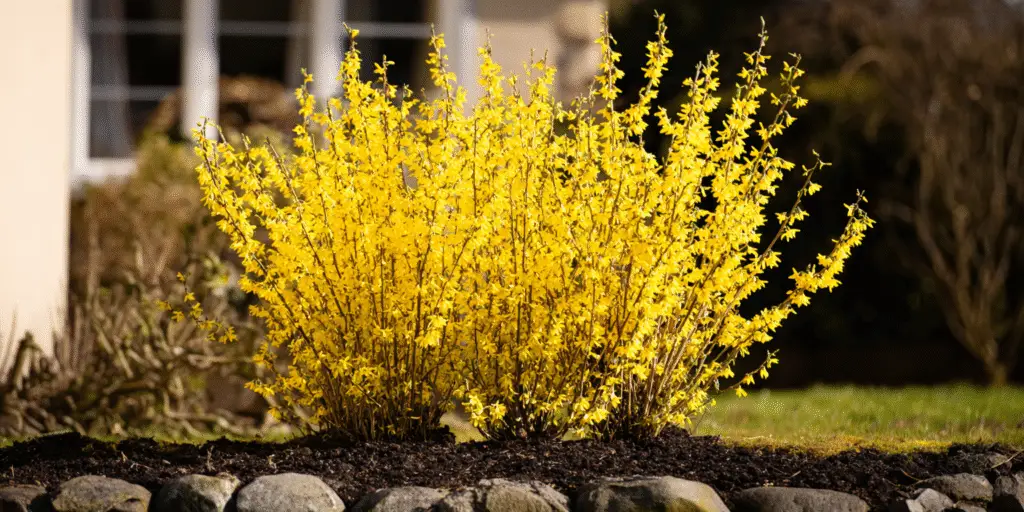
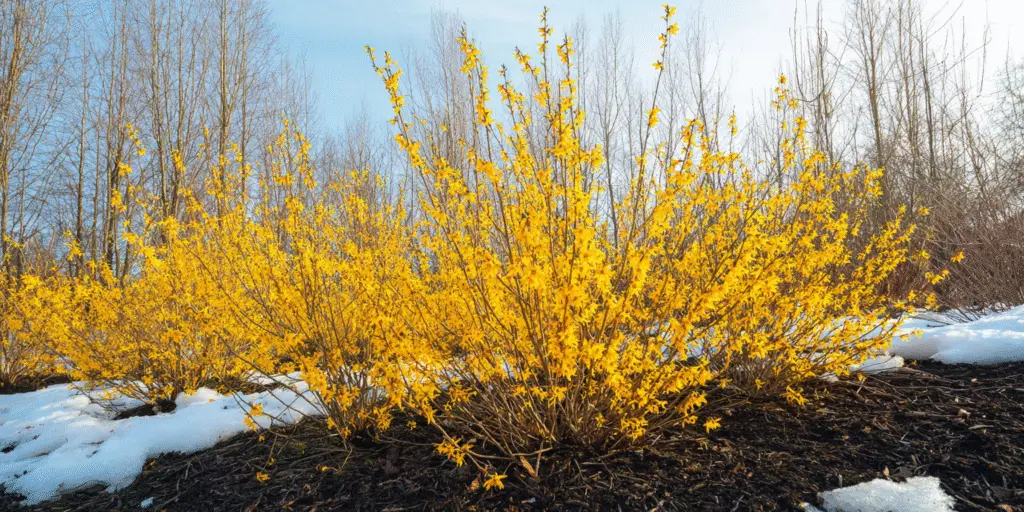
Forsythia is the classic early spring shrub that lights up bare landscapes with clear golden bloom. Most garden plants sold as forsythia are hybrids under the accepted botanical name Forsythia × intermedia in the olive family. The plant is also widely called golden bell or golden bells. Shrubs are deciduous, fast growing, and usually mature 6 to 10 feet tall and 8 to 12 feet wide, with long arching canes that flower before leaves appear. Hardy across much of the United States, forsythia grows best in USDA Zones 5 to 8, with flower buds that may be less reliable in very cold winters in the upper Midwest and northern Plains. Full sun brings the heaviest bloom, while plants in partial shade flower less. If you want a simple snapshot for success with Forsythia care: give it sun, well drained soil, a yearly post‑bloom pruning, and modest water once established. The flowers earn a natural spot on any list of yellow flowers for spring borders and hedges.
Soil & Bed Preparation
Texture and drainage. Forsythia adapts to many soils if drainage is decent. Aim for a loam or amended clay that is loose and crumbly in the top 12 inches. If your soil puddles after rain, improve it before planting. Blend in 2 to 3 inches of finished compost over the bed and fork it into the top 8 to 10 inches. In heavy clay or where water lingers, plan to set the root flare slightly high and mound soil up to it, or use a low raised berm so water drains away from the crown. In sandy soils, incorporate organic matter to hold moisture and nutrients. Good preparation pays for decades on a shrub that is often used in mass plantings and hedges that anchor spring displays within broader types of flowers collections.
pH range and fertility. Forsythia tolerates a wide pH window and is most comfortable from slightly acidic to neutral, about 6.0 to 7.5, while still growing in the broader 5.0 to 8.0 range. If soil tests show very alkaline conditions, favor organic matter and elemental sulfur as prescribed by your lab. Avoid quick, large pH swings. Forsythia is not a heavy feeder. If growth is thin or leaves are pale and a soil test confirms low nutrients, a light spring feeding is enough. Otherwise, rely on mulch and compost to maintain fertility.
Drainage Test and pH Targets. Dig a hole about 12 inches deep and 12 inches across where you plan to plant. Fill it with water and let it drain. Refill it and track the drop for 15 minutes. Multiply the drop by four for inches per hour. One to two inches per hour is ideal for shrubs. Slower than one inch per hour suggests planting slightly high or using a raised mound. Faster than four inches per hour indicates very sandy soil that needs more organic matter to hold moisture. For pH, submit a soil sample to your state lab and aim for 6.0 to 7.0 as a practical target that suits forsythia and most companion shrubs.
Raised beds versus in‑ground. For most landscapes, in‑ground planting is best. In poorly drained sites or where clay is shallow and sticky, build a broad, low mound 3 to 6 inches high and several feet wide so roots can breathe. Avoid narrow boxes that trap water. In arid climates, planting in ground with a slightly recessed basin can help capture irrigation water while still keeping the root flare above grade.
Planting Calendar by USDA Zone
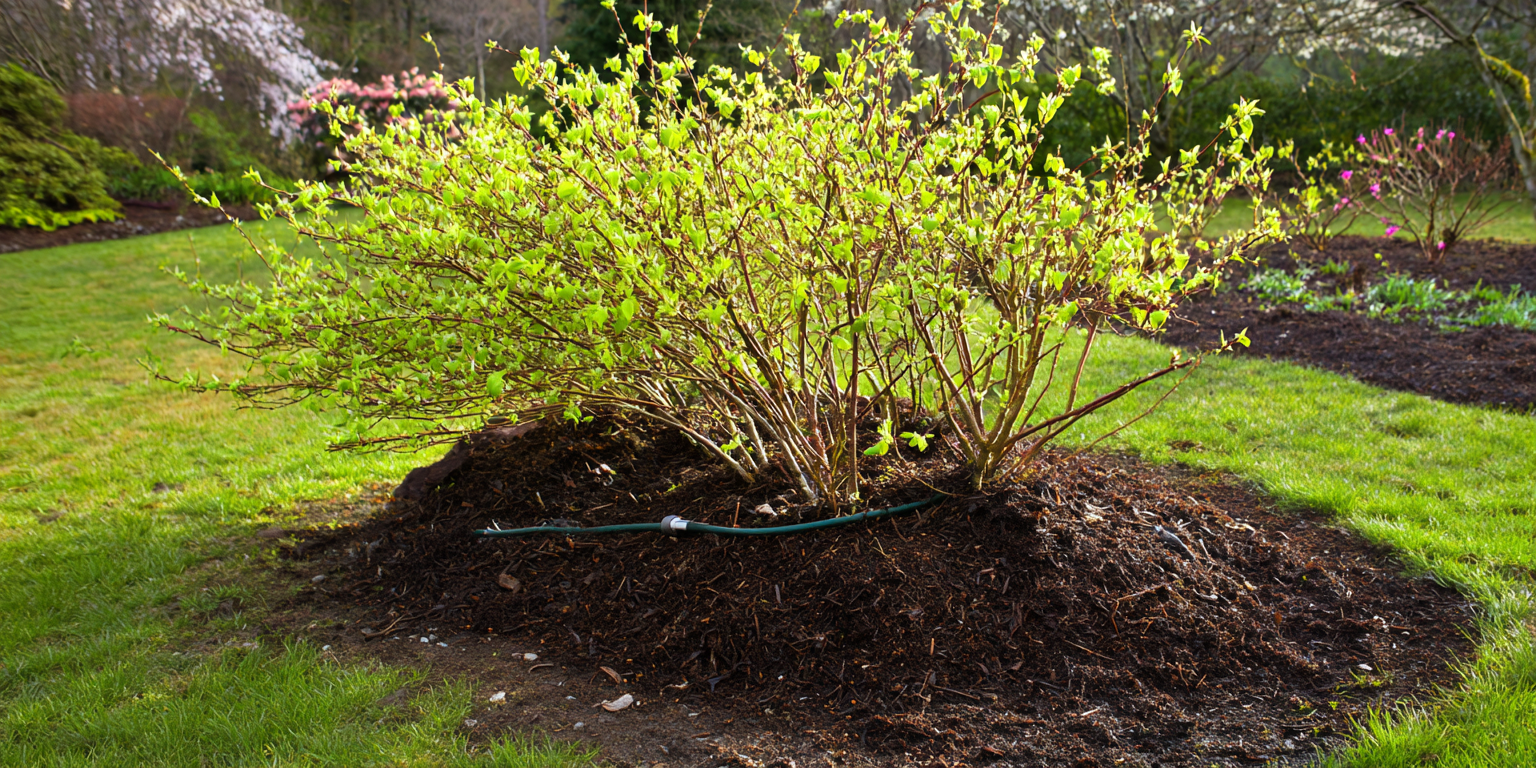
Zones 4 to 5. Plant container shrubs in spring as soon as the soil is workable through late spring, or plant in early fall about six weeks before the ground freezes. Bare root shrubs transplant best in early spring before bud break or in mid to late fall after leaf drop. In windy or exposed locations, spring planting is safer because roots establish before the first winter. In these colder zones, select flower bud hardy cultivars if reliable bloom is a priority and site plants out of prevailing winter winds or away from low frost pockets.
Zones 6 to 7. Fall is prime time for woody shrubs. Plant from early fall through late fall while soil is still warm, which encourages roots to grow until the ground cools. Spring planting also works well. Bare root shrubs transplant smoothly in early spring. In areas with hot summers, avoid late spring planting that leads directly into heat and drought. Provide even moisture during the first warm season so forsythia can push new roots beyond the original root ball.
Zone 8 and warm microclimates. Plant in fall and winter during the cooler rainy season where that pattern exists. Early spring planting is fine with careful watering. Avoid midsummer planting. In humid coastal areas, prioritize airflow and drainage to prevent root issues. In hot inland valleys or desert edges, give afternoon shade and a mulch blanket to moderate soil temperature and reduce water stress.
Special regional notes. In high elevation basins and northern tier counties, flower buds may be injured by sharp Arctic snaps, which reduces bloom the following spring. Protect by choosing a sheltered exposure near a south facing wall and avoiding late summer fertilization that can push tender growth into fall. In salty urban corridors or where deicing salts splash along roads, forsythia shows moderate salt tolerance but still benefits from spring leaching rains and a clean mulch ring.
Planting: Depth & Spacing
Bare root or divisions. Soak the roots in a bucket of clean water for 30 to 60 minutes before planting. Trim any broken roots cleanly. Dig a wide hole two to three times the width of the root spread and only as deep as the distance from the root flare to the root tips. Set the plant so the root flare sits level with the surrounding soil. Spread roots outward and slightly downward, then backfill with native soil, working it gently around the roots to eliminate air pockets. Water thoroughly to settle soil. Space typical border forsythias 8 to 12 feet apart for freestanding shrubs and 4 to 6 feet for a dense hedge. Dwarf selections can be spaced 3 to 5 feet.
Container grown. Water the container well, then slide the plant out and loosen circling roots with your fingers or a hand fork. If a few thick roots circle the trunk, slice them and fan them outward. Set the root flare at the finished grade. Backfill with the soil you dug out. Avoid highly amended holes that act like a bucket. Water to settle and add 2 to 3 inches of mulch over the root zone, keeping mulch a hand’s width away from stems. Keep new plants evenly moist until they root into surrounding soil. To minimize transplant shock, plant during cool weather, keep the root ball moist but not saturated, and shield new shrubs from drying winds for the first week with temporary shade cloth or a windbreak if needed.
Watering & Mulching
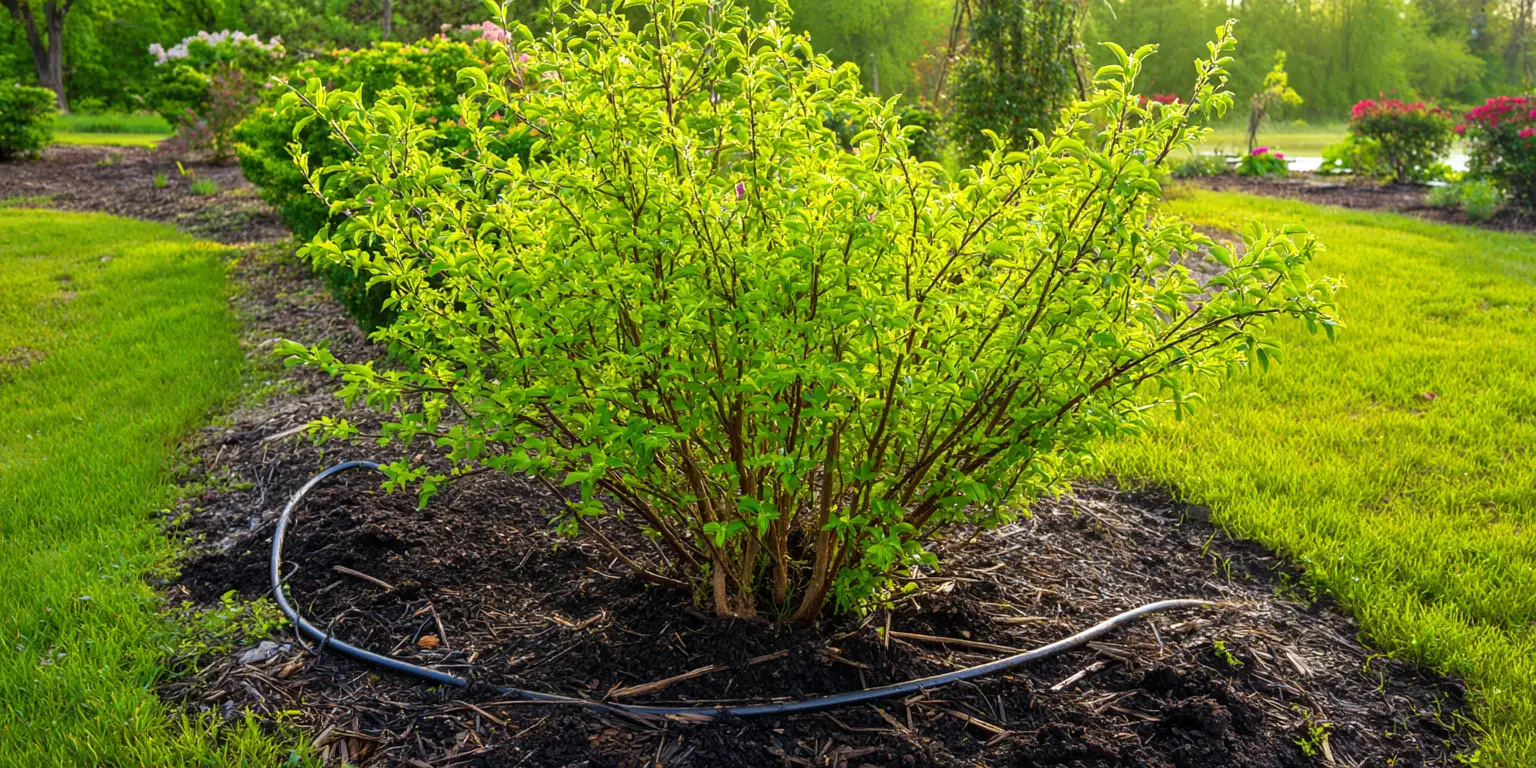
Establishment phase. The first growing season is about steady moisture in the root ball, not heavy fertilizer. Check moisture daily for the first two weeks by feeling soil just outside the root ball at 2 to 3 inches deep. Water when soil is dry to the touch, then let it drain. In well drained soils and warm weather, new shrubs often need frequent irrigation during the first month to keep the root ball evenly moist, since the original potting mix dries faster than native soil. In heavier soils, space irrigations to avoid saturation. Hand watering with a slow hose flow or a short micro‑drip ring that targets the root ball is better than running a lawn sprinkler across the whole yard.
Mature shrubs and mulch strategy. After the first season, forsythia is relatively drought tolerant, but it flowers and grows best with consistent moisture during dry spells. Lay a 2 to 3 inch layer of wood chips, shredded bark, or leaf mold over the entire root zone, keeping mulch a few inches off the stems. Mulch moderates soil temperature and slows evaporation. In very hot regions, expand the mulch ring each year as the shrub spreads. Avoid mulch volcanoes piled against stems. Before summer heat spikes, soak deeply once, then resume normal irrigation. In coastal or roadside sites where salts accumulate, winter and spring rains typically leach them. In containers or under very hard water, occasionally flush the pot thoroughly so excess soluble salts wash out the drain holes.
Feeding
Timing and how much. Many established shrubs need little to no fertilizer when soil is healthy. Base decisions on a soil test and on the plant’s growth. If shoots are very short, leaves are pale, or a test shows low nutrients, apply a light, balanced fertilizer in early spring. A general approach for woody ornamentals is a modest application that delivers about one pound of actual nitrogen per 1,000 square feet per year or less, scaled to the size of the bed and only when a soil test calls for it. Avoid midsummer feedings that push tender growth into fall. Always water the root zone the day before you fertilize and again afterward to reduce the risk of root burn.
What to use and when to skip. A slow release or organic product with a balanced analysis such as 10‑10‑10, 12‑4‑8, or a similar ratio is appropriate when needed. Broadcast lightly over the mulch, then water it in. If plants flower and grow well with mulch and compost alone, skip fertilizer. Maintain soil life by topdressing beds each fall with a thin layer of compost under the mulch. Re‑test soil every three to four years. In drought or heat stress, hold fertilizer until plants recover. In containers, use a controlled release fertilizer in spring and flush pots a few times during the season to prevent fertilizer salts from building up.
Pruning & Support
What to remove and when. Forsythia flowers on old wood. The correct timing is always soon after bloom. Start each year by taking out a quarter to a third of the oldest, thickest stems at ground level to open the plant and stimulate new canes. Next, shorten a few of the longest arching canes by cutting to a side branch to maintain size and shape. Avoid shearing hedges into boxes. Shearing encourages a thick shell of leaves and twigs at the surface and bare wood inside, and it removes many of next spring’s flower buds.
Renovation and tool hygiene. If a shrub is old, twiggy, or has been sheared for years, a two to three year renovation works. In year one, remove one third of the oldest stems at the base. In year two, remove half of the remaining oldest stems. By year three, the plant carries mostly young, vigorous canes that flower heavily. Clean pruners between shrubs and after cutting any suspect cankered wood by wiping blades with 70 percent alcohol or a 10 percent bleach solution, then oil lightly to prevent rust. Forsythia rarely needs staking. In snowy climates, arching canes may bend; prune to sturdy outward facing laterals after bloom to keep the fountain form tidy.
Overwintering
In‑ground shrubs. Forsythia stems and leaf buds are generally hardy across Zones 5 to 8, but flower buds may be more sensitive to deep cold, especially where temperatures dip well below zero. Choose a site with winter sun and some wind protection to safeguard bloom, and avoid late summer fertilizing that delays hardening. Maintain a wide mulch ring 2 to 3 inches thick over the root zone going into winter. Where freeze thaw cycles heave soil, check in late fall to be sure the crown sits firmly at grade. If rabbits are a problem, encircle the lower plant with hardware cloth tall enough to account for snow depth, and pin the bottom a few inches into soil.
Containers and tender placements. Compact cultivars grow in large pots in Zones 6 to 8, but roots in containers are more exposed to cold. Use a pot with at least 10 gallons of volume and thick walls. For winter, cluster pots against a wind‑sheltered wall, wrap the pot with insulating material, and bury the container to the rim in a temporary mulch pile if needed. Water lightly during extended dry spells when the soil is not frozen. In colder regions, either heel the potted shrub into the ground for winter or overwinter in an unheated but sheltered garage where the mix stays barely moist and the plant remains dormant.
Growing Environments
Containers and mixes. Forsythia can be grown in a container if you choose a compact cultivar and a generous pot. Start with a container at least 16 to 20 inches wide (40 to 50 cm) with large drain holes. Use a bark‑based potting mix formulated for woody plants, not garden soil. Elevate the pot on feet to improve drainage. In hot climates, choose a light colored container to avoid root overheating. Water when the top one to two inches of mix are dry and allow excess to drain freely. Flush the pot a few times per season to prevent salts from accumulating. Feed with a slow release product in spring and refresh the top few inches of mix every two years.
Microclimate tips. Full sun produces the fullest spring display. In zone edges that suffer from late frosts, morning sun and protection from north winds can preserve flower buds. In urban sites with reflected heat from pavement, provide a slightly larger mulch ring and a bit more irrigation during heat waves. Along salted streets or walkways, keep the mulch ring clean and avoid piling snow that contains road salt onto the root zone. Forsythia tolerates some salt exposure, but clean spring waterings help the plant flush new growth cleanly.
Companion Planting & Design
Color sequencing and cover. Forsythia’s bold bloom can look bare once flowers drop, so plan companions that bridge the seasons. Underplant with early bulbs such as daffodils and tulips that rise through the shrub’s base and continue the show as the shrub leafs out. Tuck in late spring perennials to hide twiggy lower stems in summer. In mixed borders, place forsythia toward the mid‑back and allow room for the arching habit, then weave in shrubs that offer summer flower or fall foliage to carry interest beyond spring.
Hedges, pollinator edges, and pairings. For a classic hedge, space plants 4 to 6 feet apart and renew‑prune every year after bloom to keep flowering on young wood along the whole length. Pair with shrubs and perennials that echo or complement spring color and bring fragrance or texture later, such as lilacs, lavender, and hydrangea macrophylla. In sunny cottage borders, layer forsythia behind sunflower patches for a striking spring to summer handoff. If you are planning seasonal decor or photo‑friendly spaces, forsythia’s timing makes it a natural in front yard edges and entry beds for spring events you might note in a wedding flowers guide.
References
- North Carolina State Extension Gardener Plant Toolbox. “Forsythia × intermedia.” North Carolina State University.
- University of Minnesota Extension. “Forsythia.” Regents of the University of Minnesota.
- University of Minnesota Extension. “Winterizing plants: Cold damage.” Regents of the University of Minnesota.
- University of Minnesota Extension. “Sunscald and winter dieback on deciduous shrubs.” Regents of the University of Minnesota.
- University of Wisconsin-Madison Division of Extension. “Forsythia, Forsythia spp.”
- Iowa State University Extension and Outreach. “Growing Forsythias in the Home Landscape.”
- Penn State Extension. “Pruning Flowering Shrubs.” The Pennsylvania State University.
- Iowa State University Extension and Outreach. “Pruning Large, Overgrown Shrubs.”
- Clemson University Cooperative Extension, Home & Garden Information Center. “Planting Shrubs Correctly.”
Written by: Your Flowers Guide editorial team
We are a small independent group of flower lovers who research and review each guide using trusted horticultural and educational sources. Learn more about us