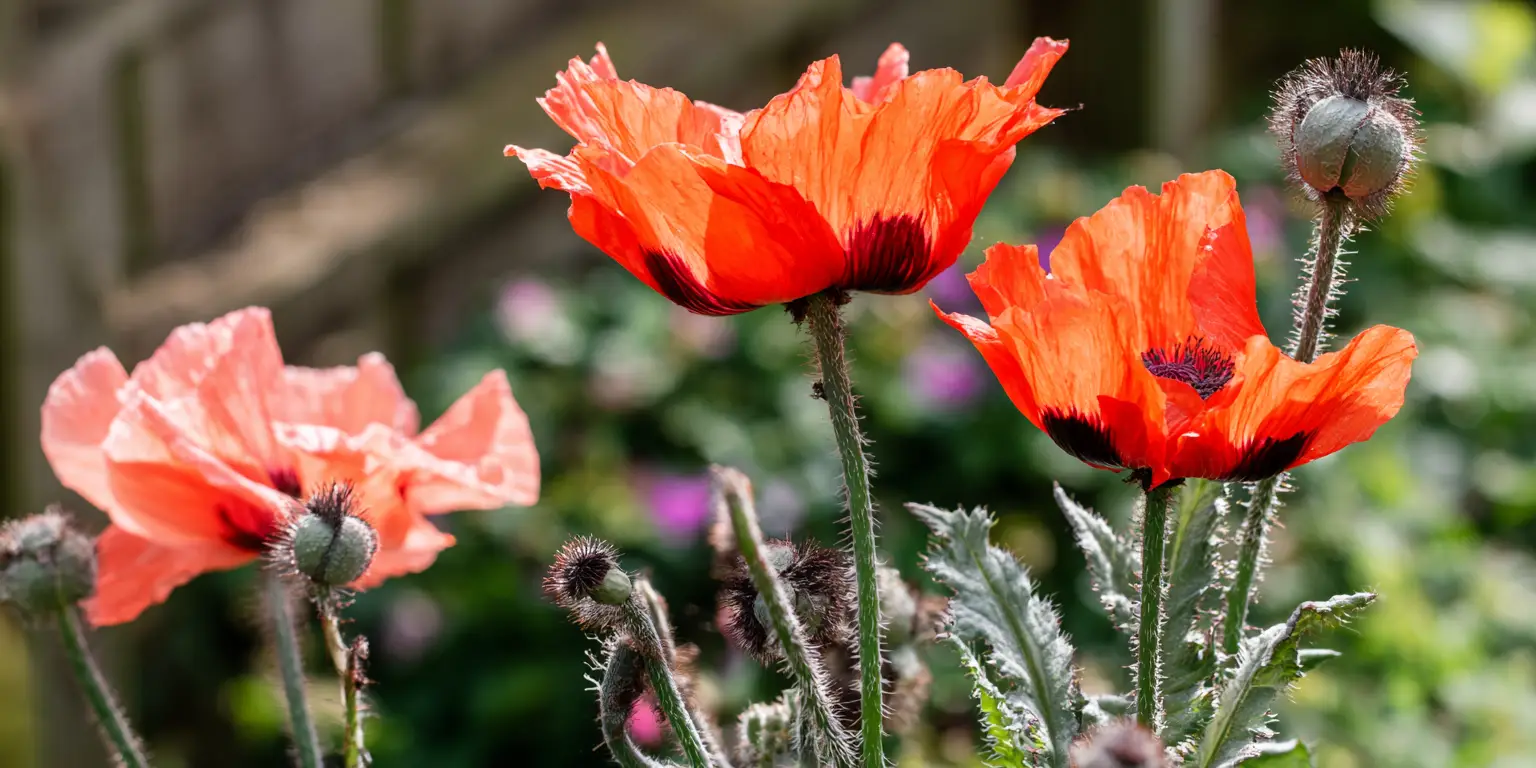
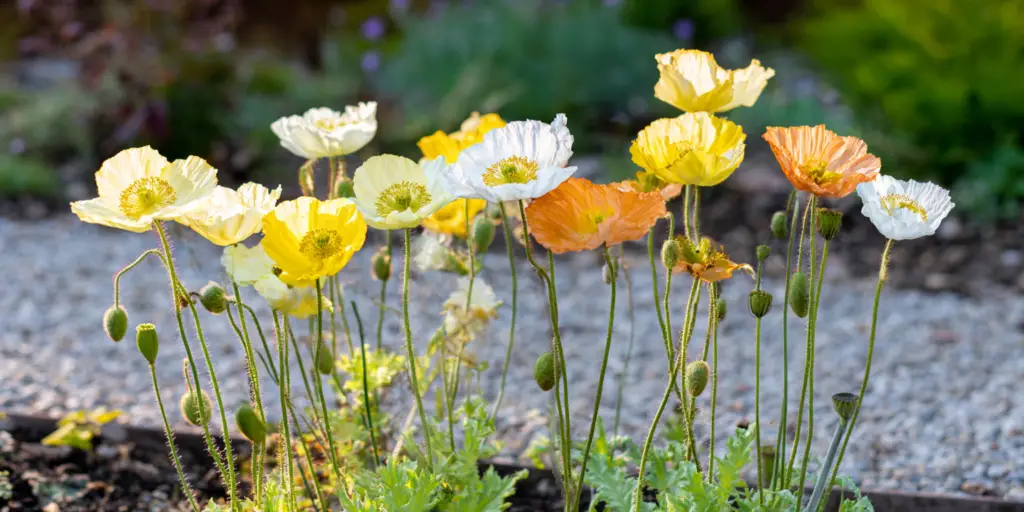
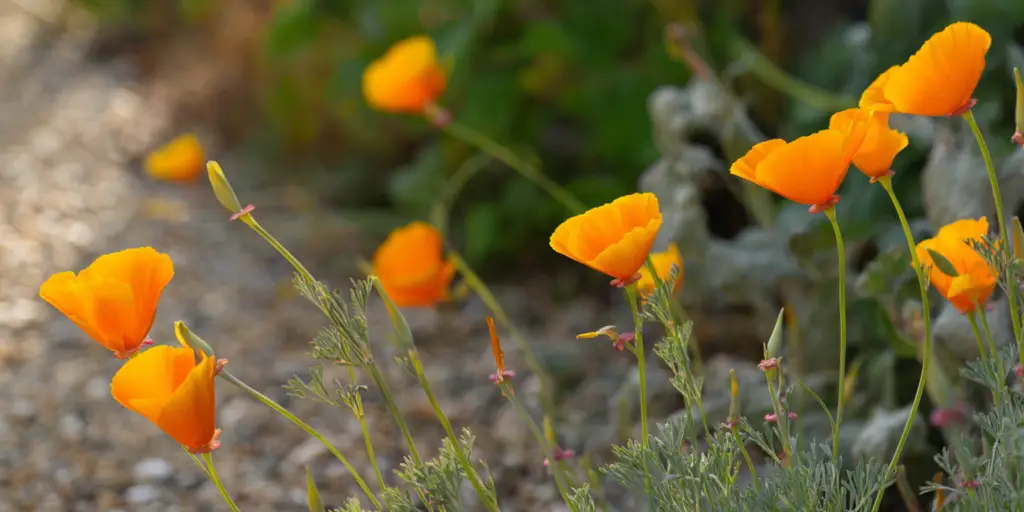
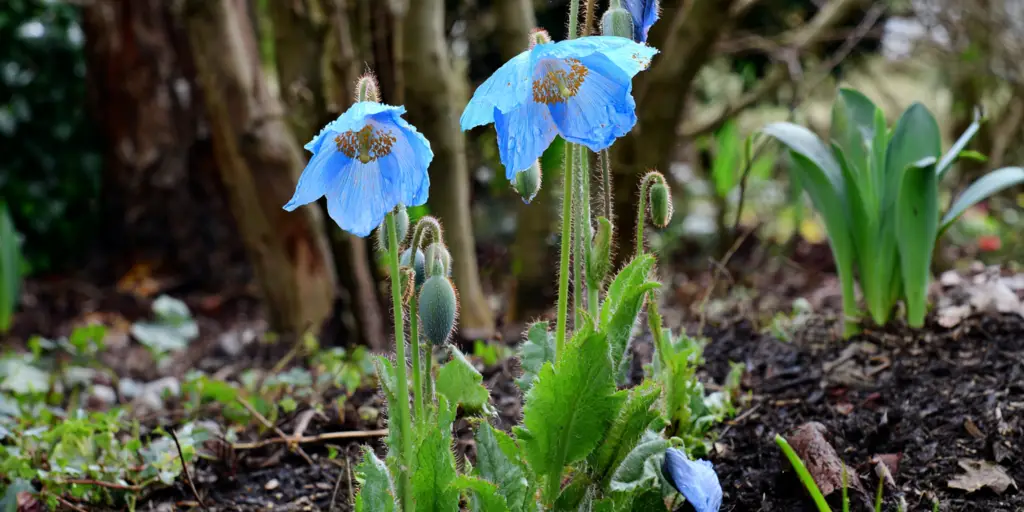
Oriental poppy is a long‑lived herbaceous perennial for cold regions. It produces very large papery blooms in late spring. Plants often go summer dormant after flowering which leaves a temporary gap. Growth is best in full sun with well‑drained soil. Sturdy clumps form from a deep taproot which resents transplanting. The flowers show bold basal blotches and crinkled petals. Performance is strongest in areas with cold winters and cooler summers.
At‑a‑glance
Group/Class: Herbaceous perennial
Height × spread: 24-30 in × 18-24 in (60-75 cm × 45-60 cm)
Bloom window: Late spring to early summer
Color & flower form: Large, cupped singles with crinkled petals; black basal blotches common
Fragrance: unknown
USDA hardiness: zones 3 to 7
Breeder / Year / Origin: unknown; native to Central and West Asia
Cut‑flower notes: Stems exude latex; sear ends to improve uptake; vase life short to moderate
Pet safety: avoid
How it differs
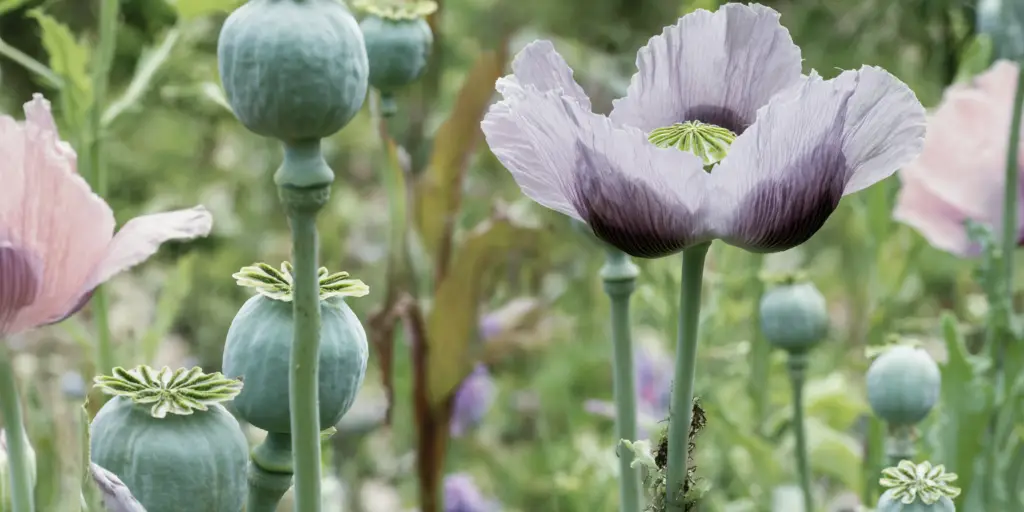
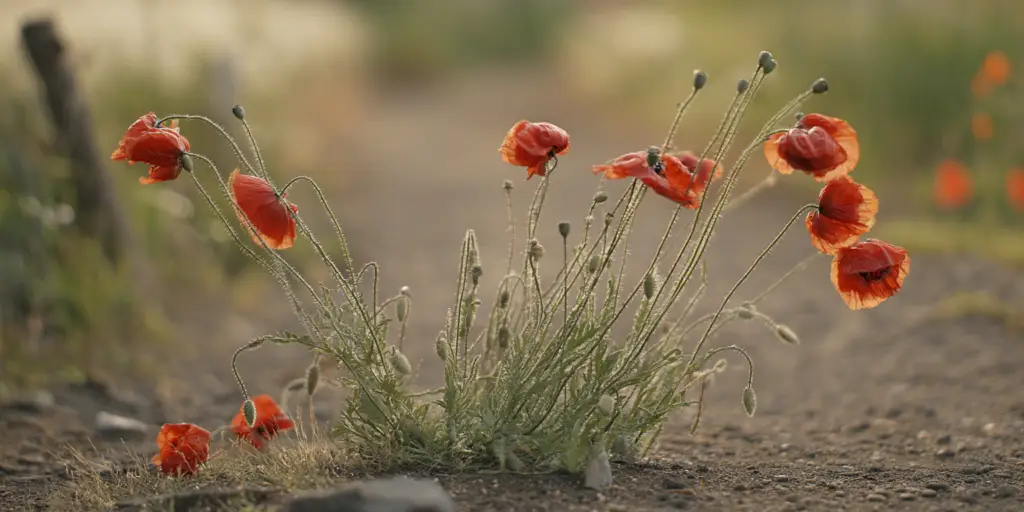
Perennial clumps that return yearly; many poppies on the pillar are annuals
Blooms earlier in the season then goes summer dormant
Oversized flowers with frequent dark basal blotches
Needs cold winters; struggles in hot humid summers
Strengths
Spectacular early color
Cold‑hardy where winters are severe
Low maintenance if soil drains well
Long‑lived when sited correctly
Care in one minute
Site: full sun; shelter from strong wind if possible
Soil: well‑drained, average to fertile; pH slightly acidic to neutral
Water: regular during establishment; low to moderate after; avoid waterlogging
Feeding: light spring compost or balanced fertilizer
Support: stake in windy sites; deadhead to tidy or leave pods for structure
Overwintering: no special care; ensure winter drainage
Watch‑outs
Foliage collapses after bloom leaving a gap
Taproot resents transplanting or division
Crown can rot in poorly drained soils
Best uses (tags)
borders, cutting, cottage, early season
Provenance note
Species native to Central Asia; widely selected into named cultivars in Europe and North America.
Written by: Your Flowers Guide editorial team We are a small independent group of flower lovers who research and review each guide using trusted horticultural and educational sources. Learn more about us