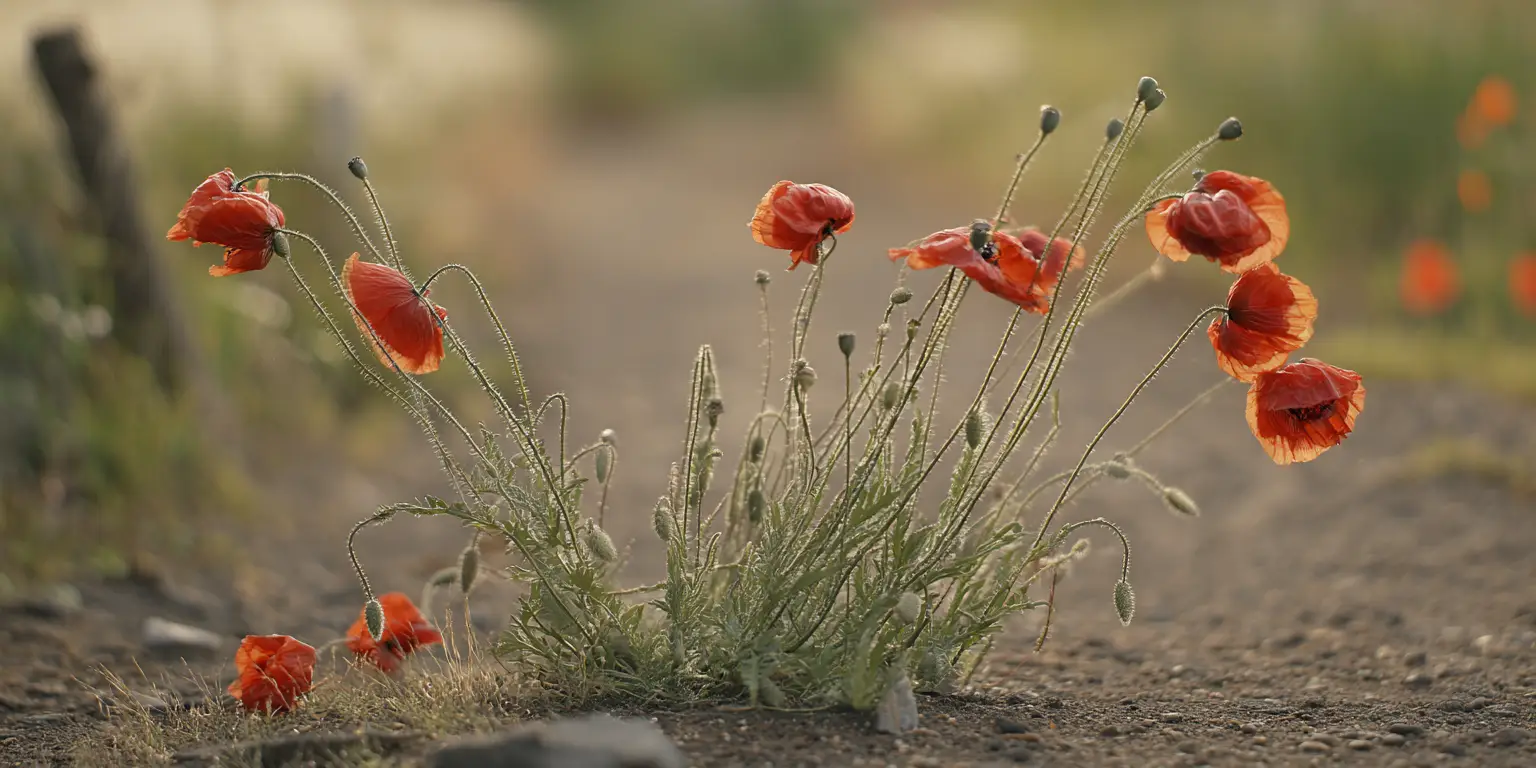
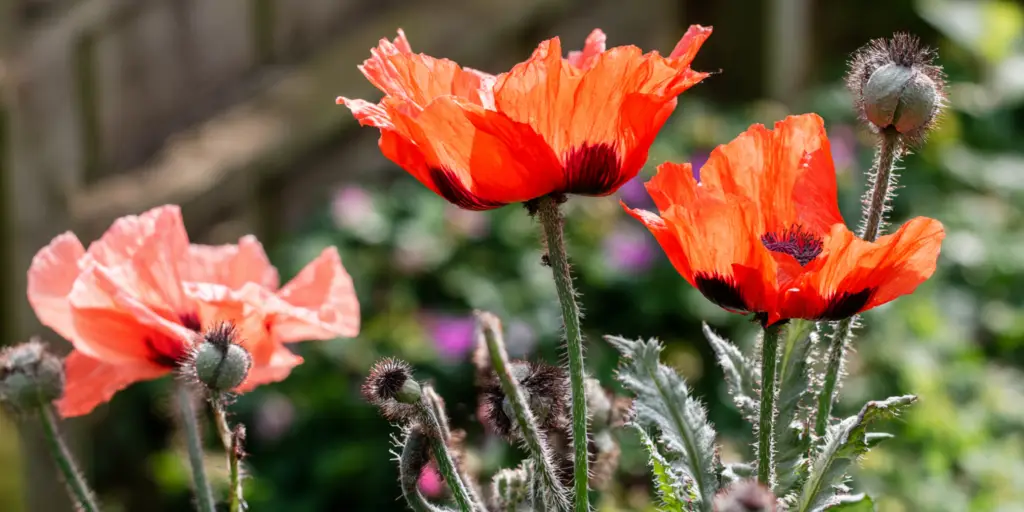
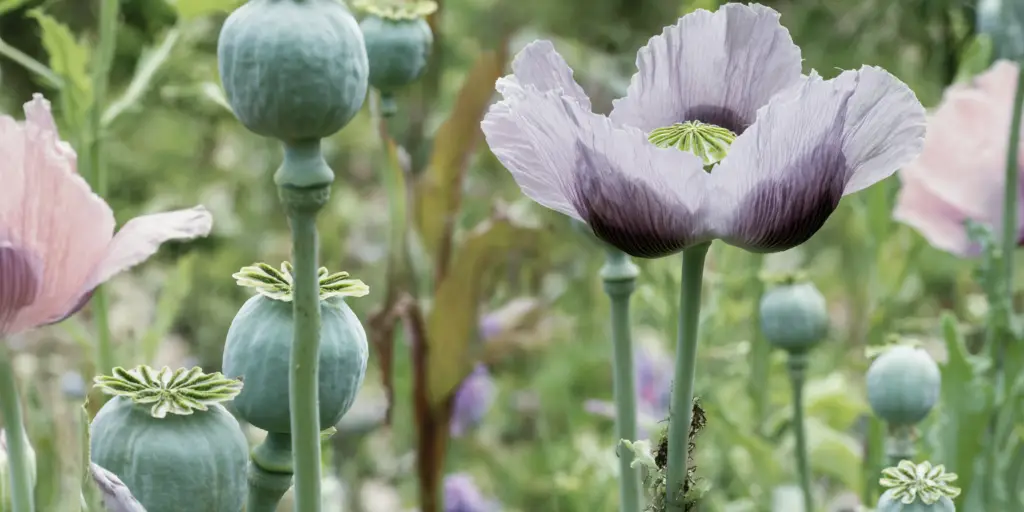
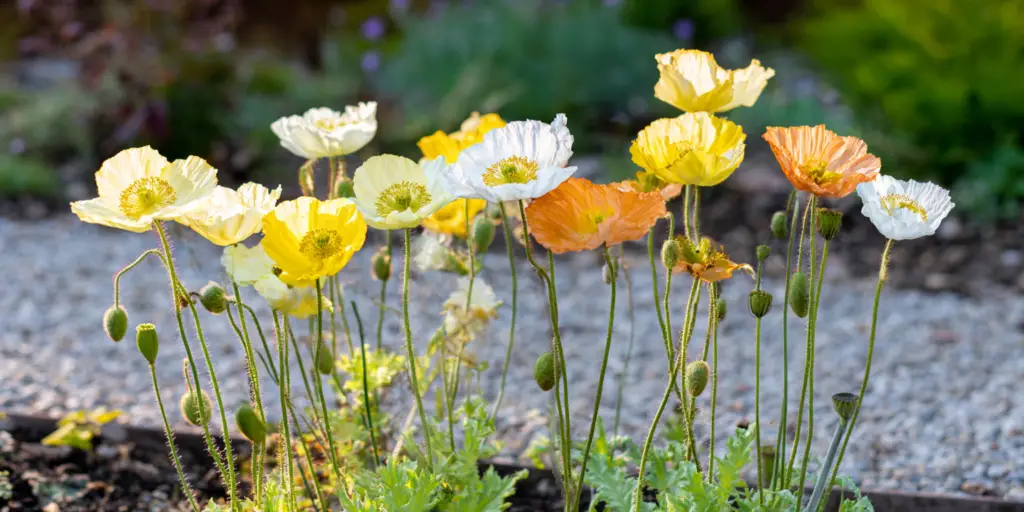
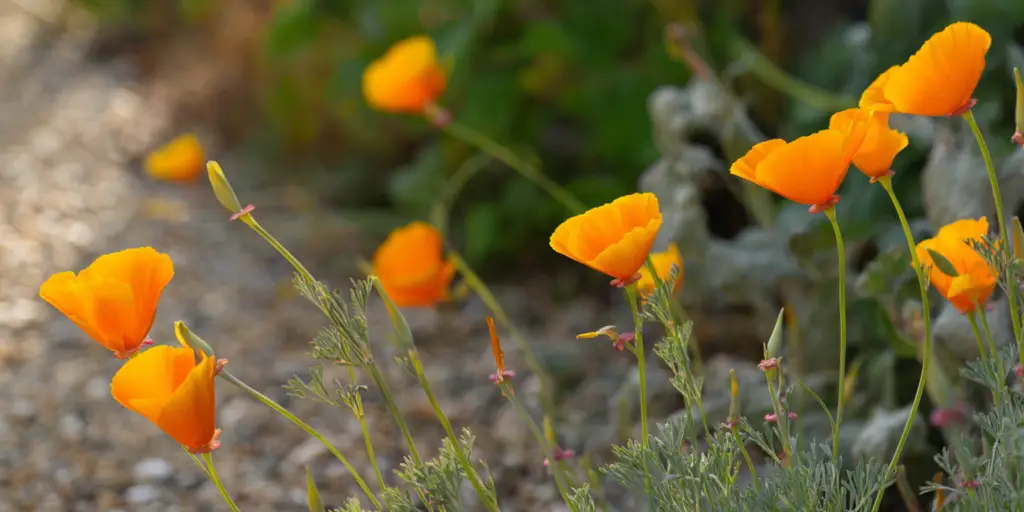
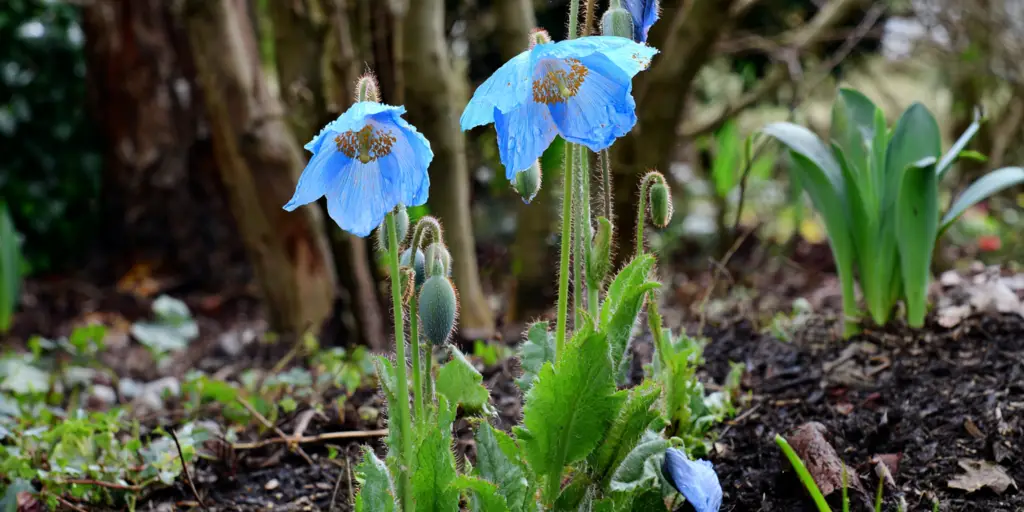
Corn poppy is a quick annual for direct sowing in open ground. It thrives in full sun and lean, well‑drained soils. Scarlet single flowers are iconic and abundant, though each bloom lasts only one day. Plants self‑seed to return in future seasons where soil is lightly disturbed. Best displays occur in cool spring weather. Growth and bloom can slow during hot, humid spells.
At‑a‑glance
Group/Class: Annual (corn poppy)
Height × spread: 24-36 in × 12-18 in (60-90 cm × 30-45 cm)
Bloom window: Late spring to early summer
Color & flower form: Single 4‑petaled blooms, usually scarlet with a dark basal blotch; other colors exist
Fragrance: unknown
USDA hardiness: grown as annual in all zones
Breeder / Year / Origin: unknown; native to Europe and West Asia
Cut‑flower notes: Not ideal; petals shatter quickly and individual blooms are ephemeral
Pet safety: avoid
How it differs
Shortest individual bloom life among common poppies
Sows itself readily in disturbed soils
Stems are finer and more flexible than perennial poppies
Best in lean soils; lush feeding reduces bloom
Strengths
Fast color from seed
Excellent for naturalistic plantings
Draws pollen‑seeking insects
Low input once established
Care in one minute
Site: full sun and open exposure
Soil: well‑drained and lean to average; avoid rich nitrogen
Water: light to moderate; avoid overwatering
Sowing: direct‑sow in early spring or fall in mild areas; thin seedlings for airflow
Deadhead: remove spent pods to limit self‑sowing or leave some for reseeding
Watch‑outs
Resents transplanting; sow where it will grow
Self‑seeding can be heavy if not deadheaded
Fades fast in heat and humidity
Best uses (tags)
meadows, naturalizing, pollinators, cottage
Provenance note
A symbol of remembrance; seeds can persist in soil for decades and germinate when soil is disturbed.
Written by: Your Flowers Guide editorial team We are a small independent group of flower lovers who research and review each guide using trusted horticultural and educational sources. Learn more about us