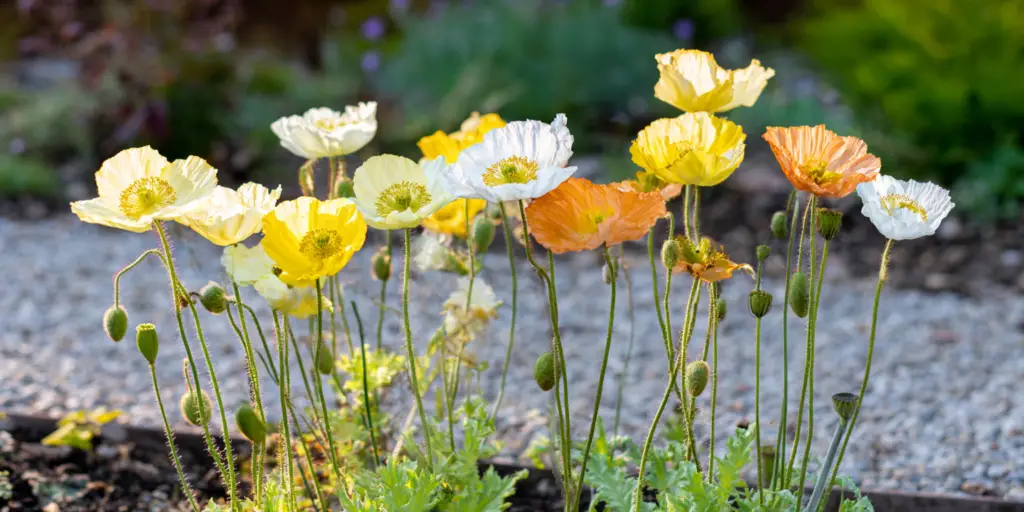
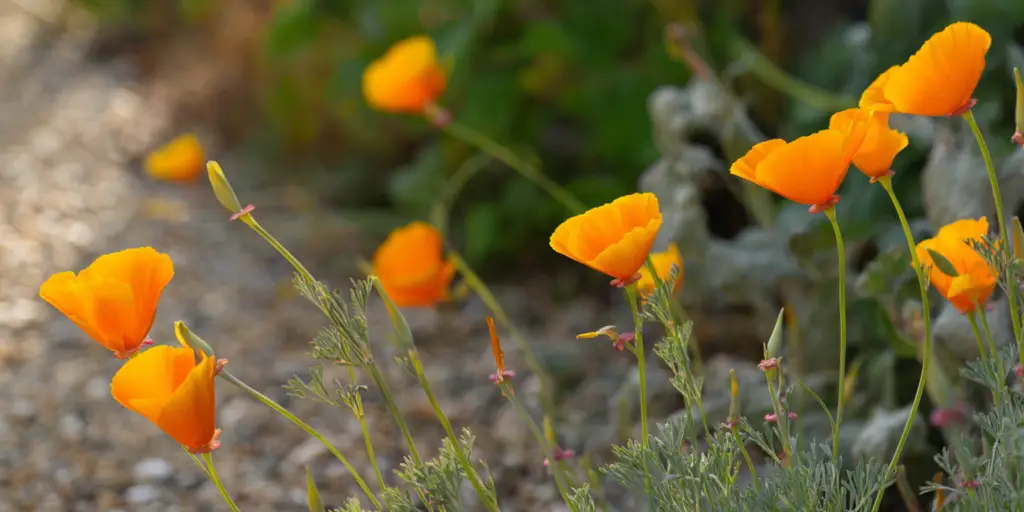
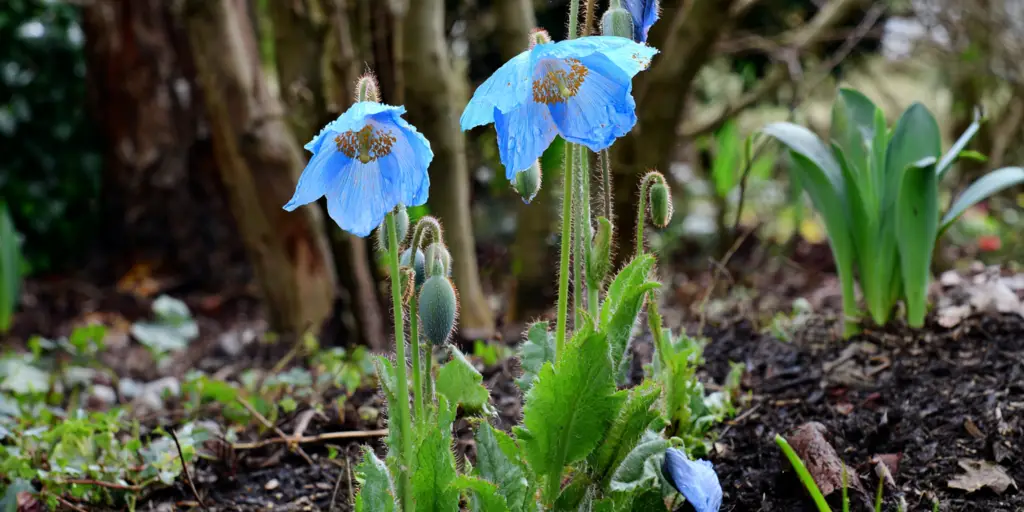
Iceland poppy is a short‑lived perennial most often grown as a cool‑season annual or biennial. It excels in regions with cool summers and bright sun. Plants form low clumps with slender leafless stems carrying large crinkled blooms. Colors range from white and cream to yellow, orange, salmon, and pink. It dislikes heat and humidity but flowers freely in spring and early summer where nights stay cool. Blooms and stems are useful for cutting when harvested at the soft cracking‑bud stage.
At‑a‑glance
Group/Class: Short‑lived perennial, often grown as annual or biennial
Height × spread: 12-24 in × 9-12 in (30-60 cm × 23-30 cm)
Bloom window: Spring to early summer
Color & flower form: Large crinkled single blooms in white, yellow, orange, salmon, and pink
Fragrance: 1 trace
USDA hardiness: zones 2 to 7
Breeder / Year / Origin: unknown; native to sub‑Arctic and mountainous regions of Eurasia
Cut‑flower notes: Harvest at cracking bud; sear stems; typical vase life 5 to 7 days
Pet safety: avoid
How it differs
Best cut‑flower performance among poppies when harvested in bud
Prefers cool summers more than many garden poppies
Compact habit fits front of border and containers
Fragrant blooms in some strains
Strengths
Longer vase life than most poppies when handled properly
Cold‑tolerant; suitable for fall or very early spring sowing
Bright color range from seed
Deer tolerant reports are common
Care in one minute
Site: full sun in cool climates; light afternoon shade where summers run warm
Written by: Your Flowers Guide editorial team We are a small independent group of flower lovers who research and review each guide using trusted horticultural and educational sources. Learn more about us