How to Grow and Care for Carnation
Contents
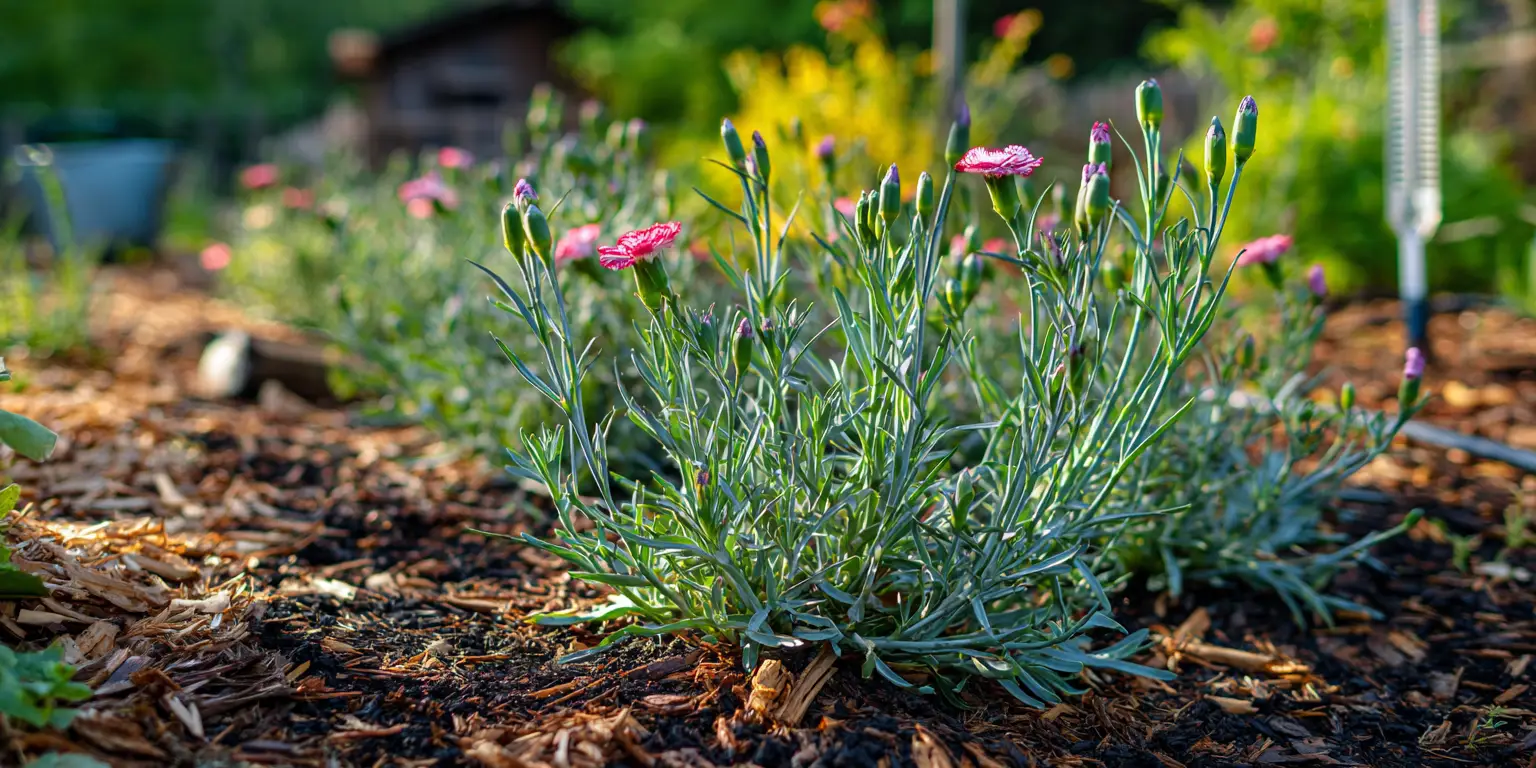
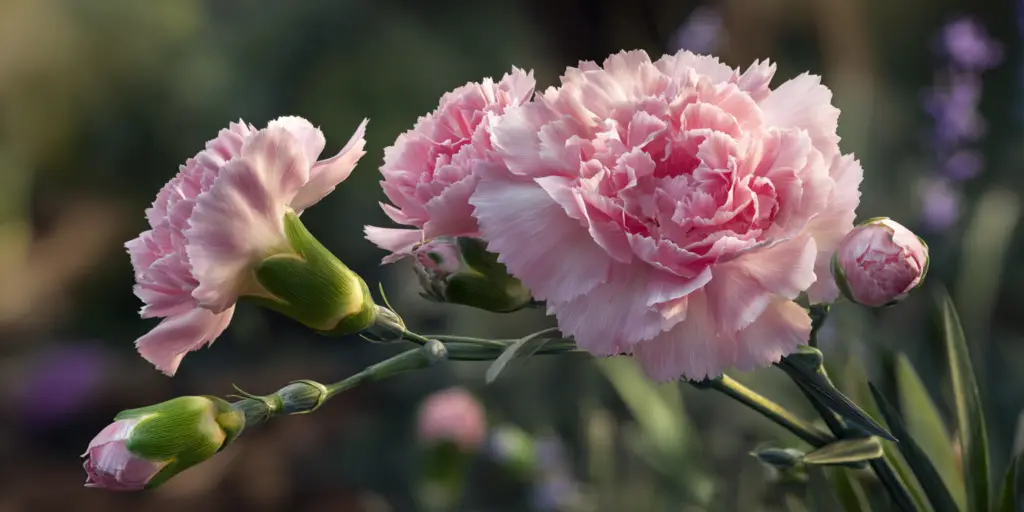
Carnation is a classic garden and cut flower grown for long‑lasting blooms with a spicy clove fragrance. The accepted botanical name is Dianthus caryophyllus. Common names include carnation and clove pink. In U.S. gardens it is usually treated as a cool season perennial in the middle of the country and a short‑lived perennial where summers are mild. In cold or very hot regions it is often grown as an annual. Most border carnations grow 12 to 24 inches tall (30 to 60 centimeters) and form tidy clumps with narrow blue green leaves.
Hardiness is best from USDA Zones 6 to 9 for established plants with sharp drainage. In Zone 5 and colder areas you can grow carnations as annuals or carry stock plants through winter indoors. Aim for full sun with a minimum of 6 hours of direct light. Afternoon shade helps in areas with hot summers. Success with carnation care comes down to a few habits: choose a site that drains fast, plant so the crown sits level with the soil, water deeply but not often, and keep spent blooms pruned to push repeat flowering.
Soil & Bed Preparation
Carnations need a lean, well aerated soil that dries between waterings. A sandy loam or loam with plenty of coarse mineral texture suits them well. The ideal pH sits close to neutral and slightly alkaline at 6.5 to 7.5. If your soil is acidic, add garden lime in fall or very early spring according to a soil test. If your ground is heavy clay, lean into raised beds or mounded rows with 3 to 4 inches of coarse compost and a shovelful or two of sharp sand blended through the top 8 to 10 inches. The goal is not just fertility but air around the roots. Overly rich soil can produce soft growth that flops, so keep organic matter moderate and avoid fresh manure.
In humid climates, airflow is as important as soil texture. Space plants so air passes around the foliage, and avoid crowding against tall neighbors that trap moisture. In arid regions, build water holding capacity with well aged compost, but still prioritize drainage. If you garden near a coast, watch for salt spray and choose a site with shelter from prevailing winds. In all regions, a bed slightly raised above the surrounding grade reduces winter wet and freeze–thaw stress on crowns.
Planting Calendar by USDA Zone
Zones 3 to 5
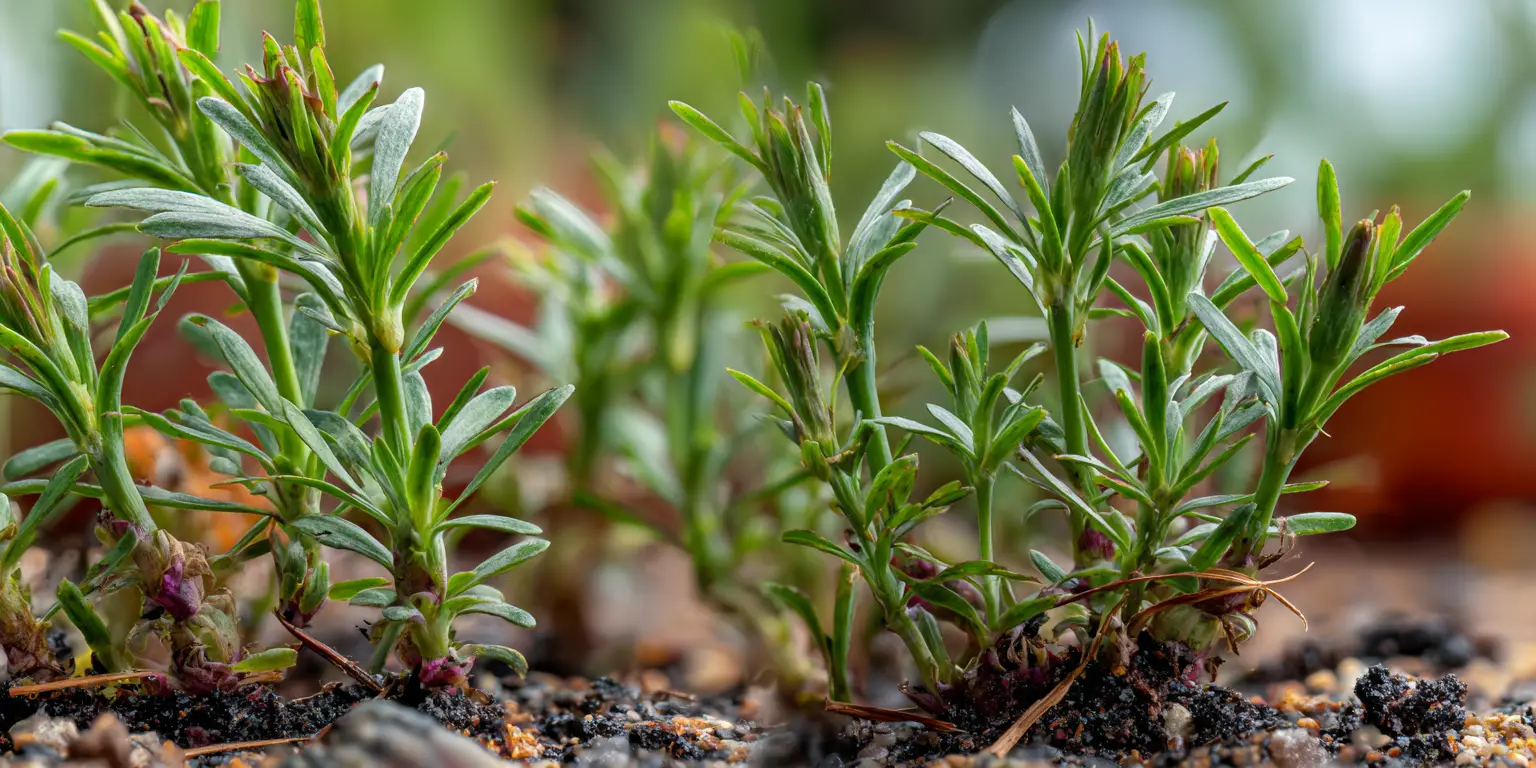
Treat carnations as annuals or start new plants each year. Sow seeds indoors 8 to 10 weeks before your average last spring frost. Transplant after danger of hard frost has passed and when night temperatures are reliably above 40°F (4°C). For divisions or nursery starts, spring planting is safer than fall because roots need time to anchor before winter. In short seasons, choose early blooming cultivars and pinch only once so stems have time to set buds.
Zones 6 to 8
This is prime carnation territory. Plant container‑grown starts in spring after the soil has warmed to the low 50s°F (10 to 12°C). You can also fall plant in Zones 7 to 8 four to six weeks before the first frost to give roots time to grow through the cool season. Avoid peak summer planting in hot, humid areas because heat and warm night temperatures can stall growth. Where summers are long and hot, provide afternoon shade and a light mineral mulch to keep crowns dry.
Zones 9 to 10
Use carnations as winter to spring bloomers. In warm coastal and desert areas, plant in fall once nights drop into the 50s°F (10 to 15°C). Expect best flowering from late winter through spring, then a pause in high summer. Move pots to bright shade during heat waves to protect buds and foliage. In very warm low deserts, carnations are best handled like cool season annuals that finish by early summer.
Special situations
At high elevation with short summers, use protected beds that warm quickly, such as south facing slopes, stone edged terraces, or raised planters. In persistently humid Gulf Coast zones, choose the sunniest breezy site and focus on drainage and spacing. If the ground holds water after heavy rain, do not plant directly in soil; use raised beds or large containers with an open mix.
Planting: Depth & Spacing
Dividing mature clumps every two to three years keeps plants vigorous. Lift the clump in early spring or early fall, slice into pieces with several shoots and a healthy root mass, and replant at once. Set divisions so the crown sits level with the surrounding soil. Do not bury the crown. Water in well to settle soil around roots. Space standard border carnations 12 to 18 inches apart for airflow. Dwarf types can sit 8 to 12 inches apart. For cut flower rows, set plants 10 to 12 inches apart within rows and keep 18 to 24 inches between rows to allow access and circulation.
Container‑Grown
Handle nursery starts carefully to avoid breaking brittle stems. Water the pot beforehand so the root ball releases cleanly. Loosen circling roots with your fingers. Plant at the same depth as in the nursery container with the crown level. Firm lightly and water to eliminate pockets. If your site is very bright and warm, erect a temporary shade cloth or use a lightweight row cover for 3 to 5 days while plants acclimate. This reduces transplant shock and protects new buds. Keep mulch pulled back a few inches from crowns to prevent rot. After two weeks, begin light pinching of the top inch of growth to promote branching.
Watering & Mulching
Newly planted carnations need steady moisture while roots establish. Water deeply once or twice a week for the first month depending on weather, applying about 1 inch of water each week including rain. After establishment, let the top inch of soil dry between waterings. The rule of thumb is deep and infrequent. Carnations dislike constant moisture around the crown, and overwatering is the most common cause of decline. Morning irrigation is best because foliage dries quickly. Drip lines or a soaker hose keep leaves dry and reduce foliar disease pressure.
Mulch helps moderate soil temperature and cut weeds, but choose the right type. Use a thin mineral mulch such as 1 to 2 inches of washed gravel or small stone where humidity is high. In drier regions, a light layer of shredded bark or compost is fine if you keep it pulled back 2 to 3 inches from the crown. Avoid heavy mulch that holds water against stems. In heavy soils, elevate plants slightly when mulching so rainfall drains away from the center of the clump. During heat spikes, water in the early morning and provide temporary afternoon shade for buds that are just forming.
If your irrigation water is very hard, soil pH can drift upward over time. Check pH every year or two, especially in containers, and adjust gradually. If you garden in a region with saline irrigation, leach pots occasionally by watering until excess drains freely from the bottom, then allow the mix to dry toward the top before the next irrigation.
Feeding
Carnations are moderate feeders that respond to a balanced but not nitrogen‑heavy program. Work 1 to 2 inches of compost into the planting area before you set plants. After new growth begins, side‑dress with a low nitrogen granular fertilizer in the range of approximately 5 to 10 to 10 at a light label rate, then water it in. Repeat after the first flush of bloom. In containers, use a slow release product at planting at a modest rate or feed with a dilute liquid fertilizer every 3 to 4 weeks during active growth. Too much nitrogen produces soft, lush stems that flop and flower poorly.
Skip fertilizer if plants look dark green and vigorous or if you have already amended with rich compost. In cold climates do not push late growth with fertilizer after midsummer because tender tissue is prone to winter injury. In hot summer climates pause feeding during peak heat and resume when nights cool. As a soil biology target, maintain organic matter around 3 to 5 percent and top up beds with a light layer of fine compost each spring. Retest your soil every two to three years so you can correct pH and nutrients with confidence rather than guesswork. Strong bloom and firm stems are signs that your feeding schedule is on track.
Pruning & Support
Deadheading keeps carnations in bloom over a long season. Once a flower fades, remove the entire flower stem back to a healthy leaf node rather than just popping the spent petals. After the main early summer flush, shear lightly by one third to refresh the plant and stimulate branching. Early in the season, pinch young stems when they reach 4 to 6 inches tall to create a bushier habit. This simple routine is the backbone of carnation care for reliable rebloom.
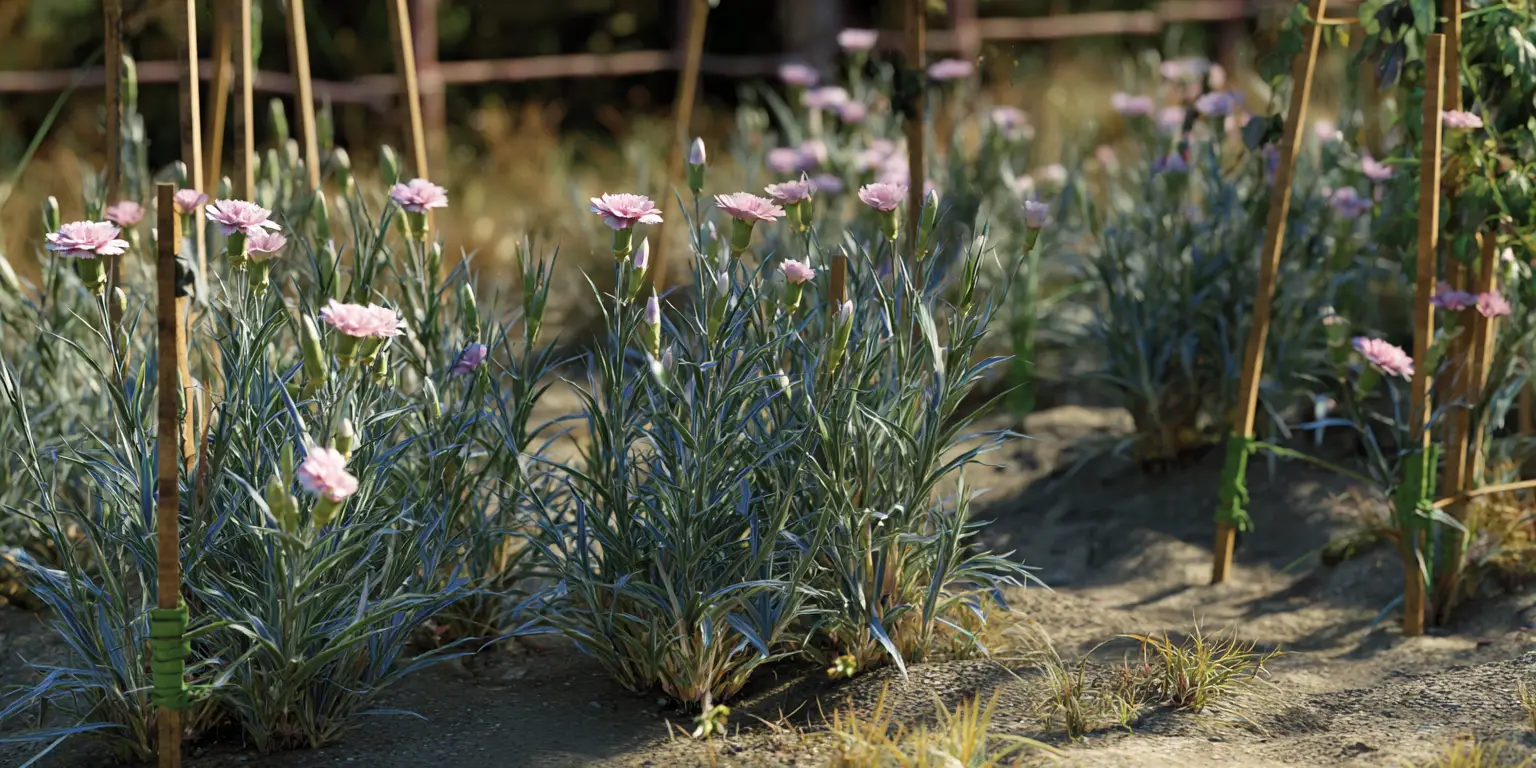
Some taller varieties benefit from discreet support, especially in windy sites or where summer thunderstorms roll through. Use individual thin stakes tied loosely to stems or a low hoop support that disappears into the foliage. Keep the support system open so air can move freely. Practice clean tool hygiene. Wipe pruners with isopropyl alcohol between plants, and do not work among wet foliage. These habits reduce spread of common fungal issues such as leaf spots and botrytis that can occur in close plantings during damp spells.
Overwintering
In Zones 6 to 8, the main winter challenge is wet soil rather than cold. Make sure beds shed water, and top the root zone with a protective but breathable covering after the ground has chilled. Apply 2 to 3 inches of loose straw, pine needles, or evergreen boughs over the crowns once night temperatures hold in the 20s°F (about minus 6 to minus 1°C). This buffers freeze to thaw cycles that heave plants out of the ground. Pull the covering back gradually in very early spring as temperatures moderate and growth resumes.
In Zone 5 and colder regions, plan to treat carnations as annuals or preserve stock plants. Take 3 to 4 inch nonflowering tip cuttings in late summer and root them in a fast draining mix. Overwinter the young plants in a bright cool room at 40 to 50°F (4 to 10°C), watering sparingly so the mix just barely dries between sips. Another method is to lift and pot favorite clumps in fall and hold them in an unheated garage or porch where temperatures stay above freezing. Check monthly and water lightly if the mix becomes very dry. In all regions, remove winter coverings promptly once new growth begins so crowns do not stay wet.
Rodents sometimes nest in thick winter mulch. If voles are active in your area, use a lighter airy covering such as evergreen boughs instead of dense straw and keep the surrounding turf trimmed short going into winter. Good garden hygiene in fall, including removing spent stems and weeds, reduces hiding places without relying on baits.
Growing Environments
Containers are an excellent way to grow carnations if your native soil is heavy or if you want flowers near entries and seating areas. Use a pot at least 10 to 12 inches wide for dwarf or border types and 14 to 16 inches for taller florist types. Drainage holes are essential. A potting mix with peat or coir, perlite, and a small amount of compost works well. Avoid very water retentive mixes that stay wet after irrigation. Set containers on pot feet so excess water can escape. Water when the top inch of the mix is dry, and always empty saucers after rain. Feed at a light rate because containers concentrate nutrients.
Microclimate tips help across the U.S. In hot inland zones, give plants morning sun and dappled afternoon shade, especially in July and August. Near reflective hardscape or south facing walls, the extra heat can stress flowers, so pull pots a few feet away or add a light screen during heat waves. In windy plains or coastal headlands, tuck carnations behind low shrubs or short fencing to prevent broken stems. On shaded urban patios, add a reflective surface like a light colored paver behind pots to brighten the site without excess heat. These small adjustments make the difference between a passable display and weeks of steady bloom.
Companion Planting & Design
Carnations add strong color blocks and a fine textured cushion of foliage at the front of borders. Combine them with other sun loving perennials that enjoy similar conditions. Lavender, catmint, small sages, yarrow, and coreopsis all like the same sharp drainage and complement the blue green leaves of carnations. In cottage borders, thread carnations between roses and compact tulips to bridge the gap between spring bulbs and early summer perennials. With bulbs like daffodils, the evergreen foliage of many carnations helps hide maturing bulb leaves. For a soft evergreen contrast, edge with artemisia or dwarf ornamental grasses that stay airy and allow airflow.
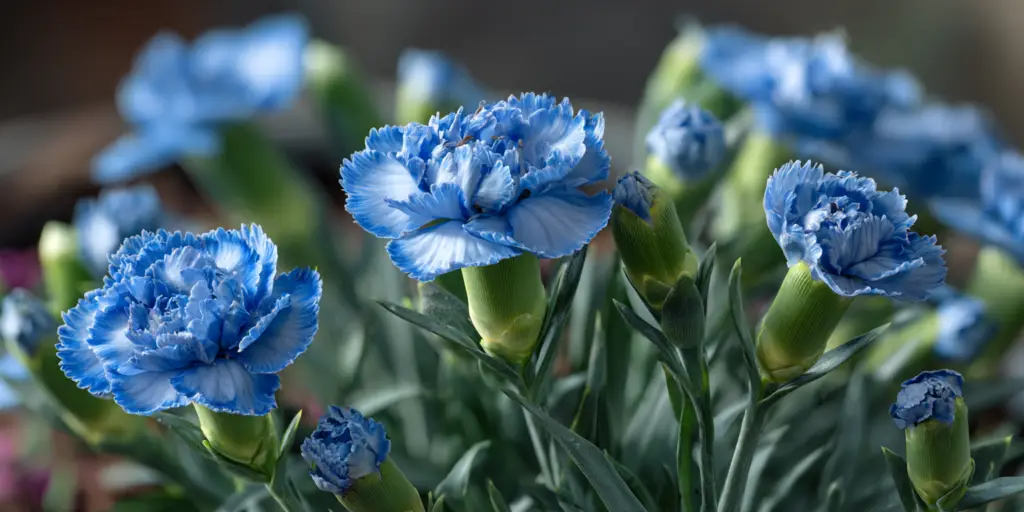
If you are planting for pollinators, choose single or semi‑double flowers which expose nectar more readily than very dense doubles. Plant in groups of three or five so bees and small butterflies can forage efficiently. Maintain spacing of 12 to 18 inches in bed designs to promote airflow and reduce disease in humid summers. Carnations carry an elegant form and a broad color range that plays well with theme plantings. For event beds or backyard parties, you can pull palette ideas from your wedding flowers guide or the seasonal color hubs such as types of flowers and blue flowers. Natural blue carnations do not exist in home gardens, but dyed blooms can be used indoors while your outdoor palette leans on pinks, reds, whites, and purples.
Written by: Your Flowers Guide editorial team
We are a small independent group of flower lovers who research and review each guide using trusted horticultural and educational sources. Learn more about us