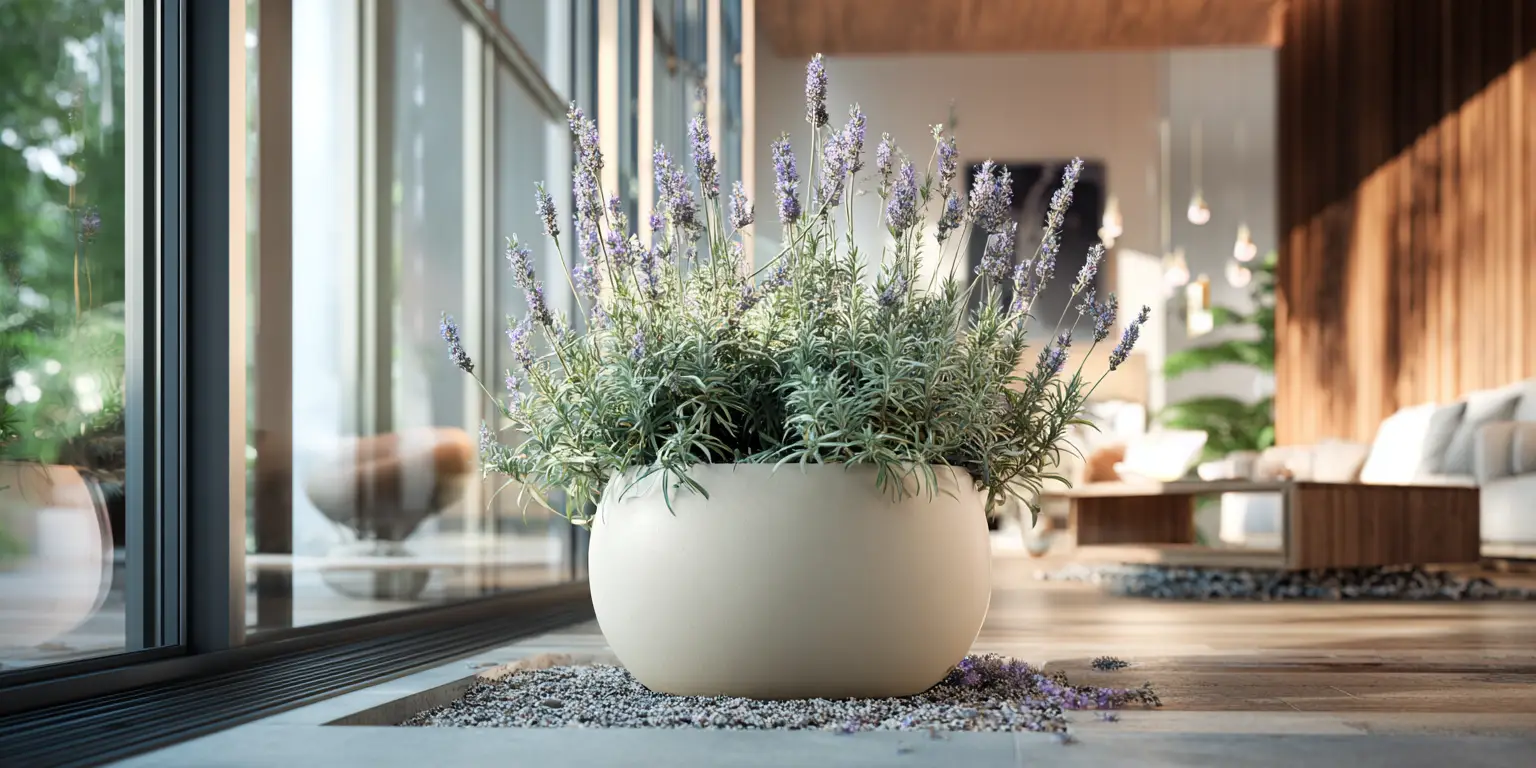
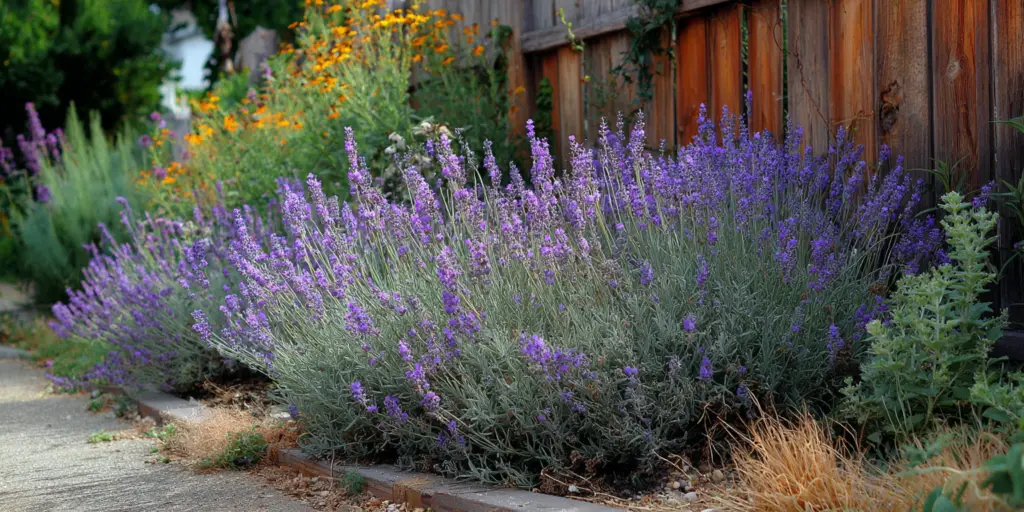
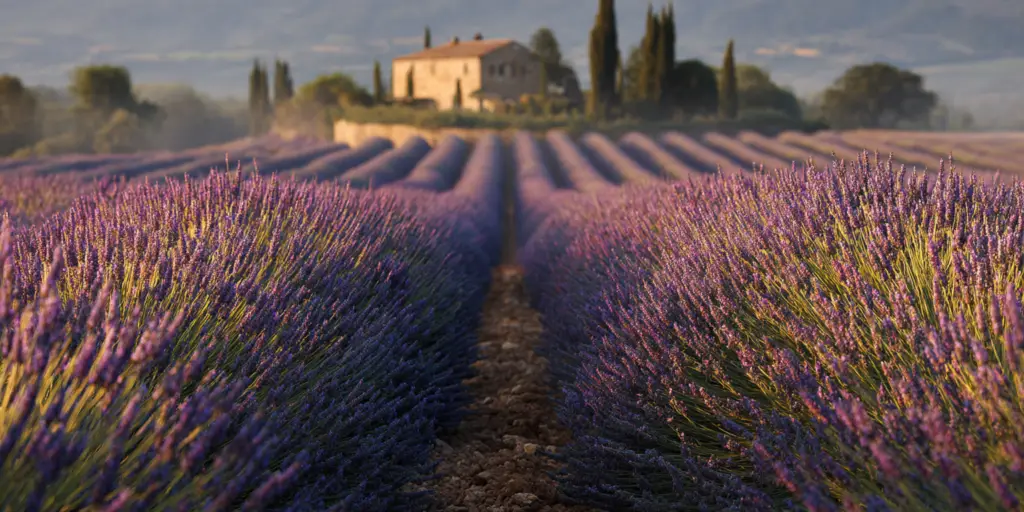
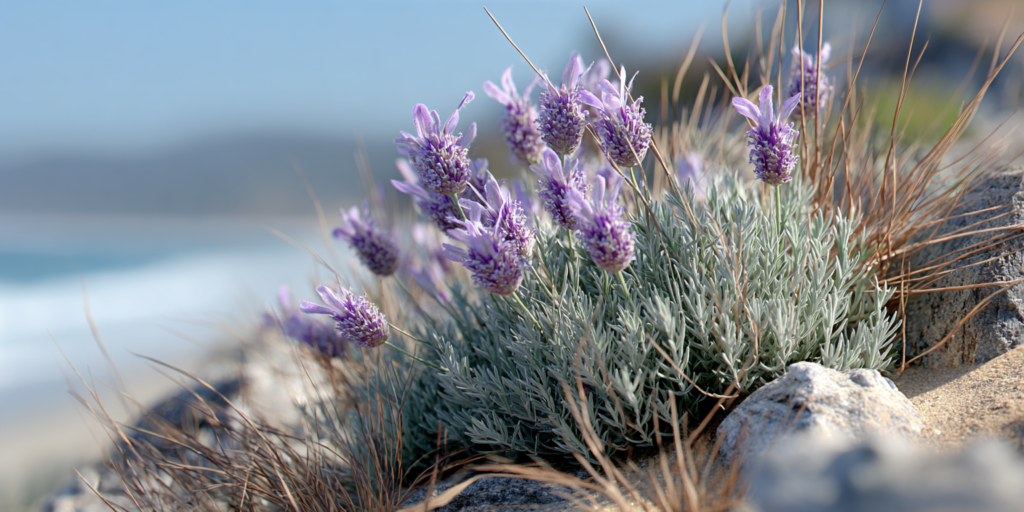
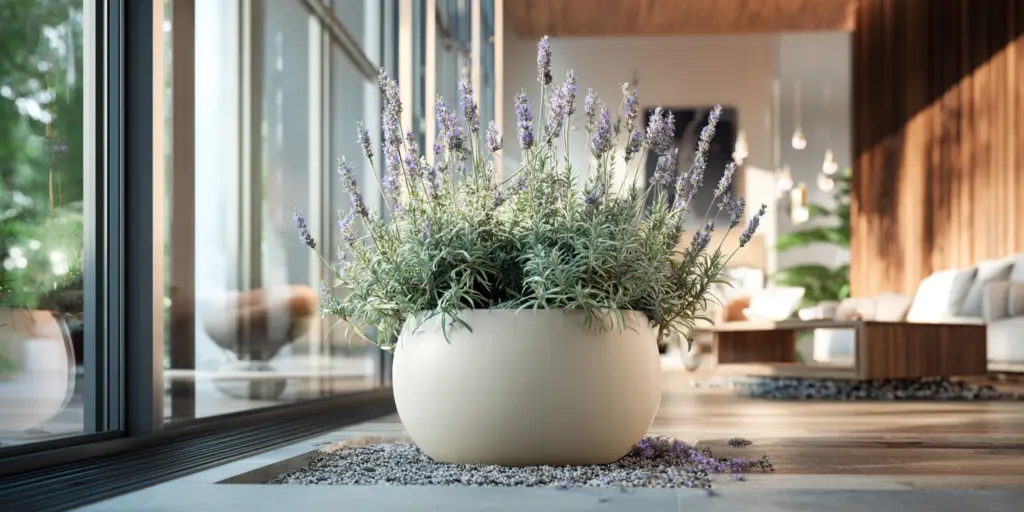
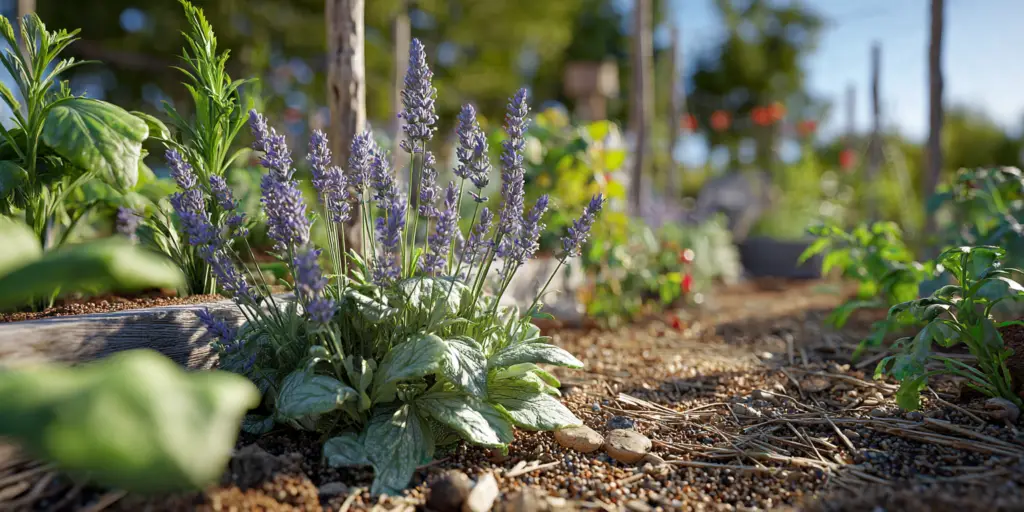
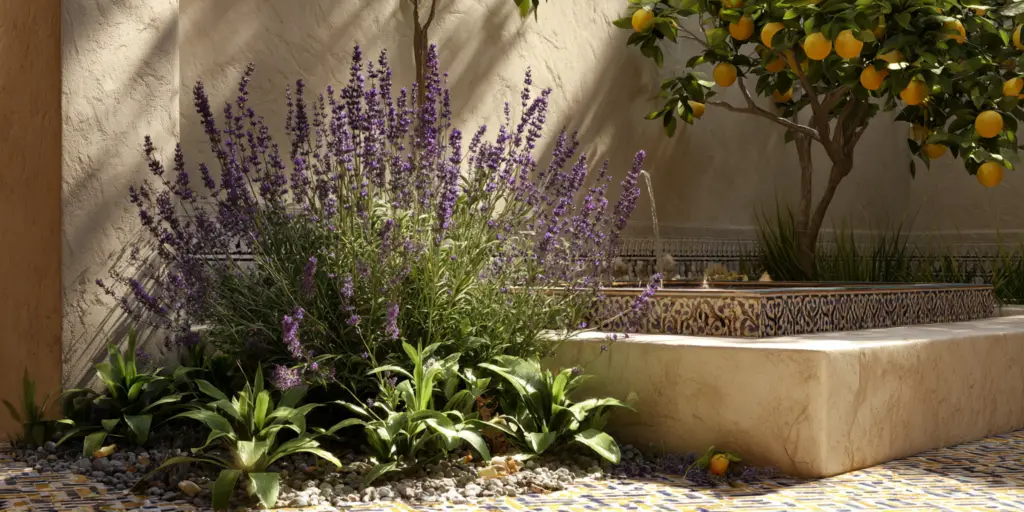
Fringed lavender is recognized by its toothed leaves and soft mounded habit. It flowers for a long season in warm climates and is favored for containers and coastal sites. Cold tolerance is low so it is best grown where winters are mild or as a seasonal plant. It prefers full sun, excellent drainage, and neutral to alkaline soils. The foliage is aromatic and the flowers carry small bracts.
At‑a‑glance
Group/Class: Fringed lavender
Height × spread: 24 to 36 in × 24 to 36 in (60 to 90 cm × 60 to 90 cm)
Bloom window: early summer to fall in mild regions
Color & flower form: purple flowers on short dense spikes with bracts
Fragrance: 2 noticeable
USDA hardiness: zones 8 to 11
Breeder / Year / Origin: unknown, Mediterranean region
Cut-flower notes: moderate stem strength; good dried; fresh vase life varies
Pet safety: avoid
How it differs
Toothed foliage and soft texture are distinctive
Longer bloom period where winters are mild
Less frost hardy than English and lavandin types
Often better suited to containers and coastal gardens
Strengths
Heat and drought tolerant once established
Tolerates salt spray in coastal sites
Attracts pollinators
Responds well to light shearing
Care in one minute
Provide full sun and very well drained, sandy or rocky soil.
Water to establish, then allow soil to dry between soakings.
Avoid high nitrogen fertilizers; use a light spring feeding if needed.
Shear lightly after flushes to keep plants compact.
Overwinter indoors north of zone 8 with bright light.
Watch‑outs
Frost tender; protect or overwinter indoors in cold regions
Root rot risk in heavy or wet soils
Can become leggy without periodic trims
Best uses (tags)
containers; coastal plantings; borders in warm zones; pollinators
Provenance note
Native around the Mediterranean and nearby islands; widely cultivated in mild climates.
Written by: Your Flowers Guide editorial team We are a small independent group of flower lovers who research and review each guide using trusted horticultural and educational sources. Learn more about us