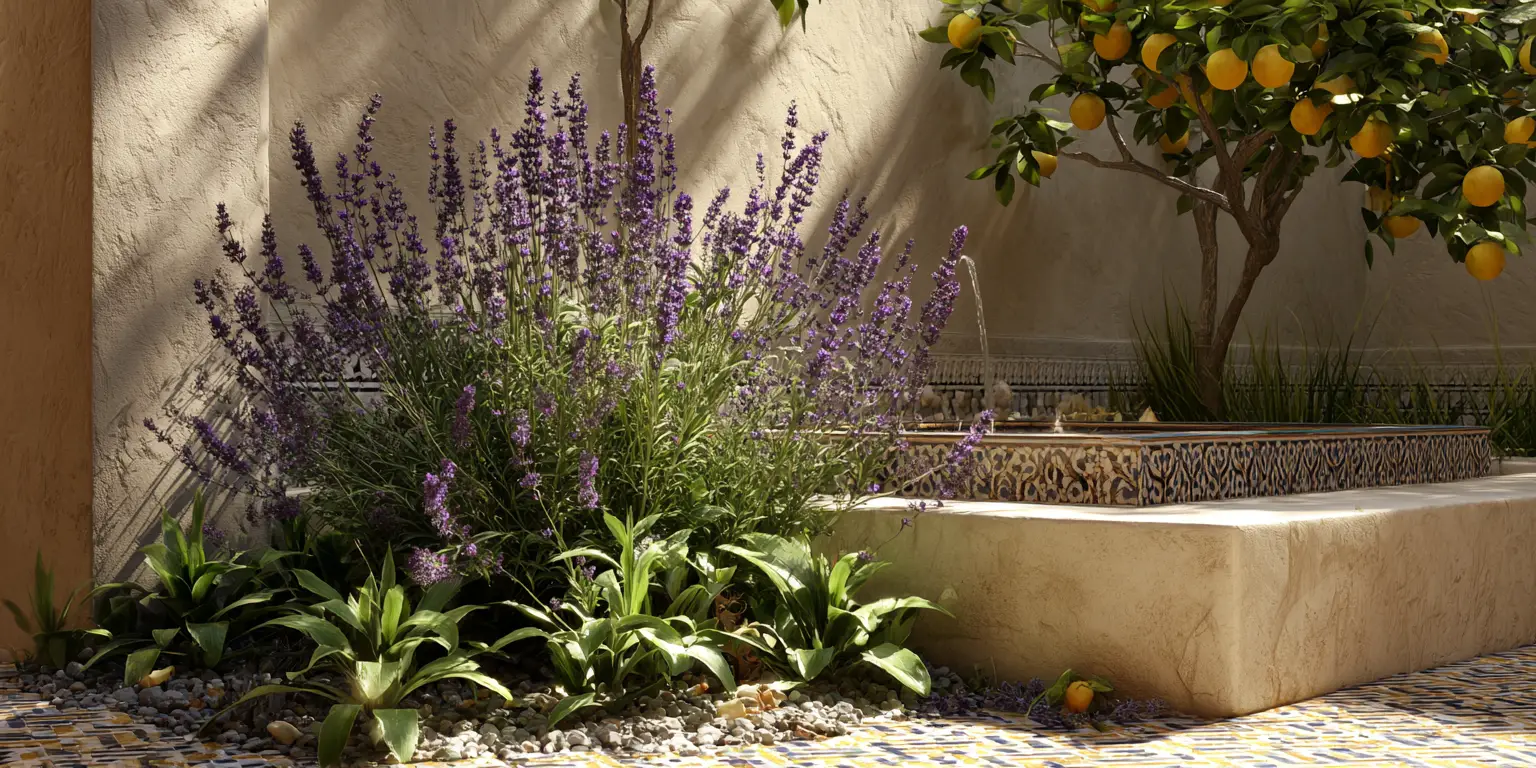
in bloom
now
through Aug
Bloom calendar
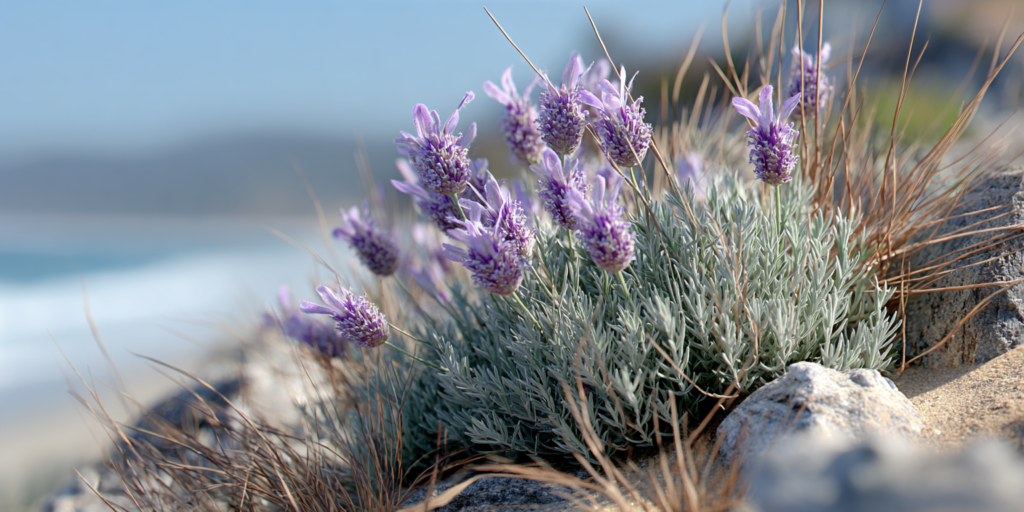
Lavandula multifida
Fernleaf lavender
At‑a‑glance
- Group/Class: Fernleaf lavender
- Height × spread: 18 to 24 in × 18 to 24 in (45 to 60 cm × 45 to 60 cm)
- Bloom window: summer to fall; nearly year round in frost free climates
- Color & flower form: light purple flowers on branched, airy spikes
- Fragrance: 2 noticeable
- USDA hardiness: zones 8 to 10
- Breeder / Year / Origin: unknown, western Mediterranean to North Africa
- Cut-flower notes: light, branched stems; best used fresh; drying quality varies
- Pet safety: avoid
How it differs
- Feathery leaves unlike other common lavenders
- Very long bloom in mild climates
- Least frost tolerant of the group
- Open, informal habit
Strengths
- Excellent heat performance in lean soils
- Attracts pollinators
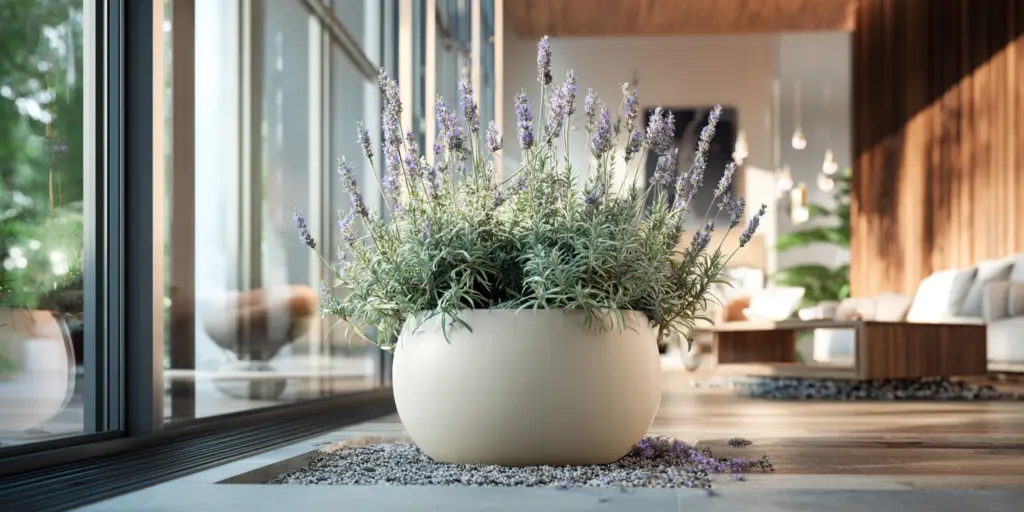
- Good in containers and seasonal plantings
Care in one minute
Provide full sun and very fast draining, gritty soil.
Water when the top inch is dry; avoid constant moisture.
Do not overfertilize; lean soil supports compact growth.
Shear lightly to promote branching and repeat bloom.
Overwinter indoors where freezing temperatures occur.
Watch‑outs
- Dies back below about 20°F without protection
- High risk of rot in cool, wet soils
- Short lived outside frost free zones
Best uses (tags)
Provenance note
Native across parts of the western Mediterranean and North Africa; grown mainly as an ornamental in warm regions.
References
- Missouri Botanical Garden Plant Finder: Lavandula multifida
- Plants For A Future: Lavandula multifida
- Kew Science POWO: Lavandula (genus overview)
- ASPCA: Lavender plant toxicity
Similar Flowers
Enjoying our flower guides? Add YourFlowersGuide as a preferred source on Google. It helps more readers find us.
Add to Preferred Sources