
in bloom
now
through Aug
Bloom calendar
Lavandula latifolia
Spike lavender
At‑a‑glance
- Group/Class: Spike lavender
- Height × spread: 20 to 32 in × 20 to 32 in (50 to 80 cm × 50 to 80 cm)
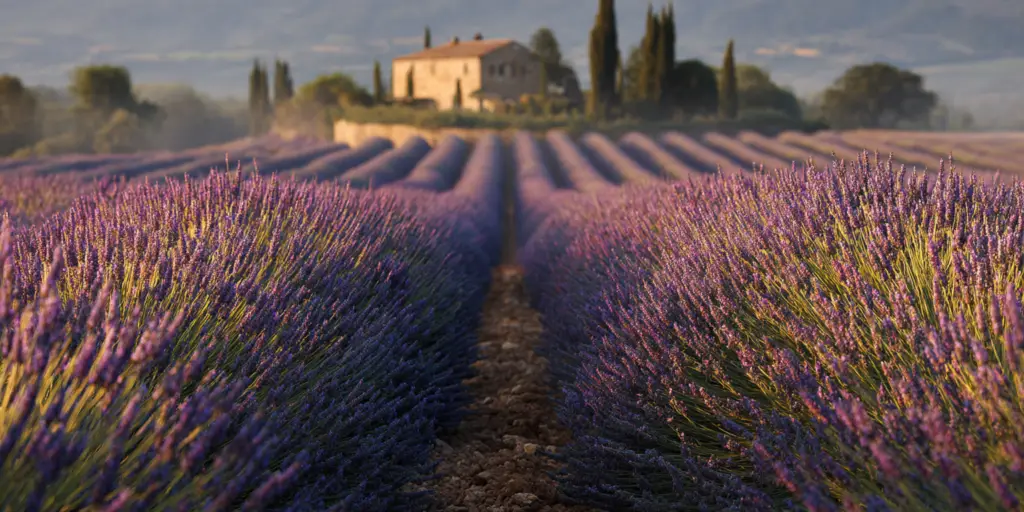
- Bloom window: mid to late summer
- Color & flower form: pale lilac spikes on long stems
- Fragrance: 3 strong
- USDA hardiness: varies by climate; commonly grown in zones 6 to 9
- Breeder / Year / Origin: unknown, western Mediterranean
- Cut-flower notes: stems sturdy; more valued for oil than fresh cuts; fresh vase life varies
- Pet safety: avoid
How it differs
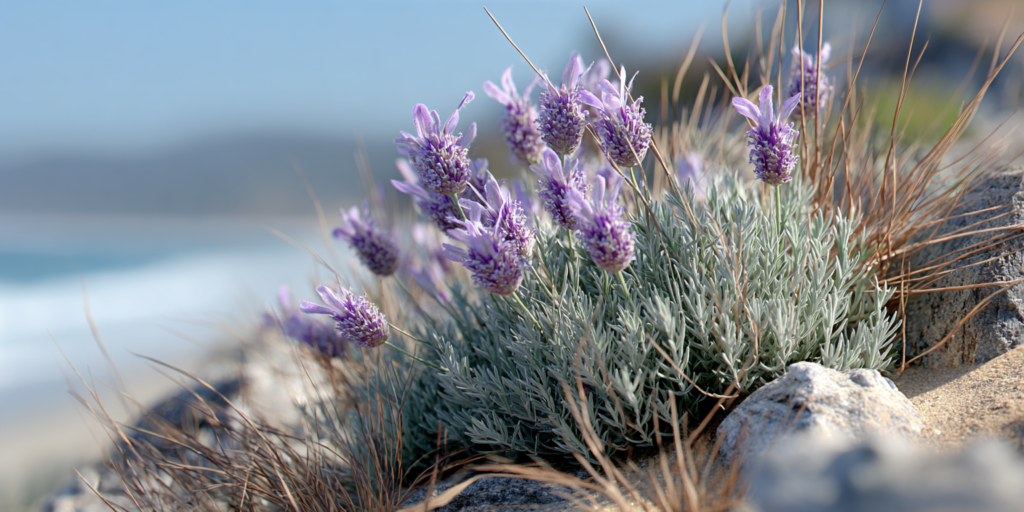
- Broader leaves than true lavender
- Scent is more camphoraceous and pungent
- Blooms later than English lavender
- Handles heat and poor soils well
Strengths
- Heat and drought tolerant once established
- Long stems useful for drying
- Attractive to pollinators
Care in one minute
Grow in full sun and lean, very well drained soil at neutral to alkaline pH.
Irrigate sparingly after establishment; avoid frequent light watering.
Shear lightly after bloom to keep form.
Ensure winter drainage; avoid heavy mulches around the crown.
Watch‑outs
- Less cold hardy than English lavender in severe winters
- Requires very sharp drainage to prevent rot
- Pungent scent may be intense indoors
Best uses (tags)
Provenance note
Native to the Iberian Peninsula and southern France; widely used in oil production and as a parent of lavandin.
References
- RHS profile: Lavandula latifolia
- Kew Science POWO: Lavandula latifolia
- UT Gardens (University of Tennessee): Lavender overview mentioning Portuguese lavender
- ASPCA: Lavender plant toxicity
Similar Flowers
Enjoying our flower guides? Add YourFlowersGuide as a preferred source on Google. It helps more readers find us.
Add to Preferred Sources