in bloom
now
through Aug
Bloom calendar
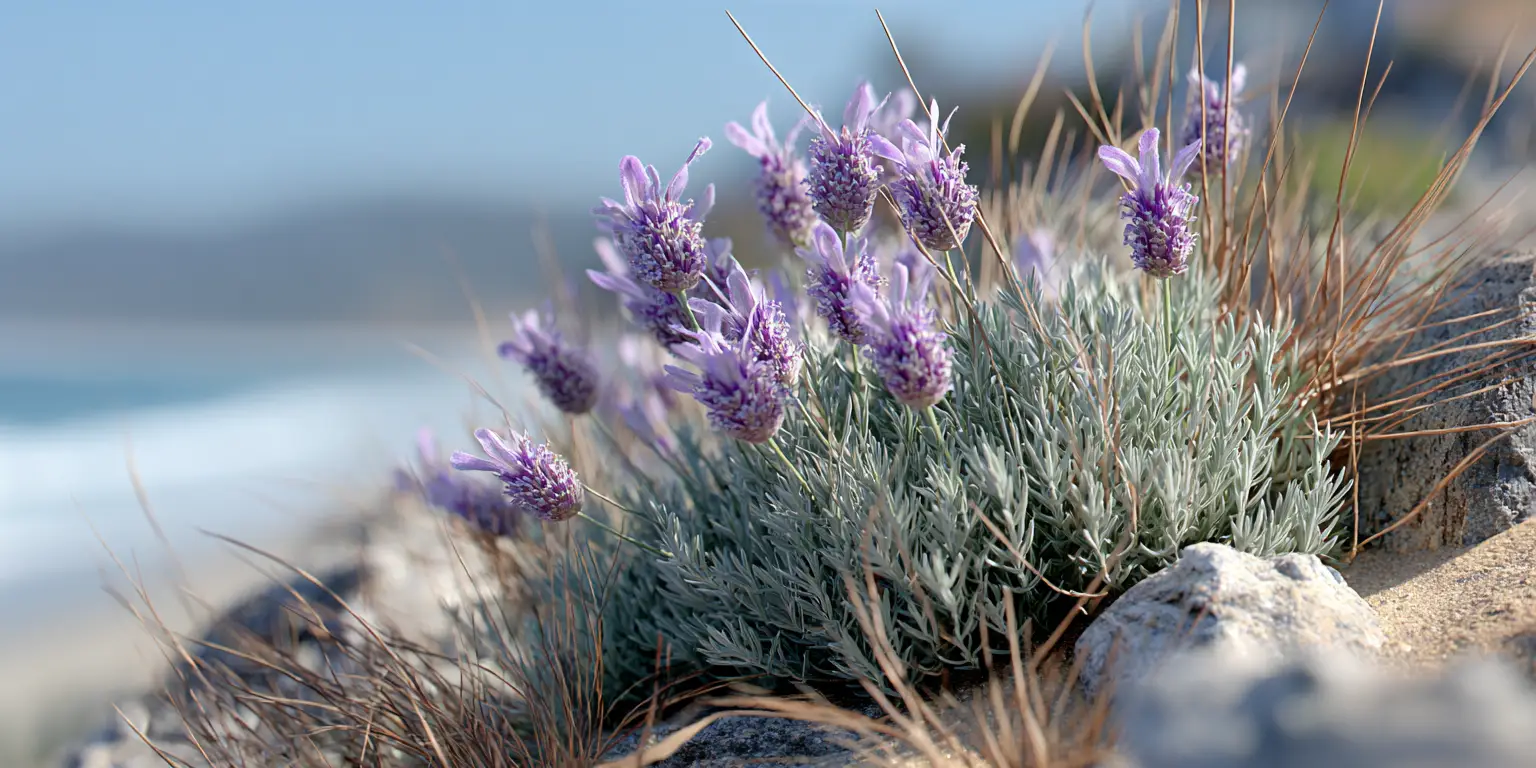
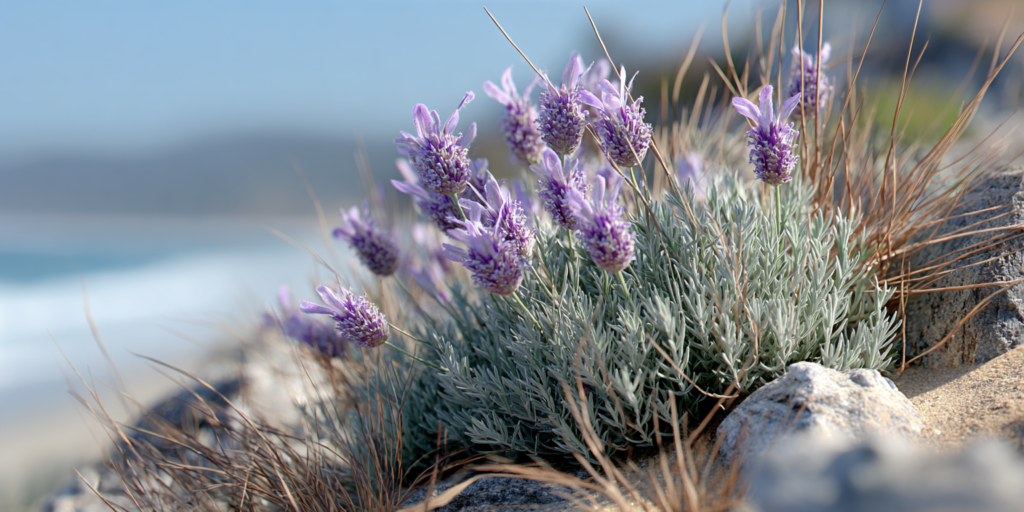
Lavandula stoechas
Spanish lavender
At‑a‑glance
- Group/Class: Spanish lavender
- Height × spread: 24 in × 16 in (60 cm × 40 cm)
- Bloom window: spring to summer
- Color & flower form: dark purple heads with prominent colored bracts
- Fragrance: 2 noticeable
- USDA hardiness: zones 8 to 9
- Breeder / Year / Origin: unknown, Mediterranean region
- Cut-flower notes: short to moderate stems; best for small fresh bunches or drying; fresh vase life is short
- Pet safety: avoid
How it differs
- Showy bracts create a distinctive “butterfly” look
- Earliest bloom among common lavenders in warm zones
- Least winter hardy of the group
- Foliage often remains evergreen in mild winters
Strengths
- Long seasonal display in mild climates
- Heat and drought tolerant once established
- Attractive to bees and butterflies
Care in one minute
Provide full sun and a very well drained, gritty soil.
Water sparingly once established; avoid wet crowns.
Deadhead to encourage repeat bloom.
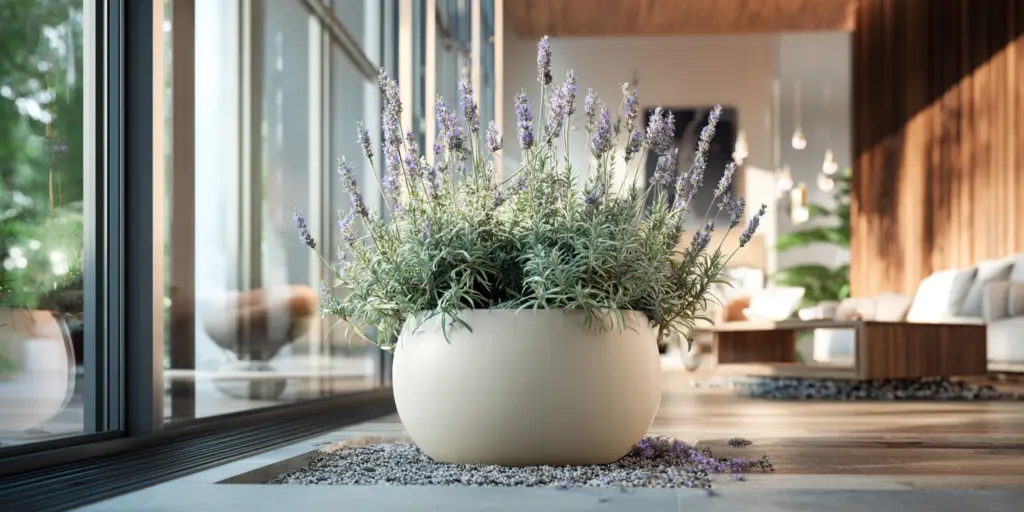
Grow in containers and overwinter indoors where winters are colder than zone 8.
Watch‑outs
- Sensitive to frost and prolonged cold
- Highly vulnerable to rot without sharp drainage
- Humidity and wet springs can increase disease pressure
Best uses (tags)
Provenance note
A Mediterranean species long grown for ornament and scent; recognizable for its tufted bracts.
References
- NC State Extension Plant Toolbox: Lavandula stoechas
- RHS profile: Lavandula stoechas
- Kew Science POWO: Lavandula stoechas
- ASPCA: Lavender plant toxicitya
Similar Flowers
Enjoying our flower guides? Add YourFlowersGuide as a preferred source on Google. It helps more readers find us.
Add to Preferred Sources