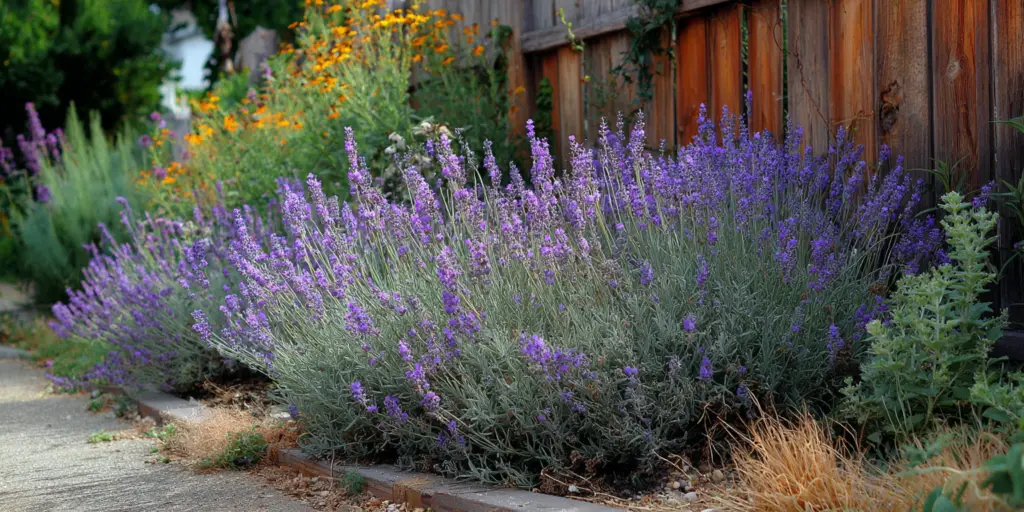
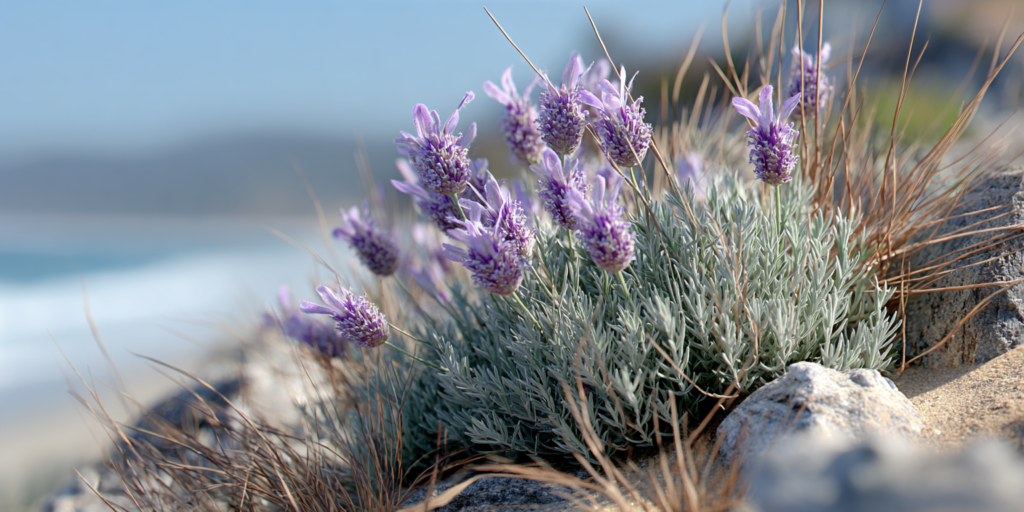
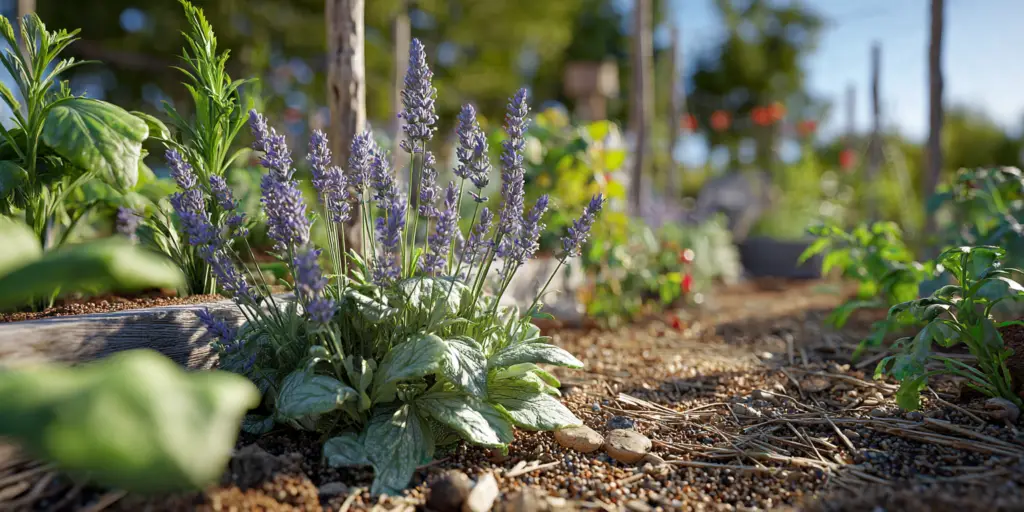
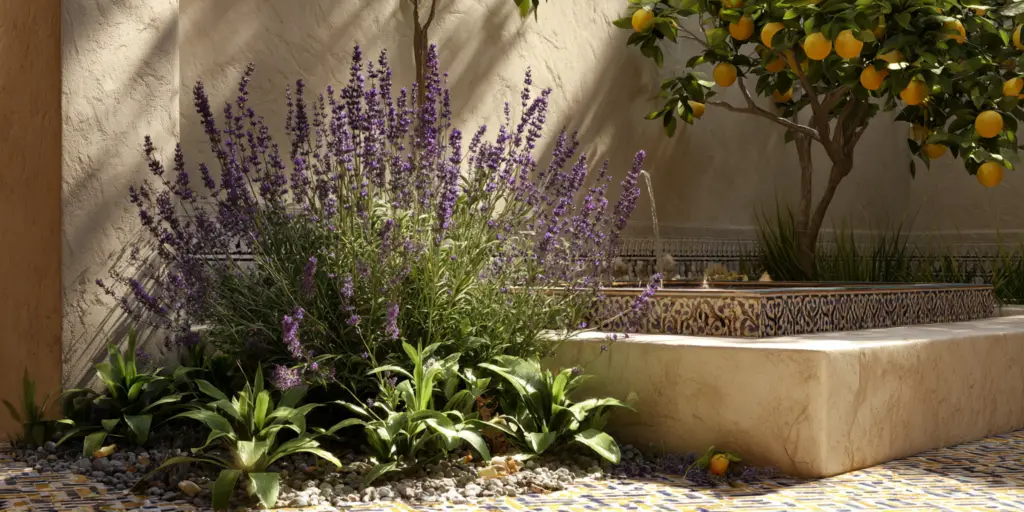
Spike or Portuguese lavender has broader leaves and a strong camphor scent. Plants bloom in mid to late summer with pale lilac flowers on long stems. It thrives in hot, dry sites with very sharp drainage. Cold tolerance is moderate and varies by climate and site. This species is one parent of lavandin hybrids.
At‑a‑glance
Group/Class: Spike lavender
Height × spread: 20 to 32 in × 20 to 32 in (50 to 80 cm × 50 to 80 cm)
Bloom window: mid to late summer
Color & flower form: pale lilac spikes on long stems
Fragrance: 3 strong
USDA hardiness: varies by climate; commonly grown in zones 6 to 9
Breeder / Year / Origin: unknown, western Mediterranean
Cut-flower notes: stems sturdy; more valued for oil than fresh cuts; fresh vase life varies
Pet safety: avoid
How it differs
Broader leaves than true lavender
Scent is more camphoraceous and pungent
Blooms later than English lavender
Handles heat and poor soils well
Strengths
Heat and drought tolerant once established
Long stems useful for drying
Attractive to pollinators
Care in one minute
Grow in full sun and lean, very well drained soil at neutral to alkaline pH.
Irrigate sparingly after establishment; avoid frequent light watering.
Shear lightly after bloom to keep form.
Ensure winter drainage; avoid heavy mulches around the crown.
Watch‑outs
Less cold hardy than English lavender in severe winters
Requires very sharp drainage to prevent rot
Pungent scent may be intense indoors
Best uses (tags)
herb gardens; dry slopes; pollinators; drying; informal hedges
Provenance note
Native to the Iberian Peninsula and southern France; widely used in oil production and as a parent of lavandin.
Written by: Your Flowers Guide editorial team We are a small independent group of flower lovers who research and review each guide using trusted horticultural and educational sources. Learn more about us