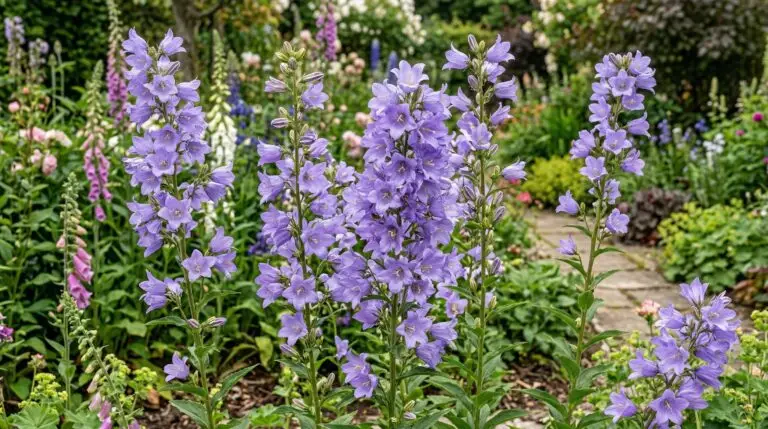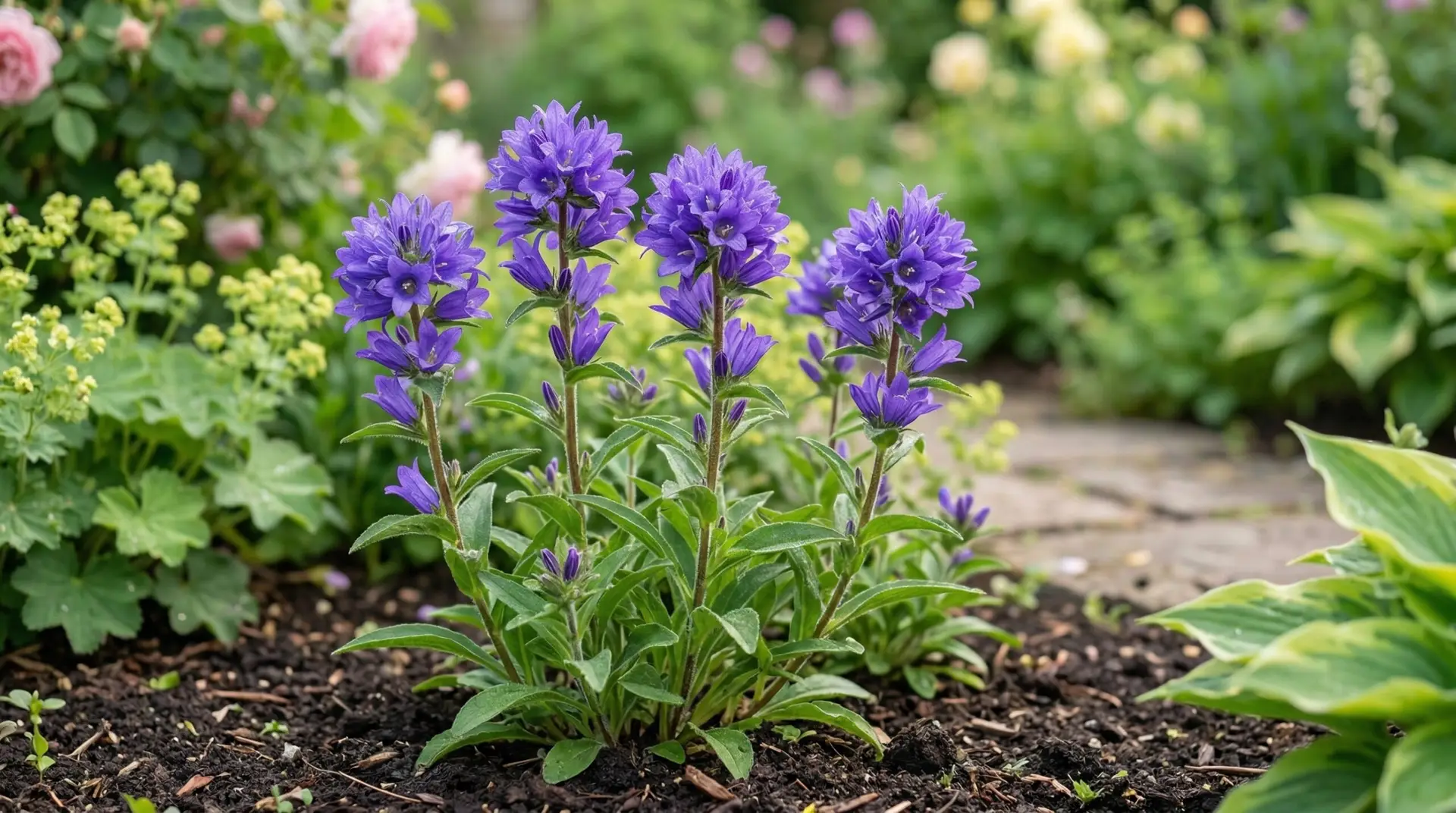
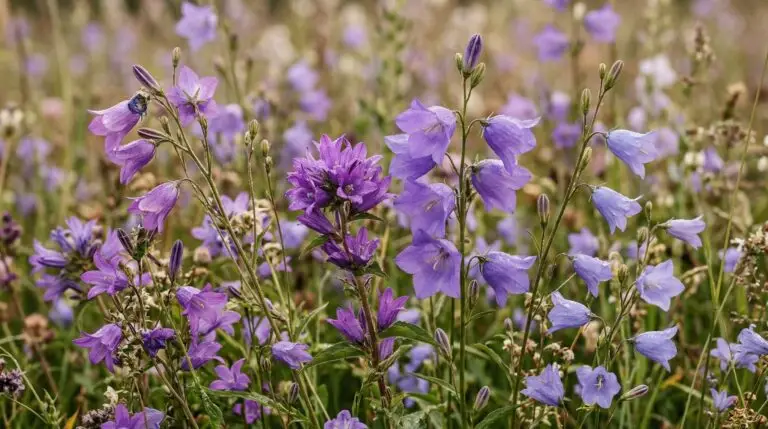
Gardeners often look for a saturated shade of deep violet to anchor a summer border, and campanula glomerata delivers exactly that color. Commonly known as the clustered bellflower, this perennial produces tight, upward-facing spheres of purple flowers on sturdy stems rather than the loose, dangling bells seen on its relatives. You will want to grow this plant if you need a reliable, early summer bloomer that establishes quickly and demands very little fuss. Before you put a trowel in the ground, you should understand that this specific purple campanula is a vigorous grower with a strong will to spread. It does not sit politely in a neat clump but rather travels outward via underground rhizomes to colonize the surrounding soil. This spreading habit makes it a highly effective ground cover for challenging spots, but it requires some strategic planning if you intend to keep it confined within a curated perennial bed. Understanding how this plant behaves in the soil will help you position it where it can thrive without overwhelming its neighbors.
Selecting the site and preparing the soil
Choosing the right spot for your clustered bellflower dictates how easily the plant will settle in and how much maintenance it will require later. These plants thrive in full sun in cooler northern climates, but they benefit greatly from afternoon shade if you live where summers get intensely hot. You need to plant them in soil that drains well, because sitting in soggy, waterlogged earth over the winter will cause the roots to rot and the plant to die. You can test your drainage by digging a hole about a foot deep with your garden spade, filling it with water, and watching how fast the water disappears. If the water sits there for several hours, you have poor drainage and will need to mound the soil or mix in coarse sand and organic compost to raise the planting area. When the daytime temperatures consistently stay above sixty degrees in the spring, or as the intense heat breaks in early autumn, you can dig a planting hole just slightly wider than the nursery pot. Settle the plant so the crown rests exactly at the soil level, backfill with your native earth, and water the base deeply to collapse any hidden air pockets. Applying a thin layer of organic mulch around the base will help regulate soil temperature and retain moisture during those first few weeks of establishment.
Managing the vigorous spreading habit
Once your campanula glomerata establishes its root system, it will begin to travel outward and form a dense mat of foliage. This colonization happens through shallow underground runners, which means the plant will quickly weave itself among neighboring perennials like blue salvia or other border favorites if left completely unchecked. You can manage this energetic growth easily by dividing the plant every two or three years. As the new shoots emerge in the early spring, take a sharp garden spade and slice straight down through the outer edges of the clump, lifting away the sections that have traveled too far. You can transplant these removed chunks to other areas of the yard, give them to neighbors, or toss them in the compost pile. If you want to avoid frequent division, you can plant your purple campanula inside a bottomless plastic nursery pot sunk into the ground to restrict the runners from spreading outward. Two specific varieties, ‘Joan Elliott’ and ‘Superba’, are frequently sold at nurseries because they offer exceptionally large flower heads and sturdy stems, though they share the exact same energetic spreading habit as the straight species. Knowing this habit in advance allows you to place these specific varieties where they have room to roam or where their borders are naturally defined by a sidewalk or lawn edge.
Watering routines and seasonal maintenance
During the first growing season, you must provide consistent moisture to help the new roots anchor deeply into the surrounding soil. You should check the soil with your fingers every few days, watering deeply with a soaking hose or watering can whenever the top inch feels dry to the touch. Once the plant matures, it becomes somewhat drought tolerant, but the foliage will quickly tell you if it is thirsty by wilting and looking dull in the afternoon sun. At this point you might notice the lower leaves turning brown or looking slightly ragged as the summer progresses. That is normal and means the plant is putting its energy into flower production rather than sustaining the older foliage near the ground. You can trim away these declining lower leaves with bypass pruners to tidy up the appearance, especially if the plant is positioned near the front of the border. After the main flush of intense purple clusters fades, cut the flower stalks all the way back to the basal foliage. This specific pruning step prevents the plant from wasting energy on seed production and encourages a cleaner, healthier look for the remainder of the growing season.
Cutting for arrangements and anticipating success
The upright posture and dense flower heads of clustered bellflower make it an excellent choice for indoor floral arrangements. You should harvest the stems early in the morning while the plant is fully hydrated, selecting stalks where about half of the individual tubular flowers in the cluster have opened. Use clean, sharp snips to cut the stem near the base, and immediately place the cut ends into a bucket of cool water. Stripping the lower leaves before arranging them in a vase prevents the foliage from rotting in the water and extends the vase life of the blooms. If you pair these bold purple spheres with the airy, soft texture of catmint or delicate white daisies, you create a strong visual contrast in your arrangements. In the garden, a successful planting will reward you by late spring or early summer with a dense, weed-suppressing mat of green foliage topped by bright violet spheres that draw in bees and butterflies. Over the years, you will see your initial single plant mature into a generous, sweeping drift of color that reliably signals the arrival of the summer gardening season. You will find that the initial effort of site preparation and occasional division pays off with decades of dependable, vivid blooms.
More About Campanula

Campanula in European wildflower meadows and how to recreate the look at home
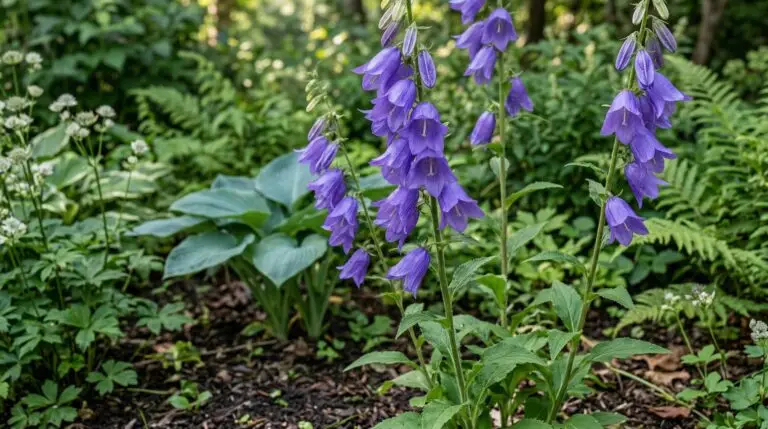
Campanula for shady garden spots where color is hard to find
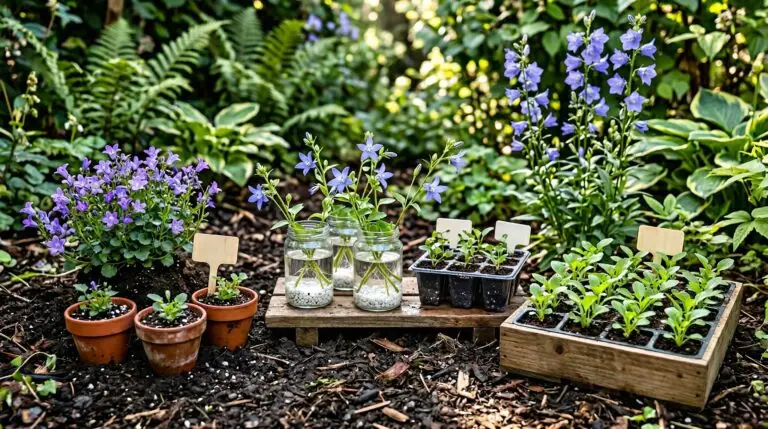
How to propagate campanula from stem cuttings root division and seed
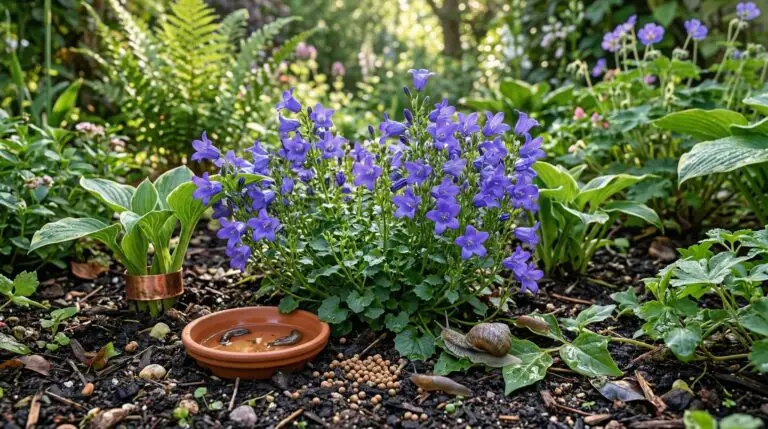
Campanula pests including slugs and rust and organic prevention methods
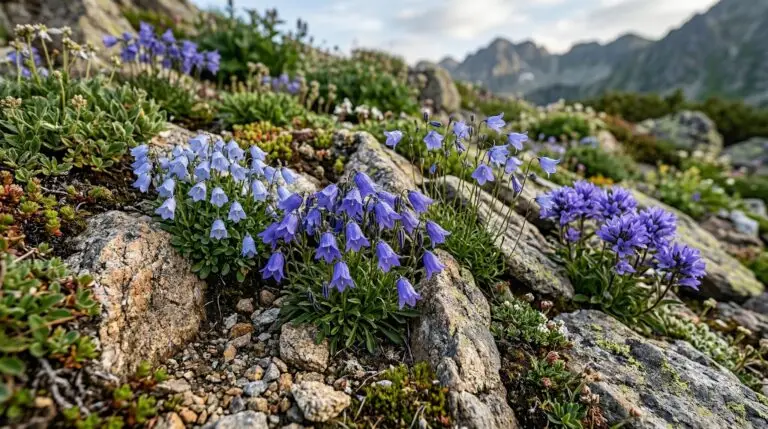
How campanula adapts to different growing conditions from mountains to meadows
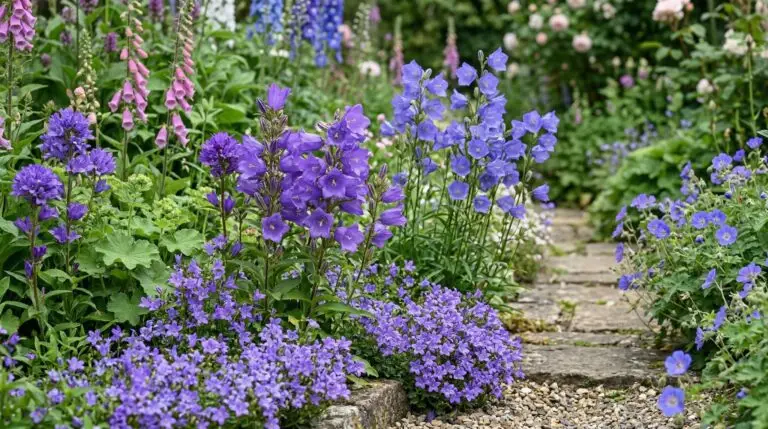
Campanula persicifolia the elegant peach-leaved bellflower for cottage gardens
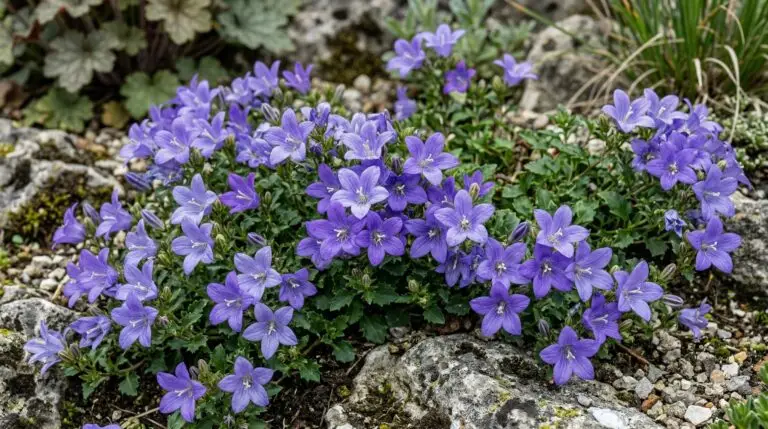
A guide to campanula species for rock gardens alpine troughs and stone walls
The botanical diversity of campanula with over 500 species across the world