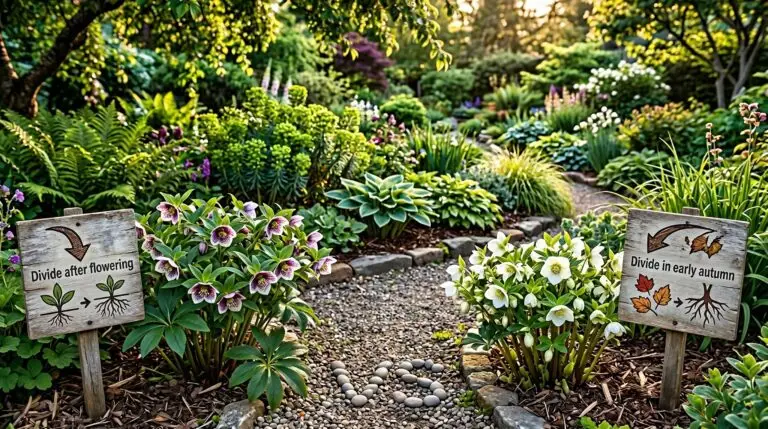
By the time you finish reading this guide, you will understand exactly how a hellebore seed decides when to wake up and why a plant that seems so eager to bloom in the snow demands such profound patience from its gardener. Growing hellebore from seed is an exercise in understanding plant time rather than human time. Most seeds we encounter in the garden are programmed for speed, waiting only for a splash of water and a warm afternoon to burst into life. Hellebore seeds operate on a completely different biological clock. They have evolved elaborate internal mechanisms to protect themselves from sprouting at the wrong moment. Learning to work with these mechanisms transforms a frustrating wait into a fascinating observation of nature at work.
The secret of fresh seed viability
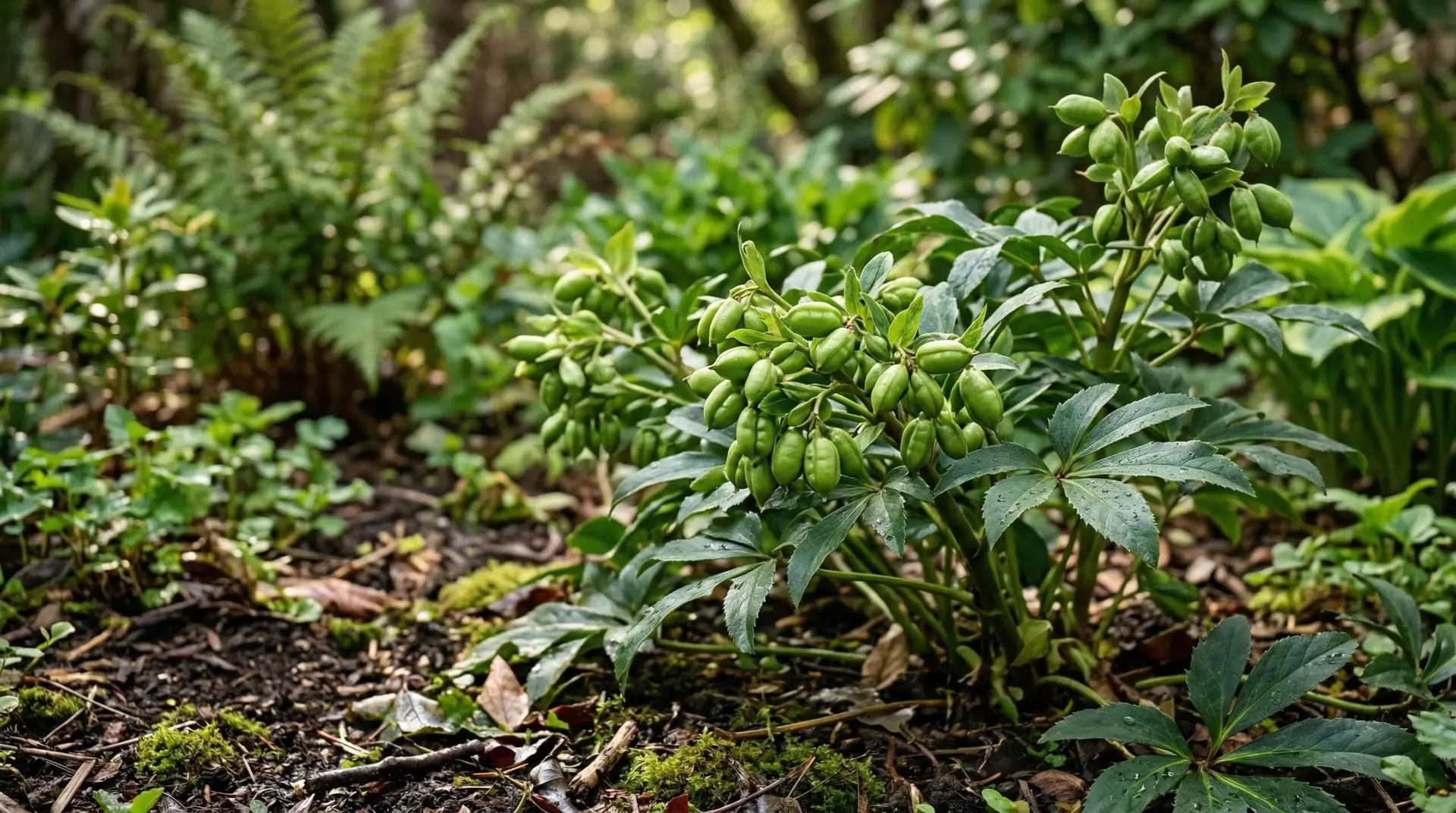
The most common stumbling block in growing hellebore from seed happens before the seed even touches the soil. If you buy a packet of dry hellebore seeds off a standard seed rack in the middle of winter, your chances of success drop right from the start. Hellebore seeds have a very short window of peak viability, and they strongly prefer to be sown while they are still fresh and plump. Think of a fresh hellebore seed like a tiny capsule full of moisture containing an immature plant embryo. When that seed dries out completely in commercial storage, the embryo often dies or enters a state of deep chemical lockdown that is incredibly difficult to reverse. For the best results, you want to collect seeds directly from existing plants in late spring just as the seed pods split open, or purchase from specialty growers who store their seeds in damp conditions.
Once you have fresh seeds in hand, the goal is to get them into the soil almost immediately. This mimics exactly what happens in nature when the heavy seeds tumble out of the pod and fall into the damp earth beneath the mother plant. Fill a deep pot with a standard potting mix, press the seeds gently into the surface, and cover them with a thin layer of grit or coarse sand. The grit acts as a physical barrier that keeps the seeds in place during heavy rain while still allowing light and air to reach the soil. You will want to place this pot outside in a shaded, protected spot where it can experience the natural progression of the seasons. This might seem contradictory to the warm indoor environment we usually provide for seedlings, but exposure to outdoor weather is exactly what these seeds need to trigger their internal clocks. Just like Gentian seeds, they rely on the changing temperatures of the outdoors to break down their germination inhibitors.
Understanding double dormancy
Now we arrive at the most misunderstood part of hellebore seed germination, which is a process known as double dormancy. When you sow those fresh seeds in the summer, absolutely nothing will happen on the surface of the soil for months. You might assume the seeds have rotted or failed, but there is actually a great deal of invisible activity happening underground. The seeds first require a prolonged warm period, which they get during the late summer months, to finish developing their internal embryos. During this warm phase, the seed is essentially maturing in place, absorbing moisture and preparing its cellular structure for the next step. Without this initial warm period, the seed remains physically incapable of sprouting regardless of what happens next.
After the embryo finishes maturing during the warm summer, the seed hits its second lock, which requires a prolonged period of chilling to break. As autumn turns into winter, the cold temperatures slowly degrade a chemical inhibitor inside the seed coat. You can picture this chemical inhibitor as a thick wall of ice that takes several months of constant freezing and thawing weather to finally melt away. The seed will not push out its first root until this chemical barrier is completely gone. This evolutionary trait ensures the tender seedling does not sprout in October only to be killed by the harsh freezes of January. By requiring both a warm period and a cold period in sequence, the hellebore guarantees it will only emerge when spring is truly on the horizon. Similar to Delphinium elatum, the cold stratification period is an absolute requirement for consistent sprouting.
When late winter or early spring finally arrives, the transformation happens. You will step outside one chilly morning and notice tiny green loops pushing up through the grit in your pot. Because the seeds have experienced the exact same weather conditions together, they tend to germinate in a highly synchronized wave. This is the moment where your patience pays off, though the process is still far from over. The seedlings will produce two rounded seed leaves first, followed a few weeks later by their first true leaves, which look like miniature versions of adult hellebore foliage. You should leave the seedlings in their communal pot for their entire first growing season so they can develop a robust root system without the shock of early transplanting.
Working with self sown colonies
If managing pots and monitoring temperatures feels like too much intervention, you can simply let the plants do the work for you. Mature hellebores are prolific seeders when they are happy with their location. If you refrain from deadheading the fading blooms in late spring, the pods will eventually burst and drop hundreds of fresh seeds directly into the soil beneath the large leaves. The mother plant provides the perfect microclimate for these seeds, offering shade during the hot summer and a natural mulch of decaying foliage to keep the soil moist. The following spring, you will often find a dense carpet of tiny seedlings huddled around the base of the mature plant.
Moving these volunteer seedlings requires a gentle touch and an understanding of how hellebore roots grow. Hellebores develop thick, fleshy roots that resent being disturbed, especially when the plant is young and vulnerable. The best time to dig up and move these seedlings is during their second spring, right as they are producing fresh new growth but before their root systems become deeply entangled with the mother plant. Use a small trowel to scoop up a generous chunk of soil along with the seedling, keeping the root mass as intact as possible. Replant them immediately in a shaded spot enriched with compost. Compost is highly beneficial here because it improves the soil structure, allowing those thick roots to push through the earth easily while retaining the consistent moisture they crave.
The genetics of hybrid variation
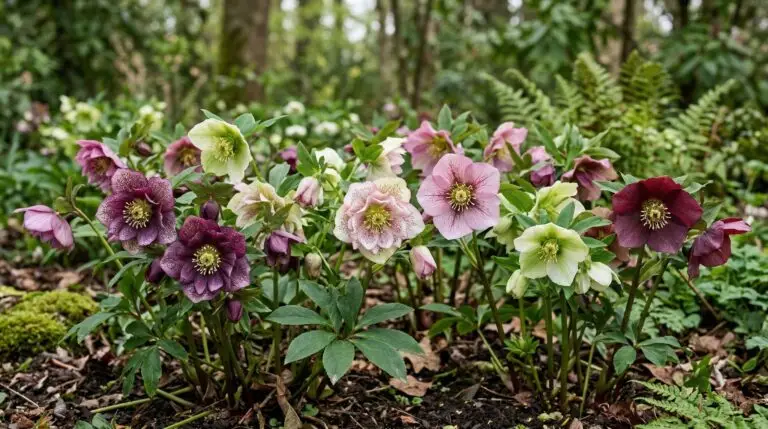
One of the most exciting aspects of growing hellebores from seed is the element of surprise waiting at the end of the process. Most of the hellebores we grow in our gardens are complex hybrids, meaning they carry a vast and mixed genetic history. Because of this mixed heritage, the seeds produced by a hybrid plant will almost never look exactly like the parent plant. If you collect seeds from a dark purple hellebore, the resulting offspring might bloom in shades of pale pink, muddy green, or crisp white. The bees in your garden have been busy moving pollen between all your different plants, creating entirely new genetic combinations in every single seed pod.
Discovering what these new combinations look like requires one final stretch of patience. A hellebore grown from seed typically takes two to three full years of vegetative growth before it produces its very first flower. During this time, the plant is pouring all its energy into building a massive root system and a thick crown that will sustain it for decades to come. It takes a season or two to get a feel for this slow rhythm, and that is completely normal for a beginner. When that first bud finally opens in the late winter of the plant’s third year, you are looking at a completely unique flower that exists nowhere else in the world.
The entire process of raising a hellebore from a fresh seed to a blooming adult is a lesson in the quiet endurance of the natural world. By understanding the seed’s need for immediate moisture, its internal requirement for a warm summer followed by a cold winter, and its slow development of a permanent root system, you align your gardening practices with the plant’s biological reality. You stop fighting the clock and start participating in the rhythm of the seasons. The ultimate reward is a resilient, deeply rooted plant that will outlive many other perennials in the garden, blooming faithfully through the snow for generations.
More About Hellebore
Why hellebore flowers face downward and how to display their hidden beauty
Best hellebore varieties from single-color classics to double-flowered showstoppers
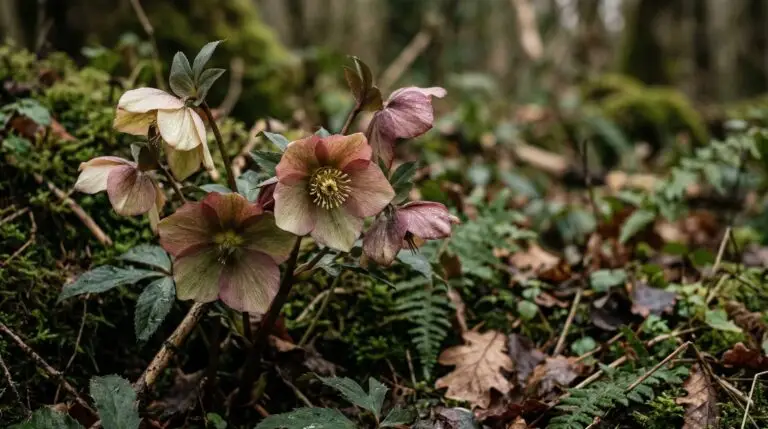
Hellebore flower meaning and the dark legends surrounding the Christmas rose
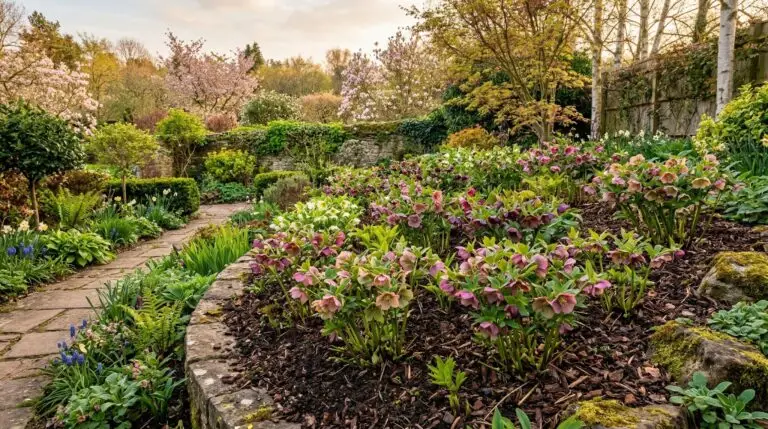
How to clean up hellebore foliage in late winter for the best flower display
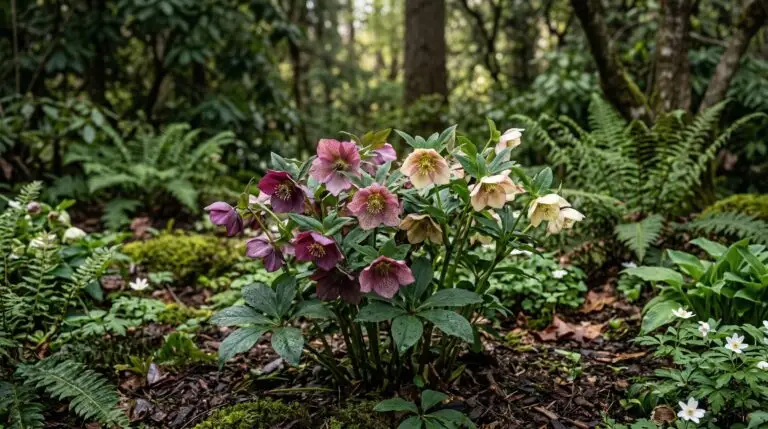
How to grow hellebores for elegant flowers that bloom in the dead of winter
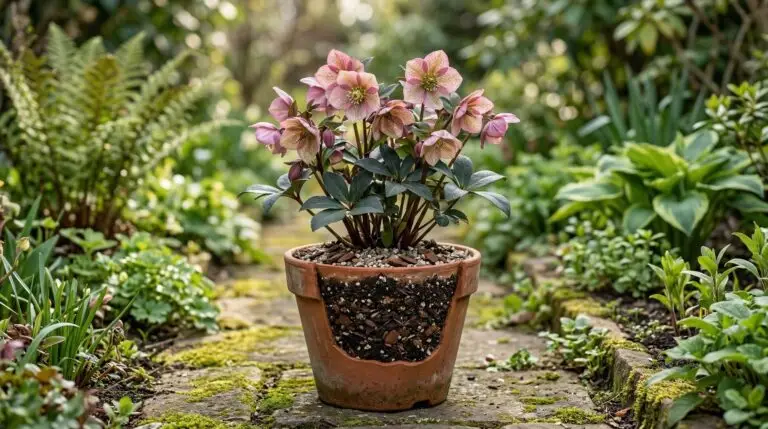
Hellebores in containers for winter interest on patios and doorsteps
Hellebore companion plants for a shade garden that has color from January to May