Growing conditions vary enormously across the country, meaning a shade garden in coastal Maine functions entirely differently than one in central Texas. Understanding your local context is the foundation of success when selecting plants for the darkest corners of your yard. Gardeners often seek a dependable shade ground cover to fill bare spots under mature trees or along north-facing walls. Yet a geranium for shade that thrives in the cool, damp Pacific Northwest will struggle in the baking, dry heat of the southern plains. Recognizing how your specific combination of humidity, rainfall patterns, and winter cold interacts with shade is essential. You must match the specific species of hardy geranium to your regional soil chemistry and moisture availability to establish a lasting planting.
Deep shade presents a complex set of variables that change depending on your geographic location. In the humid Southeast, shade often comes with stagnant air and high moisture, creating fungal pressures that gardeners in the dry Mountain West never encounter. Conversely, western gardeners deal with aggressive root competition for every drop of scarce summer rainfall under their shade trees. Before planting, evaluate whether your shade is damp and heavy or dry and dusty. You might already grow early spring bloomers like Virginia Bluebells that go dormant when summer heat arrives. Hardy geraniums need to survive the entire growing season in these distinct regional microclimates, requiring careful selection based on their native adaptations to drought or moisture.
Adapting bigroot geranium to dry and shallow soils
Geranium macrorrhizum, commonly known as bigroot geranium, offers exceptional dry shade tolerance for regions with minimal summer rainfall. Gardeners in the arid Southwest and the high-elevation Mountain West can rely on its thick, fleshy rhizomes to store water during long periods of drought. In these dry zones, planting this species under mature conifers provides a reliable green carpet where little else survives the intense root competition. The soils in these regions are often highly alkaline, so gardeners should add elemental sulfur to lower the pH closer to the 6.0 to 7.0 range this plant prefers. Even in the Northeast, where rainfall is more plentiful, this plant excels in the shallow, rocky soils found over granite bedrock. The rhizomes sit right at the soil surface, allowing the plant to spread horizontally without needing deep soil pockets to establish strong roots.
This particular shade geranium handles the extreme temperature swings of Zone 4 winters and hot summers with equal resilience. In the Upper Midwest, the foliage often turns deep crimson in late autumn and persists under the snowpack, protecting the crown from freezing winds. When the snow melts, the thick canopy of leaves immediately begins suppressing early spring weeds before they can germinate. Gardeners in hotter southern zones, up through Zone 8, will find that this species requires absolute shade during the afternoon to prevent the foliage from scorching. Southern gardeners should also ensure their soil drains rapidly, as the fleshy roots will rot in heavy clay that stays wet during humid summer nights. Creating raised beds or planting on gentle slopes helps shed excess water in areas prone to sudden, heavy summer thunderstorms.
Managing woodland moisture for the mourning widow
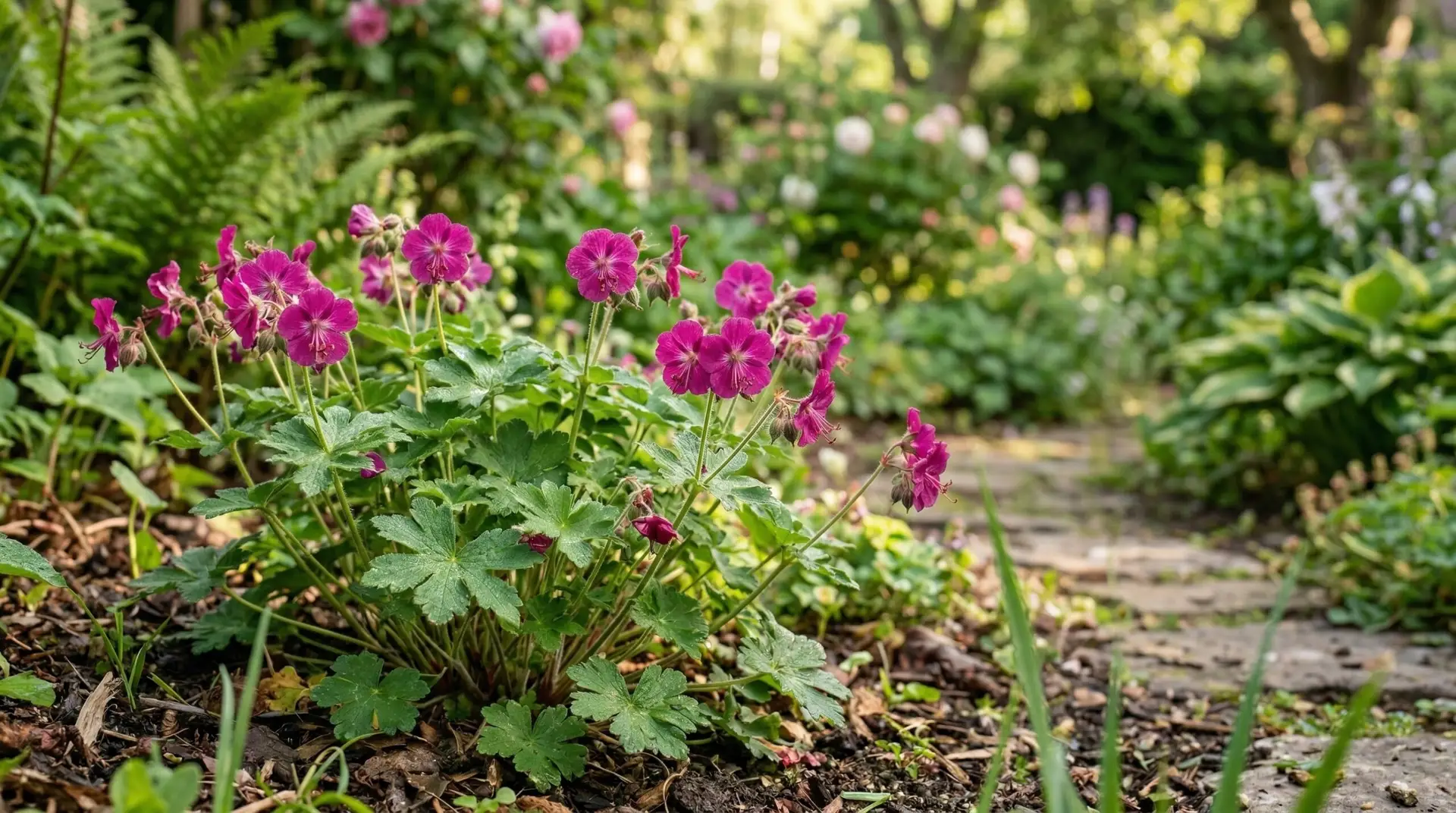
Geranium phaeum, often called the mourning widow, requires completely different growing conditions and thrives in the damp, cool environments of the Pacific Northwest. This species evolved in woodland settings and demands consistent soil moisture to support its tall, nodding flowers and soft foliage. In regions with frequent drizzle and overcast skies, it naturalizes beautifully along the woodland floor and tolerates heavy, wet winter soils. Gardeners in the Mid-Atlantic and Southeast face a different reality when attempting to grow this moisture-loving geranium for shade. The high summer humidity of the South can encourage powdery mildew on the leaves if the plants are crowded too closely together. Thinning the canopy of overhanging trees to improve air circulation becomes a necessary chore in these humid zones to keep the foliage healthy.
Preparing the soil for the mourning widow requires attention to regional organic matter deficits. In the sandy soils of the coastal plains, gardeners must incorporate generous amounts of compost and leaf mold to retain the moisture this plant desperately needs. Heavy clay soils, common in the Ohio River Valley, require similar organic amendments to prevent the soil from becoming a solid, impenetrable block during dry spells. You can pair this species with other moisture-loving shade perennials like Hellebore to create a layered woodland effect that blooms from late winter through late spring. The dark purple, almost black flowers of the mourning widow appear suspended in the air, bringing subtle color to areas that receive zero direct sunlight. Maintaining a thick layer of shredded bark mulch over the root zone helps regulate soil temperatures and preserves the consistent moisture levels required for strong summer growth.
Utilizing knotted cranesbill in challenging microclimates
Geranium nodosum, or knotted cranesbill, possesses glossy, light-reflecting leaves that make it highly useful for specific microclimates like narrow side yards and north-facing walls. Urban gardeners dealing with the heat island effect will find this species particularly effective because it handles warm night temperatures better than many other hardy geraniums. The reflective quality of the foliage helps brighten the deepest shade cast by tall buildings or solid privacy fences. In the transitional climates of Zone 6 and Zone 7, this plant establishes quickly in the dry rain shadows created by deep house eaves. While annuals like Impatiens require constant supplemental watering in these protected spots, knotted cranesbill adapts to the dry conditions once its root system matures. You can use these microclimates to your advantage by planting this species where the soil stays permanently dry and sheltered from prevailing rainstorms.
Successful gardening ultimately relies on observing your specific environment rather than fighting against it. Evaluating your local rainfall patterns, soil texture, and the exact density of your shade dictates which plants will thrive and which will fail. A deep, dark corner under a shallow-rooted maple in dry Colorado requires an entirely different approach than a damp, sheltered wall in rainy Oregon. Selecting a shade ground cover based on its natural adaptations to drought or moisture ensures the plant establishes a vigorous, long-lasting presence. When you match your plant choices to the unchangeable realities of your regional climate, you build a resilient garden that requires less intervention and fewer resources to survive.
More About Geranium
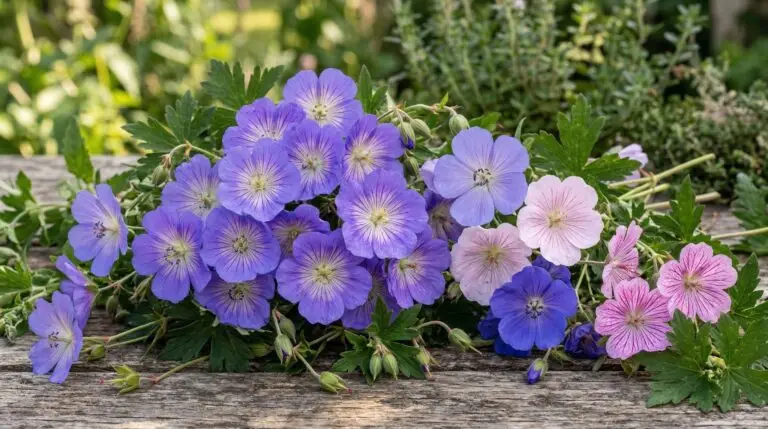
Best hardy geranium varieties from the legendary Rozanne to shade-loving types
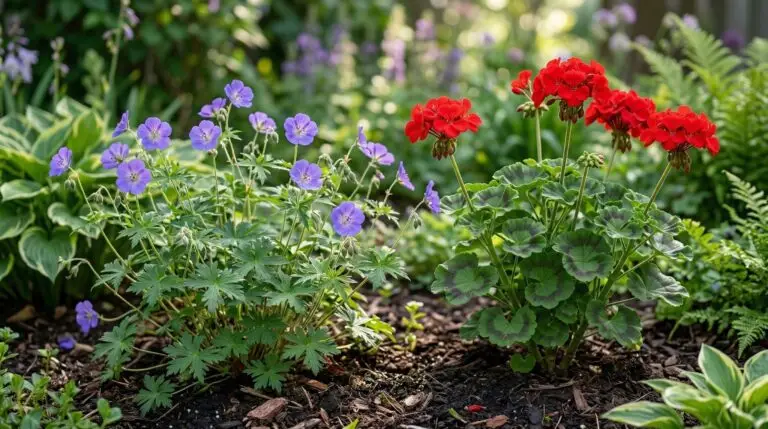
How to grow hardy geraniums for carefree ground cover that blooms for months
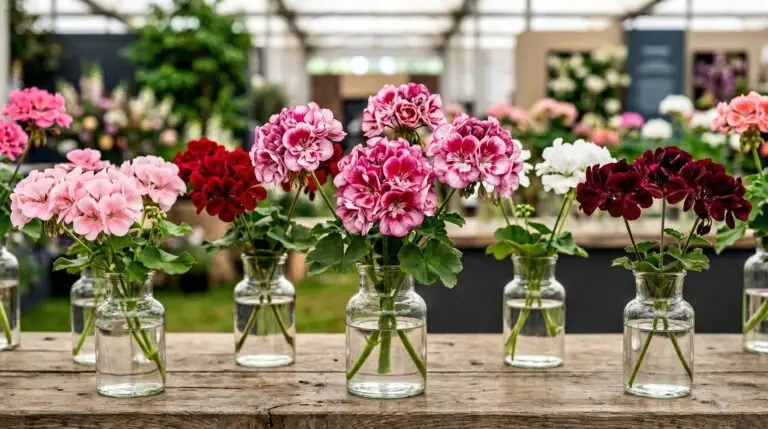
Geranium Rozanne and why one plant became the most popular perennial in the world
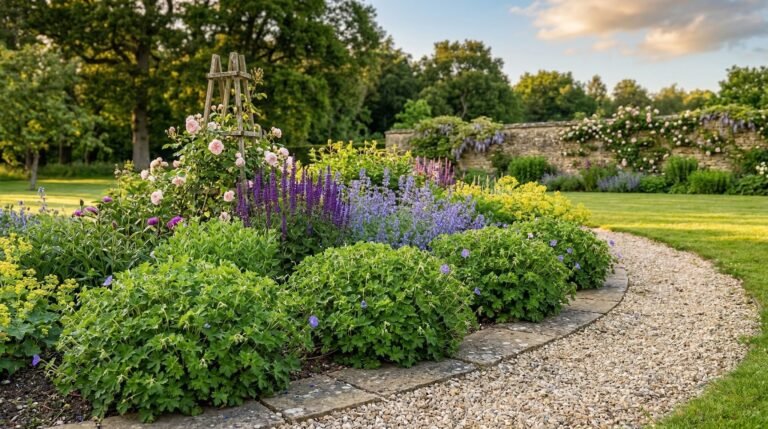
How to cut back hardy geraniums in midsummer for fresh foliage and a second flush
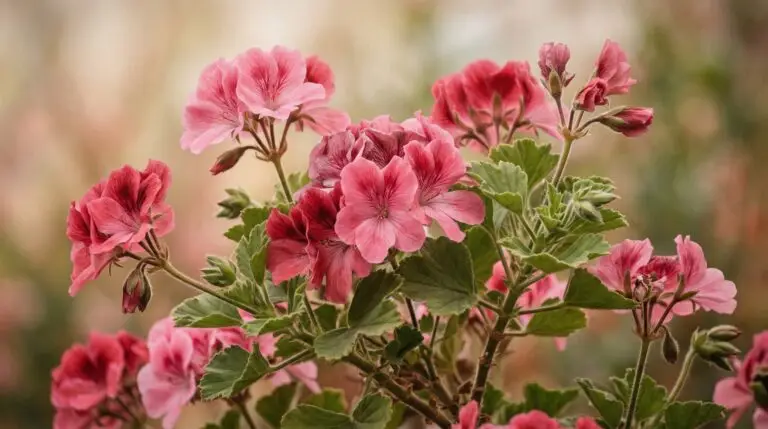
Geranium flower meaning and the Victorian message of comfort and true friendship
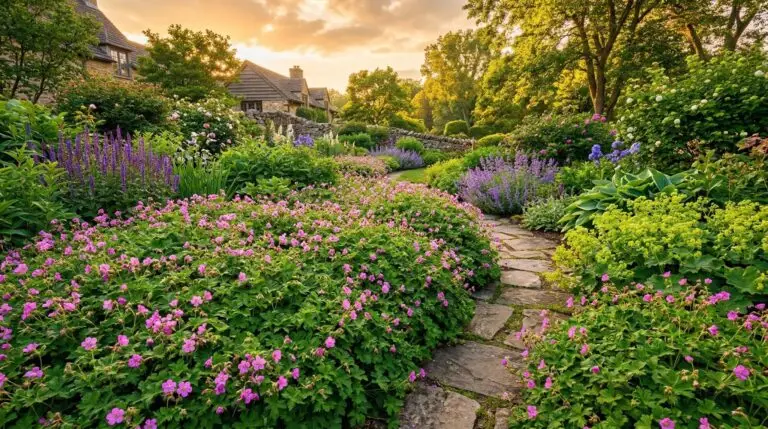
Using hardy geraniums as weed-suppressing ground cover under roses and shrubs
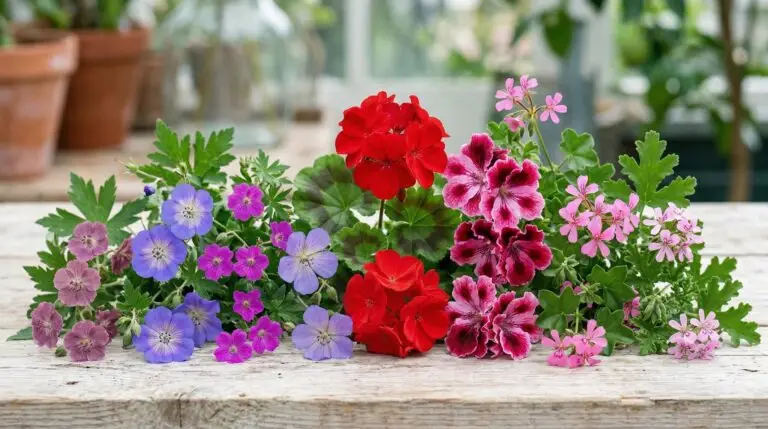
Hardy geraniums versus pelargoniums and why the garden world confuses them
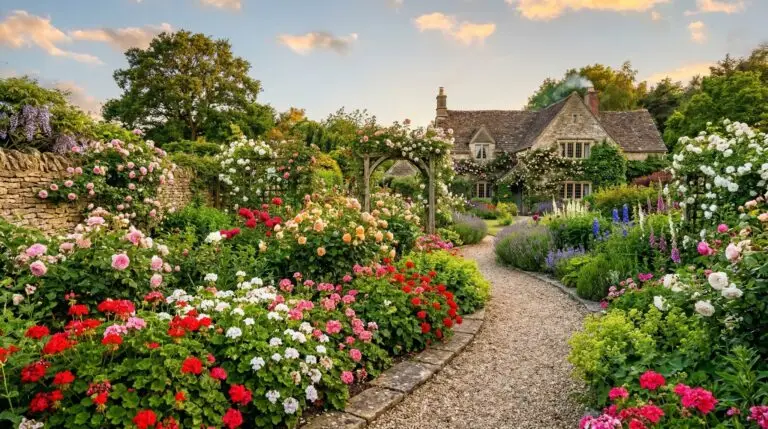
Companion plants for hardy geraniums in borders and cottage garden beds