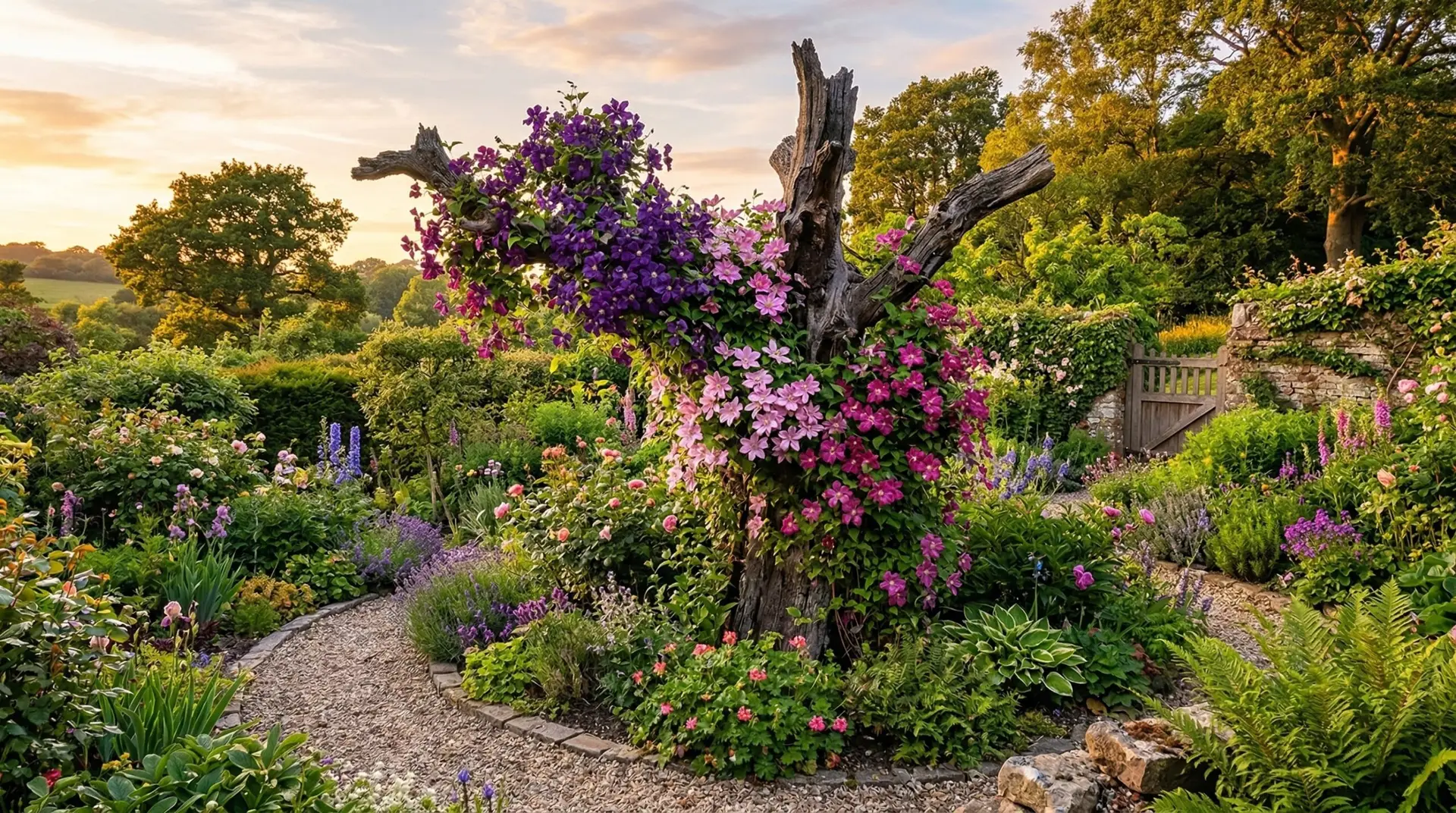
The late August mist hangs low over the meadow, catching the early light in suspended droplets before the morning warms the air. In the quiet dampness of the woodland edge, an old crabapple tree stands completely bare of its own leaves, its branches brittle and graying with age. Yet the canopy is entirely green, entirely alive with a different sort of foliage. A wild clematis has wound its way up the decaying trunk, finding footholds in the peeling bark and wrapping its leaf stalks tightly around the dead wood. Dew gathers on the star-shaped white blooms, pulling them slightly downward with the weight of the water. Native bees are already awake and working the open flowers, their low humming the only sound in the still air. This is the way a vine wants to grow, entirely free of wooden lattices and plastic netting, leaning instead on the architecture of the forest itself. We watch these small interactions and realize that the garden is always trying to return to the wild.
We are conditioned to think of climbing plants as solitary specimens meant to be tied rigidly to a flat trellis against a house wall, but their wild nature tells a different story. In their native habitats, these vines are opportunists of the woodland margin, germinating in the cool shade of leaf litter and reaching instinctively for the nearest woody shrub or low tree. Growing clematis on trees mimics this ancient ecological relationship, allowing the plant to scramble and weave through a three-dimensional space. The vine provides dense cover for small birds like chickadees and wrens, who use the tangled stems to hide from hawks passing overhead. Spiders anchor their webs between the host tree’s branches and the strong vertical stems of the climber, catching flies that are drawn to the decaying wood. The garden becomes a layered system where a dying tree is not a problem to be removed, but a foundational support for new life.
The quiet work of planting near established roots
Introducing a new plant to the base of an established tree requires a careful negotiation of space and resources. The soil near the trunk is usually dry and woven thick with the tree’s own roots, creating a difficult environment for a young vine that demands steady moisture. A successful clematis natural planting requires moving a few feet away from the trunk, finding a pocket of soil where the shovel can slide in without severing major tree roots. You dig the hole deep, burying the crown of the vine an inch or two below the soil surface to encourage a strong, resilient base that can survive a hard winter or an accidental break. The first year is an exercise in pure attention, carrying watering cans to the base of the vine week after week while it slowly establishes its own root system in the shadow of the giant. Thinning seedlings feels like a small act of cruelty, but crowded plants compete for light and water until none of them thrives, so the area around the base must be kept clear of weeds and aggressive grasses.
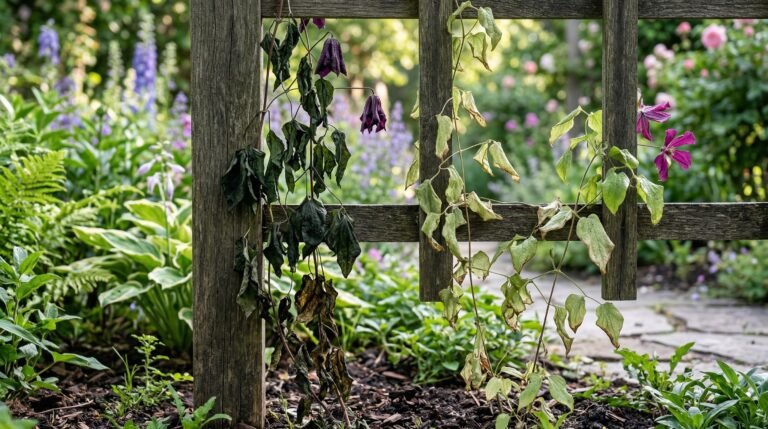
Once the roots settle into the earth, the vine needs a bridge to reach its final destination. A young clematis cannot leap across open air, nor can it wrap its delicate leaf stems around a thick tree trunk. You must provide a temporary path, perhaps a piece of rough twine tied from a stake near the roots to the lowest branch of the tree. The stems will find this line, spiraling upward with a slow, determined motion that tracks the sun through the day. Sometimes a strong wind will tear the young shoots away, and you must gently guide them back, tying them loosely with soft garden string. This guidance is a temporary human intervention, a brief conversation between the gardener and the plant before the vine reaches the canopy and takes over the work entirely. Once the clematis grasps the smaller twigs of the host tree, it no longer needs the twine, pulling itself higher into the light by its own strength.
Choosing vines for the woodland canopy
The choice of which vine to plant depends heavily on the size and health of the tree that will carry it. A vigorous, heavy species like the sweet autumn clematis can easily overwhelm a small shrub or a fragile sapling, pulling it to the ground under the sheer weight of summer foliage and autumn snow. For delicate or living hosts, the smaller-flowered species types, such as the viticella varieties, offer a much lighter touch. These vines die back completely in the winter, leaving only thin, brittle stems that do not burden the tree with extra weight during ice storms. They emerge late in the spring, allowing the host tree to push out its own leaves and gather sunlight before the vine begins its ascent. The relationship should be a balanced partnership, where the clematis growing through trees adds a second season of interest without suffocating the foliage of the living support.
Other climbing plants offer different rhythms and habits for the wild garden, though few possess the exact grasping mechanism of a clematis. Annual climbers can provide a temporary burst of life to a bare branch while a perennial vine is still establishing its roots. You might scatter seeds of Morning Glories at the base of a dead cedar, watching them spiral tightly around the trunk to open their blue trumpets in the early light. For the evening garden, a Moonflower vine will climb the same structure, holding its large white blossoms tightly closed until the sun dips below the horizon and the sphinx moths arrive. These annuals wrap their entire main stems around their supports, a much more aggressive climbing method than the delicate leaf-tendril clasp of the clematis. Understanding how a plant holds onto the world helps you place it where it will thrive naturally, without the need for constant untangling and redirection.
The seasons of a shared existence
As summer turns to autumn, the dynamic between the vine and the tree shifts in quiet, observable ways. The leaves of a living host tree begin to yellow and drop, falling away to reveal the network of vine stems woven through the branches. The clematis holds its own leaves a bit longer, and its flowers give way to distinctive seed heads that look like whorls of spun silver thread. These feathery structures catch the low afternoon light, glowing against the dark, bare bark of the tree trunk. Goldfinches land on the branches, picking at the seeds and scattering the silver fluff into the wind, participating in a dispersal method older than human agriculture. The vine has completed its seasonal work, leaving its seeds to the birds and the wind, while its roots pull their energy back down into the cold earth.
Gardening in this way is an act of letting go, an acceptance that we cannot control every leaf and stem. When we allow a vine to scramble through a tree, we surrender the neat, geometric lines of traditional garden design for something wilder and far more resilient. The dead tree slowly rots, feeding the soil fungi that in turn feed the roots of the clematis, a slow transfer of mass and energy from one life to another. We watch the vine climb higher each year, filling the empty spaces of the canopy, blooming where the birds nest and the insects gather. It is a reminder that a garden is not a collection of isolated objects, but a continuous conversation between the soil, the plants, and the creatures that live among them. We are simply observers and occasional guides, privileged to watch the living world weave itself together.
More About Clematis
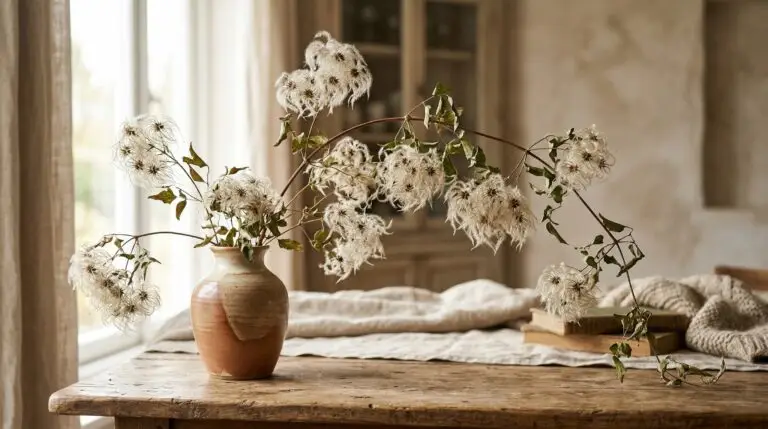
Clematis seed heads as winter garden interest and dried flower arrangements
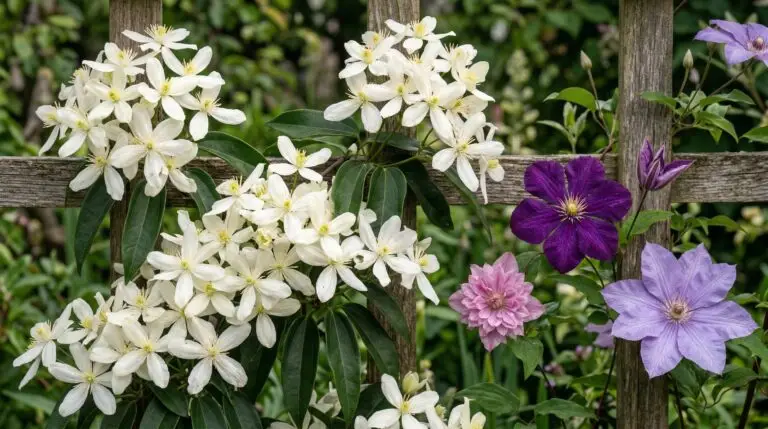
Evergreen clematis varieties that keep your garden looking alive through winter
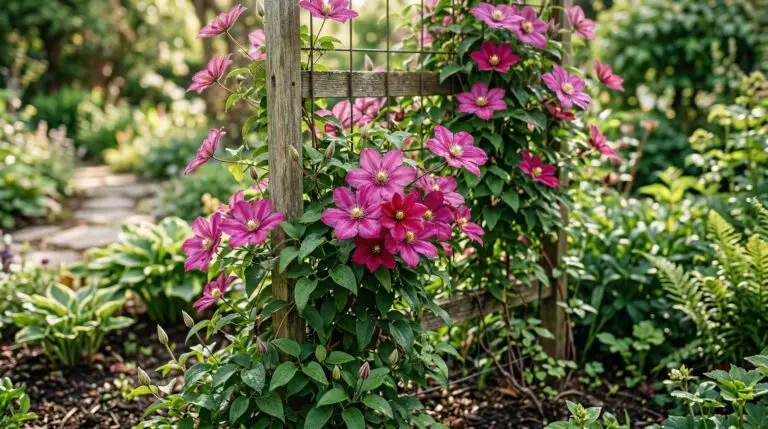
Small-space clematis varieties perfect for containers mailboxes and small trellises
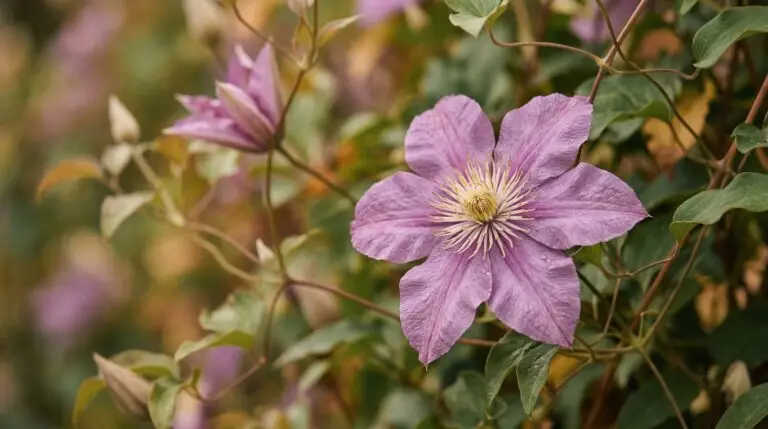
Clematis flower meaning and the symbolism of the traveller’s joy vine
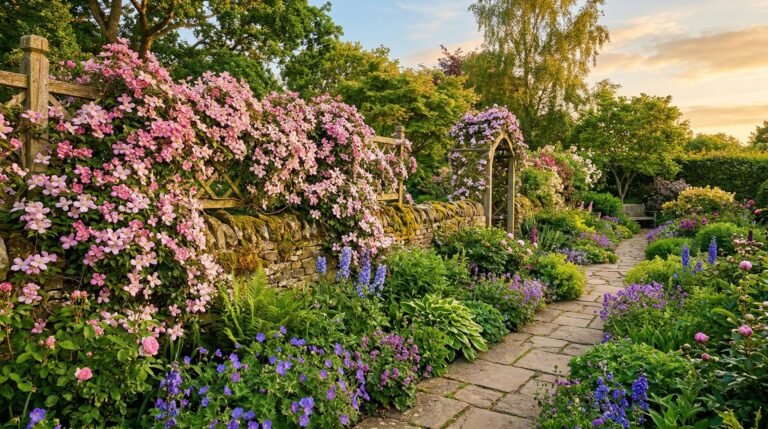
Understanding clematis pruning groups so you never accidentally cut off your blooms
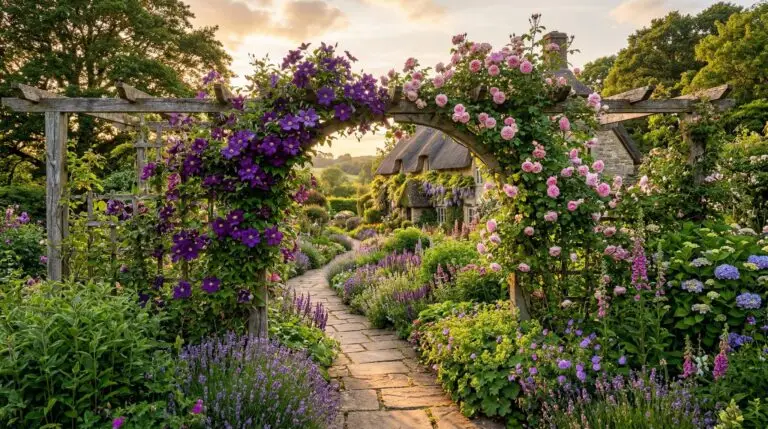
How to grow clematis and roses together on the same trellis for a stunning combination
Best clematis varieties for covering fences and trellises with walls of flowers