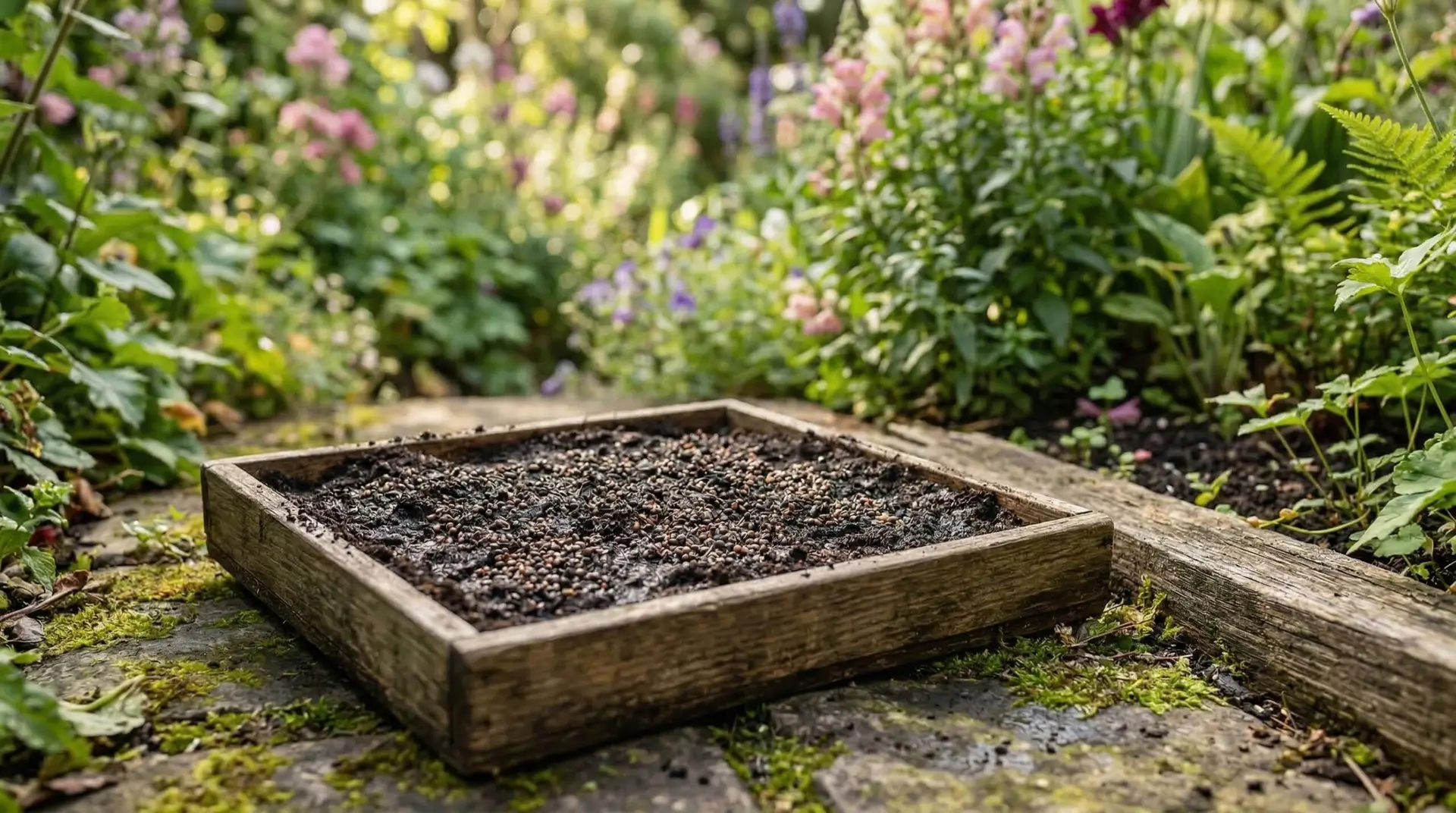
By the end of our time together, you will understand exactly why some seeds demand to be left on top of the soil and how that single detail changes everything about starting snapdragons. When you first open a packet of snapdragon seeds, you might think the envelope is empty or that the supplier made a mistake. The seeds look like a fine sprinkle of black pepper or dust, making them notoriously tricky for beginners to handle. This tiny size is the first clue to understanding how these plants operate in the wild and how we must treat them in our homes. Because they contain almost no stored energy, these seeds cannot afford to fight their way through a heavy layer of dark potting mix. They need to sense the sun immediately upon waking up, which dictates every step of the seed starting process from the moment you open the packet.
The science of surface sowing
Think of a seed as a packed lunch for a baby plant. Large seeds like beans or pumpkins have a massive lunchbox, giving the sprout plenty of energy to push through inches of soil before it ever needs to make its own food. Snapdragon seeds have virtually no lunchbox at all. If you bury a snapdragon seed even a quarter of an inch deep, it will sprout, run out of energy in the dark, and die before it ever sees the sun. This is why we practice surface sowing, which simply means pressing the seed firmly into the top of the moist soil without covering it with vermiculite or extra dirt. The seed acts like a tiny solar panel, waiting for light signals to trigger germination and begin the growing process.
Handling seeds the size of dust particles can be frustrating when you are trying to space them out in a tray. You might find yourself accidentally dropping twenty seeds into a single cell, which leads to overcrowded seedlings competing for water and space later on. Seed companies solved this problem by creating pelleted seed specifically for home gardeners and farmers. A pelleted seed is a regular snapdragon seed coated in a tiny, dissolvable clay ball that makes it large enough to pick up with your fingers. When moisture hits the clay coating, it melts away into the soil, leaving the seed perfectly exposed to the light it needs to grow. Using pelleted seeds dramatically reduces the thinning you have to do later and saves you from wasting dozens of tiny seeds in a single pot.
Timing the indoor start
Snapdragons operate on a completely different schedule than your typical summer garden flowers. While you might wait until just a few weeks before your last frost to start fast-growing cosmos, snapdragons need a massive head start. You want to start snapdragon germination indoors eight to ten weeks before your last expected spring frost. This long lead time is necessary because snapdragons spend their first month growing incredibly slowly, focusing mostly on establishing a dense root system rather than pushing up tall green leaves. They are also cool-season flowers, meaning they want to be out in the garden while the spring air is still crisp and chilly. Giving them this long indoor period ensures they are robust enough to handle the transition outdoors while the weather is still in their favor.
This early schedule might seem contradictory to everything you know about keeping tender seedlings warm in the house. While most seeds want a heating mat to wake up, snapdragons actually prefer cool room temperatures to germinate properly. Soil temperatures around sixty-five degrees Fahrenheit are ideal for them, which is often the ambient temperature of a basement or a cool spare bedroom. If you put snapdragon seeds on a hot propagation mat, they will often refuse to sprout entirely, assuming the blazing heat means summer has arrived and it is too late to grow. Understanding this preference for cool conditions helps explain why they thrive in early spring gardens and often pause their blooming when the deep heat of August arrives.
Creating the ideal germination environment
Surface sowing creates a unique challenge for the indoor gardener who is trying to maintain consistent moisture. Because the seeds are sitting completely exposed on top of the soil, they are vulnerable to drying out in the dry air of a heated house. A seed that begins to sprout and then dries out for even an hour will die, ending your growing season before it begins. To solve this, you need to think of a humidity dome as a greenhouse for your soil surface. Placing a clear plastic cover over your seed trays traps the moisture evaporating from the soil and holds it right at the surface where the seeds are resting. You leave this dome on until the seeds sprout green leaves, at which point you remove it to allow proper airflow.
Watering these exposed seeds requires a gentle approach so you do not accidentally wash them away or bury them under displaced soil. Pouring water over the top of the tray from a watering can is a recipe for disaster with tiny surface-sown seeds. Instead, you want to practice bottom watering by pouring water into a solid tray underneath your seed cells and letting the soil soak it up like a sponge. This technique works perfectly for any dust-like seed, including when you are starting petunias for your summer planters. The moisture wicks up from the bottom to the surface, dissolving any pelleted coatings and giving the seeds exactly what they need without disturbing their careful placement.
Fall sowing for mild climates
If you live in a region with mild winters, usually zones seven and above, you have an entirely different option for growing snapdragons. You can mimic how the plant behaves in its natural habitat by sowing the seeds directly in the garden in early autumn. In the wild, snapdragons drop their seeds at the end of summer, and those seeds sprout in the cool fall weather. The young plants grow a few inches tall and then hunker down to survive the winter frosts. Because they are remarkably cold-hardy, these small plants will sit quietly through the winter months building massive root systems underground while the top growth stays relatively dormant.
When spring arrives, these autumn-sown plants explode into growth long before the spring-sown seedlings are ready to go outside. The massive root system they built over the winter allows them to send up thick, strong stems and produce an abundance of early flowers. Figuring out the exact right week to sow fall seeds in your specific yard takes a season or two to get a feel for, and that is completely normal. You want to plant them early enough that they grow a few sets of leaves before the hard freezes arrive, but late enough that they do not try to bloom in November. Keeping a garden journal helps you track these dates and refine your timing year after year.
The entire process of growing snapdragons from seed comes down to respecting the physical limitations of a tiny plant. When you understand that their small size means they need light to germinate, surface sowing makes perfect sense. When you know they are cool-season plants, the early start times and cool temperature requirements feel logical rather than arbitrary. By treating the seed tray as a controlled environment that balances surface moisture with bright light, you give these dust-like specks exactly what they need. You will find that these early efforts result in strong, resilient plants that anchor your spring garden with color long before the summer heat arrives.
More About Snapdragon

Companion plants for snapdragons: what to grow and avoid
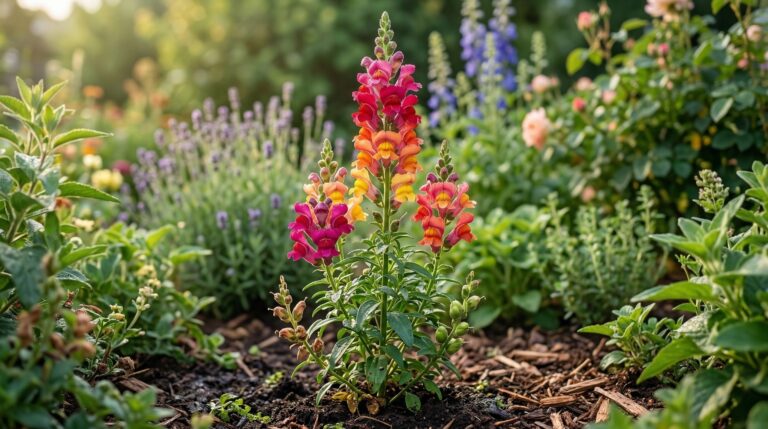
Snapdragons as cool-season cut flowers for spring bouquets when summer flowers are months away
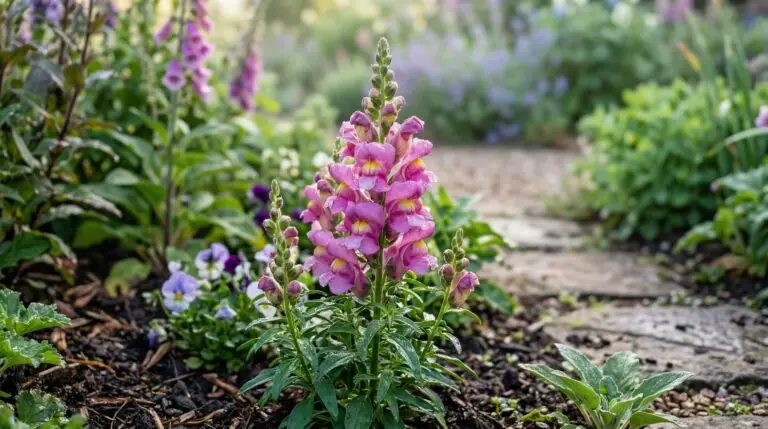
How to grow snapdragons for vertical spikes of color that bloom in cool weather
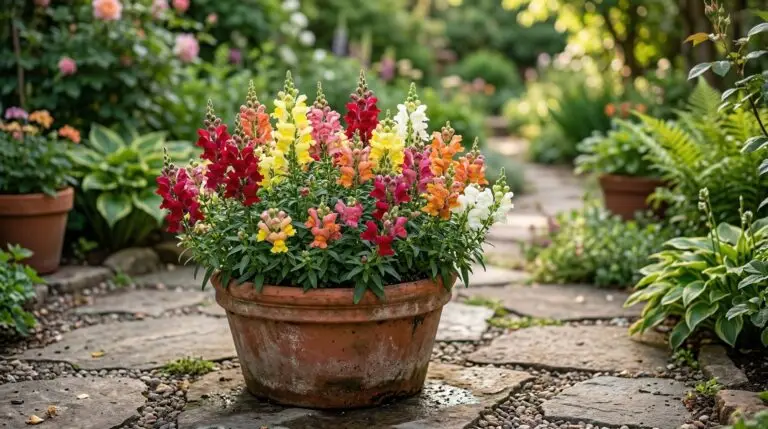
Snapdragons in containers and window boxes for vertical drama in small spaces
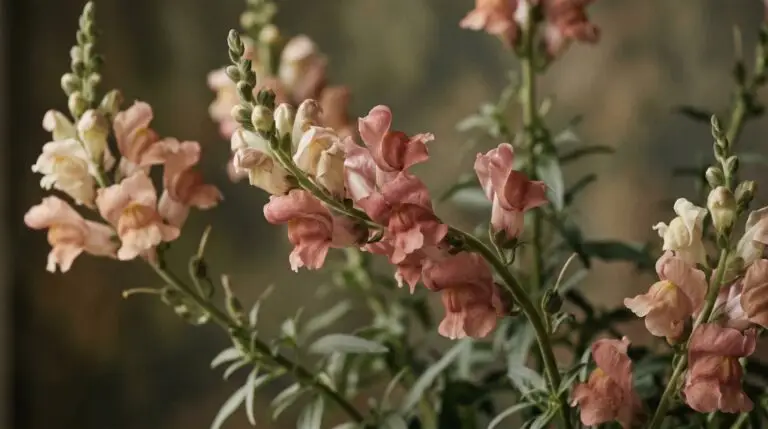
Snapdragon flower meaning and the dragon mouth shape that delights children everywhere
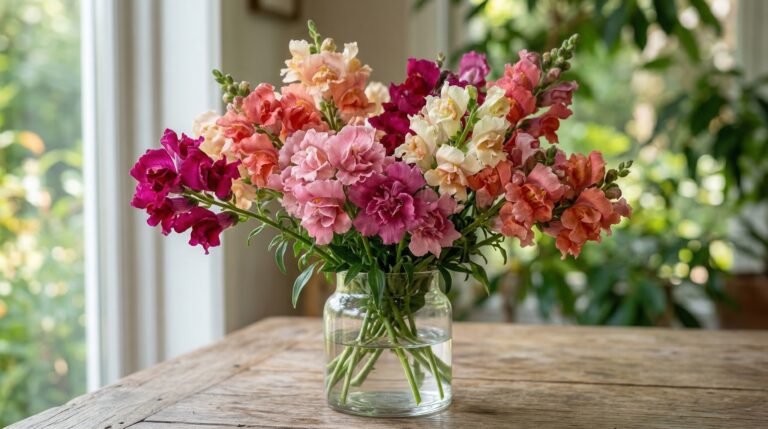
Madame Butterfly snapdragons the double-flowered variety that looks like miniature sweet peas
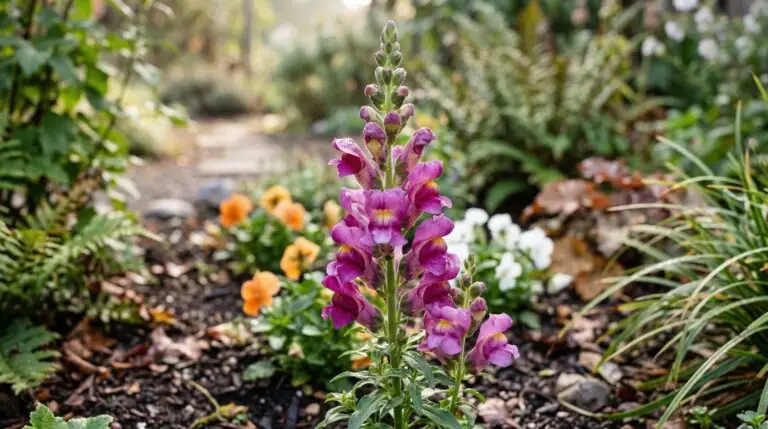
Why snapdragons die in summer heat and how to grow them as fall flowers instead