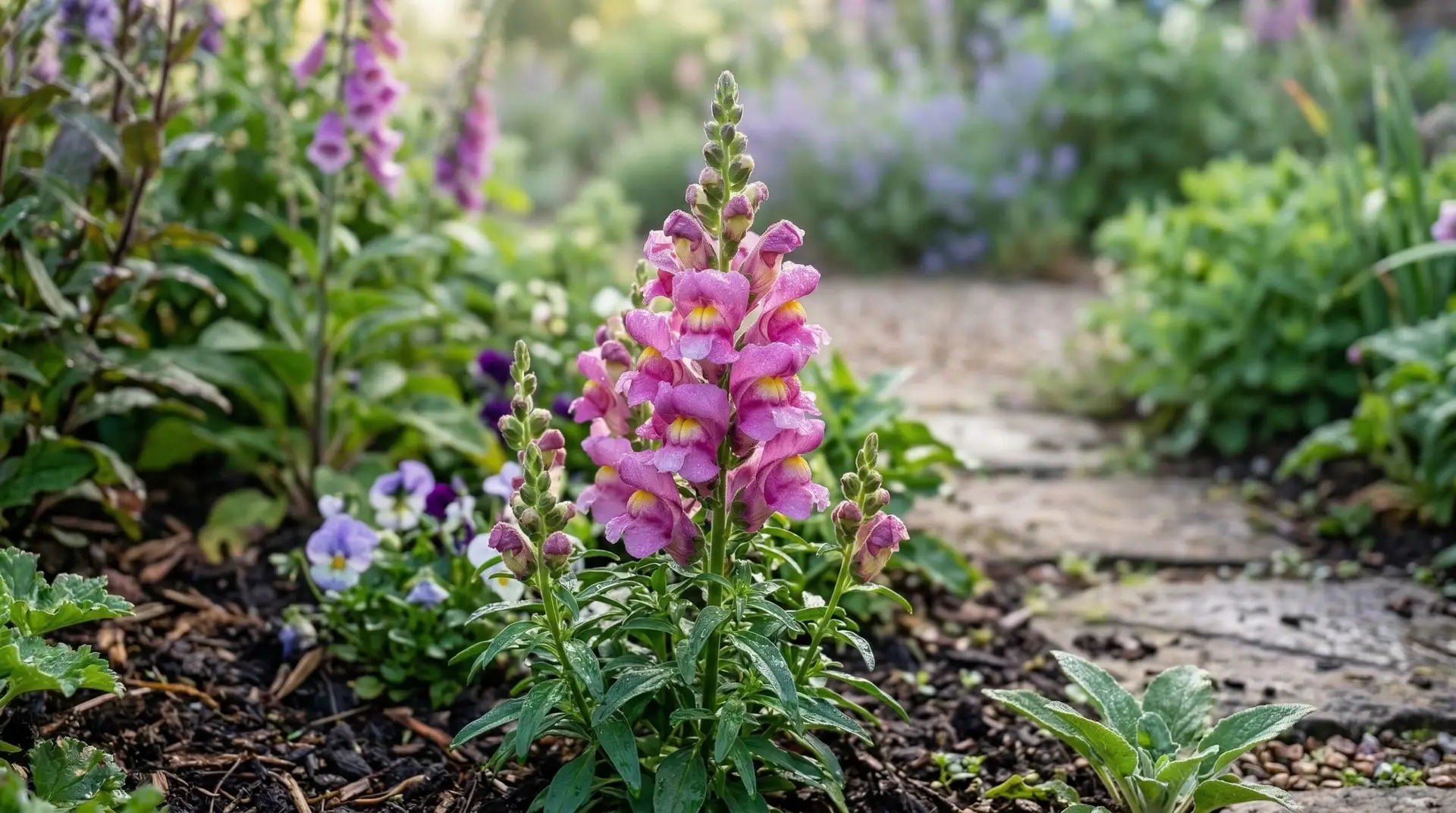
After working with Antirrhinum majus across several climatic zones, I have come to rely on these plants specifically for their structural reliability in the cool shoulder seasons. Snapdragons fill a specific architectural void in the garden before the heat of summer sets in. They produce dense, terminal racemes, which are vertical flower stalks that open sequentially from the bottom to the top. Growing snapdragons successfully requires timing your planting to exploit their preference for cool soil and mild air temperatures. Many growers make the mistake of treating them like summer annuals, planting them alongside heat-loving species that will eventually overgrow them. When you understand their physiological preference for cool weather, you can manipulate their planting times to achieve massive flushes of color in both early spring and late autumn.
The genus Antirrhinum belongs to the Plantaginaceae family, and modern cultivated varieties are broadly categorized by height and flower form. Tall series like the Rocket or Potomac groups can reach three to four feet and require staking, while dwarf bedding types stay under twelve inches. The flower mechanics are fascinating because they are zygomorphic, meaning they have bilateral symmetry with a hinged lower lip that only heavy insects like bumblebees can force open. This evolutionary adaptation ensures specific pollination, though modern double-flowered forms, often called azalea-flowering types, lack this classic snapping jaw. Understanding these structural differences helps you select the right cultivar for your specific garden application, whether you need tall cut flowers or low border edgings.
Contents 3 sections
Optimizing soil conditions and planting timelines
Proper antirrhinum care begins long before the first seeds germinate, starting with strict attention to soil composition and pH. These plants prefer a slightly acidic to neutral soil environment, with a pH range between 6.2 and 7.0. If your soil is highly alkaline, you will likely see chlorosis, a yellowing of the leaves caused by an inability to absorb iron and other micronutrients. The root system is fibrous and highly susceptible to fungal pathogens like Pythium root rot if the soil remains waterlogged. I always incorporate coarse compost or aged pine bark fines into heavy clay soils to improve drainage and aeration. Sowing seeds indoors requires patience because snapdragon seeds need direct light to germinate. You must press the dust-like seeds firmly into the surface of your starting medium without covering them with soil.
Timing the transition from indoor seedlings to outdoor beds dictates the overall vigor of your crop. Snapdragons are frost-hardy annuals, meaning young plants that have been properly hardened off can survive temperatures dipping into the mid-twenties Fahrenheit. I prefer to plant them out four to six weeks before the last expected spring frost. This early planting window allows the plants to establish a deep, extensive root system while the soil is still cool. When the weather eventually warms, this mature root system supports rapid upward growth and heavy flowering. If you wait until the danger of frost has completely passed, the plants will experience heat stress before they mature, resulting in stunted growth and premature, weak blooming.
Managing apical dominance through pinching
One of the most essential steps in snapdragon care is a mechanical process known as pinching, which fundamentally alters the architecture of the plant. Left to its own devices, a snapdragon will produce one dominant central stem, driven by a hormonal process called apical dominance. The growing tip produces auxins that suppress the development of lateral shoots lower down on the stem. By using sharp, sterile snips to remove the top few inches of growth just above a leaf node, you remove the source of those suppressing hormones. I typically perform this cut when the young plants have developed four to six sets of true leaves. This action forces the plant to push out multiple side branches, transforming a single-stemmed plant into a robust, multi-stemmed producer.
While pinching delays the initial bloom by about two to three weeks, the resulting increase in flower volume is entirely worth the wait. Instead of harvesting one primary spike, you will gather five to eight strong, usable stems from a single plant. Tall cut-flower varieties absolutely require this treatment to reach their full potential, though some dwarf bedding varieties are bred to be naturally branching. You must also provide physical support for the tall, pinched varieties because the increased weight of multiple flower spikes will cause the plant to lodge, or fall over, during heavy rain or wind. I stretch a layer of horizontal floral netting about twelve inches above the soil line shortly after planting. If you are looking for other strong vertical growers to plant behind your snapdragons, you might consider delphinium varieties, which offer a similar structural presence in the garden.
Navigating summer heat and seasonal transitions
As daytime temperatures consistently exceed eighty degrees Fahrenheit, snapdragons enter a period of physiological stress and semi-dormancy. The plants will largely stop producing new flower buds, and the lower foliage may begin to look tired or yellowed. This is a natural response to heat rather than a failure of your cultivation practices. During this midsummer lull, you have two choices regarding plant management. You can pull the plants to make room for heat-tolerant species like cosmos, or you can manage them for a second flush in the autumn. If you choose to keep them, cut the entire plant back by half, leaving some healthy green foliage near the base. Maintain consistent moisture at the root zone, but avoid heavy fertilization during this resting period.
Disease management becomes particularly important as the plants age and weather patterns shift. Snapdragon rust, caused by the fungus Puccinia antirrhini, is the most prevalent and destructive disease you will encounter. It presents as small, yellow spots on the upper leaf surfaces, with corresponding concentric rings of powdery brown pustules on the undersides. Because rust spores require free moisture to germinate, you must water the plants at the soil level rather than using overhead sprinklers. Spacing the plants at least nine to twelve inches apart ensures adequate air circulation, which dries the foliage quickly after morning dew. If you notice early signs of rust, remove the infected leaves immediately and dispose of them off-site to prevent the spores from overwintering in your soil.
When late summer transitions into autumn and night temperatures drop back into the forties and fifties, the cut-back plants will break dormancy and push a secondary flush of growth. This fall bloom is often just as prolific as the spring show, and the cooler weather intensifies the pigmentation in the flower petals. The dark crimson and deep bronze varieties look particularly rich during this time of year, echoing the changing foliage around them. If you live in a mild climate, these autumn-blooming plants will often survive the winter and bloom again the following spring. You can interplant them with early spring bloomers like lupine to create a highly textured, cool-season display.
To maximize the vase life of your snapdragons, you must harvest them at the precise stage of floral development. The ideal time to cut the stem is when the lower third of the individual florets have opened, but the upper buds are still tightly closed and showing color. If you wait until the entire spike is open, the lower flowers will drop their petals within a day or two of being brought indoors. Always harvest in the early morning when the stems are fully turgid and hydrated. Strip all the foliage that would fall below the water line in your vase to prevent bacterial growth. By mastering these cool-season timing strategies and proper harvesting techniques, you can rely on snapdragons to anchor your garden beds long before the summer heat arrives.
More About Snapdragon

Companion plants for snapdragons: what to grow and avoid
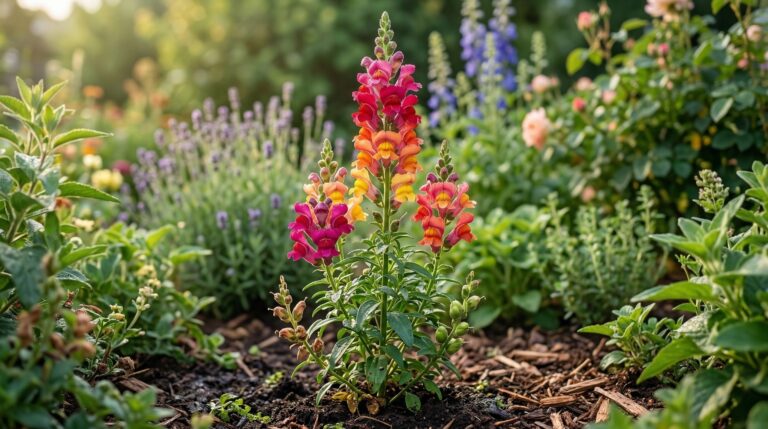
Snapdragons as cool-season cut flowers for spring bouquets when summer flowers are months away
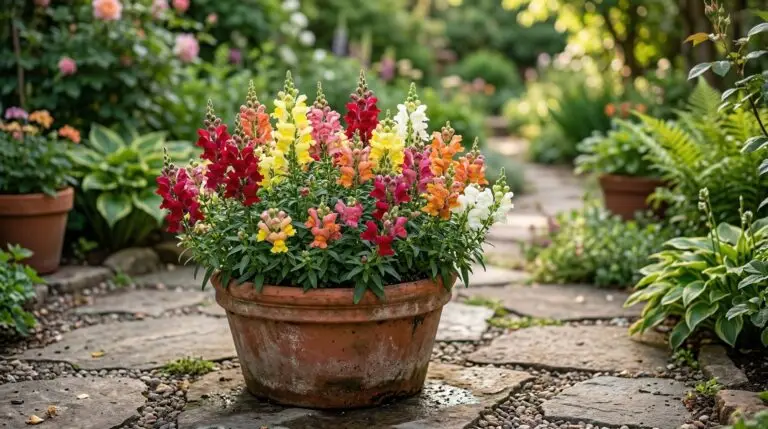
Snapdragons in containers and window boxes for vertical drama in small spaces
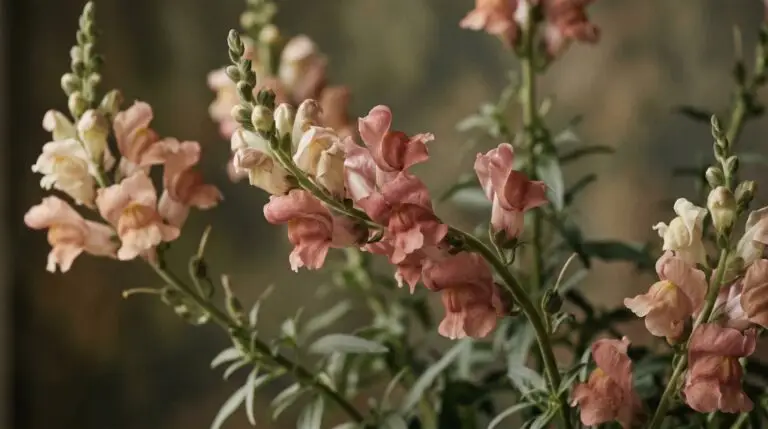
Snapdragon flower meaning and the dragon mouth shape that delights children everywhere
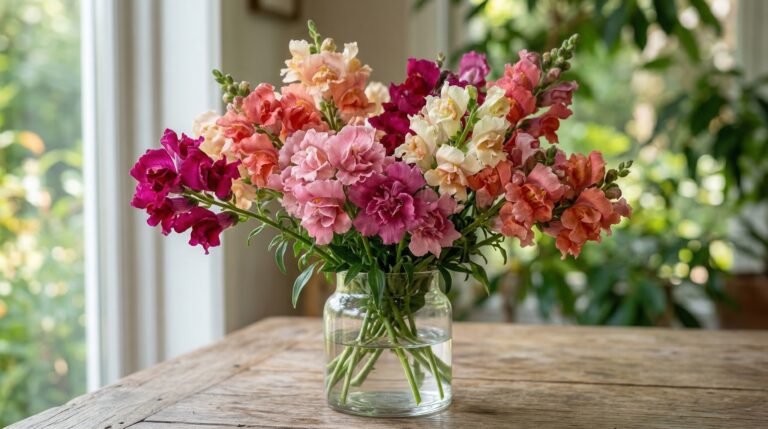
Madame Butterfly snapdragons the double-flowered variety that looks like miniature sweet peas
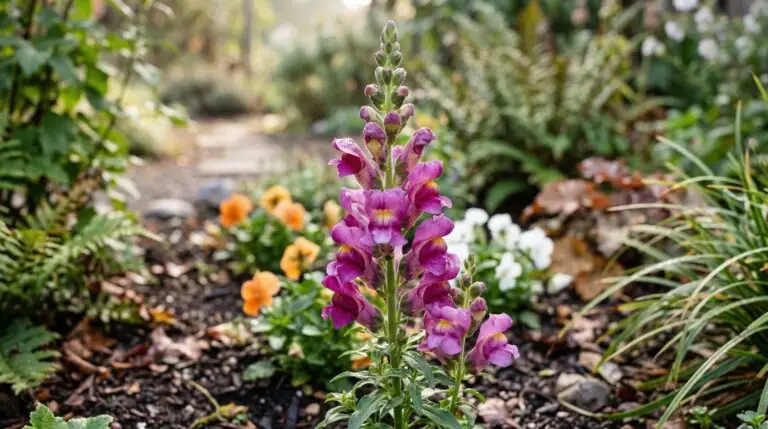
Why snapdragons die in summer heat and how to grow them as fall flowers instead
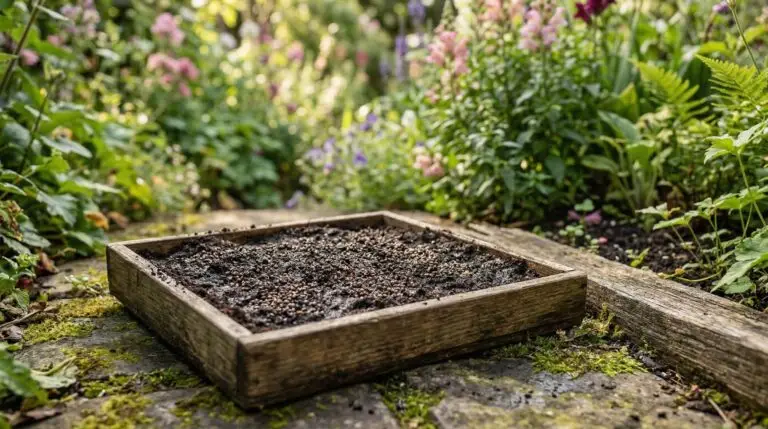
Growing snapdragons from seed and the tiny seeds that need light to germinate

Snapdragon skull seed pods the creepy dried flower heads that fascinate the internet
Enjoying our flower guides? Add YourFlowersGuide as a preferred source on Google. It helps more readers find us.
Add to Preferred Sources