Understanding the lifecycle of globe thistle seeds allows you to transform an empty yard into an established perennial border without draining your wallet. Nursery pots of mature perennials are expensive because you are paying for the time and space a grower invested in raising that plant for a year or more. When you take on the role of the grower, you trade a little bit of time for a massive financial savings. Globe thistle is an excellent candidate for this approach because it is highly resilient and naturally eager to reproduce. We are going to look at exactly how growing echinops from seed works, what the plant is doing underground during its first year, and how you can multiply your plants even further once they are established.
Starting your globe thistle seeds indoors and outdoors
When you look at globe thistle seeds, you will notice they look a bit like miniature, fuzzy grains of rice. These seeds have a hard outer coating designed to protect them through rough winter weather, which tells us a lot about how they like to be treated. If you want to start them indoors to get a jump on the season, you need to mimic the warming soil of spring. Press the seeds lightly into the surface of a moist seed-starting mix, but do not bury them deeply because they need some light to trigger germination. Think of the seed like a tiny solar panel that needs to sense the sun before it wastes energy pushing out a sprout. Keep the soil consistently damp but not soggy, and you should see sprouts in about two to three weeks at normal room temperatures. If you prefer a more hands-off approach, you can practice direct sowing right in the garden after the danger of frost has passed. Direct sowing often produces stronger plants because the taproot can grow straight down without ever hitting the bottom of a plastic nursery pot.
Understanding first year growth expectations
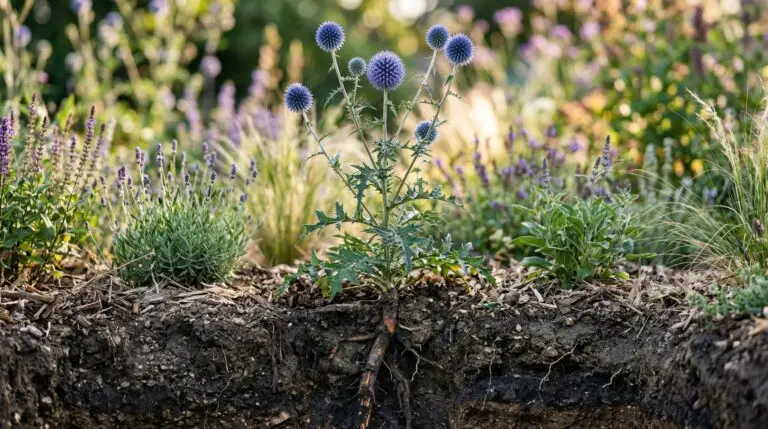
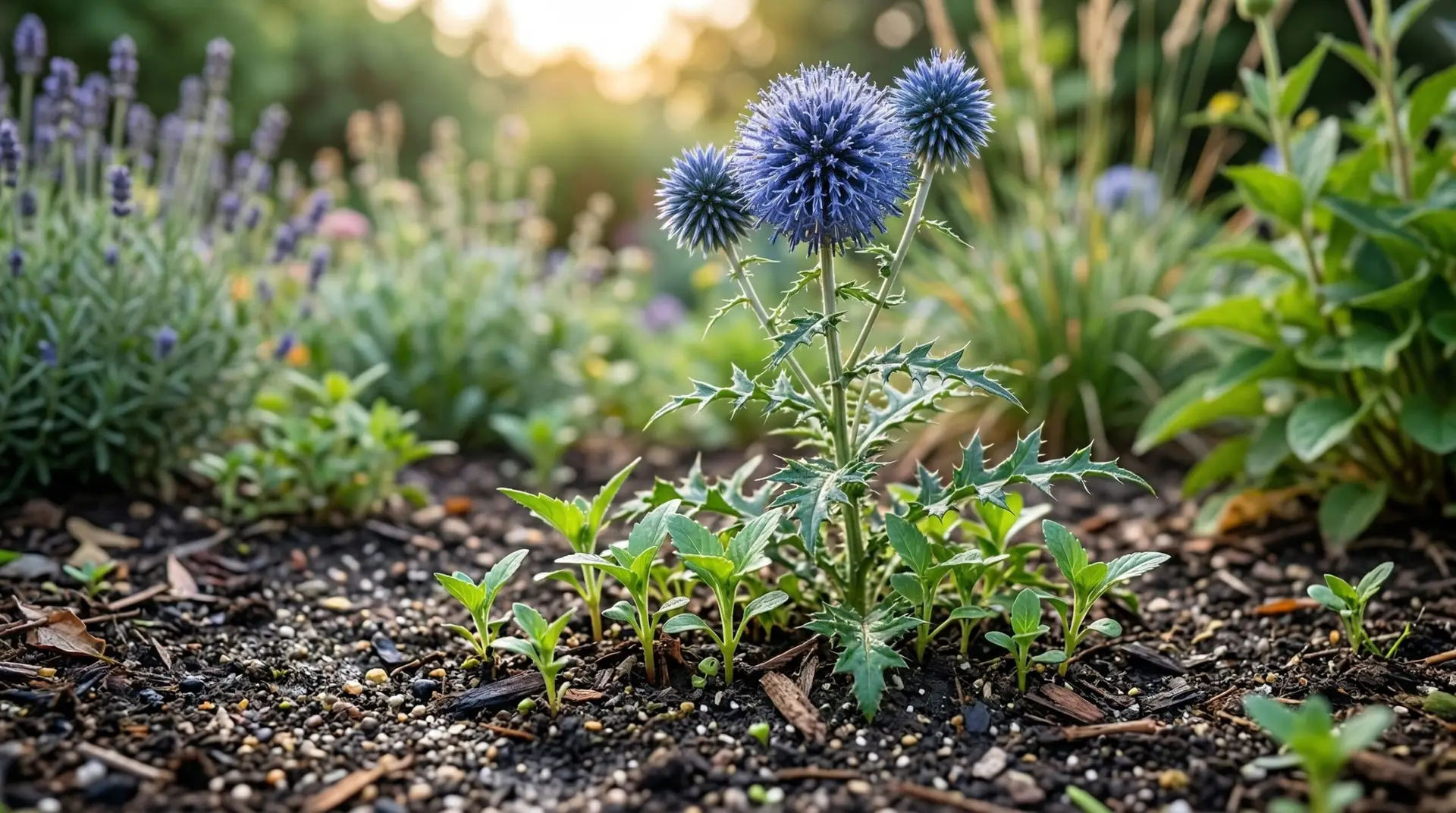
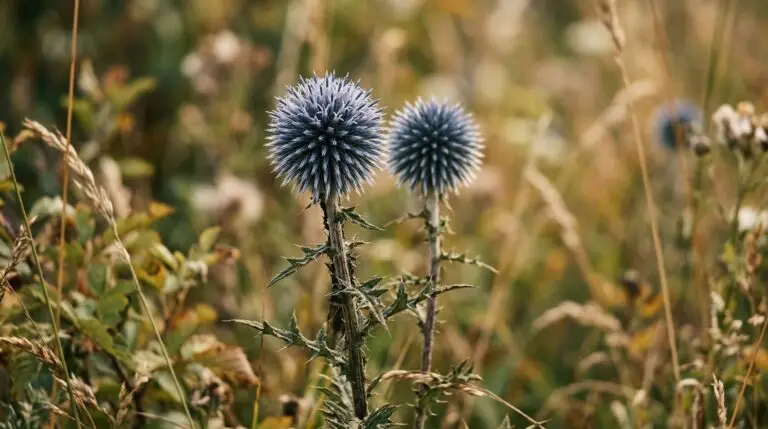
Gardeners often experience a moment of panic when their newly sprouted perennials do not shoot up and produce flowers right away. This might seem frustrating, but the reason is entirely logical when you think about the lifespan of the plant. A perennial like globe thistle expects to live for many years, so it spends its first season building a massive underground support system rather than wasting energy on a flashy floral display. During the first summer, your globe thistle will look like a low, spiky rosette of leaves resting flat against the soil. Underneath the surface, the plant is driving a thick taproot deep into the earth to secure access to water during future droughts. You will not see those famous metallic blue spheres until the second year of growth. This takes a season or two to get a feel for, and that is completely normal for anyone transitioning from growing quick annuals to establishing a permanent perennial border. Once you understand that the first year is all about root construction, watching those simple green rosettes grow becomes just as satisfying as waiting for the blooms.
Choosing the right soil and companion plants
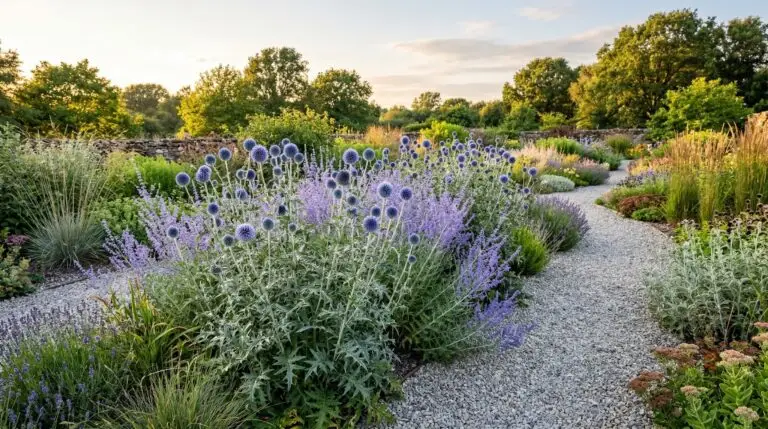
Because globe thistle relies on a deep taproot, the most critical factor for long-term survival is soil drainage. If you plant these seeds in heavy, compacted clay that holds water like a bathtub, the thick taproot will rot during the wet winter months. You can fix poor drainage by mixing coarse sand or small gravel into the planting area, creating air pockets that let excess water drain away quickly. Think of the ideal soil structure as a colander rather than a sponge, allowing water to pass through freely while leaving just enough moisture on the soil particles for the roots to drink. Once you provide the right drainage, globe thistle becomes incredibly drought tolerant and pairs perfectly with other rugged, sun-loving plants. You can create a resilient, low-maintenance display by planting them alongside coneflower, which shares the exact same preference for dry soil and full sun. Adding black eyed susan to the mix creates a clear visual contrast between the sharp blue spheres of the thistle and the warm golden petals of the daisies. Building a border with these tough, seed-grown perennials ensures your garden can handle intense summer heat with minimal watering on your part.
Globe thistle propagation through root cuttings
Once your seed-grown plants have lived in the garden for a few years, you unlock an entirely new method for making more plants for free. Globe thistle propagation is highly successful when done through root cuttings, which involves taking a small piece of the fleshy taproot and coaxing it to grow a new top. This works because that thick root is packed with stored carbohydrates, acting like a battery that has enough power to generate a completely new plant. In late winter or very early spring, while the plant is still dormant, you carefully dig down next to an established globe thistle and snip off a piece of root about the thickness of a pencil. You then lay this root piece horizontally in a pot of sandy soil, cover it lightly, and keep it barely moist until new green shoots emerge from the soil surface. This might seem contradictory to everything you know about planting things right-side up, but laying the root flat ensures that the natural growth nodes orient themselves correctly toward the light. Taking root cuttings takes a bit of courage the first time you slice into an established plant, but it is an excellent way to multiply a specific color variety that you love.
Growing a perennial border from seed requires a shift in how you view the garden, moving away from instant gratification and toward long-term cultivation. When you plant globe thistle seeds, you are investing in a tough, architectural plant that will anchor your garden beds for years to come. Understanding how the seed responds to light, why the plant spends its first year building a deep taproot, and how that root system demands sharp drainage gives you the knowledge to succeed in any soil conditions. You are no longer just following instructions on the back of a seed packet, but rather working with the natural biology of the plant to help it thrive. That deep understanding of how plants operate underground is the true foundation of building a resilient garden on a budget.
More About Globe Thistle
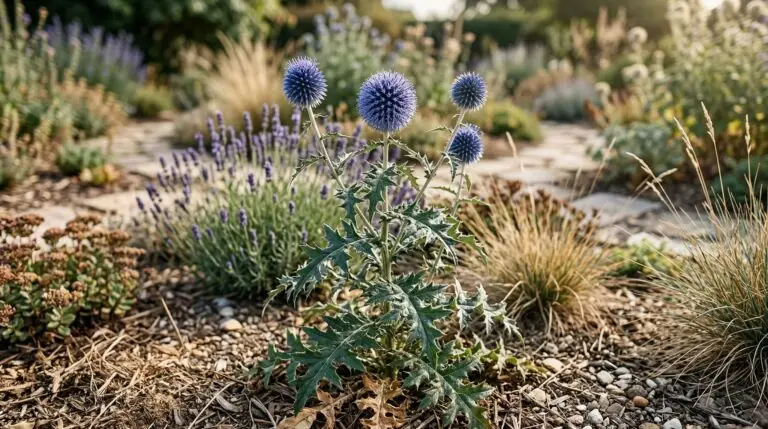
How to grow globe thistle for perfectly round steel-blue flower heads that bees adore
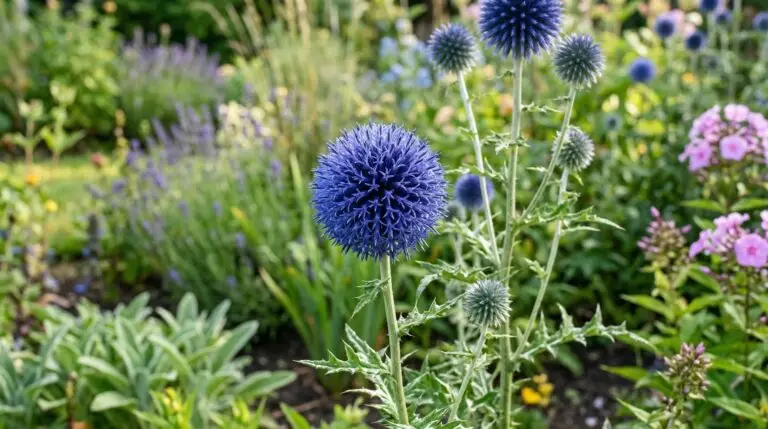
Dried globe thistle flower heads for everlasting arrangements that last for years
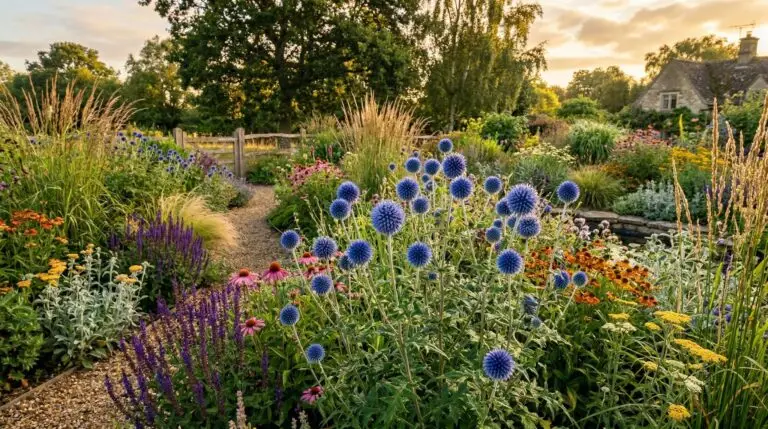
Globe thistle in modern garden design and the trend toward architectural perennials
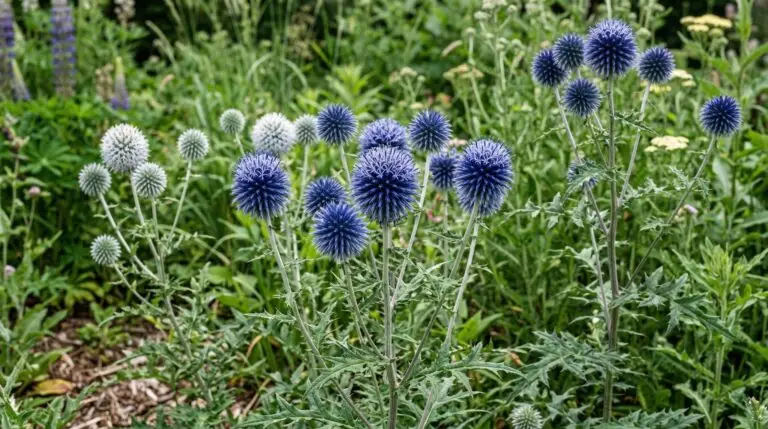
Best globe thistle varieties from compact Veitch’s Blue to towering Taplow Blue
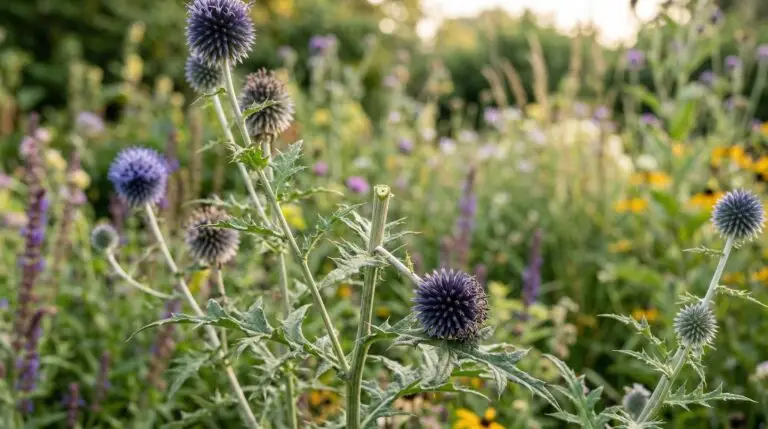
How to control globe thistle self-seeding and prevent unwanted spread in borders
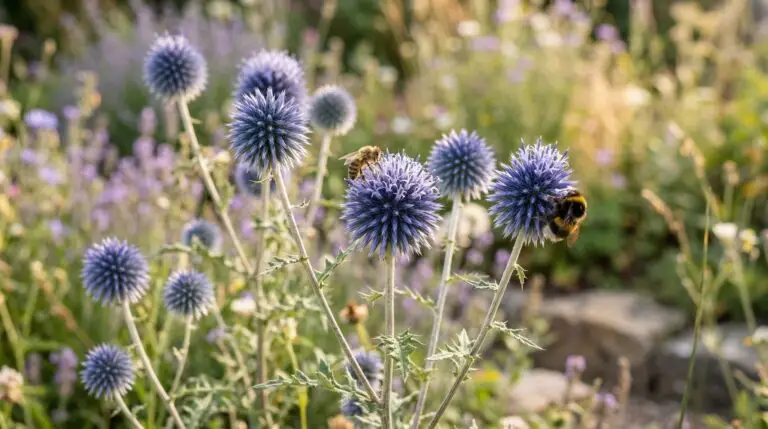
Globe thistle as a pollinator powerhouse attracting more bees than almost any perennial
Globe thistle flower meaning and the quiet strength of this spiny blue sphere
Globe thistle companions: what to grow and what to avoid